Trump Lays Into Iran at UN While Tehran Offers 7-Day Deal to Reopen Hormuz
حمله تند ترامپ به ایران در سازمان ملل همزمان با طرح ۷ روزه تهران برای بازگشایی هرمز
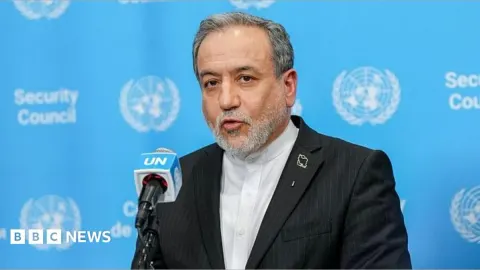
Donald Trump threatens to 'annihilate' Iran during a tense UN session as his domestic power wanes, while Tehran's Foreign Minister Araghchi proposes a strategic one-week timeline to reopen the Strait of Hormuz. Meanwhile, gold prices in Iran have climbed 1.5% in 24 hours amid heightened geopolitical friction.
At time of publishing
USD
233,600
Toman
Gold 18K
24.09M
Toman / gram
Bitcoin
$83,917
US Dollar
Tether
233,559.354
Toman
Trump’s Rhetoric Sharpens as Political Power Wanes
In a scene reminiscent of his most volatile diplomatic moments, Donald Trump took the stage at the United Nations in New York this Tuesday, delivering a speech that oscillated between global bravado and domestic frustration. The 80-year-old president, currently grappling with plummeting approval ratings and a fractured Republican base, used the international platform to threaten Iran with total annihilation. Observers noted that the aggression in his tone seemed inversely proportional to his actual political leverage at home, as he spent nearly as much time attacking the media—specifically a CNN anchor present at the venue—as he did outlining foreign policy. This 'lashing out' is being interpreted by analysts as a defensive maneuver by a leader who feels the gravitational pull of domestic scandals and waning influence.
For the Iranian markets and political establishment, this rhetoric acts as a double-edged sword. While the threats of military action typically drive up the 'fear premium' in currency and gold markets, the visible cracks in Trump’s domestic support suggest a presidency that may lack the unified mandate to follow through on its most extreme promises. However, the unpredictability of an embattled leader remains a primary driver of volatility. In Tehran, the response has been a mix of calculated defiance and strategic diplomatic maneuvering, as seen in the latest proposals regarding maritime security.
The Seven-Day Plan for the Strait of Hormuz
As the war of words intensified in New York, Iranian Foreign Minister Abbas Araghchi introduced a concrete diplomatic gambit: a seven-day plan to reopen the Strait of Hormuz. According to reports from IRNA, the proposal is contingent upon the United States meeting specific, albeit demanding, conditions set by the Islamic Republic. This move appears to be a strategic attempt to shift the narrative from Iranian 'obstructionism' to American 'rejectionism.' By placing a strict one-week timeline on the table, Tehran is forcing the international community to look at Washington for the next move, effectively leveraging the world’s most critical energy transit point as a bargaining chip.
This development is particularly significant for global energy markets and the domestic Iranian economy. The closure, or even the threat of prolonged disruption in the Strait, has historically sent oil prices into a tailspin and devalued the Toman. By offering a 'reopening deal,' the Iranian government is attempting to signal to global powers—and perhaps to the Iranian public—that it remains the primary arbiter of regional stability. Whether the U.S. administration, currently preoccupied with Trump’s domestic struggles, will engage with a plan that requires significant concessions remains highly doubtful, likely leading to continued stalemate and market nervousness.
Gold Surges as Domestic Markets Digest Global Tension
While the US Dollar in the Tehran market remained relatively stable, moving from 233,700 to 233,600 Toman (a negligible change), the gold market told a different story. 18-karat gold jumped from 23,731,474 to 24,093,910 Toman per gram, representing a 1.5% increase in just 24 hours. This decoupling of gold from the immediate dollar rate suggests that local investors are hedging against the geopolitical rhetoric coming out of the UN. When the threat of 'annihilation' is mentioned on the world stage, the traditional flight to safety in gold assets accelerates, even if the currency remains temporarily pinned by central bank interventions.
Beyond the local borders, the global economy is watching the interplay between the U.S. and China. At a recent summit, Xi Jinping reportedly attempted to tilt Trump’s stance on America’s role in Asia, using a mix of praise and warnings regarding Taiwan and Japan. For Iran, any shift in U.S. focus toward the Pacific could theoretically provide more breathing room in the Middle East, yet the current administration’s fixation on Iran as a primary antagonist makes such a pivot unlikely in the near term. For now, the Iranian investor must navigate a landscape where a single speech in New York can add millions to the price of a gold coin in Tehran.
Frequently Asked Questions
Why is gold rising while the dollar remains stable in Iran?
What are the conditions for Iran's 7-day Hormuz plan?
How is Trump's domestic situation affecting his foreign policy?
The Strategic Importance of the Strait of Hormuz
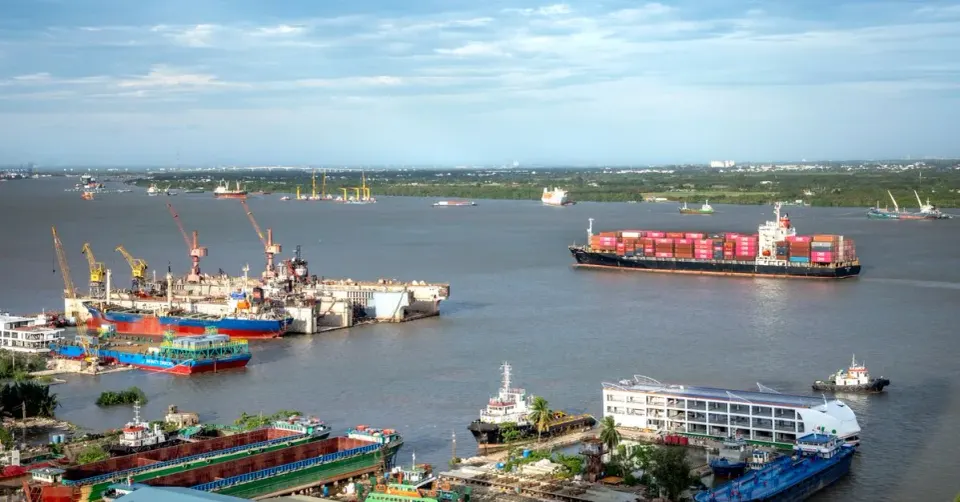
The Strait of Hormuz is one of the world’s most critical maritime chokepoints, a narrow 21‑mile passage that links the Persian Gulf with the open ocean. Despite its modest width, the strait carries roughly 20‑25% of global oil consumption and an even larger share of petroleum products destined for Europe, Asia and the United States. Because almost all of Iran’s and the Gulf‑Cooperation Council’s (GCC) oil exports must transit this waterway, any threat to its free flow instantly ripples through international energy markets, pushing crude prices, exchange rates and even gold prices higher.
Geopolitical tension around the strait is therefore a powerful lever. When a major power—whether the United States, Iran, or a regional actor—signals the possibility of a closure or a military incident, traders price in a “risk premium.” This premium shows up as higher spot prices for oil and a surge in the value of safe‑haven assets such as gold. The 2026 UN speech by former President Donald Trump, which warned of “unacceptable” Iranian aggression, and Tehran’s subsequent 7‑day reopening offer are classic examples of how diplomatic rhetoric can move markets before a single barrel is actually delayed.
The economic mechanics are straightforward. A disruption reduces the effective supply of oil on the global market, shifting the supply curve leftward and raising equilibrium prices. Higher oil prices increase the cost of production and transportation for virtually every commodity, feeding into inflationary pressures that central banks must combat—often by tightening monetary policy, which in turn strengthens the U.S. dollar. For a country like Iran, whose official currency (the rial) is already under severe pressure, a spike in the USD/IRR exchange rate can exacerbate domestic hardship, prompting governments to seek quick diplomatic fixes such as the 7‑day deal.
Understanding the strait’s strategic role helps explain why a seemingly regional negotiation can have worldwide ramifications. It also illustrates why investors watch not just the headline‑making speeches at the UN, but the underlying physical infrastructure that moves the world’s energy. When the Hormuz corridor remains open, global markets enjoy a degree of stability; when it is threatened, volatility spreads far beyond the Persian Gulf, affecting everything from oil‑linked equities to the price of an ounce of gold.