Diplomatic Backchannels Heat Up in NY as Bitcoin Coils Below $84,000
رایزنیهای فشرده در نیویورک همزمان با درجا زدن بیتکوین در مرز ۸۴ هزار دلار
Iran and Oman's foreign ministers meet in New York to discuss regional stability, while Bitcoin remains range-bound between $83,000 and $84,000. Meanwhile, Bangkok declares a state of emergency following devastating floods.
At time of publishing
USD
233,200
Toman
Gold 18K
23.94M
Toman / gram
Bitcoin
$83,998
US Dollar
Tether
234,097
Toman
Diplomatic Maneuvers: Iran and Oman Meet in New York
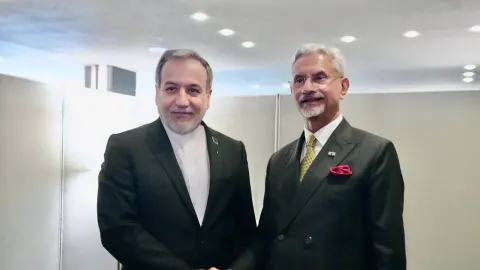
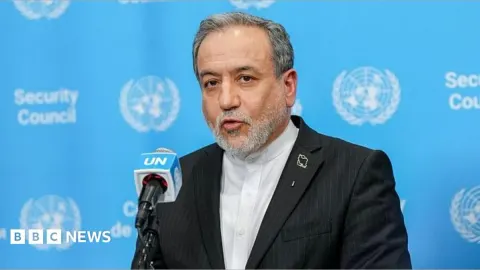
In the high-stakes environment of the 81st UN General Assembly, Iranian Foreign Minister Abbas Araghchi held a pivotal meeting with his Omani counterpart, Sayyid Badr al-Busaidi. This meeting is far from a routine diplomatic encounter; Oman has historically served as the primary bridge between Tehran and Washington, often facilitating prisoner swaps and nuclear negotiations. The timing is particularly sensitive as Iran recently floated a proposal for a seven-day temporary reopening of the Strait of Hormuz, suggesting that the 'Omani channel' is once again being utilized to test the waters for broader de-escalation with the West. For the Iranian domestic market, these diplomatic movements are the primary drivers of sentiment. The currency market responded with a cautious but visible calm, as the USD sell rate edged down slightly from 233,700 to 233,200 Toman, a minor 0.2% decrease. Traders are currently in a 'wait-and-see' mode, as any concrete progress in New York could lead to a more significant appreciation of the Toman. However, the market remains fragile; while President Pezeshkian emphasized readiness for dialogue and convergence with China, his firm stance against 'bullying' indicates that a definitive breakthrough remains a complex challenge.

Bitcoin Coils for a Breakout as Markets Stagnate
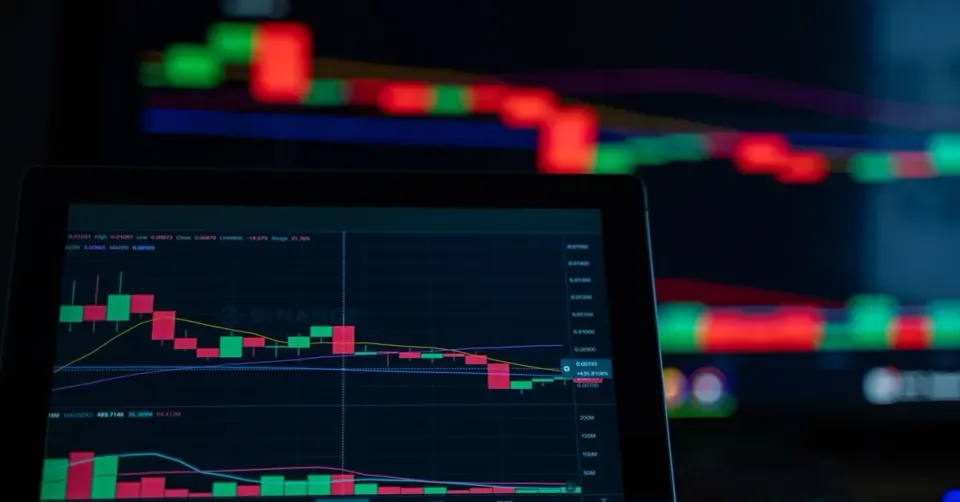
Bitcoin is currently exhibiting a classic consolidation pattern, tightly coiled within the $83,000 to $84,000 range. After a period of intense volatility, the premier cryptocurrency is seeking its next catalyst, with the price currently hovering around $83,998. Technical analysts often view this type of 'coiling' as a precursor to a significant move, though the direction remains contested. While the bullish narrative is supported by institutional adoption and the recent Solana 'Alpenglow' testnet upgrades, which signal continued technical maturation in the broader crypto ecosystem, some investors are wary of a potential correction if the $84,000 resistance level isn't decisively broken. This stagnation in the crypto space is mirrored by a mixed performance in the Iranian gold market. Despite the slight dip in the dollar, 18k gold per gram rose by 0.9%, moving from 23,731,474 to 23,939,240 Toman. This rise is largely attributed to the global gold ounce price, which has reached a staggering $4,286.20. Iranian investors continue to hedge against local currency risks by shifting into gold and coins, even as the Emami coin saw a marginal 0.4% decline to 239,000,000 Toman. The divergence between gold's rise and the coin's slight dip suggests a saturation in the physical coin market compared to the raw metal.
Global Emergencies: From Bangkok Floods to Paris Masses
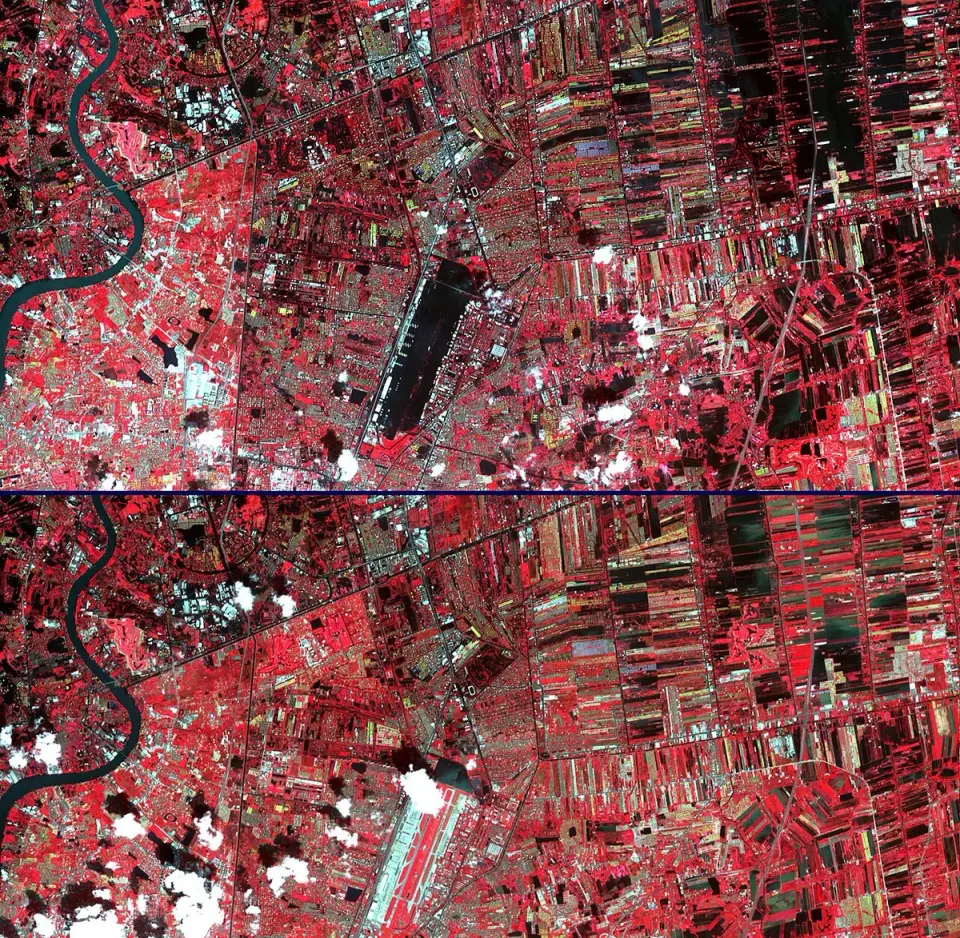
Beyond the financial corridors, a humanitarian crisis is unfolding in Southeast Asia. Bangkok has officially declared a state of emergency as relentless rainfall has submerged major roads and infrastructure across the Thai capital. This disaster is not only a local tragedy but also a potential disruptor for regional logistics and tourism, which could have ripple effects on emerging market sentiment. The severity of the floods highlights the increasing frequency of extreme weather events and their immediate impact on the economic stability of major metropolitan hubs. Meanwhile, in Europe, the focus is on a massive cultural and religious event. Over half a million people are expected to gather at the Place de la Concorde in Paris for an open-air Mass celebrated by Pope Leo XIV. The event, which stretches along the Champs-Élysées, represents one of the largest public gatherings in recent French history. For global observers, the logistical challenge of securing such a massive crowd in the heart of a major city is a testament to the ongoing complexities of public safety and international event management in an era of heightened security concerns.
The Strategic Pivot: Tehran-Beijing Relations
In a move to diversify its geopolitical dependencies, President Pezeshkian has reaffirmed the importance of the Tehran-Beijing partnership. By emphasizing a 'convergence of views' on national sovereignty, the Iranian administration is signaling to the West that it has viable alternatives to European and American cooperation. This strategic alignment with China is crucial for Iran’s long-term economic survival under sanctions, particularly in the energy and infrastructure sectors. However, the efficacy of this partnership often depends on China's own appetite for risk and its complex relationship with the United States. For the average Iranian citizen, these high-level maneuvers mean very little if they do not translate into lower inflation or more stable prices. While the government claims to be seeking constructive cooperation, the reality of the ground remains one of high costs and limited access to global markets. The upcoming days in New York will be decisive; if the Araghchi-Oman talks yield even a minor framework for sanctions relief, we could see a more sustained rally in the Toman. Until then, the market remains a hostage to headlines and diplomatic rumors.
Frequently Asked Questions
Why is the meeting between Iran and Oman significant for the markets?
Why did gold prices rise in Iran while the dollar fell?
What is the 'coiling' pattern mentioned regarding Bitcoin?
Geopolitical Risk: How Global Tensions Shape Your Money
Geopolitical risk refers to the potential for international political events, conflicts, or instability to impact financial markets and economies worldwide. These risks can stem from diplomatic disputes, trade wars, military conflicts, or even significant policy shifts by major global powers. When such tensions arise, they create uncertainty, leading investors and businesses to reassess their strategies and often triggering shifts in asset prices, currency valuations, and commodity markets. The recent diplomatic activities in New York and the mention of Iran's economic indicators highlight how deeply interconnected global politics and national economies truly are.
One of the most immediate effects of heightened geopolitical risk is often seen in currency markets. Countries facing sanctions or significant international pressure, like Iran, frequently experience depreciation of their national currency (such as the Iranian Rial, or IRR). This happens as foreign investment flees, trade becomes more difficult, and domestic confidence erodes. Conversely, traditional safe-haven assets, most notably gold, tend to appreciate during times of geopolitical turmoil. Investors flock to gold as a reliable store of value when other assets seem volatile or uncertain, explaining its consistent appeal in markets like Tehran amidst regional tensions.
In recent years, cryptocurrencies like Bitcoin have also entered the conversation as potential hedges against geopolitical instability. While highly volatile, some see Bitcoin as a decentralized asset less susceptible to government control or traditional financial system disruptions, making it an attractive (though risky) alternative, especially in economies facing sanctions or capital controls. The mention of Bitcoin's price alongside diplomatic efforts underscores a growing trend where individuals and even states explore non-traditional financial avenues to navigate complex international landscapes.
Ultimately, understanding geopolitical risk is crucial for comprehending why currencies fluctuate, why gold prices surge, and why alternative assets gain prominence. Diplomatic efforts, such as those involving Iranian officials, are often aimed at de-escalating these risks, which in turn can stabilize economies and influence market sentiment across various asset classes. The interplay between global politics and financial stability is a constant dance, with every diplomatic move potentially echoing through the world's markets.