Hormuz Breakthrough: Iran Proposes 7-Day Reopening Deal to US Amid Market Calm
گشایش در هرمز: پیشنهاد ۷ روزه ایران به آمریکا و آرامش در بازار ارز
Iran has reportedly offered a deal to reopen the Strait of Hormuz within seven days, triggering 'constructive' talks with the US. Meanwhile, the Tehran market opens with a stable Dollar and rising gold prices as investors weigh this massive geopolitical shift.
At time of publishing
USD
233,600
Toman
Gold 18K
23.92M
Toman / gram
Bitcoin
$83,908
US Dollar
Tether
234,499
Toman
Market Open — Stability Meets Geopolitical Hope
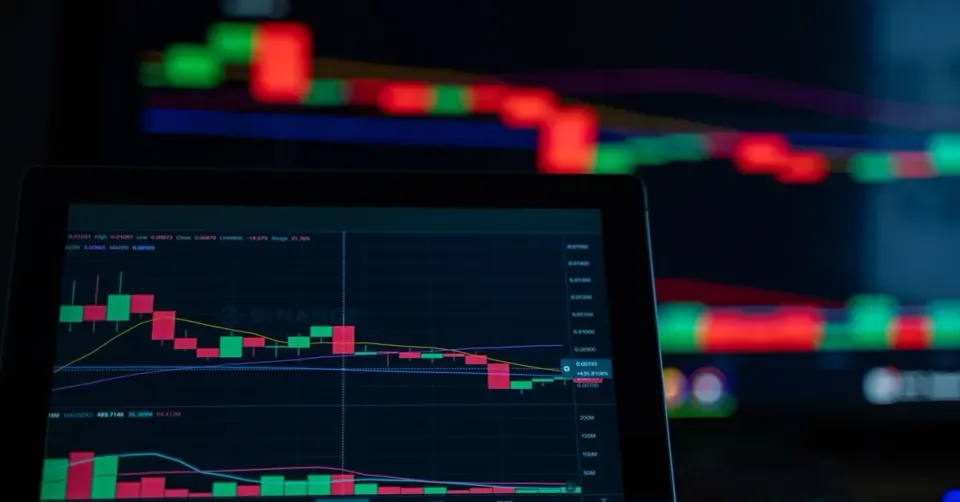
The Tehran market opened this Saturday morning with a sense of cautious optimism. The US Dollar (USD/IRR) remained virtually flat, trading at 233,600 Toman, showing no delta from the previous 24 hours. This stability is a rare sight given the explosive headlines coming out of the diplomatic channels overnight. While the currency holds its breath, gold has shown more movement; 18k gold rose by 0.8% to reach 23,916,154 Toman per gram, and the Emami coin followed suit with a 0.4% increase to 241,000,000 Toman.
This divergence between a flat dollar and rising gold suggests that while the immediate panic over currency devaluation has paused due to potential diplomatic breakthroughs, investors are still hedging against long-term uncertainty. Bitcoin remains a powerhouse in the background, holding steady near the $83,908 mark. For the average Iranian reader, today’s open is a 'wait-and-see' scenario; the market is pricing in the possibility of a major de-escalation, but the memory of previous volatility keeps the floor high.
The Hormuz Gambit: A Seven-Day Window to Peace?
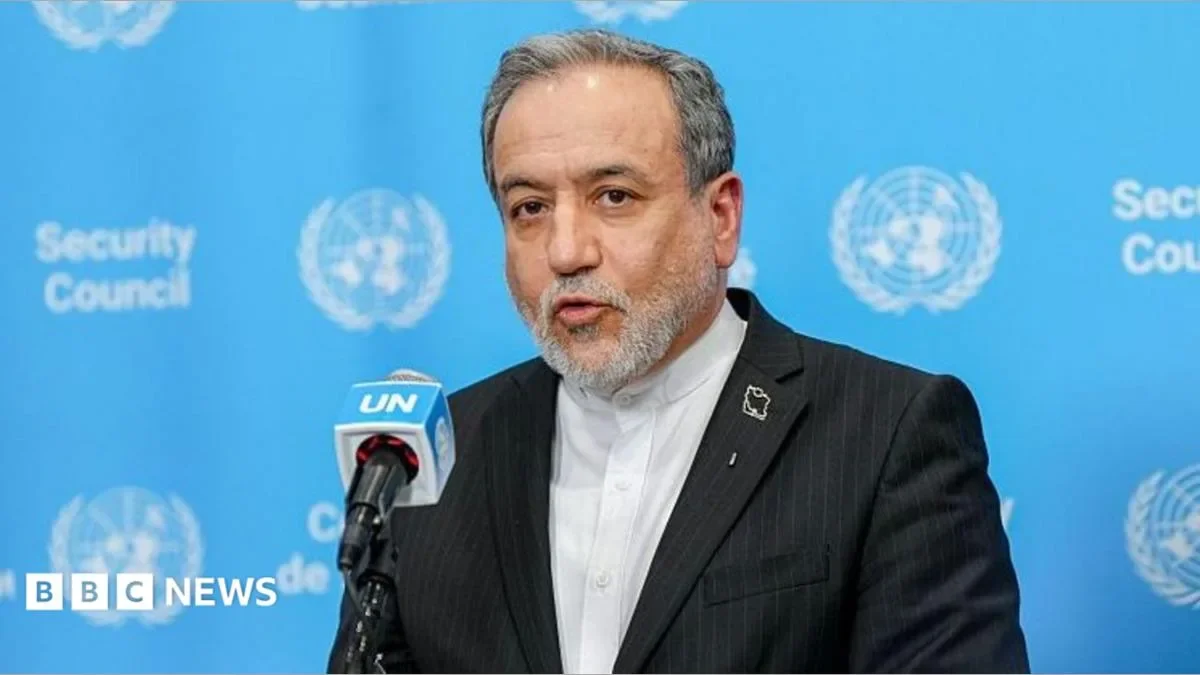
In a move that has stunned global energy markets and diplomatic circles, Iran has reportedly offered the United States a concrete deal to reopen the Strait of Hormuz within just seven days. According to BBC World, a US official confirmed that "constructive discussions" are currently taking place through international mediators. This proposal comes at a critical juncture, following President Masoud Pezeshkian’s departure from the UN General Assembly in New York, where he engaged in a series of high-stakes meetings with world leaders.
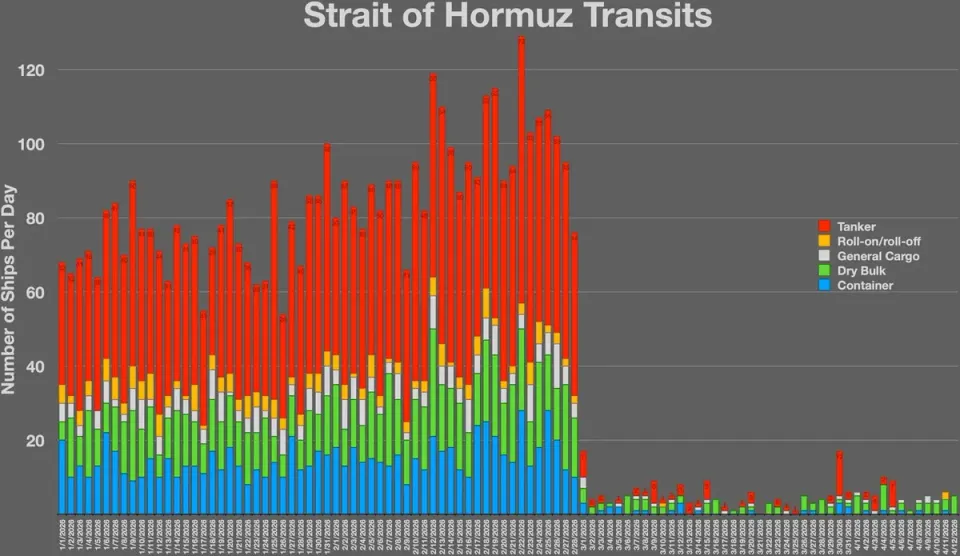
The Strait of Hormuz is perhaps the most vital maritime chokepoint in the world, and its closure—or even the threat of it—has historically sent oil prices into a tailspin and insurance premiums for tankers through the roof. A seven-day timeline for reopening suggests that a technical and security framework is already being negotiated behind the scenes. If successful, this could signal the end of the recent period of intense regional friction that UK leaders like Andy Burnham have categorized as a major economic drag. For Iran, the reopening isn't just about maritime traffic; it’s a leverage point for sanctions relief and a return to the global financial fold.
However, the road to a signed agreement remains fraught with difficulty. While the US describes talks as constructive, the underlying trust deficit remains massive. Any deal involving the Strait will likely require verifiable guarantees from both sides regarding naval movements and the cessation of regional hostilities. For the Iranian public, the stakes couldn't be higher: a reopened Strait usually correlates with a stronger Rial and a significant reduction in the cost of imported goods, potentially breaking the back of the current inflationary cycle.
Trump vs. CNN: The Press Pool War Escalates
Across the Atlantic, the American political landscape is witnessing a dramatic escalation in the ongoing conflict between the Trump administration and the mainstream media. The White House has officially barred CNN from traveling with President Donald Trump on Air Force One for his scheduled trip to Tennessee. This move comes despite a recent court order that explicitly instructed the administration to reinstate White House access for several news outlets, including CNN, Politico, and MS NOW. The administration’s defiance of a judicial order marks a significant constitutional friction point, raising questions about the future of the First Amendment under the current executive.
The removal of CNN from the "press pool"—a rotating group of journalists that travels with the president to ensure constant public oversight—is being viewed by critics as an attempt to curate a more favorable media environment by excluding critical voices. While the administration argues it has the right to manage its own travel arrangements, legal experts suggest that selective exclusion based on editorial content is a violation of due process. This domestic American drama has indirect consequences for global markets; as the US political system becomes more polarized and unpredictable, the reliability of US policy commitments often comes under international scrutiny.
---
Container Diplomacy: Islamabad Under Siege
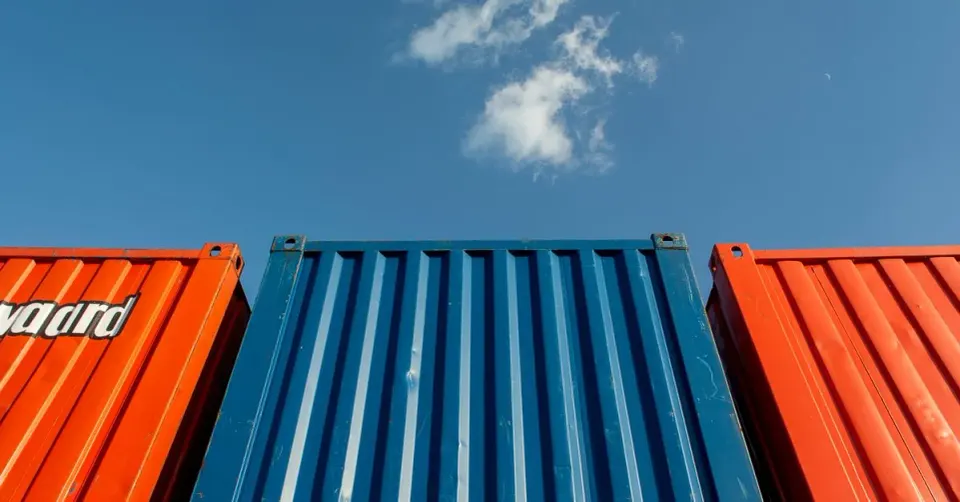
In our neighboring Pakistan, the capital city of Islamabad has been transformed into what locals are calling a "Tetris-like maze." Authorities have deployed more than 1,500 shipping containers to block major roads and intersections, effectively choking off access to the city center. This drastic measure was taken to preempt massive protests organized by the political opposition, which has been gaining momentum in recent weeks. The use of heavy industrial equipment to manage domestic civil unrest highlights the deepening political divide within Pakistan.
For the region, a paralyzed Islamabad means disrupted trade routes and potential instability in a nuclear-armed state. The "container strategy" has become a signature move for Pakistani authorities, but the scale of this current blockade is unprecedented. It not only affects the protesters but also halts daily commerce and the movement of essential goods, further straining an already fragile economy. As Iran looks toward reopening its own maritime borders, the terrestrial borders and political stability of its neighbors remain a point of concern for regional trade dynamics.
Frequently Asked Questions
چرا پیشنهاد ۷ روزه ایران برای بازگشایی هرمز اهمیت جهانی دارد؟
دلیل رشد قیمت طلا در حالی که دلار ثابت مانده چیست؟
اخراج CNN توسط ترامپ چه تأثیری بر بازارهای مالی دارد؟
Dual Exchange Rate Systems: How Sanctions Shape Iran’s Currency Market
The foreign‑exchange market is the arena where currencies are bought and sold, and most countries operate a single, market‑driven rate that reflects supply and demand. Iran, however, has long used a dual exchange rate system – an official rate set by the central bank for certain transactions (like essential imports) and a parallel, often higher, market rate that emerges for all other trade. This split arose primarily because international sanctions restrict Iran’s ability to earn hard currencies such as the US dollar, forcing the government to allocate limited foreign exchange to priority sectors while the rest of the economy turns to the black market.
Under sanctions, the official rate can be artificially low, making essential imports cheaper for the state but creating a huge arbitrage incentive for businesses and individuals. They obtain dollars at the official rate and sell them on the open market for a premium, driving the parallel rate upward. The gap between the two rates can widen dramatically, as seen in recent months when the official USD/IRR rate hovered around 50,000 rials while the market rate surged past 300,000 rials. This divergence directly influences the price of commodities priced in dollars, such as gold, which has become a popular hedge for Iranians facing a depreciating rial.
The dual system also complicates monetary policy. When the central bank tries to tighten liquidity by raising the official rate, the parallel market often reacts independently, sometimes even accelerating the rial’s decline if confidence erodes. Moreover, businesses must navigate a maze of regulations to qualify for the official rate, leading to corruption and rent‑seeking behavior. For ordinary citizens, the result is higher inflation, reduced purchasing power, and a reliance on alternative stores of value like gold or foreign‑currency accounts.
Understanding Iran’s dual exchange rate is crucial for anyone following the country’s negotiations with the United States or monitoring regional economic stability. A resolution that eases sanctions could narrow the rate gap, stabilize the rial, and lower gold premiums in Tehran’s market. Conversely, prolonged restrictions are likely to keep the dual system in place, perpetuating volatility and shaping the broader economic landscape of the Persian Gulf region.