Diplomatic Push in New York: Araghchi Meets Indian Counterpart as Tehran Markets Eye Trade Breakthroughs
تحرکات دیپلماتیک در نیویورک؛ دیدار عراقچی با وزیر خارجه هند در حاشیه مجمع عمومی و اثر آن بر بازار
Iran's Foreign Minister Abbas Araghchi meets with his Indian counterpart at the UNGA to discuss trade corridors and sanctions. Meanwhile, the Tehran market shows a slight cooling in USD prices while gold continues its upward climb.
At time of publishing
USD
233,000
Toman
Gold 18K
23.96M
Toman / gram
Bitcoin
$84,066
US Dollar
Tether
232,956.895
Toman
Diplomacy in New York: The India-Iran Connection
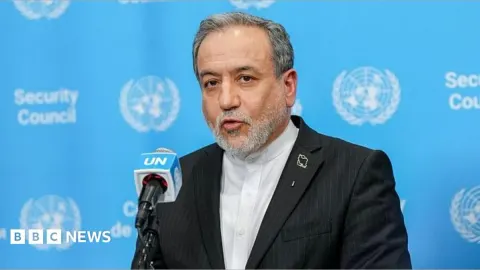
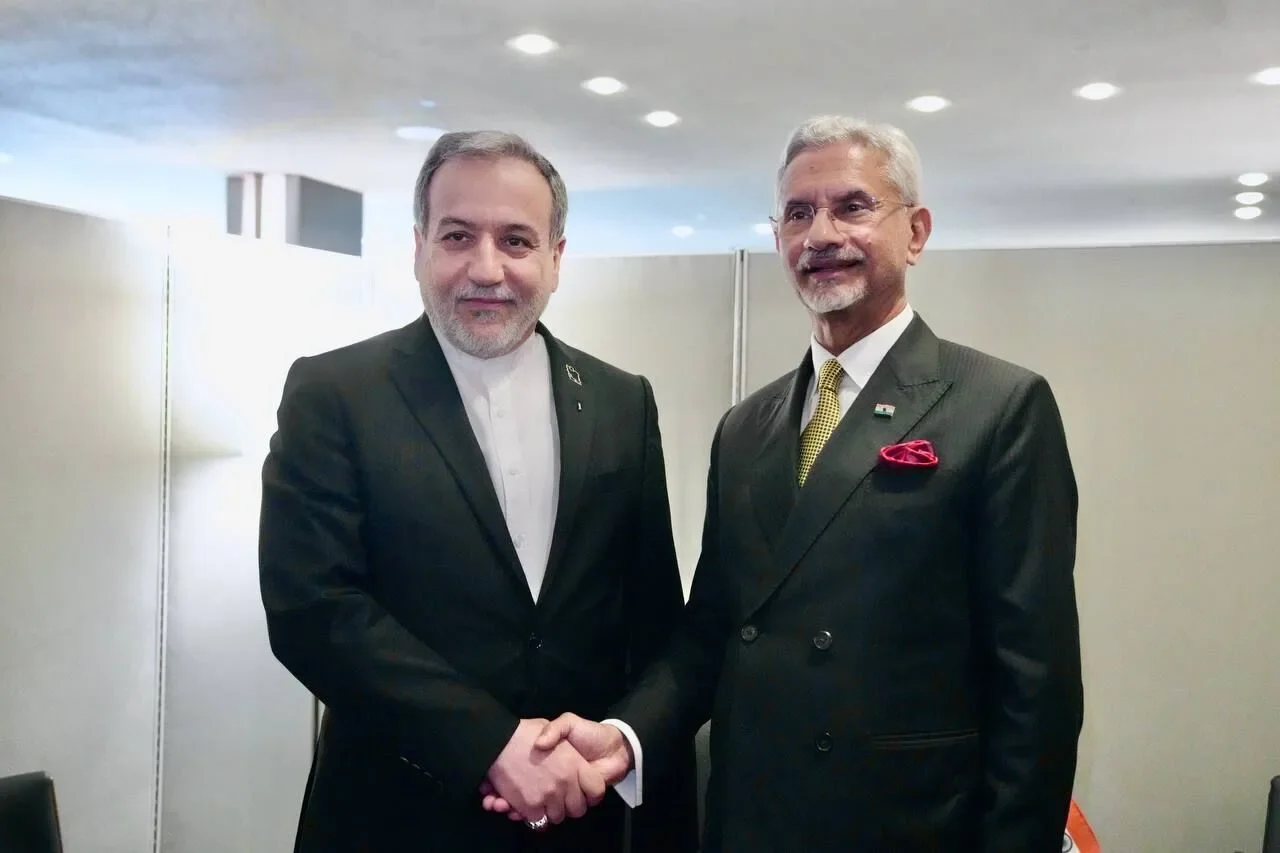
Iranian Foreign Minister Abbas Araghchi met with his Indian counterpart, Subrahmanyam Jaishankar, on the sidelines of the 81st UN General Assembly session in New York. The meeting comes at a critical juncture for Tehran, as it seeks to diversify its economic partnerships and bypass unilateral Western sanctions. Araghchi emphasized during the talks that sustainable development must not be held "hostage" to coercion or political agendas. For the Iranian leadership, India remains a vital gateway, particularly through the development of the Chabahar Port and the International North-South Transport Corridor (INSTC), which aims to link Indian goods to Russian and European markets via Iran.
This diplomatic maneuvering is not just about logistics; it is a calculated effort to signal to the domestic market that Tehran still has powerful non-Western allies. By engaging with India—a country that maintains a delicate balance between its ties with Washington and its energy needs from the Middle East—Iran hopes to secure long-term investment commitments. For the average Iranian citizen, these high-level meetings are often viewed through the lens of currency stability. Historically, successful diplomatic outreach at the UNGA has a psychological effect on the Tehran bazaar, providing a temporary reprieve from the speculative pressure that often drives the Rial lower.

Regional Instability and the 'Perpetual War' Warning
While diplomats talk trade in New York, the shadow of regional conflict looms large over the global economy. A recent analysis from Chatham House, discussed by Senior Consulting Fellow Yossi Mekelberg, warns that without a fundamental "reboot" of relations between Israelis and Palestinians, the region faces a state of perpetual war. Mekelberg argues that defining the future solely through military operations and territorial control is unsustainable. This sentiment resonates deeply within the financial markets, where the lack of a clear political endgame in the Middle East continues to drive investors toward safe-haven assets like gold.
In Tehran, this regional tension is the primary driver behind the persistent rise in gold prices, even when the US Dollar remains relatively stable. The 18k gold gram in Iran rose from 23,731,474 to 23,955,399 Toman (+0.9%) over the last 24 hours. This decoupling—where gold rises despite a slight dip in the dollar—suggests that local investors are hedging against the risk of a wider regional conflagration. As long as the diplomatic route remains blocked and the threat of escalation persists, the "war premium" on gold is likely to remain a permanent fixture of the Iranian economic landscape.
Market Pulse: USD Dips While Gold Hits New Local Highs
The Tehran currency market showed a rare moment of relative calm this Saturday, with the US Dollar sell rate moving from 233,700 to 233,000 Toman, a modest decrease of 0.3%. This cooling is largely attributed to the "UNGA effect," where the presence of the Iranian delegation in New York and reports of various sideline meetings create a sense of cautious optimism among traders. However, the Emami coin also saw a slight correction, falling from 240,000,000 to 238,500,000 Toman (-0.6%), indicating that some traders are taking profits after the recent aggressive rally.
In the digital asset space, Bitcoin (BTC) is currently trading at $84,066, maintaining its position as a dominant alternative for Iranian investors seeking to escape local currency volatility. The crypto market remains a vital escape valve for the Iranian middle class, though it is not immune to the same global geopolitical pressures affecting traditional markets. As the UNGA continues, the market will be hyper-sensitive to any headlines regarding the "7-day deal" for the Strait of Hormuz or any shifts in the US stance toward renewed negotiations. For now, the sentiment is one of watchful waiting, with the floor for the Rial being tested by every new diplomatic statement.
---
Global Regulation: Brazil Bans Sports Betting
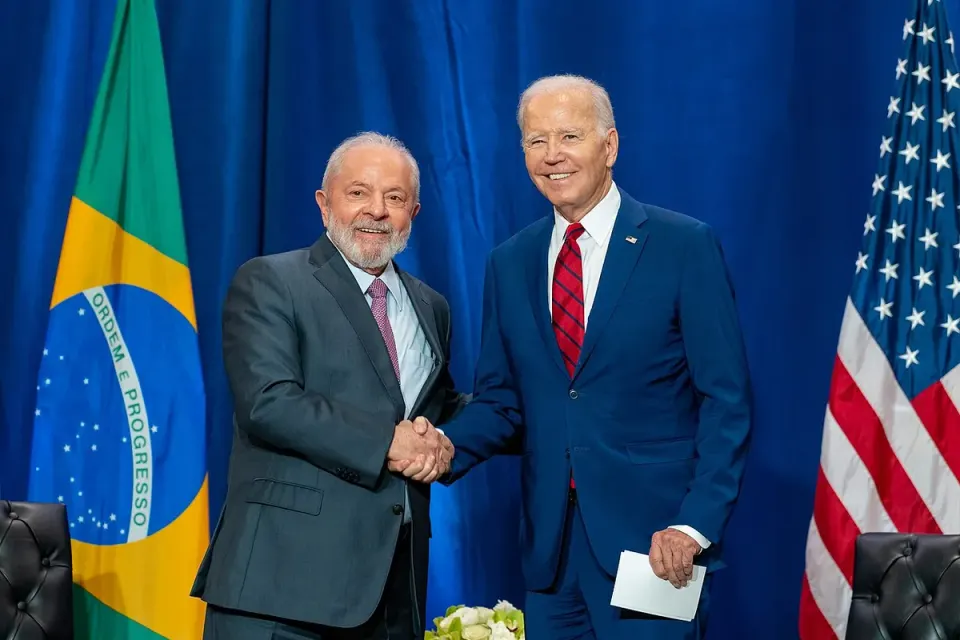
In a move that has caught the attention of global market observers, Brazilian President Luiz Inácio Lula da Silva has signed an order banning fixed-odds sports betting just a week before the national elections. Lula described the measure as a "hard, drastic, and necessary" step to prevent Brazilian families from falling into a spiral of debt. The ban covers the operation, offering, and advertising of all such betting services. This policy shift highlights a growing global trend where governments are stepping in to regulate digital financial products that are deemed predatory or destabilizing to the social fabric.
For Iranian readers, the Brazilian situation offers a parallel to the debates surrounding unregulated financial platforms and the risks of digital gambling. While Iran has strict laws against traditional gambling, the rise of various "online gaming" and speculative crypto-schemes has created similar social pressures. Brazil's decision to prioritize household financial health over the tax revenue generated by the betting industry is a significant political statement. It serves as a reminder that even in large, market-driven economies, the state is increasingly willing to intervene when digital financial trends threaten to cause widespread economic distress among the lower and middle classes.
Frequently Asked Questions
Why is gold rising in Iran while the dollar is slightly falling?
What is the significance of the India-Iran meeting for the economy?
Why did Brazil ban sports betting and does it affect markets?
The International North-South Transport Corridor (INSTC) and Chabahar Port
The news headline referencing "India Iran trade corridor" and "Chabahar Port development" points to a pivotal concept in international trade and geopolitics: the International North-South Transport Corridor (INSTC). The INSTC is not just a single route but a multi-modal network of ship, rail, and road routes spanning 7,200 kilometers, designed to connect India, Iran, Afghanistan, Azerbaijan, Russia, Central Asia, and Europe. Its primary goal is to reduce transit time and costs for freight movement by offering a significantly shorter and more efficient alternative to traditional maritime routes, such as the Suez Canal.
Strategically, the INSTC holds immense importance, particularly for India. It provides India with a crucial pathway to access the resource-rich markets of Central Asia and Russia, bypassing Pakistan and offering a more direct and cost-effective trade artery. For Iran, it solidifies its position as a major transit hub, leveraging its geographical advantage at the crossroads of East and West. The corridor aims to foster greater economic integration among its member states, potentially boosting trade volumes, diversifying supply chains, and enhancing regional stability by creating mutual economic dependencies.
At the heart of the INSTC's vision lies the Chabahar Port in southeastern Iran. This deepwater port, developed with significant Indian investment, is a cornerstone of the corridor. It grants India direct sea access to Afghanistan and Central Asia, circumventing the need to traverse Pakistani territory, which has historically been a point of contention. Chabahar's strategic location on the Gulf of Oman makes it an invaluable gateway, not only for commercial goods but also for humanitarian aid to landlocked Afghanistan, further cementing its role as a critical node in regional connectivity.
The development and operationalization of the INSTC, with Chabahar as a key component, are expected to bring substantial economic benefits. Reduced shipping times (estimated to be cut by 30-40% compared to the Suez Canal route) and lower logistics costs can significantly enhance the competitiveness of goods traded between these regions. This economic efficiency can stimulate investment, create jobs, and potentially influence currency stability in participating nations by increasing trade revenues and foreign exchange inflows, thereby impacting local market dynamics like the USD/IRR exchange rate and gold prices in markets such as Tehran.