UK Security Alert: Terror Plot Near Iran-Ops Base Triggers 1.8% Jump in Tehran USD Rates
هشدار امنیتی در بریتانیا: خنثیسازی توطئه تروریستی علیه پایگاه عملیاتی ایران و جهش ۱.۸ درصدی دلار
Five men have been arrested near RAF Fairford, a strategic base used for US-led operations against Iran, as counter-terrorism police investigate a major security incident. The news has sent shockwaves through the Tehran currency market, with the USD rising 1.8% to 240,100 Toman within 24 hours.
At time of publishing
USD
240,100
Toman
Gold 18K
24.02M
Toman / gram
Bitcoin
$82,916
US Dollar
Tether
240,014.524
Toman
Counter-Terror Operation at RAF Fairford: High-Stakes Security Breach
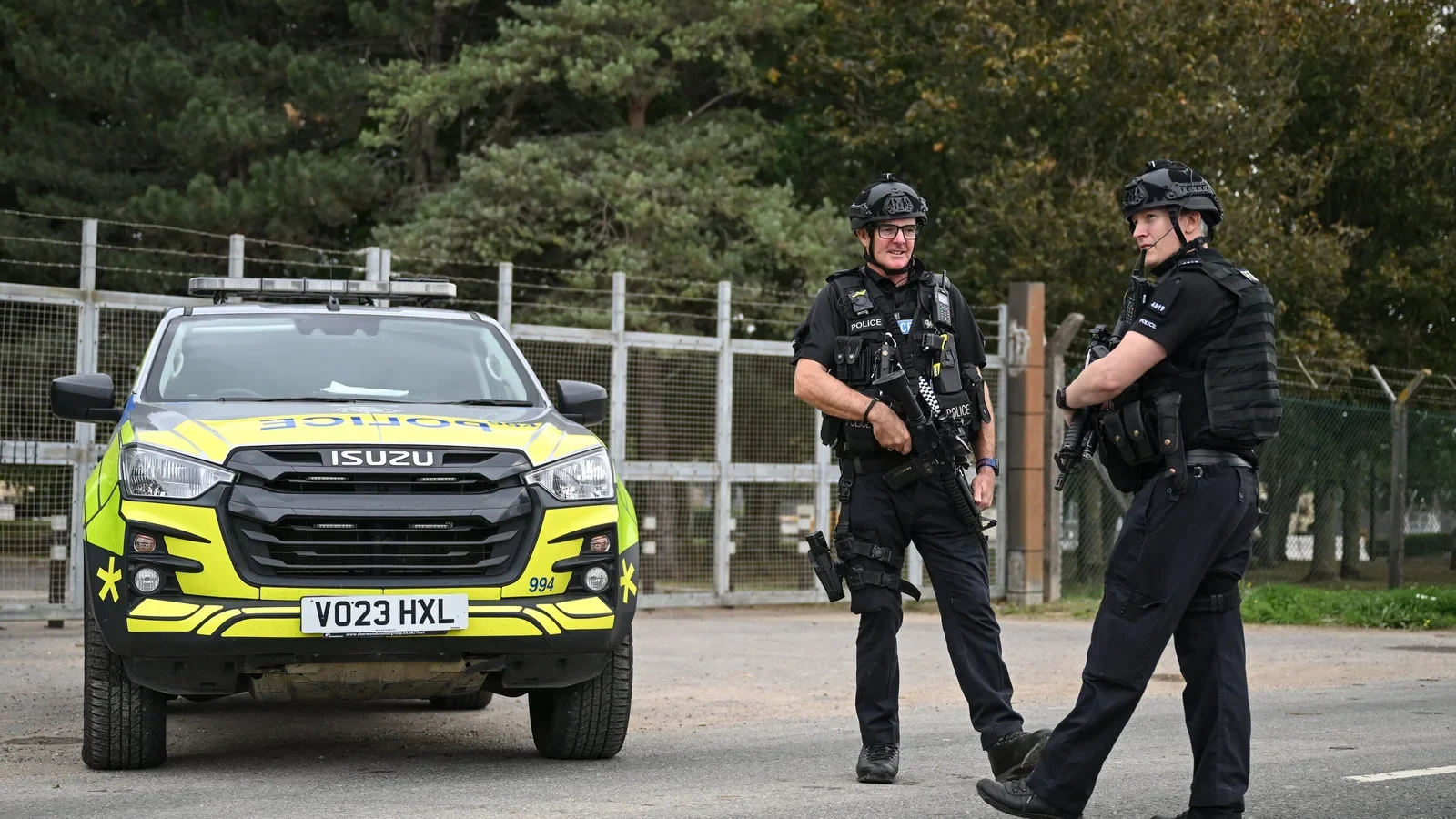
British counter-terrorism police have arrested five men near RAF Fairford, a critical military installation in Gloucestershire used extensively by the United States Air Force for strategic operations, including those directed toward Iran. The arrests occurred on Sunday as the suspects approached the base, leading to an immediate security lockdown and a large-scale investigation. While official details remain sparse, the timing and location of the incident are particularly sensitive given the base's role as a primary hub for B-52 bombers and other long-range assets frequently deployed in Middle Eastern theaters.
This incident is being treated with the highest level of urgency by UK authorities, who are currently interrogating the suspects to determine if they were part of a domestic cell or acting on behalf of foreign interests. For the Iranian public, the security of RAF Fairford is not a distant concern; it is a barometer of the 'gray zone' conflict between the West and Tehran. Any threat to the infrastructure from which Western air power is projected into the Persian Gulf region inevitably leads to heightened military readiness and, consequently, economic volatility within Iran.
Tehran Market Reaction: USD Breaches 240,000 Toman Amid Tensions
The immediate fallout from the security alerts in Europe and renewed fighting in the Middle East has manifested in the Tehran currency markets. In the last 24 hours, the USD sell rate rose from 235,800 to 240,100 Toman, a significant 1.8% increase that reflects growing anxiety among local traders. This jump is not merely a technical correction but a direct response to the perceived risk of escalation. When strategic assets like RAF Fairford are targeted, the market anticipates a potential shift from shadow warfare to more direct confrontation, prompting a flight to the safety of hard currency.
Gold and coin markets have followed suit, albeit with slightly less velocity. The Emami coin rose from 240,500,000 to 242,500,000 Toman (+0.8%), while 18k gold remained relatively stable at 24,024,654 Toman per gram. Investors are closely watching the $83,000 support level for Bitcoin, which currently sits at $82,916. The convergence of geopolitical risk and high global yields is putting immense pressure on risk assets, making the Toman's depreciation a central concern for Iranian households looking to preserve their purchasing power.
Regional Escalation: Oil Rebounds as Yemen Conflict Intensifies
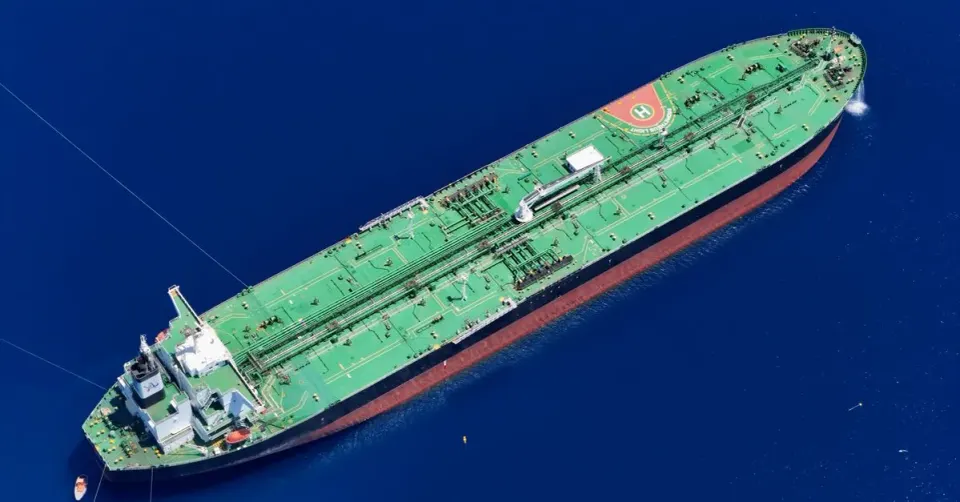
While security forces in the UK manage domestic threats, the situation on the ground in the Middle East remains volatile. Middle East oil exports have rebounded to 12.8 million barrels per day (bpd) this month, according to Kpler data. This surge is largely driven by Saudi Arabia, which has cleverly redirected its crude flows toward the East by utilizing ship-to-ship transfers in the Gulf of Oman. This logistical shift allows exporters to bypass some of the traditional chokepoints that have become increasingly dangerous due to regional instability.
However, the human cost of this geopolitical maneuvering is rising. In Yemen, renewed fighting between Iran-aligned Houthi forces and the Saudi-backed government has shattered a four-year period of relative calm. Reports from Taiz describe children being forced to abandon their education to work as their villages become frontlines once again. For the global economy, this means that despite the rebound in oil volume, the 'risk premium' on every barrel remains high. The instability in Yemen directly threatens the shipping lanes of the Red Sea, ensuring that energy prices—and by extension, global inflation—remain sensitive to every tactical development on the ground.
UK’s 'New Age of Industrialisation' and the Global Arms Race
In a move that signals a long-term shift in Western strategy, UK Chancellor John Healey is set to announce a "new age of industrialisation" at the Labour conference. This plan focuses heavily on boosting British shipbuilding and maintaining the nation's fleet of nuclear submarines on the Clyde. While framed as an economic policy to revitalize industrial heartlands, the subtext is clear: the UK is preparing for a sustained period of global military tension. By investing in floating docks and advanced manufacturing, London is signaling that its defense commitments are not temporary measures but a permanent feature of its new economic model.
This shift toward a 'war economy' stance in Europe has direct implications for Iran. As Western nations prioritize defense spending and domestic military production, the window for diplomatic de-escalation narrows. The Shadow Chancellor has criticized these moves as "reheated announcements," yet the underlying trend of re-armament is undeniable. For Iranian policymakers and citizens alike, this suggests that the international environment will remain hostile and sanctioned for the foreseeable future, making domestic economic resilience and the management of currency volatility more critical than ever.
Watch
5 terror arrests at airbase used by US bombers - possible Iran link investigated | BBC News
BBC News
Frequently Asked Questions
Why is RAF Fairford significant for Iran?
What caused the 1.8% spike in the USD/IRR rate today?
How is Saudi Arabia maintaining high oil exports despite regional tension?
Geopolitical Risk and Currency Valuation
The news headline highlights a crucial economic concept: the direct link between geopolitical risk and currency valuation. Geopolitical risk refers to the potential for political instability, international conflicts, and security threats to disrupt global affairs and financial markets. When a security alert related to a sensitive region, such as the Middle East, emerges, even if geographically distant, it can send ripples through financial systems, particularly affecting the currencies of nations perceived to be at the heart of the tension.
Increased geopolitical uncertainty erodes investor confidence. This often triggers a flight to safety, where investors move their capital out of assets perceived as risky (like local stocks or bonds in affected regions) and into more stable, universally accepted assets, such as the U.S. dollar or gold. For countries already facing economic pressures or international sanctions, like Iran, this effect is amplified. The demand for foreign currency, especially the dollar, surges as both businesses and individuals seek to protect their wealth from potential devaluation or facilitate international transactions in a more stable medium.
This heightened demand for foreign currency, coupled with a reduced willingness to hold the local currency, directly leads to its depreciation. The 1.8% jump in Tehran USD rates mentioned in the headline signifies that the Iranian Rial lost value against the U.S. dollar. This phenomenon is a clear illustration of how non-economic factors—like security alerts or regional tensions—can have immediate and tangible economic consequences, making a nation's currency a barometer of its perceived stability and future economic outlook.