Iran Hails Nasrallah, Swiss Neutrality Rejected, UK Terror Plot Foiled
ایران نصرالله را ستود، سوئیس بیطرفی را رد کرد، توطئه تروریستی در بریتانیا خنثی شد
Iran's Foreign Ministry has lauded Hezbollah leader Hassan Nasrallah as a model of courage, while Swiss voters have rejected stricter neutrality laws. Meanwhile, British police have arrested five individuals in connection with a foiled terrorist plot near RAF Fairford.
At time of publishing
USD
235,600
Toman
Gold 18K
23.90M
Toman / gram
Bitcoin
$84,573
US Dollar
Tether
236,061
Toman
Iran Honors Nasrallah, Links Strait of Hormuz to US Actions
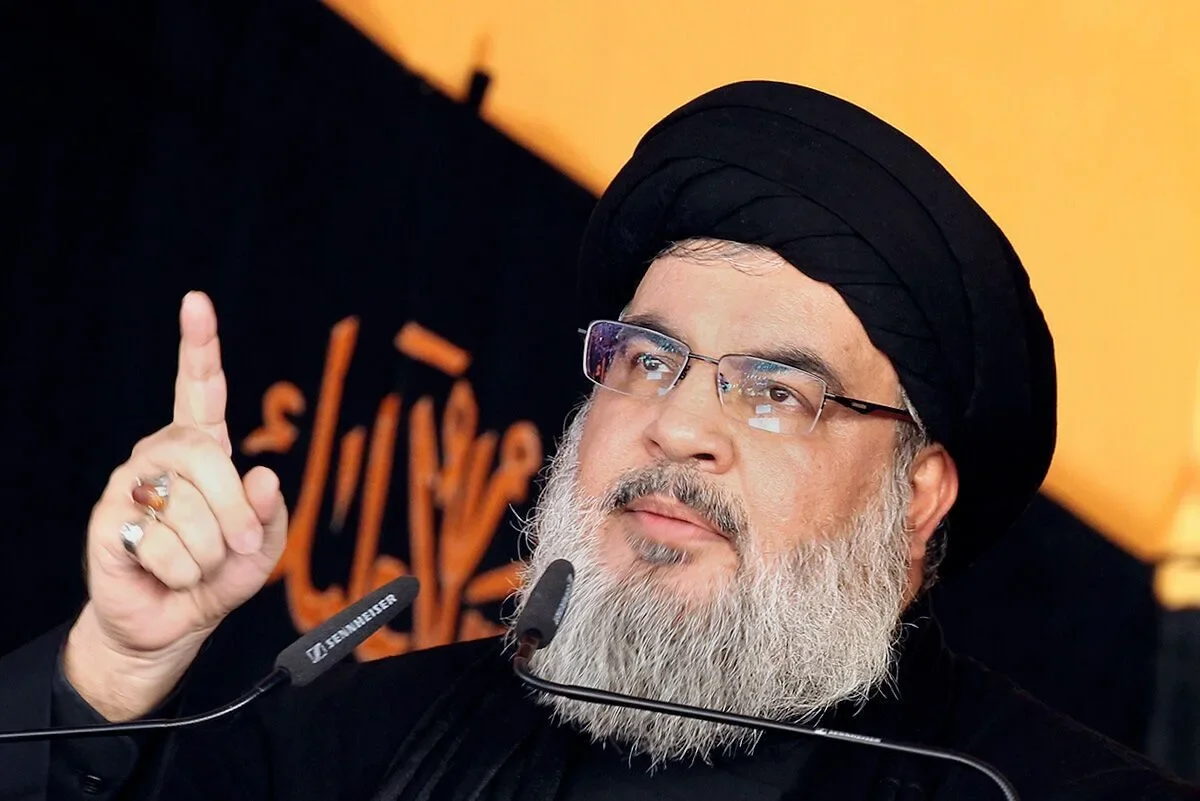
Iran's Ministry of Foreign Affairs has issued a statement praising the late Hezbollah Secretary-General Seyyed Hassan Nasrallah, describing him as a "unique model of courage and foresight in confronting occupation." This tribute, reported by IRNA, comes at a time of heightened regional tensions and Iran's ongoing diplomatic maneuvers. The ministry's statement positions Nasrallah as an exemplary figure for resistance against perceived foreign aggression.
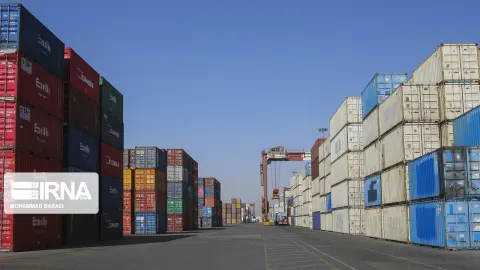
In parallel, Iranian Foreign Minister Abbas Araghchi stated that the reopening of the Strait of Hormuz hinges on the United States fulfilling specific conditions previously conveyed through intermediaries. While details of these conditions remain undisclosed, Araghchi's remarks suggest a linkage between regional maritime security and broader US-Iran relations. The Judiciary Chief, Gholamhossein Mohseni-Ejei, also claimed that Iran had successfully thwarted an enemy's "naval blockade calculations," implying that essential goods continue to reach the country despite external pressures. These statements collectively aim to project an image of Iranian resilience and strategic control amidst international scrutiny.
---
Swiss Voters Reject Stricter Neutrality, Favoring NATO Ties
In a significant foreign policy decision, Swiss voters have overwhelmingly rejected a proposal to enshrine stricter neutrality rules into their constitution. The referendum, which saw approximately 70% of voters and all cantons oppose the measure, would have compelled Switzerland to curtail cooperation with NATO and cease participating in sanctions against nations like Russia. The proposal was primarily championed by the far-right Swiss People's Party (SVP), who argued that current neutrality was being eroded.
The decisive rejection signals a clear preference among the Swiss electorate for maintaining their existing approach to international engagement, which allows for participation in sanctions and closer ties with alliances like NATO, albeit without full membership. This outcome is likely to be welcomed by Western allies who have sought broader international cooperation in response to geopolitical challenges. For markets, this vote reduces uncertainty surrounding Switzerland's foreign policy alignment and its role in global security discussions, potentially bolstering its appeal as a stable financial hub.
---
UK Terror Plot Foiled Near RAF Fairford; Five Arrested
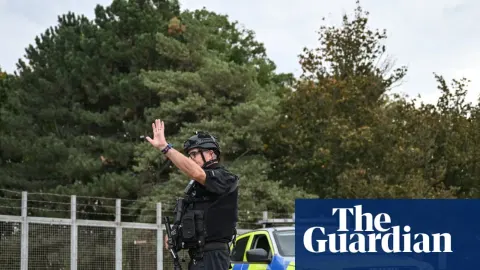
British authorities have arrested five men on suspicion of preparing a terrorist act following a major counter-terrorism operation near RAF Fairford in Gloucestershire. Homes were evacuated, and army bomb disposal experts were deployed to examine vehicles as part of the incident, which police have described as contained. RAF Fairford is a key base utilized by the US Air Force for operations, including strikes against Iranian missile sites impacting shipping in the Strait of Hormuz.
The arrests, made under the Explosives Act, raise concerns about potential threats to critical infrastructure and international security cooperation. US Air Force personnel at the base have been placed on high alert. While the specific targets or motivations behind the alleged plot remain under investigation, the timing and location underscore the sensitive geopolitical environment. This development highlights the persistent threat of terrorism and the operational challenges faced by security forces in safeguarding sensitive military installations, particularly those involved in international defense operations.
---
Vitalik Buterin Envisions Ethereum's Evolution Beyond Blockchain
Ethereum co-founder Vitalik Buterin has outlined a ambitious vision for the cryptocurrency's future, predicting significant architectural shifts by 2030. In a recent post, Buterin stated that Ethereum is "really not just a blockchain anymore," suggesting a move towards a more complex ecosystem capable of handling a wider array of functions without burdening every node with repetitive computations. This evolution aims to enhance scalability and efficiency.
Buterin's roadmap emphasizes the development of technologies that allow Ethereum to perform more sophisticated tasks, potentially integrating diverse computational processes. This strategic direction could position Ethereum as a more versatile platform, extending its utility beyond traditional cryptocurrency transactions. The implications for the broader crypto market are substantial, as such advancements could drive wider adoption and new use cases, potentially impacting the value and utility of ETH and related decentralized applications. The market sentiment around ETH remains closely tied to such developmental milestones, with investors keenly watching for progress in achieving this long-term vision.
---
Market Snapshot: Toman Steady Amidst Regional Posturing
The Iranian Toman has shown relative stability in the sell market, with USD trading at 235,600 Toman. This steadiness occurs against a backdrop of significant geopolitical pronouncements and regional security operations. Gold prices also saw a slight uptick, with 18k gold per gram rising by 0.2% to 23,899,995 Toman, and the Emami coin appreciating by 0.8% to 240,500,000 Toman over the last 24 hours.
These market movements, while modest, reflect a cautious sentiment. The currency's stability could be attributed to a combination of factors, including central bank interventions and a degree of public expectation management. The slight rise in gold prices, a traditional safe-haven asset, might indicate underlying investor concern about regional instability or future economic pressures. For Iranian citizens, the steady Toman and rising gold prices suggest a complex economic environment where holding onto tangible assets remains a prudent strategy amidst fluctuating global and regional uncertainties. The price of USDT in Toman also reflects the broader currency exchange rates, currently at 236,061 Toman.
Frequently Asked Questions
What is the significance of Iran's praise for Hassan Nasrallah?
Why did Swiss voters reject stricter neutrality rules?
What is the connection between RAF Fairford and the UK terror plot arrests?
How is Vitalik Buterin envisioning Ethereum's future?
What are the current market conditions for the Iranian Toman and gold?
The Enduring Concept of Neutrality and Its Modern Challenges
In the complex tapestry of international relations, neutrality stands as a fundamental concept, defining a state's decision not to take part in a war or conflict between other states. This isn't merely passive non-involvement; it often entails specific legal obligations under international law, such as impartiality towards belligerents and non-provision of military aid. The most iconic and historically successful example of this doctrine is Switzerland, whose neutrality has shaped its foreign policy for centuries.
Swiss neutrality, often termed 'armed neutrality,' dates back to the Congress of Vienna in 1815 and was solidified through two World Wars. It means Switzerland maintains a strong defense force to deter aggression, but it does not participate in foreign wars or military alliances. Beyond military non-alignment, Switzerland has historically cultivated a role as a diplomatic mediator and a host for international organizations, providing a neutral ground for dialogue and humanitarian efforts. This unique position has allowed it to navigate numerous global upheavals while largely preserving its sovereignty and stability.
However, the concept of strict neutrality, particularly the Swiss model, faces unprecedented challenges in today's interconnected and ideologically polarized world. The war in Ukraine, for instance, has forced many traditionally neutral nations to reconsider their positions. The imposition of sanctions against Russia, even by countries like Switzerland, tests the boundaries of impartiality, as economic measures, while not military, still constitute a form of engagement that can be seen as taking a side.
The headline's mention of "Swiss Neutrality Rejected" highlights this contemporary pressure. It suggests a growing international sentiment that in major global crises, absolute neutrality may be viewed as inadequate or even morally untenable by some actors. This isn't necessarily an abandonment of neutrality by Switzerland itself, but rather a reflection of external demands for clearer alignment and a re-evaluation of what neutrality means when global values and security are perceived to be at stake. The debate underscores a broader shift in international politics, where traditional lines of non-alignment are increasingly blurred.