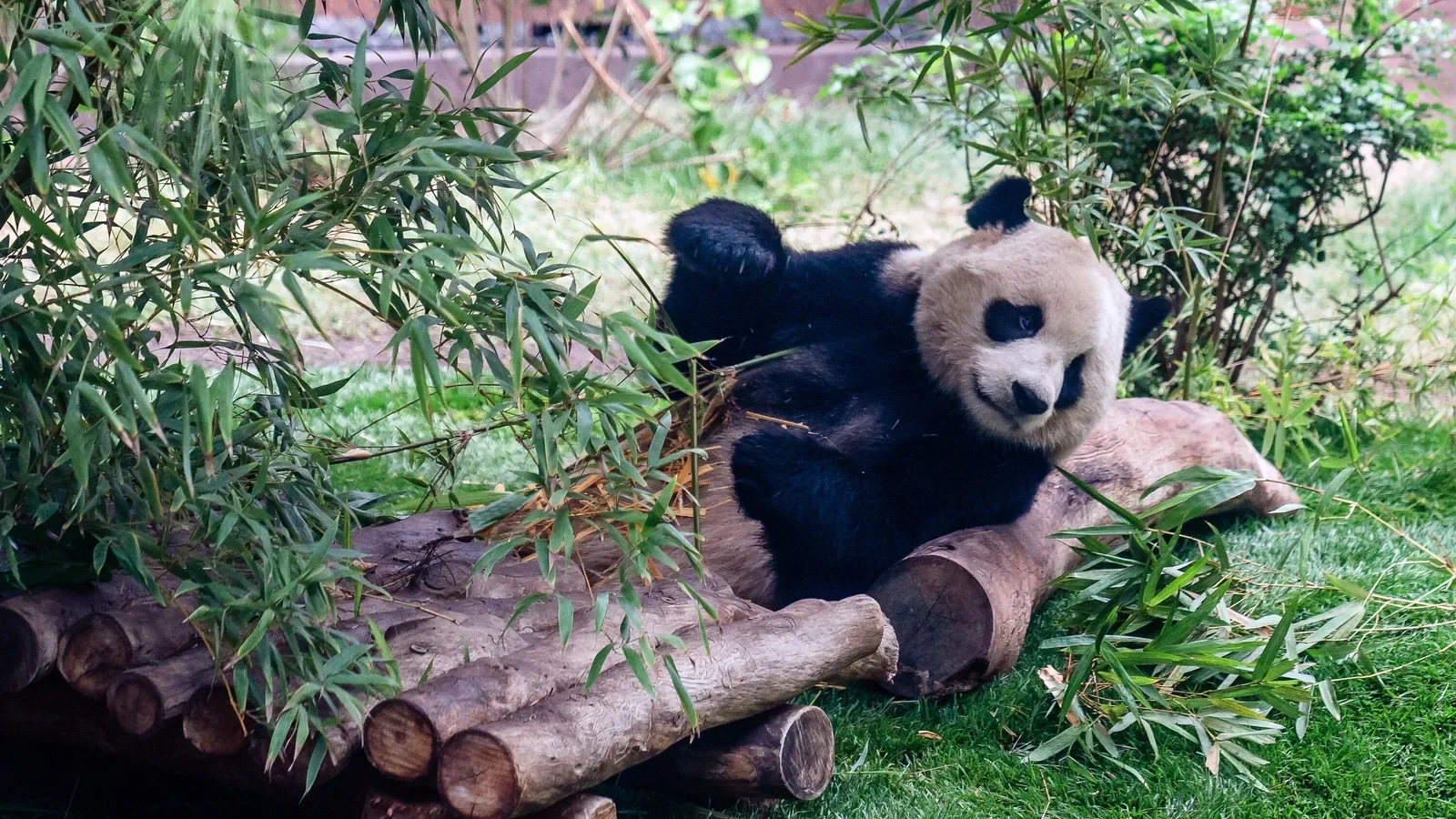
Panda Diplomacy Returns to Atlanta as Tehran Advances Strategic Hormuz Security Bill
بازگشت دیپلماسی پاندا به آمریکا و گام تازه مجلس ایران برای کنترل تنگه هرمز
China sends new 'envoys of friendship' to the US while Iran's parliament moves forward with a bill to regulate the Strait of Hormuz, as markets see a slight uptick in the Toman and gold prices.
At time of publishing
USD
235,900
Toman
Gold 18K
24.02M
Toman / gram
Bitcoin
$84,680
US Dollar
Tether
236,101
Toman
Soft Power and Furry Envoys: China’s Panda Diplomacy Lands in Atlanta
In a move that signals a tactical thaw in the symbolic dimensions of US-China relations, two giant pandas, Ping Ping and Fu Shuang, arrived in Atlanta this Sunday. This arrival follows an earlier promise by China’s leadership to dispatch "envoys of friendship" to the United States, a practice known as panda diplomacy that has been a cornerstone of Beijing's soft power for decades. While the broader geopolitical landscape remains fraught with tensions over semiconductor trade, Taiwan, and military posturing, the return of these icons suggests that both Washington and Beijing are still willing to maintain visible, non-contentious channels of cultural exchange.
The logistical feat of transporting these animals involves specialized aircraft and a team of veterinarians, reflecting the high stakes Beijing places on its biological ambassadors. For the city of Atlanta, the arrival is a significant boost to local tourism and conservation efforts, but for international observers, it serves as a barometer of the "temperature" of the bilateral relationship. When pandas were recalled from various US zoos in previous years, it was widely interpreted as a sign of deepening frostiness; their return, therefore, is being read as a cautious olive branch from President Xi Jinping's administration.

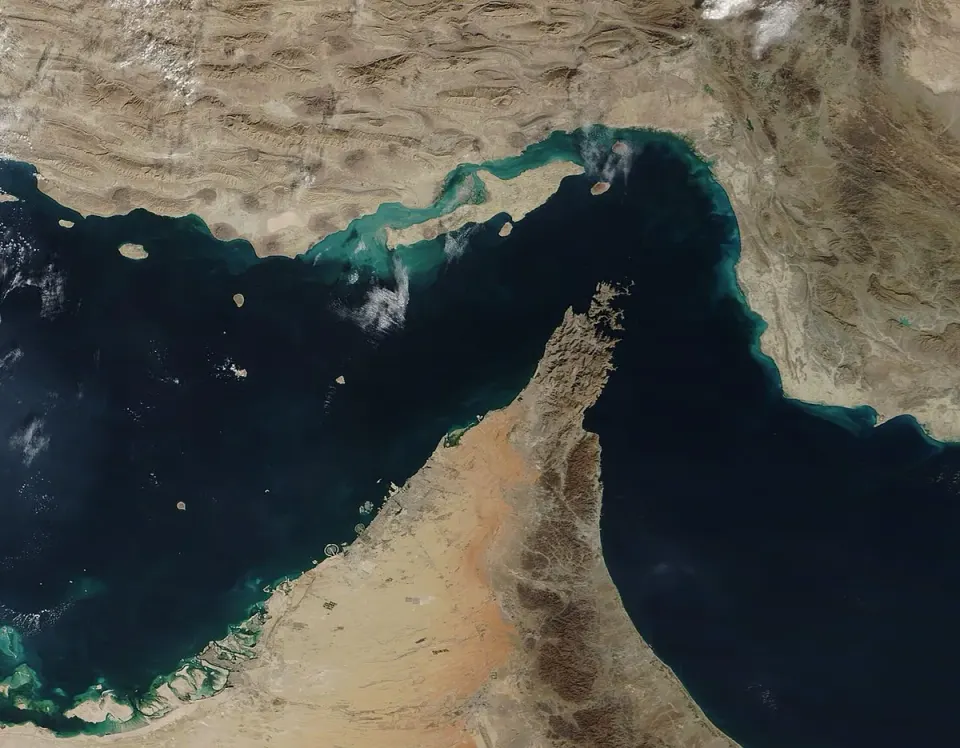
Tehran Moves to Codify Control Over the Strait of Hormuz
Closer to home, the Iranian Parliament’s National Security and Foreign Policy Commission has announced the completion of its review of the "Strait of Hormuz Security Bill." According to state-affiliated media, the bill is framed as a strategic measure to ensure "sustainable development" and security within the Persian Gulf and the vital waterway. This legislative push comes at a time of heightened regional friction, where Foreign Minister Abbas Araghchi recently characterized Iran's readiness for conflict in stark terms, suggesting the country is prepared even for extreme escalations if provoked.
What this means for the global economy is a potential shift in how maritime traffic is managed in one of the world's most critical energy chokepoints. If the bill moves toward implementation, it could grant the Iranian military or port authorities broader legal justifications for inspections, fees, or restrictions on international shipping. Such moves historically lead to immediate spikes in insurance premiums for oil tankers and volatility in the energy markets. For the domestic Iranian market, these geopolitical maneuvers often correlate with currency fluctuations; today, the USD/IRR rate moved from 234,700 to 235,900, marking a 0.5% increase as traders weigh the risks of renewed maritime tensions.
Security Breach at RAF Fairford and the Domestic Toman Market
In the United Kingdom, a significant security incident unfolded near RAF Fairford, a base frequently utilized by the US Air Force. Five men were arrested under the Terrorism Act after a local resident spotted a suspicious group in balaclavas near white vans in the early hours of Sunday. The incident, described by locals as "absolutely astonishing," highlights the high state of alert currently maintained at Western military installations. While the specific motives of the suspects remain under investigation, the event adds to a global atmosphere of heightened security risk, which often drives investors toward safe-haven assets like gold.
Reflecting this global anxiety, the Tehran gold market saw a modest rise today. The price of 18k gold per gram rose from 23,858,442 to 24,020,037 Toman (+0.7%), while the Emami coin increased from 238,500,000 to 240,500,000 Toman (+0.8%). These movements, though relatively small, indicate that the market is sensitive to both domestic legislative changes regarding the Strait of Hormuz and international security alerts. Meanwhile, in the US, internal political friction continues as Senator Thom Tillis publicly criticized Donald Trump's endorsement of Ken Paxton, calling it a "colossal mistake" that could jeopardize Republican control of a key Senate seat, adding another layer of uncertainty to the future of US foreign and economic policy.

Frequently Asked Questions
Why is China sending pandas to the US now?
How does the Hormuz Security Bill affect the Iranian economy?
What happened at RAF Fairford in the UK?
Understanding Panda Diplomacy: China's Unique Tool of Soft Power
Panda Diplomacy refers to China's unique practice of sending giant pandas to other countries, either as gifts or, more commonly in recent decades, as long-term loans. Far from being a simple act of goodwill, this strategy is a sophisticated instrument of foreign policy, leveraging the universal appeal of these charismatic bears to foster stronger diplomatic ties, enhance cultural exchange, and project China's soft power on the global stage. The presence of pandas often symbolizes a period of improving or stable bilateral relations between China and the host nation.
The roots of panda diplomacy stretch back to the Tang Dynasty, but its modern form began in the mid-20th century. During the Cold War era, China under Mao Zedong used pandas as state gifts to solidify alliances and acknowledge friendly nations, such as the famous pair sent to the United States in 1972 following President Nixon's historic visit. Over time, the practice evolved from outright gifts to 10-year loan agreements, typically involving significant fees ($1 million per pair per year) and clauses stipulating that any offspring born abroad remain China's property. This shift reflects a more commercial and conservation-focused approach, while still maintaining the diplomatic core.
The strategic objectives behind panda diplomacy are multifaceted. Beyond generating immense public enthusiasm and tourism revenue for the zoos, it serves as a powerful symbol of friendship and cooperation. It can facilitate scientific research into panda conservation, demonstrating China's commitment to biodiversity. More subtly, it can open doors for economic agreements, trade deals, or political concessions, acting as a goodwill ambassador that smooths over diplomatic friction or signals a desire for closer engagement. The 'return' of pandas, as mentioned in the headline, often indicates a recalibration or even a cooling of relations.
Ultimately, panda diplomacy is a testament to the enduring power of cultural diplomacy and the strategic use of national symbols. It allows China to engage with countries on a non-threatening, emotionally resonant level, creating a positive image that can underpin more complex geopolitical maneuvers. The presence of pandas in a nation's zoo is a tangible, living reminder of its relationship with Beijing, a subtle yet potent form of influence in an increasingly interconnected world.