Tehran-Beijing Pivot: Iran and China Forge 'Shared Future' Amid Escalating Security Tensions in Europe
محور تهران-پکن در سالگرد ۵۵ سالگی؛ از «آینده مشترک» تا سایه اتهامات امنیتی در اروپا
As Iran and China celebrate 55 years of diplomatic ties, a major security probe at a US-used airbase in the UK and renewed strike threats from Donald Trump have sent ripples through global markets.
At time of publishing
USD
235,900
Toman
Gold 18K
24.02M
Toman / gram
Bitcoin
$83,083
US Dollar
Tether
240,251
Toman
A 'Shared Future': Iran and China Mark 55 Years of Diplomacy
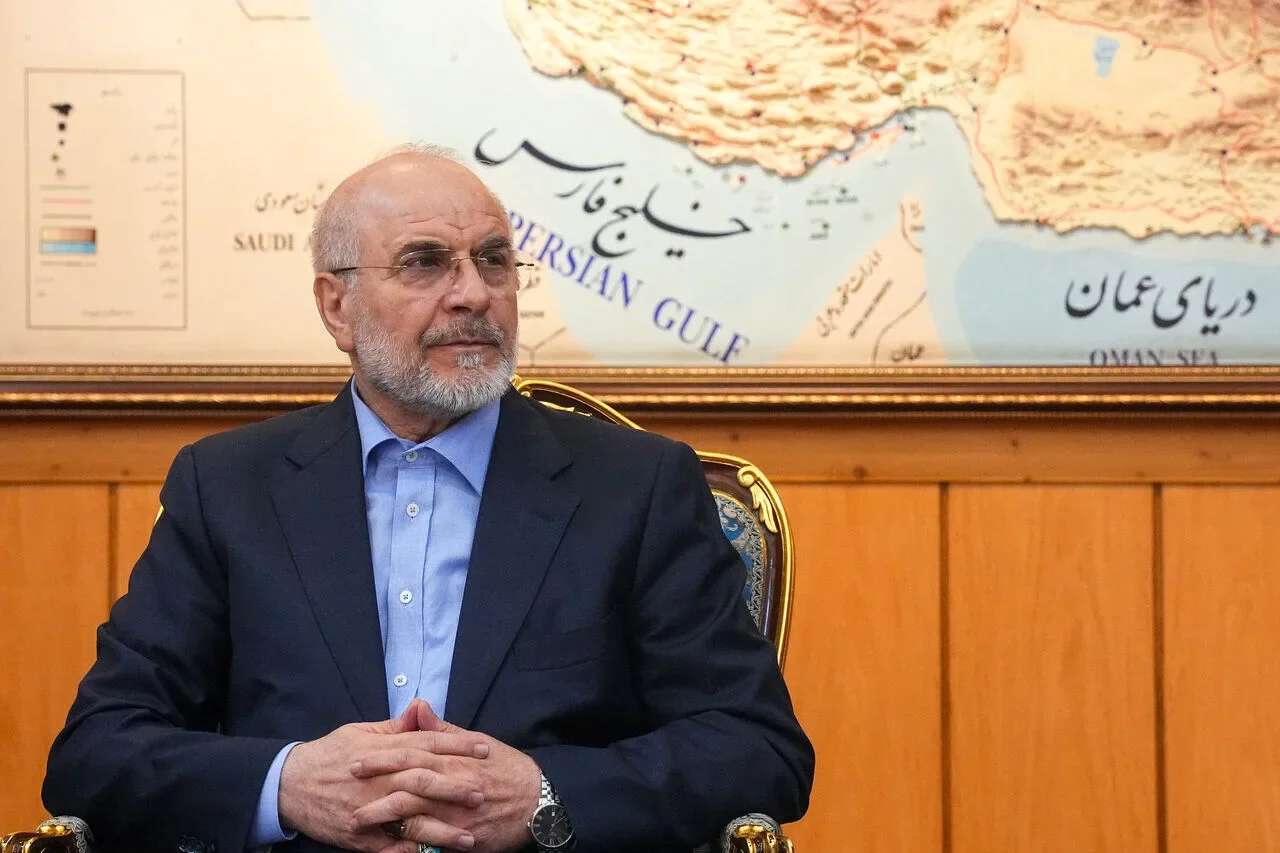
Iranian state media reported today that the Islamic Republic and the People’s Republic of China are celebrating the 55th anniversary of their formal diplomatic relations. This milestone is being framed by Tehran not merely as a historical commemoration, but as a strategic pivot toward a "shared future" in a rapidly changing international order. According to IRNA, the narrative being pushed by the government suggests that traditional Western-led international frameworks are no longer sufficient to govern the modern world, making the alliance between independent nations like Iran and China more critical than ever.
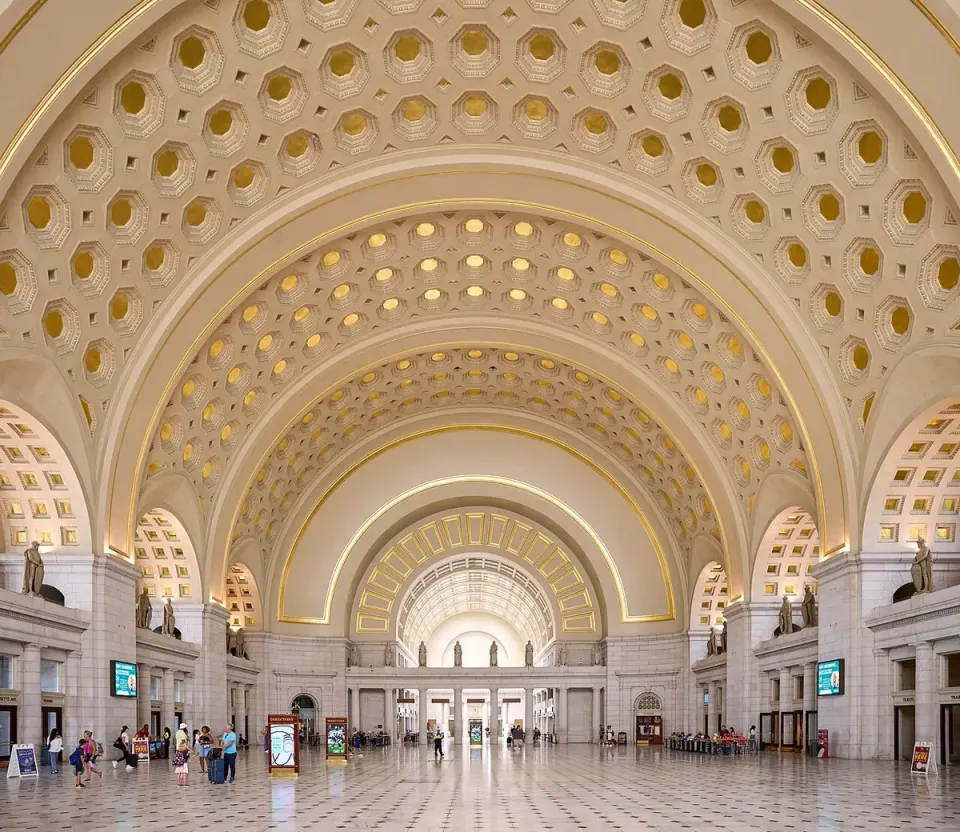
To mark the occasion, a ceremony was held at the University of Tehran on September 27, attended by the Minister of Science, Research, and Technology, Hossein Simaei. While the rhetoric focuses on cultural and academic exchange, the underlying reality is one of economic survival. China remains the primary lifelines for Iranian oil exports under heavy sanctions, and these high-level celebrations serve to signal to the West that Tehran’s "Look to the East" policy is deepening. For the average Iranian reader, this alignment is a double-edged sword: it promises a degree of economic stability through trade, yet cements a dependence on a single global superpower that often prioritizes its own broader geopolitical interests over local needs.
Security Escalation: Bomb Plot Probe at RAF Fairford
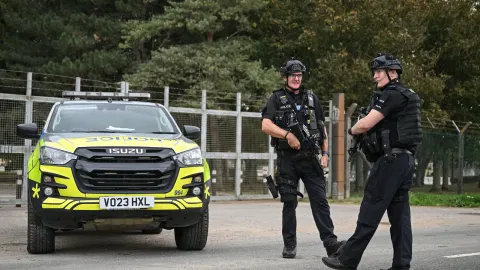
In a development that has captured the attention of international intelligence agencies, counter-terrorism police in the United Kingdom are currently investigating a suspected bomb plot at RAF Fairford in Gloucestershire. The base, which is frequently used by the United States military for strategic bomber operations, became the center of a major incident after five men were arrested. Investigators discovered what appeared to be improvised explosive devices (IEDs) in three vans parked near the facility. The Guardian reports that authorities are specifically looking into potential links to Iran, a claim that, if proven, would represent a significant escalation in clandestine operations on European soil.
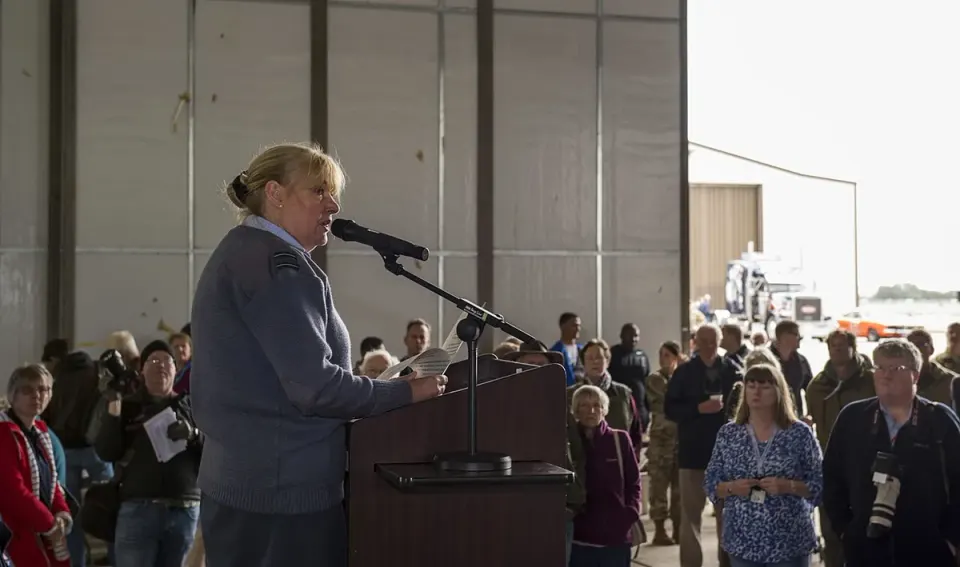
This security scare comes at a particularly volatile moment. Donald Trump, speaking on the campaign trail, recently refused to rule out additional strikes against Iranian targets before the upcoming midterm elections, despite suggesting that broader conflicts could end soon. The combination of suspected sabotage in the UK and aggressive rhetoric from Washington has created a climate of high uncertainty. For global observers, this suggests that the shadow war between Tehran and its adversaries is moving into a more direct and dangerous phase, potentially affecting maritime security and diplomatic backchannels that have remained open despite the tension.
Market Reaction: Gold Gains as Crypto and Tech Soften
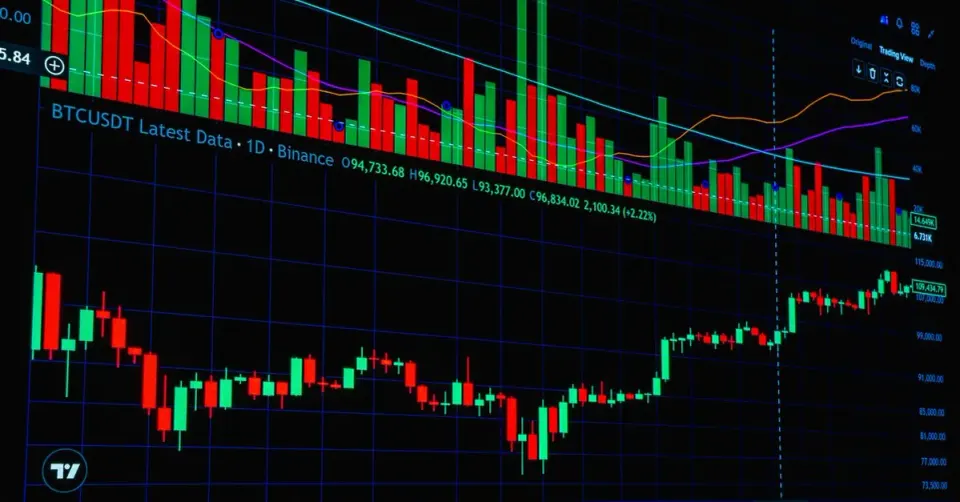
Financial markets have reacted with characteristic caution to the mix of geopolitical friction and shifting economic data. In Tehran, the USD/IRR remained relatively stable at 235,900, but the Emami gold coin saw a modest rise of 0.6%, moving from 240,500,000 to 242,000,000 Toman. This uptick reflects a classic flight to safety among domestic investors who are wary of the escalating rhetoric between Trump and Tehran. Meanwhile, Bitcoin has softened to $83,083, following a broader decline in Nasdaq futures as investors weigh the risks of a renewed Middle East conflict against the backdrop of cooling tech sentiment.
Beyond the immediate volatility, a broader economic debate is emerging regarding fixed-income assets. In the West, some savings accounts are now offering rates as high as 5.25%, the best returns in years. This presents a dilemma for global savers: lock in these rates now or wait for potential further hikes. For Iranians, however, the calculation is vastly different; with inflation far outstripping bank interest rates, the focus remains on hard assets like gold and stablecoins. The divergence between the stabilizing returns in developed markets and the high-stakes speculative environment in Iran highlights the ongoing disconnect between the global financial system and sanctioned economies.
Cultural Narratives: From the Sami People to Modern China
While high politics dominates the headlines, significant cultural shifts are being documented across the globe. In Sweden, a new exhibition at the Kin Museum in Kiruna is highlighting the historical and ongoing struggles of the Sami people. Based on the 1910 work of Johan Turi, the exhibition sheds light on the state-sponsored abuses and land disputes that Europe’s only recognized Indigenous group has faced for over a century. This focus on minority rights and historical reckoning in Europe stands in stark contrast to the state-driven cultural narratives elsewhere, such as in China, where the government has recently mandated that ninth graders read 'Jane Eyre' to emphasize themes of independence and equality—albeit within a strictly controlled educational framework.
These cultural stories matter because they reflect how nations manage their internal identities while projecting power externally. Whether it is Sweden confronting its past or China curating its future through Victorian literature, the way states treat their history and their people often predicts their long-term social stability. For an Iranian audience, these stories provide a window into how other nations navigate the tension between tradition and modernity, and how the struggle for recognition—whether by the Sami in Sweden or the youth in Tehran—remains a universal constant in a fragmenting world.
Frequently Asked Questions
Why is the 55th anniversary of Iran-China ties significant now?
What happened at RAF Fairford and how does it relate to Iran?
How did the gold market in Iran react to today's news?
China‑Iran Strategic Partnership: What It Means for Global Geopolitics
The term strategic partnership goes beyond a simple diplomatic nicety; it signals a deep, long‑term alignment of political, economic, and security interests between two states. In the case of China and Iran, the partnership has accelerated since the early 2020s as both nations face increasing pressure from the United States and its allies. China offers Iran a lifeline through investments, technology transfers, and a market for its oil, while Iran provides China with a reliable energy source, a foothold in the Middle East, and a partner that can help counterbalance U.S. influence in the region.
One of the most visible components of this partnership is Iran’s inclusion in China’s Belt and Road Initiative (BRI). The BRI is a massive infrastructure and trade network that seeks to connect Asia, Europe, and Africa via land corridors and maritime routes. By integrating Iranian ports such as Bandar Abbas and Chabahar into the BRI, China not only secures shorter routes for its energy imports but also creates a strategic alternative to the Strait of Hormuz, a chokepoint that the U.S. Navy frequently monitors. The development of rail links, free‑trade zones, and digital infrastructure in Iran further cements economic interdependence and reduces Tehran’s reliance on Western financial systems that are often subject to sanctions.
Security cooperation is another pillar of the partnership. While the two countries have not signed a formal mutual‑defence treaty, they have conducted joint naval exercises, shared intelligence on extremist groups, and coordinated diplomatic messaging at the United Nations. This collaboration is partly driven by a shared perception of great‑power competition: both Beijing and Tehran view the United States’ “pivot to Europe” and its increased military presence near their borders as a direct threat. Consequently, the partnership serves as a geopolitical hedge, allowing each side to project influence without overtly confronting the West.
The implications for global geopolitics are profound. Western analysts warn that a deeper China‑Iran alliance could reshape energy markets, alter supply‑chain routes, and complicate NATO’s strategic calculations in the Middle East and Central Asia. At the same time, the partnership offers Iran a degree of economic resilience that could blunt the impact of future sanctions, while giving China a reliable partner in a region traditionally dominated by U.S. interests. Understanding the mechanics of this strategic partnership helps explain why headlines now speak of a “shared future” between Tehran and Beijing, even as security tensions rise elsewhere in Europe.
For students of international relations, the China‑Iran strategic partnership illustrates how realist theory—the idea that states pursue power and security above all—plays out in contemporary diplomacy. It also underscores the importance of economic tools, such as infrastructure investment and trade corridors, as instruments of foreign policy in the 21st century.