Bitcoin Sinks Below $83k as Oil Surges on Stalled Iran Talks and UK Terror Plot
سقوط بیتکوین به زیر ۸۳ هزار دلار همزمان با جهش نفت؛ سایه تنشهای امنیتی بر بازار تهران
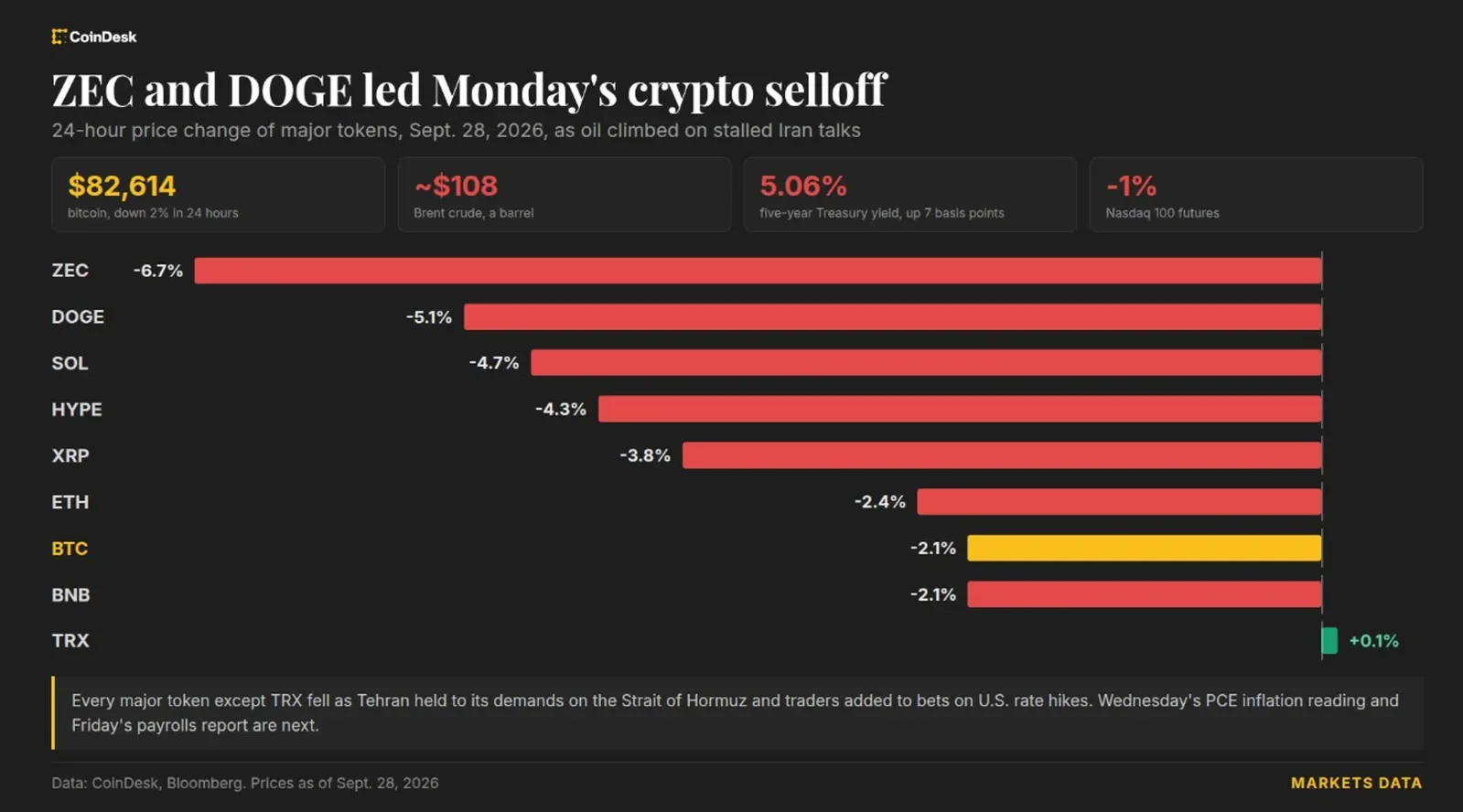
Bitcoin has slipped to $82,776 as geopolitical uncertainty peaks following Donald Trump's refusal to halt potential strikes on Iran. Meanwhile, Brent oil approaches $108 and the Iranian Toman faces a sharp 3.6% devaluation in a single day.
At time of publishing
USD
244,200
Toman
Gold 18K
24.46M
Toman / gram
Bitcoin
$82,776
US Dollar
Tether
244,543
Toman
Market Turmoil: Bitcoin Slips as Geopolitical Risk Peaks
Bitcoin has faced significant selling pressure in the last hour, dropping to $82,776 as traders react to a combination of stalling diplomatic talks and hawkish rhetoric from Washington. The decline coincides with a broader "risk-off" sentiment across global markets, driven largely by U.S. President Donald Trump’s refusal to commit to a permanent halt of military strikes against Iranian targets. This uncertainty has prompted a liquidity hunt, with investors moving out of volatile assets like cryptocurrencies and into traditional safe havens, though even those are being tested by the surging cost of energy.
The impact on the Iranian domestic market has been immediate and severe. While Bitcoin fell 1.7% in USD terms, the Iranian Toman saw a much sharper decline. The USD/IRR exchange rate moved from 235,800 to 244,200, representing a 3.6% jump in just 24 hours. For Iranian investors, this creates a complex dynamic: the value of their crypto holdings is dropping in global terms, but the rapid devaluation of the Toman means the local price of USDT has actually climbed to 244,543 Toman. This divergence highlights the extreme volatility currently facing the Iranian economy as it remains caught between global market trends and local currency instability.
Security Alerts: RAF Fairford Plot and Saudi Remote Learning
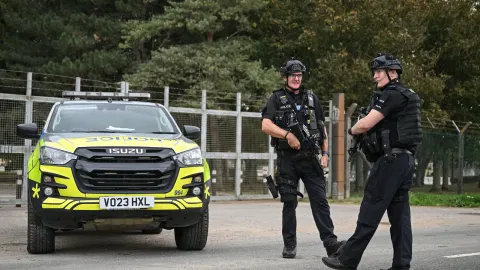
Geopolitical tensions have moved from rhetoric to tangible security threats this hour. In the United Kingdom, counter-terrorism police have arrested five men in connection with a suspected bomb plot targeting RAF Fairford. This base is critically significant as it serves as a primary hub for U.S. Air Force missions, particularly those focused on long-range operations in the Middle East. UK Defence Secretary Wes Streeting indicated that security services had been monitoring the group, suggesting a high-stakes intelligence operation was underway to prevent an escalation that could have drawn the U.S. and Iran into a more direct confrontation.
Simultaneously, the regional ripple effects are being felt across the Persian Gulf. Saudi Arabia has abruptly moved schools in Riyadh to remote learning for at least one week. While the official announcement cited logistical reasons, the move comes amid a surge in attacks by Iran-backed Houthi fighters in Yemen. This shift to a semi-emergency footing in the Saudi capital suggests that the risk of regional spillover is being taken extremely seriously by Gulf monarchies. For the global economy, these developments have pushed Brent crude oil toward the $108 per barrel mark, as the threat of supply disruptions in the Strait of Hormuz becomes a central concern for energy traders.
Tech & Global Shifts: Anthropic Retreats as Far-Right Surges in France
In the technology sector, the aggressive expansion of artificial intelligence infrastructure has hit a significant regulatory wall. Goodman Group has officially scrapped plans for a $1.2 billion data center in Sydney, Australia, known as "Project Mars." The developer cited "emerging" regulations from both state and federal governments as the primary reason for pulling the plug. This cancellation, coupled with Anthropic's decision to skip a Senate inquiry into AI and data centers, suggests a growing friction between the massive energy and land requirements of AI giants and the legislative frameworks of host nations. It marks a turning point where the "move fast and break things" era of AI infrastructure may be coming to an end.
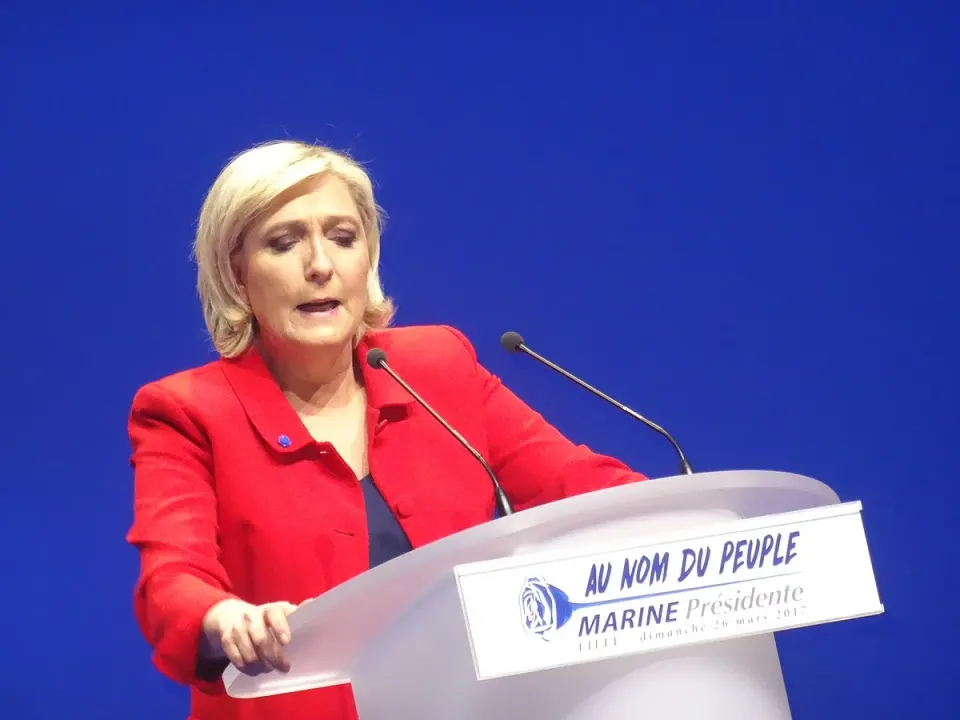
Politically, Europe is witnessing a major shift that could redefine its foreign policy toward the Middle East. In France, Marine Le Pen’s far-right National Rally has achieved what she calls a "historic victory" in partial Senate elections, securing enough seats to form an official caucus for the first time. This surge in right-wing populism often correlates with more isolationist or hawkish stances on international trade and security. As France moves closer to its 2027 presidential election, the strengthening of the National Rally suggests that European support for diplomatic de-escalation with Iran may weaken, further complicating the international effort to stabilize the region and its energy markets.
Frequently Asked Questions
چرا قیمت بیتکوین با وجود گرانی دلار در ایران کاهش یافت؟
ماجرای بمبگذاری در پایگاه هوایی بریتانیا چه ارتباطی به ایران دارد؟
علت اصلی جهش ۳.۶ درصدی قیمت دلار در تهران چیست؟
Geopolitical Risk and Its Impact on Global Markets
Geopolitical risk refers to the potential for political instability, conflicts, terrorism, and shifts in international relations to disrupt economic activity and investor confidence. Events such as stalled international negotiations, regional conflicts, or terror plots—like those alluded to in the headline—are prime examples of how such risks can rapidly ripple through global financial markets, creating uncertainty and influencing asset prices across the board.
The impact of geopolitical risk varies significantly across different asset classes. For commodities like oil, heightened geopolitical tension in key producing regions, such as the Middle East, often leads to a phenomenon known as a "fear premium." This occurs when traders and investors anticipate potential supply disruptions, even if not immediate, driving up prices. The surge in Brent oil prices mentioned in the headline can be directly attributed to such concerns, as the market prices in the increased risk of supply interruptions.
Conversely, riskier assets such as stocks and, in many scenarios, cryptocurrencies like Bitcoin, tend to react negatively. During periods of elevated global uncertainty, investors typically move away from assets perceived as volatile or speculative and seek "safe havens" like gold, certain government bonds, or strong reserve currencies. While Bitcoin has sometimes been championed as a hedge against traditional financial systems, its behavior often mirrors that of other risk assets, experiencing declines as global uncertainty rises and investors prioritize capital preservation.
Understanding geopolitical risk is therefore crucial for investors, policymakers, and businesses alike. These events are powerful drivers of market volatility, can significantly shift capital flows, and have profound implications for inflation, economic growth, and international trade. Monitoring and analyzing geopolitical developments are essential components of informed economic and investment decision-making in an interconnected global economy.
Topics
Related Articles