Somali Pirates Kill Tanker Crew; US Aviation Sanctions Harm Iran; Oil Flow Estimates Diverge
دزدان دریایی سومالی خدمه نفتکش را کشتند؛ تحریمهای هوایی آمریکا به ایران آسیب میزند؛ تخمین جریان نفت متفاوت است
Pirates off the Somali coast have tragically killed oil tanker crew members, prompting renewed concerns about maritime security. Meanwhile, the US is accused of jeopardizing Iran's civil aviation safety through ongoing sanctions, while major financial institutions diverge on estimates of Middle Eastern oil flow recovery. These events highlight persistent geopolitical risks and their impact on global energy and trade.
At time of publishing
USD
255,100
Toman
Gold 18K
25.32M
Toman / gram
Bitcoin
$83,275
US Dollar
Tether
255,011.735
Toman
Somali Pirates Kill Oil Tanker Crew Amid Resurgence of Piracy
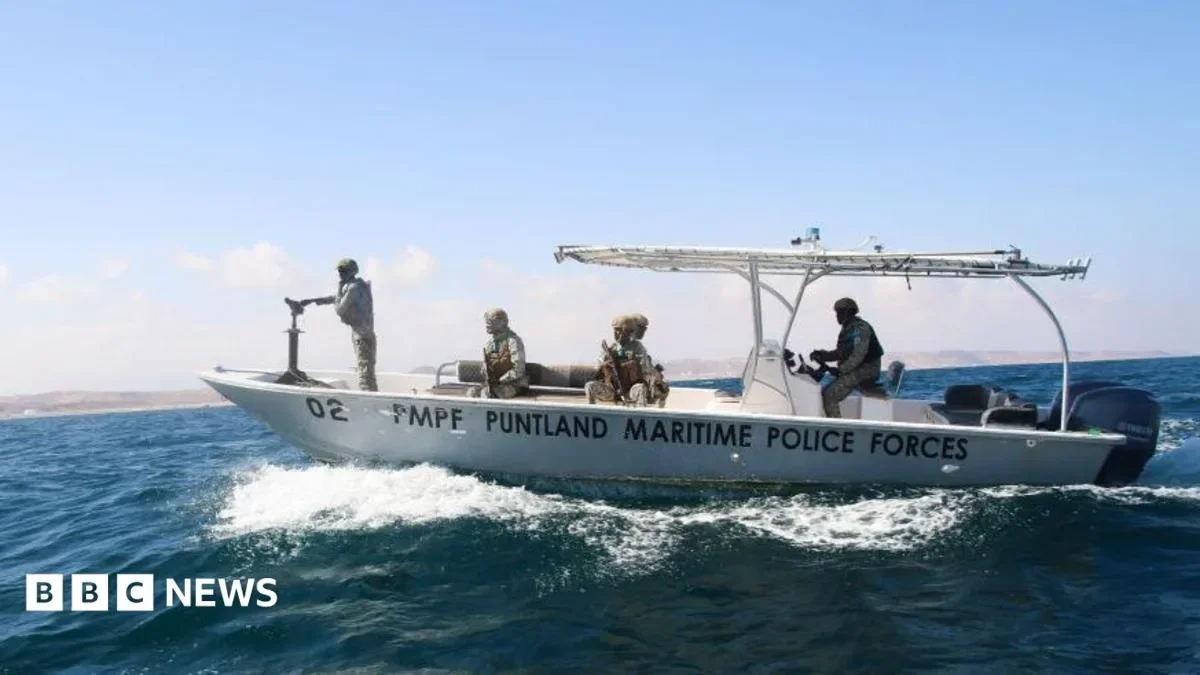
In a grim development highlighting the persistent threat of piracy, officials have confirmed to the BBC that Somali pirates killed members of an oil tanker's crew before a rescue operation could be completed. This incident marks a significant escalation after years of reduced activity in the region, which had seen a decline following the deployment of international naval patrols. The resurgence of piracy off the Somali coast is a stark reminder of the vulnerabilities in global shipping lanes, particularly for vital energy shipments.
This event underscores the fragile nature of maritime security in the Horn of Africa. While international efforts had previously managed to suppress piracy, the recent uptick suggests that these efforts may be insufficient or that the underlying socio-economic drivers of piracy have been exacerbated. The economic impact on shipping companies, insurance costs, and the potential for disruption to oil supplies are significant. This incident serves as a critical warning about the need for sustained and robust international cooperation to combat piracy and ensure the safety of seafarers and global trade routes.
---
US Aviation Sanctions Jeopardize Iranian Civil Aviation Safety
Iran's state news agency, IRNA, has reported that U.S. sanctions targeting the country's aviation sector are raising serious concerns about flight safety and the rights of ordinary citizens. Iranian officials argue that these sanctions, which restrict access to aircraft parts, maintenance, and technology, place passengers and crew at undue risk. The government contends that such measures unfairly penalize a population that relies on air travel for essential needs, including medical treatment, family visits, and education.
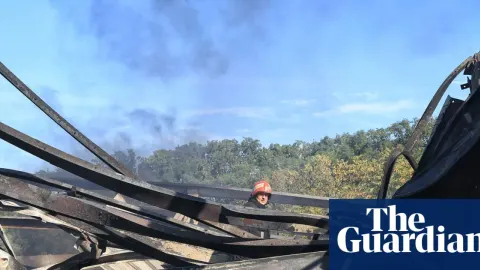
The U.S. maintains that its sanctions are aimed at pressuring the Iranian government, often citing national security concerns. However, critics, including Iranian authorities and international observers, argue that these broad sanctions have a disproportionate impact on civilian infrastructure and the general populace. The inability to access critical safety equipment and regular maintenance can lead to the deterioration of aging aircraft fleets, increasing the likelihood of accidents. This situation highlights a recurring dilemma in international sanctions policy: the challenge of targeting specific regimes without causing widespread humanitarian consequences.
---
Divergent Estimates on Middle East Oil Flow Recovery Amid Regional Tensions
Major financial institutions are offering conflicting assessments of the recovery in oil exports from the Middle East, a region already under intense scrutiny due to ongoing geopolitical tensions. While JP Morgan analysts project that September daily oil flows have recovered to nearly 98% of pre-war levels, with fuel exports also showing a significant ramp-up, other institutions offer more cautious outlooks. This divergence in estimates from influential players like Goldman Sachs and JP Morgan highlights the complexity and uncertainty surrounding the global oil market.
The differing perspectives stem from varying methodologies and data interpretations regarding export volumes, storage levels, and the impact of ongoing conflicts. JP Morgan's optimistic view suggests that the region's oil arteries are flowing robustly, potentially indicating a normalization of supply that could influence global price dynamics. Conversely, more conservative estimates may reflect concerns about potential disruptions, sanctions effectiveness, or the actual demand for Middle Eastern crude in a volatile global economy.
The implications of these divergent forecasts are significant for energy markets, inflation expectations, and broader economic sentiment. If Middle Eastern oil flows are indeed recovering strongly, it could exert downward pressure on oil prices, a factor that central banks worldwide are closely monitoring in their fight against inflation. However, any unexpected geopolitical flare-up or a reassessment of these recovery estimates could quickly shift market sentiment, leading to price volatility and renewed concerns about energy security, particularly for nations heavily reliant on imported oil. The situation in the Strait of Hormuz remains a critical barometer for these underlying market forces.
Frequently Asked Questions
What is the current status of piracy off the coast of Somalia?
How do US aviation sanctions affect Iran's civil aviation?
Why do financial institutions have different estimates for Middle East oil flow recovery?
What is the impact of these events on global oil prices?
The Multifaceted Impact of Economic Sanctions
Economic sanctions are powerful foreign policy tools employed by nations or international bodies to pressure target countries into changing specific behaviors, policies, or regimes. These measures typically involve restrictions on trade, finance, and other economic interactions, aiming to inflict economic pain and thereby compel compliance. A prominent contemporary example is the extensive set of U.S. sanctions against Iran, which have targeted various sectors, including its vital oil industry, financial institutions, and aviation. The headline's mention of "US Aviation Sanctions Harm Iran" directly illustrates one such sectoral impact.
The mechanisms of economic sanctions vary widely, from comprehensive trade embargoes that prohibit nearly all commerce to more targeted measures. These can include asset freezes on individuals or entities, restrictions on access to international financial systems (like SWIFT), bans on specific exports or imports (e.g., oil, technology, spare parts), and limitations on foreign investment. For instance, sanctions on Iran's aviation sector have severely restricted its access to crucial aircraft parts and maintenance services, raising concerns about safety and operational viability for its airlines.
While the primary intent of sanctions is to achieve political objectives by weakening the target state's economy, they often carry a complex web of intended and unintended consequences. On one hand, they can indeed limit a country's revenue streams, hinder its development, and create domestic discontent. On the other hand, sanctions can also lead to humanitarian crises, foster black markets, encourage illicit trade routes (as suggested by "Oil Flow Estimates Diverge"), and even strengthen the resolve of the targeted regime to develop self-sufficiency or seek alternative alliances. The impact on global markets, particularly for commodities like oil, can be significant, as supply disruptions or shifts in trade patterns affect prices and stability.
The effectiveness and ethical implications of economic sanctions remain subjects of intense debate among policymakers and academics. Critics often point to their potential for harming innocent civilians, their limited success in achieving stated political goals, and their capacity to destabilize regional and global economies. Proponents, however, argue that sanctions offer a non-military alternative to warfare, providing a crucial diplomatic lever in addressing international security concerns, human rights abuses, or nuclear proliferation. Understanding their intricate dynamics is essential for grasping their real-world impact.