Australia’s Inflation Spike & Trump’s Sanctions Hardline: A Global Energy Squeeze
جهش تورم در استرالیا و خطونشان تحریمی ترامپ: فشار مضاعف بر گلوی انرژی جهان
Global markets are reeling as Australia's inflation hits 4% due to energy costs, while Donald Trump rules out easing Iran sanctions, keeping Brent crude above $100. In Tehran, gold and coins have surged as investors hedge against a 'higher-for-longer' geopolitical risk environment.
At time of publishing
USD
256,700
Toman
Gold 18K
25.68M
Toman / gram
Bitcoin
$83,322
US Dollar
Tether
257,542
Toman
Market Open — Wednesday, September 30, 2026
The Iranian market opened this morning with a visible lean toward "safe-haven" assets, reflecting the overnight turbulence in global energy and inflation data. The US Dollar (USD/IRR) rose slightly from 255,800 to 256,700 (+0.4%), but the real movement was concentrated in the gold sector. Gold 18k per gram jumped 1.0% to reach 25,677,547 Toman, while the Emami coin surged a significant 2.4%, now priced at 261,000,000 Toman. Bitcoin continues its high-altitude flight at $83,322, maintaining its status as a digital alternative for those seeking to escape fiat volatility.
This upward pressure on gold and the slight dollar creep reflect a growing global anxiety. When inflation fears hit developed economies like Australia and geopolitical rhetoric sharpens in Washington, the ripples reach Tehran almost instantly. The market is currently pricing in a "higher-for-longer" scenario for both energy prices and political tension, leading local traders to favor hard assets over liquid rials. The gap between the USD buy and sell rates remains narrow, suggesting a high-volume, high-conviction trading environment this morning.

Australia’s Inflation Leap: The Global Oil Ripple Effect
Inflation in Australia has unexpectedly jumped to 4% for the year ending in August, up from 3.5%. This spike has sent shockwaves through the Pacific, stoking fears that the Reserve Bank of Australia (RBA) will be forced into a fifth interest rate hike before Christmas. Treasurer Jim Chalmers has pointed the finger directly at global energy markets, specifically citing "higher global oil prices flowing through to the pump." This development is a stark reminder that inflation is no longer a domestic ghost, but a global contagion fueled by conflict.
The core of the issue, according to Australian officials, is the ongoing regional conflict involving the US, Israel, and Iran. This conflict has created a persistent risk premium in the energy sector, making everything from logistics to manufacturing more expensive. For the average Australian, this means the cost of living crisis isn't just a domestic policy failure but a direct consequence of geopolitical instability thousands of miles away. The RBA’s potential hike will further tighten the screws on household spending, signaling a cold winter for the global economy.
For Iranian readers, this is a clear indicator of how tightly the "Iran risk" is woven into the global economic fabric. When inflation spikes in Sydney because of tensions in the Persian Gulf, it reinforces a cycle where global central banks stay hawkish. This keeps the US Dollar strong globally and puts continuous pressure on emerging market currencies and local prices in Tehran. We are witnessing a world where energy security and monetary policy are two sides of the same coin.
Trump Hardens Stance: No Sanctions Relief in Sight
Crude oil prices ticked higher overnight following reports that Donald Trump has explicitly ruled out any easing of sanctions on Iran. Brent crude is currently trading around $103.13 per barrel, while West Texas Intermediate (WTI) sits at $89.53. The news effectively kills any short-term hope for an "oil flood" from Iranian exports that some analysts thought might cool the market. Trump's refusal to consider easing pressure confirms that the geopolitical premium on oil is here to stay for the foreseeable future.
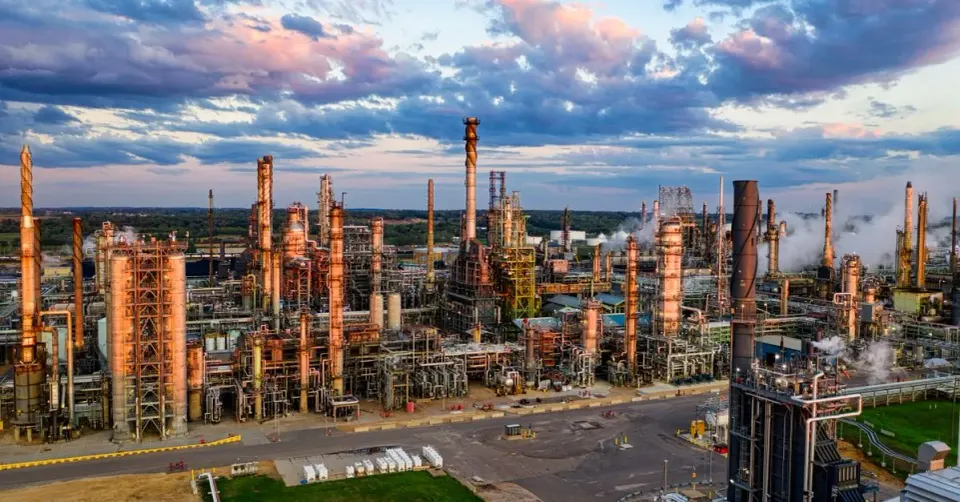
Trump’s hardline approach means that the "maximum pressure" era is the current operating reality, not a relic of the past. This has decimated exports from one of OPEC’s largest producers, keeping global supply artificially tight. While high oil prices theoretically benefit producers, the strictness of the sanctions means the Iranian treasury sees only a fraction of that "windfall." The high costs of circumventing financial barriers and the steep discounts required to find buyers mean that the Iranian economy remains under immense fiscal strain despite triple-digit oil prices.
This stance has a dual impact. Globally, it keeps energy-driven inflation high, as evidenced by the Australian data mentioned earlier. Domestically in Iran, it signals that the "sanctions wall" is unlikely to crumble anytime soon, providing a fundamental floor for the USD/IRR rate. As long as the supply of petrodollars remains constrained by Washington's policy, the rial faces an uphill battle for stability, and the cost of imports will continue to climb.
The $45 Million Hour: Ukraine’s Economic Bleed
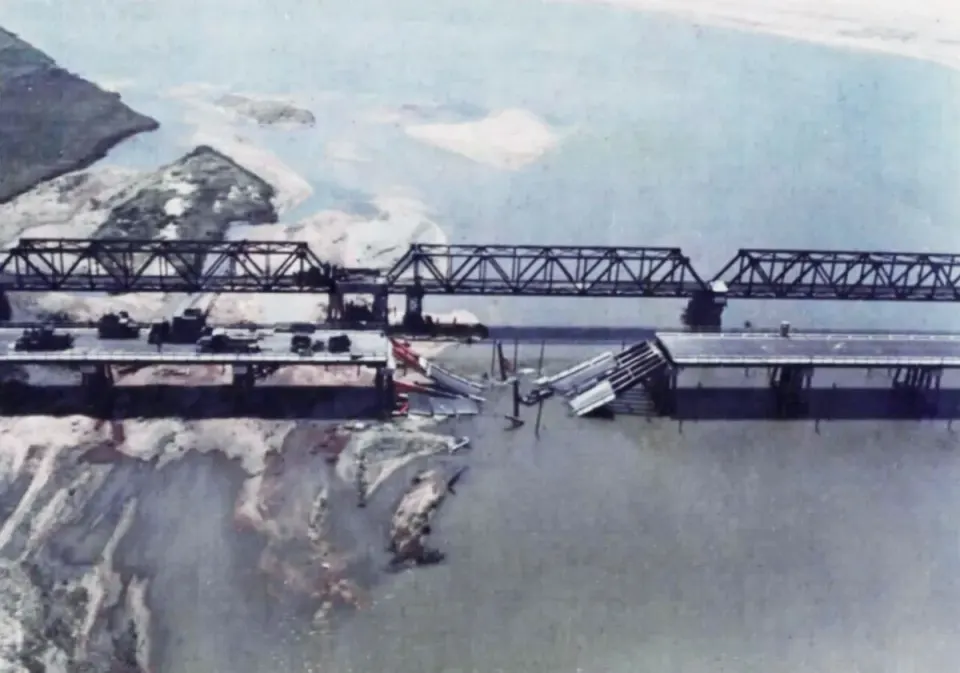
While the world watches the energy markets, Ukraine is facing a different kind of economic devastation that highlights the cost of modern warfare. Kyiv’s economy minister, Oleksandr Kravchenko, revealed that every hour of missile alerts—which halt businesses, logistics, and public services—costs the country roughly $45 million. Russia has shifted its strategy toward "economic destruction," systematically targeting warehouses, data centers, and industrial sites to dismantle the infrastructure underpinning the Ukrainian state.
This isn't just about physical damage; it’s about the "halt." When sirens go off, the machinery of a modern economy stops. Employees go to shelters, transport freezes, and international trade contracts are delayed. It is a war of attrition designed to make the cost of existing as a sovereign state unbearable. This strategy aims to bankrupt the nation faster than it can be rebuilt by foreign aid, creating a long-term economic scar that will take decades to heal.
The broader implication for global markets is the continued strain on supply chains and the precedent of "infrastructure warfare." As Russia targets the datacenters and logistics hubs, the global tech and grain sectors remain on edge. For the financially aware, this serves as a grim reminder that in modern conflict, the balance sheet is often as much a target as the front line. Stability is a luxury that is becoming increasingly expensive to maintain.
Frequently Asked Questions
چرا تورم استرالیا برای معاملهگران ایرانی اهمیت دارد؟
تأثیر اظهارات ترامپ بر قیمت نفت و دلار چیست؟
علت جهش ۲.۴ درصدی قیمت سکه امامی در صبح امروز چیست؟
Economic Sanctions: How They Shape Global Energy Markets
Economic sanctions are coercive tools used by governments to achieve foreign‑policy goals without resorting to military force. By restricting a target country’s access to finance, technology, and trade, sanctions aim to pressure political elites into changing behavior. In the case of Iran, successive U.S. sanctions—intensified during the Trump administration—have cut off major oil‑export revenues, forcing Tehran to sell crude at steep discounts and to seek alternative buyers willing to transact in currencies other than the U.S. dollar. This disruption ripples through the global oil market, contributing to price volatility that can push benchmark indices like Brent to levels above $100 a barrel, as seen in early 2026.
The mechanism by which sanctions affect oil prices is two‑fold. First, they reduce the overall supply of sanctioned crude on the open market, tightening global inventories. Second, they alter the risk premium demanded by traders who must navigate heightened geopolitical uncertainty and potential secondary sanctions on counterparties. Both forces can lift spot prices, which then feed through to related commodities such as gold—often viewed as a safe‑haven asset during periods of heightened energy‑price stress. The resulting inflationary pressure was evident in Australia’s 2026 CPI spike, where higher import costs of fuel and raw materials fed into consumer prices.
Sanctions also reshape currency dynamics. As Iran’s oil sales shift away from the dollar toward euros, yuan, or even the Iranian rial, the demand for U.S. dollars in the energy sector weakens, influencing exchange‑rate markets. This is reflected in the USD/IRR market, where the rial has depreciated sharply, prompting central banks and investors to reassess hedging strategies. Moreover, the broader geopolitical context—such as the ongoing war in Ukraine and its massive economic toll—exacerbates the interconnectedness of sanctions, energy prices, and inflation worldwide, underscoring how a single policy lever can generate a cascade of macro‑economic effects.