Ukraine's Economy Bleeds $45M Hourly from Missile Alerts; Global Markets Show 'Disturbing' Undercurrents
اقتصاد اوکراین ساعتی ۴۵ میلیون دلار از هشدار موشکی ضرر میکند؛ بازارهای جهانی نگرانکننده
Ukraine's economy is suffering immense losses, an estimated $45 million per hour, due to missile alerts halting business operations. This comes as global markets exhibit unsettling underlying movements, despite stable headline figures, raising concerns among analysts.
At time of publishing
USD
254,500
Toman
Gold 18K
25.42M
Toman / gram
Bitcoin
$83,145
US Dollar
Tether
255,114
Toman
Ukraine's Economy Bleeds $45M Hourly from Missile Alerts
Ukraine's economy is facing a staggering challenge, with missile alerts costing the nation an estimated $45 million for every hour businesses are forced to halt operations. This stark figure, highlighted by the country’s economy minister, Oleksandr Kravchenko, underscores the immense pressure Kyiv is under as it attempts to maintain some semblance of normal life amidst relentless Russian bombardment. The economic disruption isn't just a temporary inconvenience; it's a calculated strategy by Russia to target and dismantle Ukraine's economic infrastructure, including industrial sites, warehouses, logistics hubs, and data centers, in an effort to "destroy pretty much the entire economy."
This continuous economic assault means that even when direct military engagements are not occurring, the threat of strikes creates a pervasive climate of uncertainty that paralyzes commerce and investment. The necessity for citizens and workers to seek shelter during alerts brings productivity to a standstill, creating a cumulative burden that erodes national wealth and capacity. For global observers and investors, this situation highlights the profound economic cost of prolonged conflict, contributing to a broader sense of geopolitical instability that can ripple through international markets and impact risk assessments for regions beyond Eastern Europe, including the Middle East.
Global Markets Show 'Disturbing' Undercurrents Amidst Local Stability
Beneath the relatively languid movements of the main stock market indexes, a Goldman Sachs professional has characterized Tuesday’s market moves as among the most "disturbing days of late." This sentiment suggests that while headline figures might appear stable, a closer examination reveals concerning features and underlying instabilities that could signal future volatility. Such expert warnings are critical because they often precede broader shifts in investor confidence and market direction, even if immediate impacts are not universally felt across all asset classes or regions.
For investors in more volatile markets, such as Iran's, these global tremors are particularly pertinent. While the Toman saw a slight appreciation against the USD, with the USD moving from 255,800 to 254,500 (-0.5%), and 18k gold per gram remained stable at 25,416,685 (0.0%), the Emami coin experienced a notable rise from 255,000,000 to 259,000,000 (+1.6%). This divergence in local market behavior against a backdrop of global unease could reflect localized demand, inflation hedging, or specific supply-demand dynamics within Iran, even as international sentiment points to deeper, unresolved issues. The disconnect between surface-level stability and underlying market stress serves as a cautious reminder for all investors.

India Shifts Oil Strategy, Boosting Middle East Imports
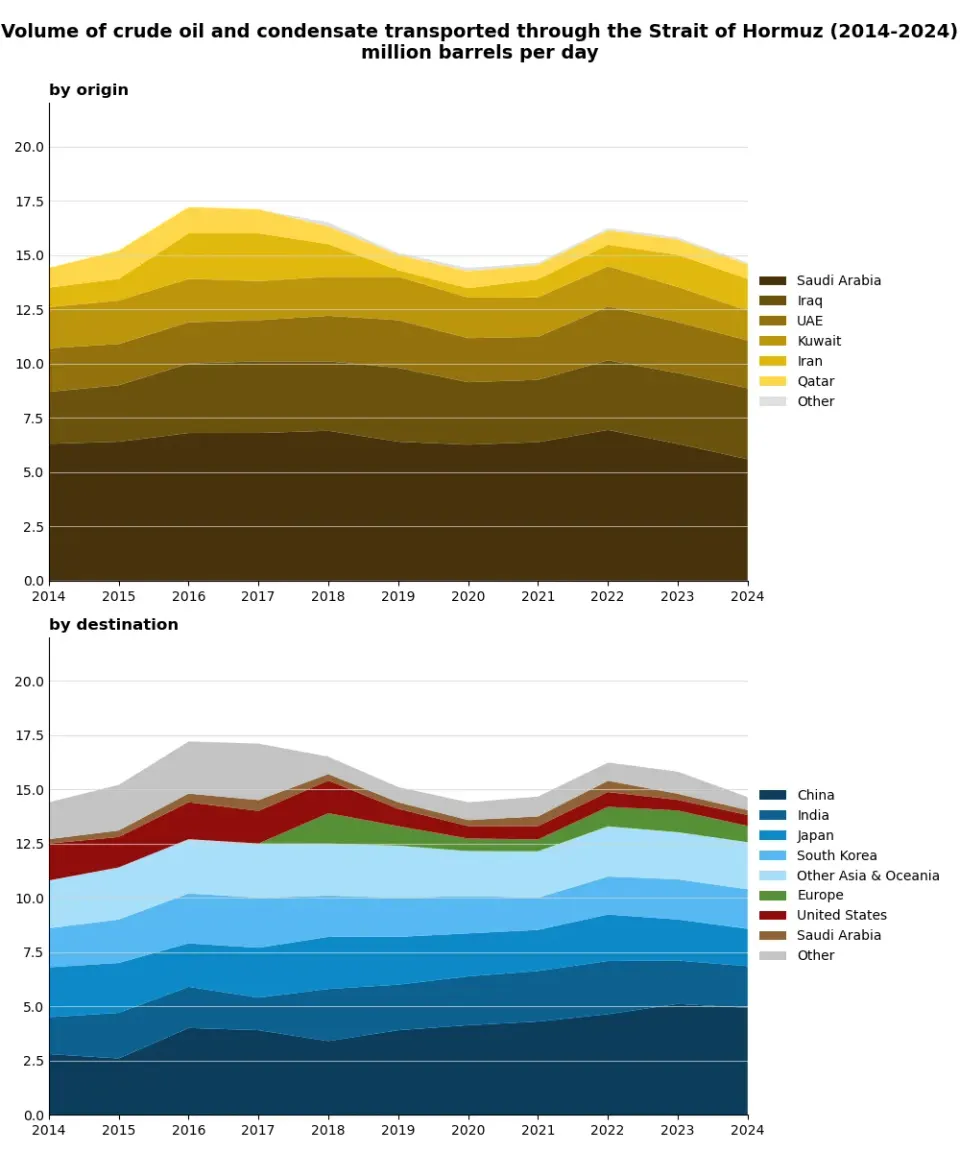
India, a major global energy consumer, has notably adjusted its crude oil import strategy, increasing purchases from the Middle East while simultaneously reducing its reliance on Russian flows. According to data from Kpler, Middle Eastern oil imports averaged 3 million barrels daily this month, marking a return to pre-war levels. Conversely, Russian oil purchases have decreased to a daily average of 1.75 million barrels. This strategic pivot comes amidst persistent U.S. threats of 100% tariffs on Russian oil, pushing Indian refiners to diversify their supply chains, though the country is not planning a complete cessation of Russian imports.
This shift by a key global player like India has significant implications for global energy markets and geopolitical dynamics. It underscores the ongoing re-calibration of international trade relationships in response to sanctions and geopolitical pressures, potentially impacting global oil prices and shipping routes. For oil-producing nations, including those in the Persian Gulf and Iran, India's increased demand from the Middle East could offer a stable or growing market, while also highlighting the competitive landscape for major exporters as nations seek to balance energy security with geopolitical considerations.
UK's Brexit Debate Rekindled as Rejoining EU Becomes an 'Option'
Former Labour Mayor of Greater Manchester, Andy Burnham, has reignited the contentious debate surrounding the UK’s relationship with the European Union, stating that rejoining the EU is among “all the options” being considered. Burnham, a prominent figure in the Labour Party, emphasized the urgent need for Britain to resolve its future relationship with Europe to avoid another decade of political and economic drift. His remarks signal a potential shift in the discourse, moving beyond the settled narrative of Brexit to openly discuss pathways for deeper integration or even a return to the bloc.
This renewed discussion carries significant political and economic weight, both domestically and internationally. For the UK, it could mean further internal divisions and prolonged uncertainty over trade, regulatory alignment, and economic policy, impacting investor confidence and long-term growth prospects. Globally, any concrete steps towards re-evaluating Brexit could alter the geopolitical balance in Europe, influence trade agreements, and affect the broader economic landscape, including indirect impacts on countries like Iran as global trade flows and political alliances are reconfigured.
Nottingham Students Decry Strikes as Staff Walk Out
Students at the University of Nottingham are expressing widespread disappointment and frustration as staff industrial action continues to disrupt their education, stating that strikes were "not what we signed up for." The university, for its part, has publicly conveyed its disappointment regarding the timing of the industrial action, acknowledging the disruption it causes to the academic calendar and student experience. This situation is emblematic of broader tensions within the higher education sector, where disputes over pay, working conditions, and pension schemes often lead to strikes that directly impact students who are paying significant tuition fees.
Such industrial actions, while focused on specific sectors, can have wider societal implications. They highlight ongoing labor relations challenges in various economies and can affect public perception of institutional stability and the value of education. For students, the immediate consequence is missed lectures and disrupted learning, but in the long term, sustained disputes can impact the reputation of institutions and even influence career prospects, reflecting a challenge to the social contract between educational providers and their beneficiaries. These localized labor issues, when aggregated, can subtly contribute to economic uncertainty by impacting productivity and service delivery across different sectors.
Frequently Asked Questions
What is the primary economic impact of missile alerts in Ukraine?
Why did Goldman Sachs describe recent market moves as 'disturbing'?
How is India's oil import strategy changing and what does it mean for global energy markets?
What is the latest development in the UK's relationship with the European Union?
What were the key local market movements in Iran today?
Understanding Geopolitical Risk: The Unseen Hand in Global Markets
In an increasingly interconnected world, events far from home can send ripples across global economies and financial markets. The concept that explains this phenomenon is Geopolitical Risk, defined as the potential for political decisions, conflicts, or instability in international relations to disrupt economic activity. From wars and trade disputes to policy shifts and elections, these events introduce uncertainty, raise costs, and can fundamentally alter the landscape for businesses and investors worldwide.
Geopolitical risk manifests in numerous ways. Directly, as seen in Ukraine, conflict can cause immense physical destruction, halt production, and displace populations, leading to staggering hourly economic losses. Indirectly, such events disrupt global supply chains, particularly for critical commodities like oil and gas, leading to price volatility that impacts everything from transportation costs to consumer goods. The mention of India's oil imports and Middle East oil in the keywords highlights how regional conflicts can quickly become global energy crises, affecting inflation and economic stability in distant nations.
Moreover, geopolitical tensions erode investor confidence, prompting capital flight from perceived high-risk regions and deterring new investments. This generalized uncertainty can lead to broader market 'undercurrents' that are difficult to quantify but profoundly influence stock markets, currency valuations, and interest rates globally. Even domestic political events, like Brexit debates or significant labor strikes, can contribute to geopolitical risk by signaling instability or potentially altering international trade relationships.
Mitigating geopolitical risk is a complex challenge for governments and corporations alike. It involves sophisticated risk assessment, diversification of supply chains, strategic alliances, and diplomatic efforts. While complete insulation from these risks is impossible, understanding their mechanisms is crucial for navigating the volatile landscape of the 21st-century global economy. The ongoing events serve as a stark reminder that peace and stability are not just moral imperatives but fundamental pillars of economic prosperity.