UK Energy Bills Soar by £276 Amid Mideast Conflict; Iran-Linked Plot Eyed in UK
افزایش ۲۷۶ پوندی قبوض انرژی بریتانیا در پی تنشهای خاورمیانه؛ طرح مرتبط با ایران در بریتانیا تحت بررسی
British households face a significant £276 annual jump in energy bills from January due to the ongoing Middle East conflict. Meanwhile, UK authorities are probing an alleged Iran-backed terror plot, adding to geopolitical tensions. Australia controversially approved a major coal project, and Iran hosted its annual Children and Youth Film Festival.
At time of publishing
USD
256,700
Toman
Gold 18K
25.32M
Toman / gram
Bitcoin
$83,092
US Dollar
Tether
256,608.872
Toman
UK Energy Bills Soar by £276 Amid Mideast Conflict
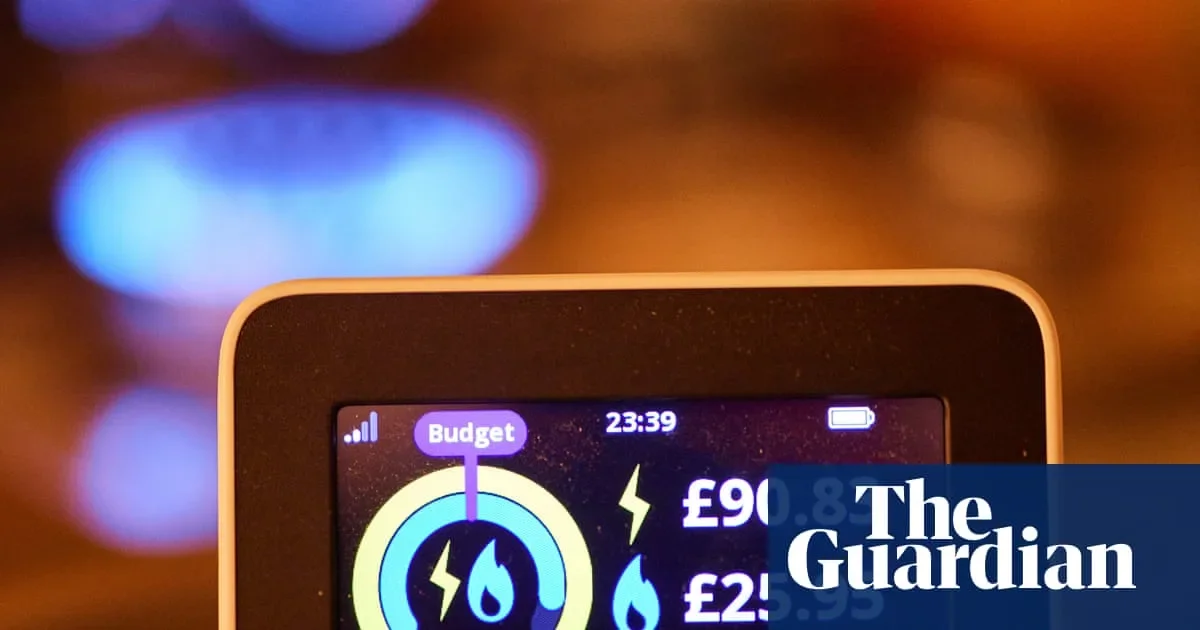
Household energy bills in Great Britain are projected to surge by an average of £276 annually starting January 2027, with the energy price cap rising by 16% to the equivalent of £1,999 for a typical dual-fuel bill. This alarming forecast comes from Cornwall Insight, a leading energy forecaster, and marks one of the most significant increases in recent years. The increase is directly attributed to the ongoing impact of the Middle East conflict, which continues to exert substantial pressure on global energy markets, particularly as the coldest months of winter approach. This unwelcome news will hit millions of British families already struggling with a prolonged cost of living crisis, making essential heating and power significantly more expensive.
The primary driver behind this predicted hike is the persistent volatility in global energy prices, heavily influenced by geopolitical tensions, particularly those stemming from the Middle East. Disruptions to oil and natural gas supply chains, exacerbated by the conflict, have kept wholesale prices elevated. For instance, the Strait of Hormuz, a critical chokepoint, has seen a crunch in liquefied natural gas (LNG) supply, directly contributing to soaring European gas prices. Energy suppliers, facing higher procurement costs, are compelled to pass these onto consumers. The government’s energy price cap, while intended to shield consumers from extreme price spikes, is adjusted quarterly to reflect these underlying market realities, hence the significant upward revision for January.
For millions of British households, this represents a substantial blow, potentially pushing more families into energy poverty and intensifying demands on the government for additional financial aid. This economic strain could also dampen consumer spending, impacting broader economic recovery efforts in the UK. From an Iranian perspective, such global energy market instability, particularly disruptions explicitly linked to the Middle East, holds significant implications. It not only influences global oil and gas prices, which are crucial for Iran's sanctioned economy, but also affects international trade dynamics, investment sentiment, and by extension, the value of the Toman. Today, the USD/IRR saw a slight increase, moving from 255,800 to 256,700 (+0.4%), reflecting persistent underlying economic and geopolitical pressures.

UK Politics: Burnham's Ascendance and Iran-Linked Terror Probe
The UK political scene is currently abuzz with the Labour Party conference, where Andy Burnham is enjoying significant momentum following his recent ousting of Keir Starmer as party leader in what has been delicately referred to as a “soft coup.” The conference, themed “Hope again,” is a pivotal moment for the party as it seeks to redefine its future under new leadership. Simultaneously, a sensitive terror investigation is unfolding near RAF Fairford, prompted by fears of an alleged Iran-backed plot. Five men have been arrested, with reports indicating that one of the suspects himself called the police to report the incident, adding a perplexing layer to the ongoing probe.
Burnham's unexpected rise signifies a potential ideological and strategic shift within the Labour Party, moving towards a leadership focused on “delivery” rather than just “hopeful messaging.” This internal power struggle and its outcome will shape the party's platform and its electability in future elections. The terror investigation, on the other hand, underscores persistent and serious concerns about regional security and the potential for state-sponsored or affiliated actors to engage in activities on British soil. The mention of an “Iran-backed plot” immediately escalates the geopolitical implications, drawing attention to the complex and often clandestine nature of international relations and intelligence operations. The detail about a suspect reporting the incident could indicate internal dissent, a strategic misdirection, or a breakdown in the alleged plot's execution.
For the UK, Burnham's leadership could lead to significant domestic policy changes and a re-evaluation of its international stance, depending on his foreign policy priorities. The alleged Iran-backed plot, regardless of its final findings, will undoubtedly heighten security alerts and further strain diplomatic relations between London and Tehran. Such incidents contribute to a climate of distrust and can justify increased scrutiny, sanctions, and pressure from Western powers on Iran, impacting its already isolated economy and its ability to engage effectively on the global stage. These events reinforce the perception of Iran as a destabilizing force in the region and beyond, influencing international confidence and investment.

Australia Approves Controversial "Carbon Bomb" Coal Project
In a decision that has ignited fierce debate, the New South Wales Independent Planning Commission (IPC) has given its approval to the Hunter Valley Operations Continuation Project, marking the largest coalmine project ever to be considered by the commission. This contentious green light allows the mining operation to continue until 2045. The approval was met with immediate condemnation from numerous climate and environmental groups, who have unequivocally labeled the project a “carbon bomb,” citing its immense potential for greenhouse gas emissions over decades.
This decision encapsulates the ongoing global struggle to reconcile economic imperatives with urgent environmental goals. Australia, a significant global exporter of coal, faces immense pressure to balance its national economic interests, which heavily rely on its vast natural resources, against its international climate commitments and the growing public demand for climate action. The IPC's justification—that the project's economic benefits, including job creation and export revenue, would “outweigh” its projected climate change impacts—highlights a prioritization of short-term economic gains over long-term ecological consequences. The extensive public consultation process, which garnered over 10,000 submissions, underscores the deep societal divisions and passionate advocacy surrounding such large-scale fossil fuel developments.
The approval of such a massive fossil fuel project sends a complex and potentially contradictory signal regarding global climate action. It could be seen as undermining international efforts to accelerate the transition away from coal and may complicate Australia's standing in global climate negotiations. For the global economy, it ensures a continued supply of coal, which might offer some short-term stability to energy markets, but at a substantial environmental cost and with long-term implications for climate change mitigation. From an Iranian perspective, decisions in major commodity-producing nations like Australia directly impact global energy prices and the broader economic environment, influencing the value of its own energy exports and shaping the context within which Iran navigates its sanctioned economy and seeks to engage with international markets.

Iran Hosts 38th International Film Festival for Children and Youth
The 38th International Film Festival for Children and Youth recently held its press conference on September 29, 2026, in Isfahan, a culturally significant city in central Iran. This annual cinematic event is a long-standing fixture in Iran's cultural calendar, dedicated to showcasing and promoting films specifically tailored for younger audiences and fostering a vibrant environment for cultural exchange both domestically and internationally. The festival aims to highlight the power of cinema in educating, entertaining, and inspiring the next generation.
Cultural events of this nature are instrumental in developing a nation's soft power and contributing to its internal social and artistic development. For Iran, hosting an international film festival provides a crucial platform to demonstrate its cinematic capabilities, which have historically earned significant international acclaim and awards, and to facilitate engagement with global filmmaking communities. Internally, the festival offers invaluable cultural enrichment for Iranian children and youth, potentially nurturing future generations of artists, filmmakers, and critical thinkers. It serves as an important outlet for creative expression and cultural engagement, often providing a different perspective amidst the prevailing political and economic narratives.
While this festival may not have immediate, direct impacts on global markets or geopolitics, its significance lies in its longer-term contributions to Iran's cultural diplomacy and social fabric. Such initiatives play a vital role in shaping a country's international image, fostering cross-cultural understanding, and maintaining connections with the global arts scene, even amidst broader political isolation. For the Iranian public, particularly its younger demographic, these festivals offer exposure to diverse narratives and artistic expressions, often serving as a much-needed source of inspiration and enjoyment, providing a cultural counterbalance to the daily realities of economic pressures and political complexities. It reflects an ongoing commitment by Iranian cultural institutions to engage with the world through art.
Frequently Asked Questions
Why are UK energy bills rising so sharply in January 2027?
What is the significance of the alleged Iran-backed terror plot in the UK?
What are the environmental implications of Australia's Hunter Valley coal project approval?
How do global energy market changes affect the Iranian economy?
What is the purpose of the International Film Festival for Children and Youth in Iran?
Geopolitical Risk Premium and Its Impact on Energy Prices
Geopolitical risk premium is the extra cost that investors demand for holding assets that are exposed to political instability, conflict, or sanctions. In the oil and gas markets, this premium shows up as higher futures prices when a region that supplies a large share of global energy experiences tension. Traders price in the possibility of supply disruptions, transportation bottlenecks, or sudden policy changes, and that added uncertainty pushes the market price above the level dictated by pure supply‑and‑demand fundamentals.
When the Middle East—home to a substantial portion of the world’s oil production—faces conflict, the risk premium can spike dramatically. Even if actual output does not fall immediately, the fear of a shutdown leads to speculative buying, forward contracts, and higher spot prices. Those higher wholesale prices quickly cascade down the supply chain, raising the cost of electricity generation, gas heating, and ultimately household energy bills, as seen in the recent UK surge of £276 per household.
The premium is not static; it fluctuates with the intensity of the conflict, the credibility of the parties involved, and the response of major consumers and producers. For instance, sanctions on Iran or a sudden escalation involving a key oil‑exporting nation can double the risk premium within days. Energy‑intensive economies, such as the UK, feel the impact through higher wholesale electricity prices, which are often indexed to gas and oil markets, and through the cost of importing electricity from neighboring grids.
Policymakers can mitigate the domestic fallout by diversifying energy sources, building strategic reserves, and encouraging demand‑side measures like energy efficiency. However, the underlying geopolitical risk premium remains a global factor that can affect any country dependent on imported fossil fuels, underscoring the importance of understanding how world politics translates into everyday energy costs.