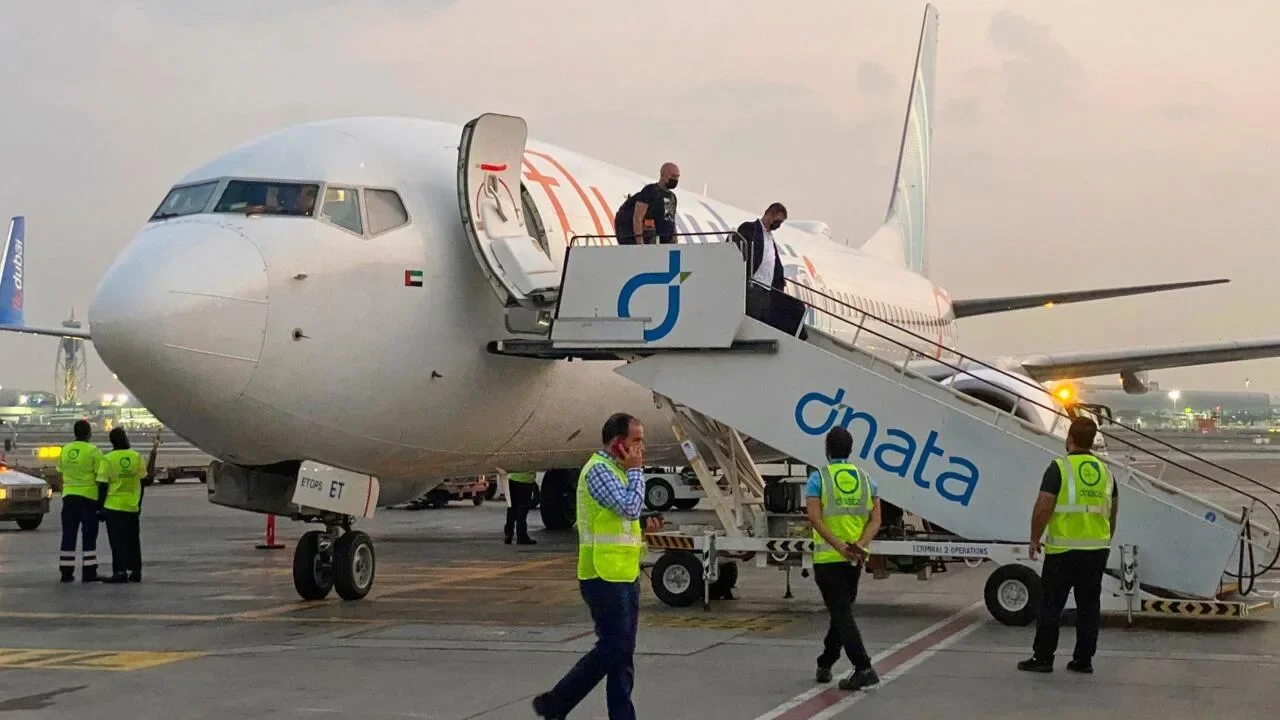
Cockpit Brawl Diverts Tel Aviv Flight to Saudi Arabia; US Completes Iraq Exit as Oil Hits $100
فرود اضطراری هواپیمای تلآویو در عربستان پس از درگیری خلبانان؛ خروج کامل آمریکا از عراق و نفت ۱۰۰ دلاری
A FlyDubai flight to Israel made an emergency landing in Saudi Arabia following a pilot brawl, sparking a regional security alert and jet scrambles. Meanwhile, the US completes its withdrawal from Iraq after two decades, and rising oil prices trigger a $3.2 billion capital flight from Indian markets.
At time of publishing
USD
257,400
Toman
Gold 18K
25.60M
Toman / gram
Bitcoin
$83,765
US Dollar
Tether
257,394.683
Toman
Cockpit Chaos: Pilot Brawl Triggers Regional Security Alert
In a bizarre and highly sensitive aviation incident, a FlyDubai passenger flight bound for Tel Aviv was forced to make an emergency landing in Saudi Arabia on Wednesday. The diversion occurred after a physical altercation broke out between the two pilots in the cockpit shortly after takeoff from Dubai. The aircraft transmitted a distress signal, which initially sparked fears of a hijacking in one of the world's most volatile corridors. Both Israel and Saudi Arabia reportedly scrambled fighter jets to monitor the situation before the plane was cleared to land at a Saudi airfield.
While all 160 passengers were reported safe, the geopolitical optics of an Israeli-bound flight landing in Saudi territory—given the lack of formal diplomatic ties—added a layer of extreme tension to the event. Aviation experts are calling the incident a catastrophic failure of professional conduct, but the swift coordination between regional air traffic controllers suggests that emergency protocols remain robust despite political divisions. The pilots involved have been detained, and a full investigation into the cause of the brawl is underway.
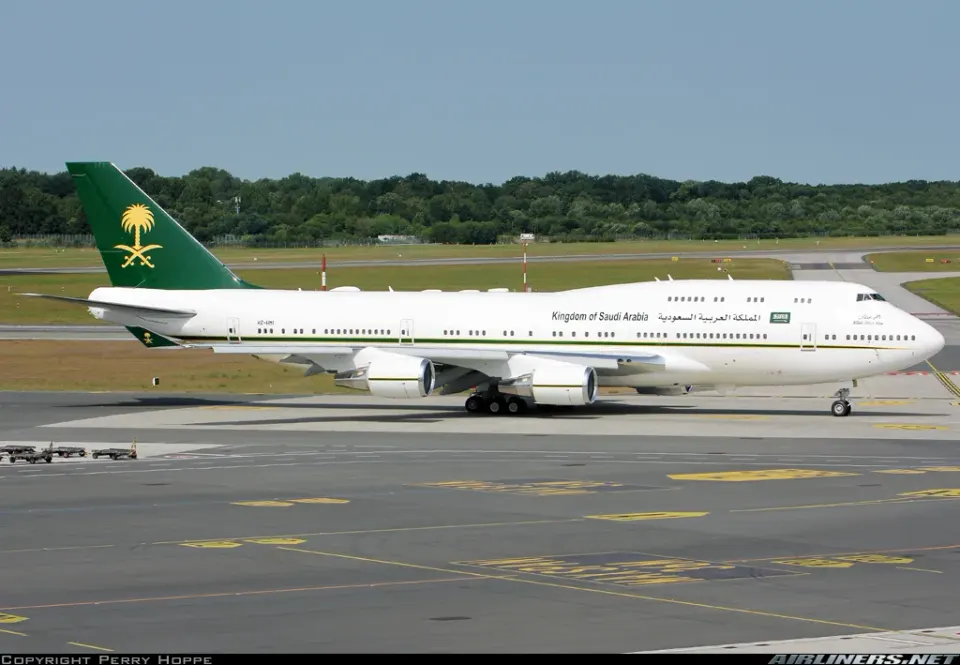
The End of an Era: US Forces Depart Iraq After Two Decades
After twenty years of military presence that reshaped the Middle East, the final units of the United States armed forces have officially completed their withdrawal from Iraq. The departure marks the end of a mission that began in 2003 and has since been a central pillar of regional geopolitics. For many Iraqis, the exit is a moment of celebration and a return to full sovereignty, while others express deep-seated anxiety about the power vacuum left behind. The country remains precariously balanced between the influence of Washington and Tehran, and the withdrawal raises urgent questions about the future of Iraq’s internal security and its ability to resist external pressures.
From an Iranian perspective, the US exit is viewed as a strategic victory, yet the reality on the ground is far from stable. The departure of American troops removes a significant buffer against regional instability, potentially forcing Tehran to take a more direct—and costly—role in managing its neighbor’s security. Markets in the region are already pricing in this uncertainty, as the potential for renewed internal conflict in Iraq could disrupt oil production and transit routes that are vital to the global energy supply.

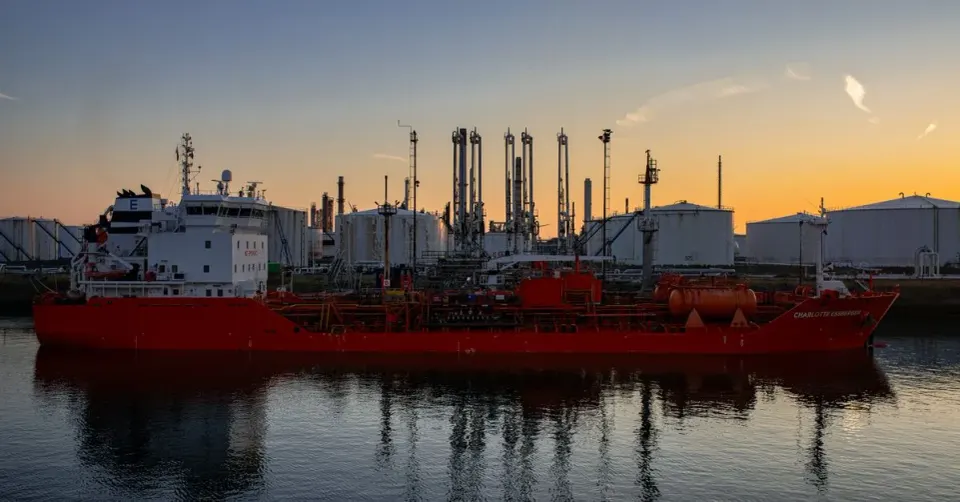
Oil Rally at $100 Sparks $3.2 Billion Capital Flight
The global energy market is undergoing a seismic shift as Brent crude sustains its rally above the $100 per barrel mark. This price surge has had immediate and painful consequences for emerging markets, most notably in India, where foreign investors have pulled a staggering $3.2 billion out of local stocks and bonds this month. The exodus is the largest since the initial shocks of early 2026 and highlights the vulnerability of major oil-importing nations to sustained high energy costs. As inflation fears mount, global capital is fleeing toward safer havens, leaving Asian markets struggling to maintain liquidity.
The impact of this oil rally is being felt acutely in Tehran as well. While higher oil prices typically benefit exporters, the broader regional instability and the strengthening of the US dollar have kept the Iranian Toman under pressure. In the last 24 hours, the USD/IRR rate moved from 255,800 to 257,400, representing a 0.6% increase. This trend suggests that even as oil revenues potentially rise, the domestic market remains fixated on the inflationary risks and geopolitical tensions that come with a triple-digit oil price.
Domestic Market: Gold and Coin Prices Surge on Regional Tension
Reflecting the unease across the Middle East, the Iranian gold and coin markets saw significant gains today, Wednesday, September 30, 2026. The Emami coin experienced the sharpest rise, jumping from 255,000,000 to 261,000,000 Toman, a substantial 2.4% increase in just 24 hours. Similarly, 18k gold rose from 25,428,228 to 25,601,366 Toman per gram (+0.7%). These movements indicate a strong flight to safety among local investors who are reacting to the twin headlines of the US withdrawal from Iraq and the unusual security incident involving the Tel Aviv-bound flight.
As the afternoon trading session continues in Tehran, the market remains highly sensitive to news from the Persian Gulf and the Levant. With Bitcoin hovering just below the $84,000 mark and global traders awaiting the latest PCE inflation data from the US, the domestic Iranian market is caught between global macroeconomic trends and local geopolitical risks. For the average Iranian consumer, the continued rise in the price of gold and the dollar serves as a stark reminder of the persistent link between regional stability and personal purchasing power.
Watch
BREAKING: Israel-bound flight DIVERTED to Saudi Arabia
Fox News
Frequently Asked Questions
چرا هواپیمای فلایدبی در عربستان فرود آمد؟
خروج آمریکا از عراق چه تأثیری بر بازار ایران دارد؟
چرا سرمایهگذاران در حال خروج پول از هند هستند؟
Understanding Oil Price Shocks
An "oil price shock" refers to a sudden and significant increase or decrease in the global price of crude oil. These shocks are not merely minor fluctuations but represent sharp, often unpredictable shifts that can have profound ripple effects across the global economy. Historically, major oil price shocks, such as those in the 1970s or during the Gulf Wars, have been pivotal moments, reshaping economic policies and international relations.
These dramatic shifts in oil prices are typically triggered by either supply disruptions or sudden changes in global demand. On the supply side, geopolitical instability in major oil-producing regions (like the potential impact of a significant military withdrawal from an oil-rich nation), natural disasters affecting production facilities, or coordinated actions by cartels like OPEC+ can drastically alter the availability of oil. On the demand side, rapid global economic growth can cause demand to outstrip supply, pushing prices upward, while a severe recession can cause them to plummet.
The economic consequences of an oil price shock are far-reaching. For importing nations, a sharp price increase can lead to widespread inflation as energy costs rise across industries, from transportation to manufacturing. This erodes consumer purchasing power, potentially slowing economic growth or even triggering a recession. It can also worsen trade balances and put pressure on national currencies, potentially leading to capital flight. Conversely, for oil-exporting nations, a price surge can boost national revenue and strengthen their currency, though a sharp decline can devastate their economies and government budgets.
The impact of oil price shocks extends beyond immediate economic indicators. They often spur innovation in alternative energy sources, encourage energy conservation, and force governments to reconsider their energy security strategies. The prospect of oil hitting $100, as mentioned in the headline, serves as a potent reminder of how vulnerable global economies remain to these unpredictable and powerful market forces, necessitating robust economic planning and diversification.
Topics
Related Articles