Lash Sentence for Singer Sparks Outcry as China Slashes Oil Imports and Brent Surges Past $100
حکم شلاق پرستو احمدی و خشم جهانی؛ کاهش واردات نفت چین با عبور برنت از ۱۰۰ دلار
Global rights groups condemn the 74-lash sentence for singer Parastoo Ahmadi as 'torture' while China cuts crude import forecasts by 400,000 bpd amid $100 oil. In Tehran, the Emami coin surged 2.4% today despite a slight dip in global gold prices.
At time of publishing
USD
256,400
Toman
Gold 18K
25.38M
Toman / gram
Bitcoin
$83,795
US Dollar
Tether
256,398.939
Toman
Rights Groups Condemn 'Barbaric' Sentence for Iranian Singer
An Iranian court in Qom has upheld a sentence of 74 lashes against the popular 29-year-old singer Parastoo Ahmadi, a move that has sparked immediate international condemnation. Ahmadi, along with eight members of her production team, was targeted following a viral online concert that authorities deemed "obscene and vulgar," claiming it violated the country’s legal and cultural norms. Human rights organizations have described the sentence as a form of state-sanctioned torture, emphasizing that the use of corporal punishment for artistic expression represents a severe escalation in the ongoing crackdown on women flouting mandatory hijab laws.
This judicial decision comes at a time of heightened social tension in Iran, where the gap between the youth-led cultural movement and the judiciary's rigid enforcement continues to widen. For many Iranians, such sentences are seen as a tool of intimidation meant to suppress dissent as economic conditions worsen. The psychological impact of these rulings often translates into market sentiment, fueling a sense of instability that drives domestic investors away from local assets and toward hard currencies and gold as a hedge against social and political volatility.

China Slashes Oil Forecasts as Brent Hits $100 Milestone
Global energy markets are reacting to a significant shift in Chinese demand as analysts have cut China’s fourth-quarter crude import forecasts by 400,000 barrels per day (bpd). The primary driver behind this reduction is the sustained surge of Brent crude prices above the $100 per barrel mark, which has crippled the profit margins of China's independent refiners. These "teapots" are struggling to find affordable supply, particularly as Iranian barrels—once a staple for these buyers due to steep discounts—have reportedly become harder to procure in the current geopolitical climate.
While China’s imports in September remained relatively stable compared to August, these cargoes were purchased when prices were still in the $80 range. Now, with the market facing a "dark winter" of hybrid warfare risks in Europe and a $100 floor for oil, the global economy is bracing for a slowdown in Chinese manufacturing. For Iran, this is a double-edged sword: while higher prices theoretically increase revenue per barrel, the shrinking demand from its largest customer and the disappearance of the "discount window" could lead to a net loss in total export volume, further straining the national budget.

Medicine Shortages and Market Divergence in Tehran
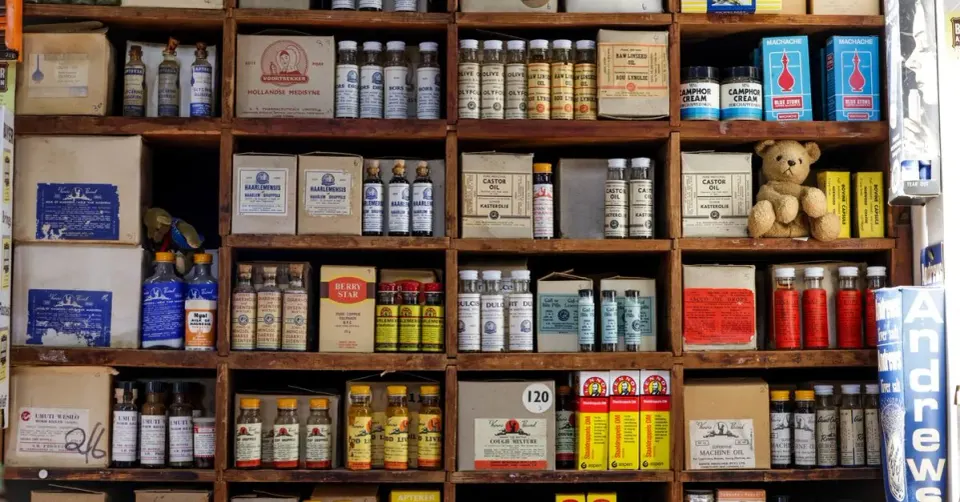
On the streets of Tehran, the human cost of the ongoing economic blockade is becoming increasingly visible through a severe shortage of life-saving medications. Reports indicate that prices for essential pharmaceuticals are soaring, leaving families in a desperate scramble to find treatments that have disappeared from pharmacy shelves. While the US maintains that humanitarian goods are exempt from sanctions, the reality of banking restrictions and the "chilling effect" on international suppliers has created a functional blockade that is hitting the most vulnerable segments of the Iranian population hardest.
This domestic hardship is mirrored in the financial markets, where we are seeing a notable divergence in asset classes. On Wednesday, September 30, 2026 (چهارشنبه ۸ مهر ۱۴۰۵), the USD/IRR exchange rate edged up from 255,800 to 256,400 (+0.2%). More dramatically, the Emami gold coin jumped from 255,000,000 to 261,000,000 Toman, a 2.4% increase in just 24 hours. This surge occurred even as 18k gold prices slightly dipped by 0.2%, suggesting that the public is rushing into minted coins as a speculative refuge, driven by fears of further inflation and the worsening healthcare crisis.
Geopolitical Shifts: US Leaves Iraq and Boeing Rebounds
In a historic milestone, the US-led coalition officially concluded its mission in Iraq this Wednesday, marking the end of a military presence that began 23 years ago. While Iraqi leaders celebrated the move as a return to full sovereignty, regional analysts warn of a power vacuum. There are concerns that pro-Iran armed factions may feel emboldened to expand their influence within the Iraqi security apparatus, potentially shifting the regional balance of power and adding another layer of complexity to Iran's foreign policy and its standing with Western powers.
Meanwhile, in the corporate world, Boeing has managed to secure a lifeline that has sent its shares climbing nearly 3% in premarket trading. The U.S. Navy selected the aerospace giant to develop its next-generation fighter jet, a contract that saves Boeing from the risk of losing its fighter-jet production capabilities entirely. This development highlights the continued strength of the US defense sector even as global markets face "disturbing undercurrents" of instability. For global investors, the focus remains on high-tech and defense as safe havens, while government debt and bonds are increasingly viewed with skepticism due to rising global deficit levels.
Frequently Asked Questions
Why did the price of Emami coin rise while gold 18k fell?
How does China's oil import cut affect the Iranian economy?
What is the legal basis for the sentence against Parastoo Ahmadi?
The Global Impact of Economic Sanctions
Economic sanctions are a powerful, non-military foreign policy tool used by countries or international bodies to pressure another state, entity, or individual to change their behavior. These measures typically involve restrictions on trade, financial transactions, and other economic activities. Their primary goal can range from deterring nuclear proliferation and combating terrorism to promoting human rights or punishing violations of international law. Common forms include trade embargoes, asset freezes, travel bans, and restrictions on access to international financial systems.
The impact of sanctions often reverberates far beyond the targeted entity, significantly influencing global markets, especially for commodities like oil. When sanctions are imposed on a major oil-producing nation, like Iran, they can severely restrict its ability to export crude oil. This reduction in global supply, or even the credible threat of it, can directly lead to higher oil prices, as seen when Brent crude surges past $100. Countries that previously imported heavily from the sanctioned nation, such as China, may be forced to slash their imports, either due to direct compliance with sanctions or fear of secondary sanctions from the imposing power.
Within the targeted country, economic sanctions can have profound and often devastating consequences for the general population. While ostensibly aimed at the government, restrictions on trade and finance can cripple the economy, leading to inflation, unemployment, and severe shortages of essential goods. The "Iran medicine shortage" mentioned in the keywords is a stark example of this humanitarian toll. Even if humanitarian goods are technically exempt, the complexities of financial transactions and the reluctance of international banks to process payments can make it exceedingly difficult to import critical medicines, directly impacting the health and well-being of ordinary citizens.
The effectiveness and ethics of economic sanctions remain a subject of intense debate among policymakers and academics. While they offer an alternative to military intervention, their broad impact on civilian populations and their mixed record in achieving desired behavioral changes raise significant questions about their long-term utility and humanitarian costs. Understanding sanctions is crucial for grasping the intricate connections between geopolitics, human rights, and the global economy.
Topics
Related Articles