Cockpit Brawl Diverts Tel Aviv Flight to Saudi Arabia; Europe Warns of 2030 Defense Gap
درگیری خلبانان در آسمان و فرود اضطراری در عربستان؛ هشدار اروپا درباره شکاف امنیتی تا ۲۰۳۰
A FlyDubai flight to Tel Aviv was forced into an emergency landing in Saudi Arabia after a violent cockpit brawl, while Europe's top defense chief warns of a critical security 'window of vulnerability' lasting until 2030.
At time of publishing
USD
256,700
Toman
Gold 18K
25.47M
Toman / gram
Bitcoin
$83,872
US Dollar
Tether
256,003.706
Toman
Mid-Air Chaos: Pilot Brawl Forces Emergency Landing in Saudi Arabia
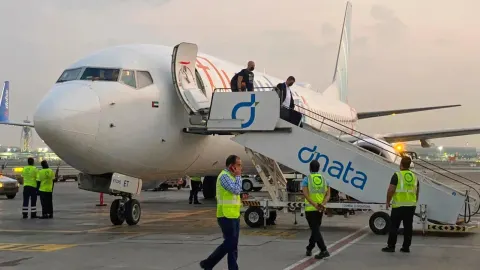
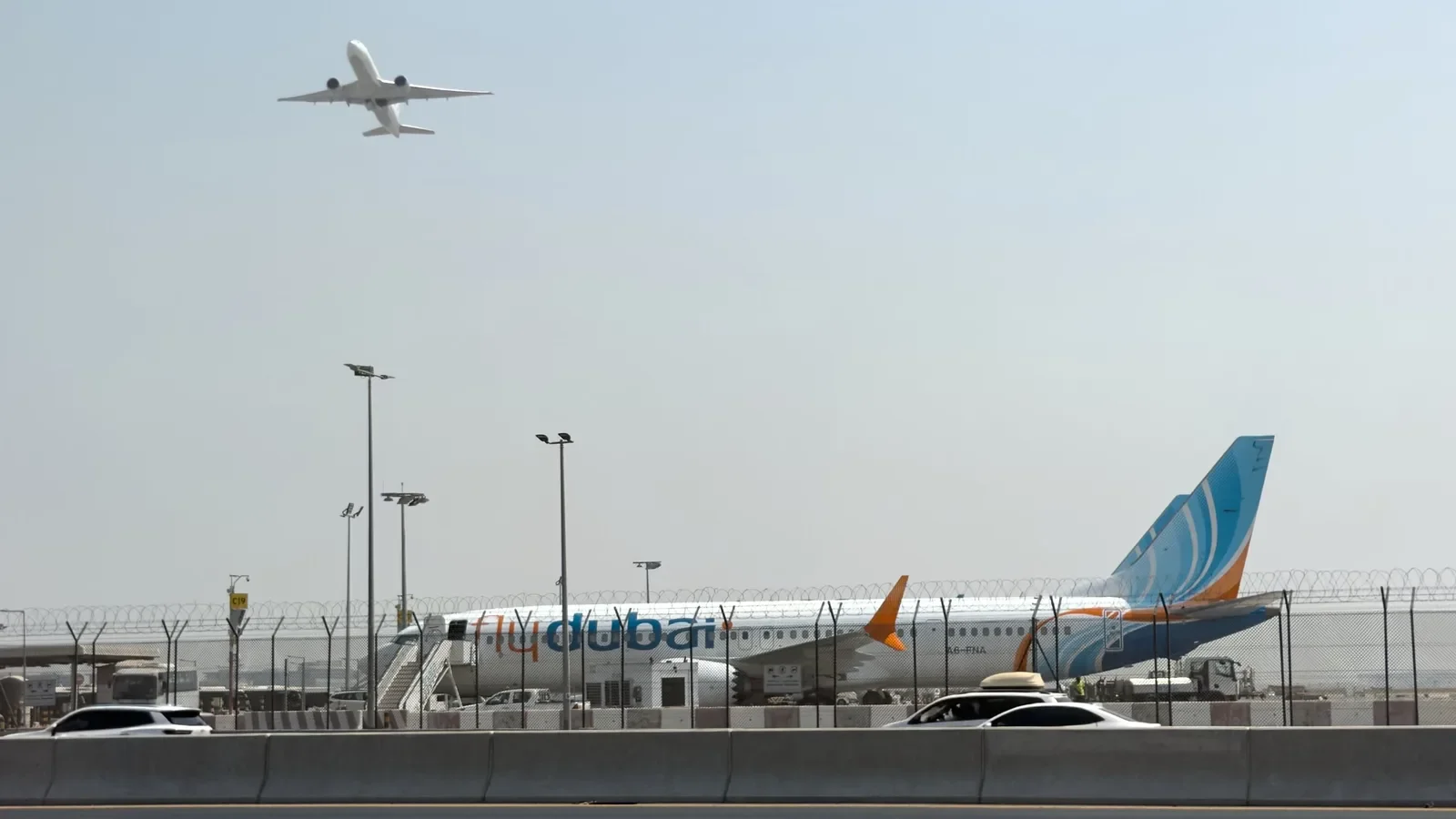
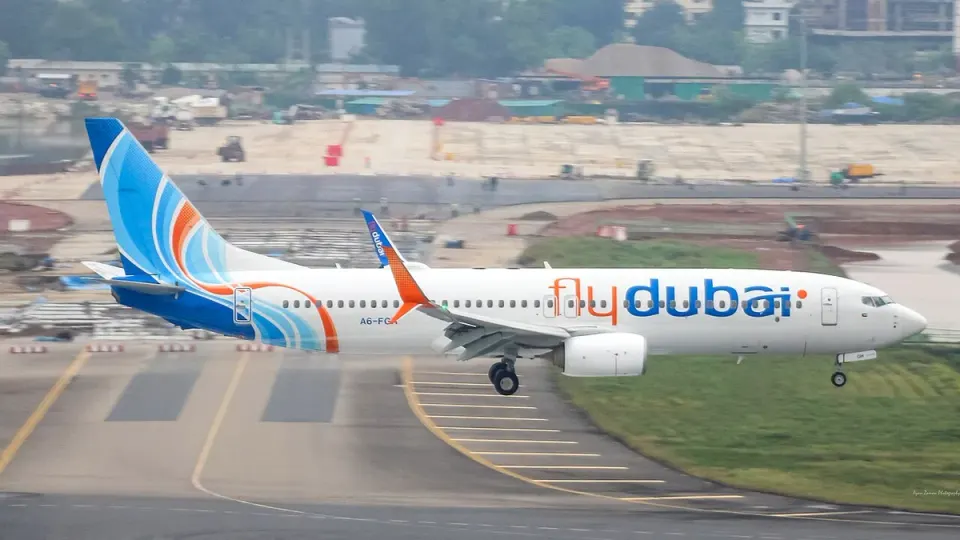
In a bizarre and unprecedented breach of aviation safety, a FlyDubai flight FZ 1073 traveling from Dubai to Tel Aviv was forced to make an emergency landing in Saudi Arabia today. The diversion occurred after a violent physical altercation broke out between the pilot and the co-pilot while the aircraft was cruising over Jordanian airspace. Passengers reportedly heard shouting from the cockpit, and some were forced to intervene to assist crew members in stabilizing the situation. The Boeing 737 transmitted three emergency signals, including one specifically indicating 'unlawful interference,' which initially sparked fears of a hijacking attempt across regional radar screens.
This incident carries heavy diplomatic weight, as the aircraft, carrying passengers bound for Israel, was forced to land in a country that does not have formal diplomatic ties with the Israeli government. While the landing was permitted on humanitarian and safety grounds, it highlights the extreme fragility of regional aviation corridors. Israeli media reports suggest the brawl left one of the pilots seriously injured, with unconfirmed claims of a stabbing. The immediate consequence of this event is a likely tightening of cockpit security protocols and a renewed scrutiny of pilot mental health and internal airline discipline within the Gulf's major carriers.
Europe’s ‘Window of Vulnerability’ and the Cost of War
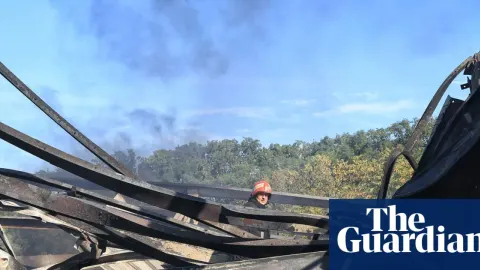
General Onno Eichelsheim, the Dutch Chief of Defence, issued a stark warning today, stating that Europe faces a critical 'window of vulnerability' that will persist until at least 2030. According to the General, European nations have been too slow to adapt their industrial bases to the realities of a high-intensity conflict, leaving a gap that adversaries could exploit. This warning comes as Ukraine struggles to manage a staggering $27 billion funding gap required to maintain its defense operations into early 2027. Prime Minister Sergii Koretskyi noted that the total cost of the war for Ukraine will reach $155 billion this year alone, forcing the government to postpone essential domestic expenditures to keep the front lines supplied.
What this means for the global economy is a sustained period of defense-led inflation. As European nations scramble to rearm, the competition for raw materials and high-tech components is expected to keep prices elevated. Furthermore, the $20 billion remainder of Ukraine’s funding gap remains a point of contention among Western allies, potentially leading to further market volatility if a consensus on financial support is not reached. For investors, this 'vulnerability window' suggests that geopolitical risk will remain the primary driver of market sentiment for the remainder of the decade, overshadowing traditional economic indicators.

Iran’s Leverage and the Strait of Hormuz 'Economic War'
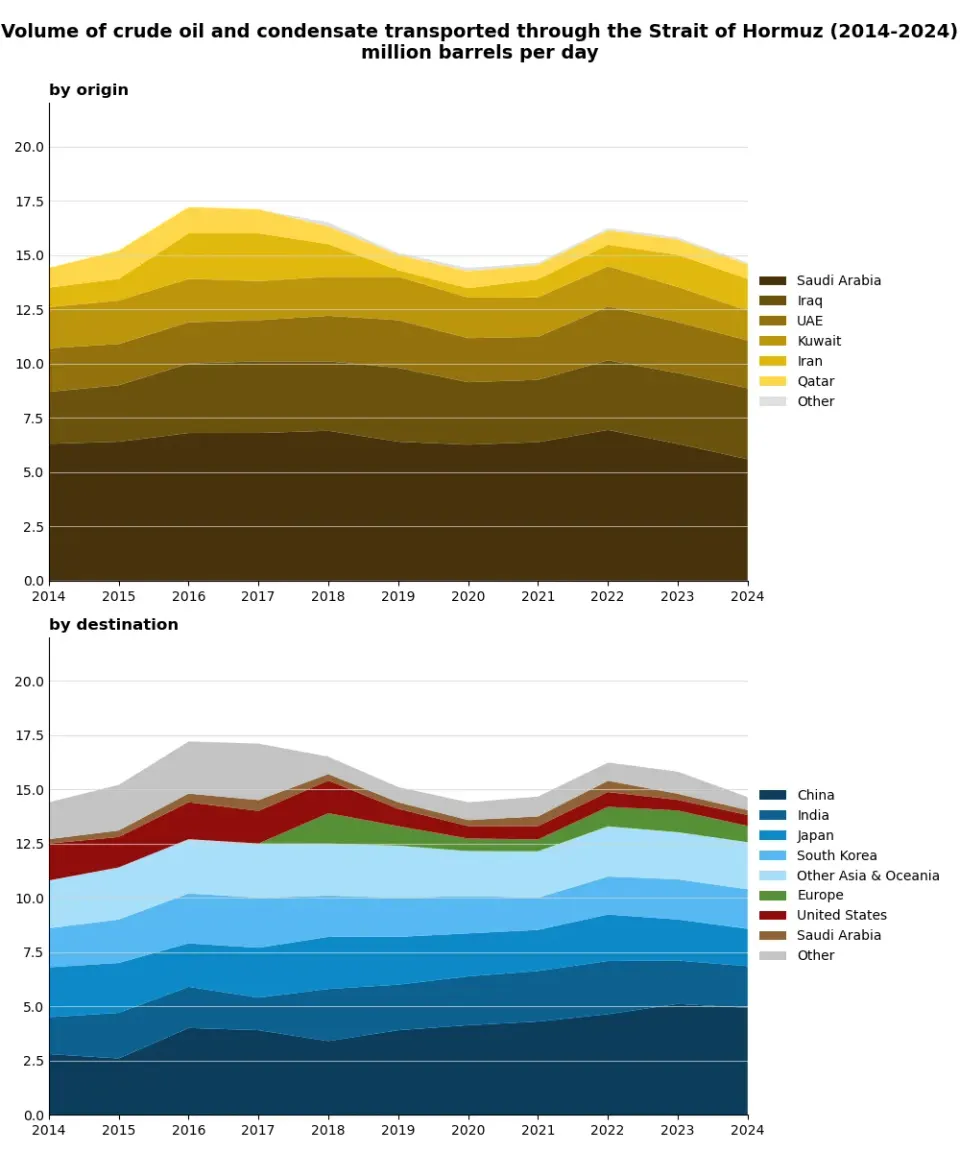
The narrative of the 'economic war' over the Strait of Hormuz has taken a new turn, with recent analysis suggesting that Iran’s traditional leverage over this vital shipping lane may be shifting. While crude oil flows through the Strait have largely recovered to pre-crisis levels, the real battlefield has moved to the insurance and logistics sectors. High tanker insurance costs and persistent geopolitical risks have created a 'risk premium' that effectively acts as a secondary sanction on regional trade. Despite claims from Tehran that maritime transport remains active and unaffected, the reality on the ground shows that international shipping firms are increasingly wary of the route, seeking alternatives where possible.
This shift in leverage is occurring as the United States completes its troop withdrawal from Iraq, a move that some analysts fear will embolden pro-Iran factions in the region. However, the economic reality is that Iran’s ability to disrupt the Strait is now balanced against its own need for stable exports to maintain a crumbling domestic economy. For the average Iranian, this 'economic war' translates to a steady depreciation of the Toman. In the last 24 hours, the USD/IRR rate moved from 255,800 to 256,700 (+0.4%), reflecting the market's ongoing anxiety regarding regional stability and the effectiveness of current economic policies.
Market Update: Gold Surges as Bitcoin Stalls
In the domestic Iranian market, gold and coins have seen significant movement today, driven by both global trends and local demand for hedges against inflation. The Emami coin saw a notable jump, rising from 255,000,000 to 260,000,000 Toman, a 2.0% increase in just 24 hours. This surge is mirrored by a slight uptick in 18k gold, which moved from 25,428,228 to 25,474,398 Toman (+0.2%). Meanwhile, on the global stage, Bitcoin is currently stalling at the $83,872 mark. Despite this temporary plateau, the cryptocurrency has recorded a massive 42% jump over the third quarter, cementing its status as a top-performing asset class for 2026.
For savers and investors, the current environment presents a complex choice. While some strategists are turning bullish on U.S. Treasury bonds due to a 'fat cushion' of 5.25% yields, others remain fearful of government debt levels and prefer the safety of tech stocks and gold. The divergence in asset performance—where gold and crypto thrive while traditional bonds struggle to find a floor—suggests a fundamental shift in how 'safety' is defined in the modern era. As the Toman continues its gradual slide, the flight to hard assets like the Emami coin remains the dominant strategy for preserving wealth in the Iranian context.
Watch
Israel-bound flight drops 17,400 ft during 'violent incident' between pilots
CNN
Frequently Asked Questions
Why did the FlyDubai flight land in Saudi Arabia?
What is the 'window of vulnerability' mentioned by the Dutch general?
How did the Iranian gold market react today?
Is the Strait of Hormuz still a major leverage point for Iran?
Understanding Geopolitical Risk and Its Economic Ripples
Geopolitical risk refers to the potential for political instability, conflicts, or shifts in international relations to disrupt global or regional economies. It's a broad term encompassing everything from wars and trade disputes to sanctions and changes in government policy that cross national borders. Unlike purely economic risks, geopolitical risks are harder to quantify and often emerge suddenly, making them a significant source of uncertainty for businesses, investors, and governments alike.
The impact of geopolitical risk is far-reaching. For instance, the ongoing conflict in Ukraine has not only created a humanitarian crisis but has also driven up energy and food prices globally, disrupted supply chains, and forced European nations to reassess their defense capabilities, leading to discussions about a "defense gap." Similarly, tensions around critical chokepoints like the Strait of Hormuz, through which a significant portion of the world's oil supply passes, can trigger spikes in oil prices and threaten global energy security, illustrating how regional conflicts can have worldwide economic repercussions.
Furthermore, geopolitical events often directly influence national economies and currency stability. Countries facing international sanctions or significant political instability, like Iran, frequently experience currency depreciation (e.g., the USD/IRR exchange rate fluctuations) and high inflation. In such environments, assets like gold coins (like the Emami coin in Tehran) often become a popular hedge, as citizens seek to protect their savings from the erosion of their local currency's purchasing power, highlighting the direct link between global politics and individual financial decisions.
Effectively navigating geopolitical risk requires a deep understanding of international relations, economics, and strategic foresight. Governments must balance defense spending with social needs, while businesses must diversify supply chains and market access. For individuals, recognizing how these larger forces can impact everything from investment returns to daily living costs is crucial for making informed financial choices in an increasingly interconnected and volatile world.
Topics
Related Articles