
Iran Rejects US Defense Skepticism as Uranium Hits Record High and Global Bond Markets Shiver
رد ادعاهای نظامی آمریکا توسط ایران همزمان با رکوردشکنی اورانیوم و بحران در بازارهای جهانی اوراق قرضه
Iran’s acting defense minister has dismissed US claims regarding Tehran's military capabilities, while global uranium prices hit a historic $96 per pound amidst a broader sell-off in international bond markets.
At time of publishing
USD
258,300
Toman
Gold 18K
25.69M
Toman / gram
Bitcoin
$84,001
US Dollar
Tether
258,228.968
Toman
Iran Defends Military Sovereignty Amid Diplomatic Friction
In a sharp response to recent Washington rhetoric, Iran’s Acting Defense Minister, Brigadier General Majid Ibn al-Reza, has officially dismissed US claims regarding the limitations of Iran’s defense capabilities. Speaking earlier today, the General characterized American assessments as detached from reality and intended to project a false sense of security for regional allies. This dismissal comes at a time of heightened geopolitical tension, further evidenced by the Iranian Foreign Ministry summoning the British ambassador in Tehran. The summons was triggered by what Tehran calls "baseless accusations" from the British Prime Minister concerning an alleged Iranian role in an attack on the US Air Force base in Fairford.
For the Iranian reader, these diplomatic escalations are not merely headlines; they directly influence market sentiment. In the local currency market on Thursday, October 1, 2026, the US Dollar (USD) rose from 256,200 to 258,300 Toman, marking a 0.8% increase in just 24 hours. Gold prices followed a similar upward trajectory, with 18k gold climbing from 25,393,600 to 25,693,707 Toman per gram (+1.2%). This correlation suggests that as regional friction increases and diplomatic channels remain strained, domestic investors continue to pivot toward hard assets and foreign currency as a hedge against geopolitical uncertainty.

The Nuclear Paradox: Uranium Records vs. Stock Market Skepticism
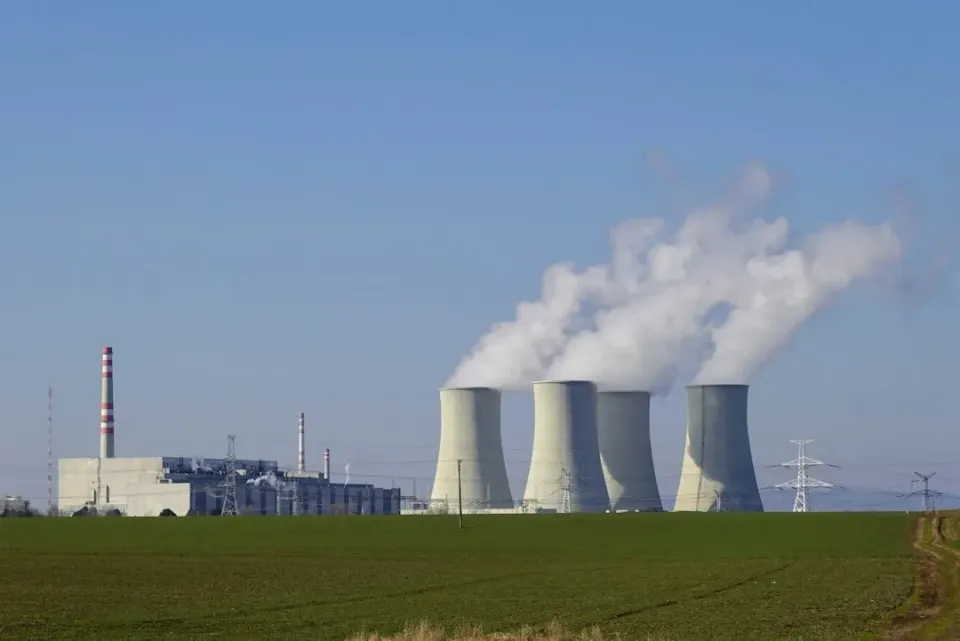
The global energy landscape is witnessing a historic shift as long-term uranium prices reached a record high of $96 per pound today. This peak surpasses the previous high-water mark set in mid-2007, signaling a massive bet by global powers on a nuclear-powered future. The surge is driven primarily by the "AI energy hunger" narrative, where tech giants are increasingly looking toward nuclear small modular reactors to power the massive data centers required for next-generation artificial intelligence. However, there is a strange disconnect in the markets: while the physical fuel (uranium) is hitting records, nuclear-related stocks have actually begun to slide.
This divergence is largely due to the broader economic environment. While the demand for carbon-free baseload power is undeniable, the high interest rate environment makes the capital-intensive construction of nuclear plants incredibly expensive. Investors are currently weighing the long-term necessity of nuclear energy against the immediate financial risks of high borrowing costs. For the energy sector, this means we are in a "wait and see" period where the raw materials are being hoarded, but the actual infrastructure projects are facing delays. This price action in uranium often serves as a leading indicator for energy inflation, which could keep global central banks on a hawkish path for longer than expected.
Global Bond Sell-Off and Japan’s Residency Shock
Global financial stability is being tested as a massive sell-off in the bond market intensifies. In the UK, long-term borrowing costs have surged past the 6% mark, a level not seen in nearly three decades. This movement is fueled by growing fears that the US deficit is becoming unsustainable and that persistent oil prices will force central banks to keep interest rates elevated to combat sticky inflation. When bond yields rise this sharply, it places immense pressure on all other asset classes, including equities and emerging market currencies, as the "risk-free" rate becomes more attractive to big capital.
Simultaneously, Japan has sent shockwaves through the global labor market by raising residency fees by a staggering 2,000 percent. Prime Minister Sanae Takaichi’s administration is moving toward a more restrictive immigration policy despite Japan's well-documented labor shortages. This move reflects a growing global trend of nationalist economic policies over globalist integration. For international workers and investors, this suggests that the era of easy movement and cheap labor in developed economies may be coming to an end, potentially adding more fuel to the global inflationary fire as companies struggle to fill positions.
AI Sovereignty: OpenAI’s ‘Dots’ and the Battle for Content
In the technology sector, the competition for AI dominance has reached a new fever pitch. At OpenAI’s annual DevDay, CEO Sam Altman introduced "Dots," a new autonomous AI agent powered by the GPT-6 Astra model. This move is a direct challenge to Meta’s Muse platform, which has recently dominated the "agentic AI" space. These agents are designed not just to answer questions, but to perform complex multi-step tasks across different software platforms, effectively acting as digital employees. The launch signifies a shift from AI as a chatbot to AI as an active participant in the digital economy.
However, this technological leap is facing significant legal hurdles. In Australia, Anthropic is pushing for an "opt-out" model for training its Claude AI on copyrighted content, a move that has drawn fierce criticism from major broadcasters like the ABC and SBS. The media organizations argue that this model would lead to the "cannibalization" of news, where AI models profit from the work of journalists without providing compensation. This battle over data sovereignty will likely set the global precedent for how intellectual property is handled in the age of generative AI, determining whether the wealth created by these technologies is shared with content creators or hoarded by the platform owners.

Frequently Asked Questions
چرا قیمت اورانیوم به رکورد تاریخی رسیده است؟
تأثیر تنشهای دیپلماتیک اخیر بر بازار ارز ایران چه بود؟
ایجنت جدید OpenAI به نام Dots چه تفاوتی با چتباتهای معمولی دارد؟
Understanding a Global Bond Sell-off and its Implications
When news headlines mention "Global Bond Markets Shiver" or a "Global bond sell-off," it refers to a significant decline in the prices of bonds across various international markets. Bonds are essentially loans made to governments or corporations, where the bondholder receives regular interest payments and the principal back at maturity. They are considered relatively safe investments, especially government bonds, and their prices are inversely related to their yields (interest rates). A sell-off indicates that investors are collectively selling their bonds, pushing prices down and, consequently, driving yields up.
This phenomenon can be triggered by several factors. One primary driver is rising inflation expectations: if investors anticipate that inflation will erode the future purchasing power of their fixed interest payments, they demand higher yields to compensate for this risk. Central banks often respond to inflation by raising benchmark interest rates, which makes newly issued bonds more attractive and devalues existing, lower-yielding bonds. Geopolitical instability, such as heightened tensions or conflicts, can also lead to a bond sell-off as investors seek to reallocate capital to perceived safer havens or commodities, or simply withdraw from riskier assets.
The implications of a global bond sell-off are far-reaching. As bond yields rise, the cost of borrowing increases for everyone – governments, corporations, and even individuals (through higher mortgage rates or loan costs). This can slow down economic growth by making investment more expensive and reducing consumer spending. Furthermore, higher bond yields can make stocks less attractive by offering a competitive, relatively safer return, potentially leading to a broader market correction. For economies heavily reliant on foreign capital, a sell-off can trigger capital flight and currency depreciation.
Ultimately, a global bond sell-off reflects a shift in market sentiment, often signaling concerns about inflation, economic stability, or geopolitical risk. It's a critical indicator that central banks, policymakers, and investors worldwide closely monitor, as its effects ripple through virtually every corner of the global financial system, influencing everything from national budgets to everyday borrowing costs.
Topics
Related Articles