Pink October Science vs. Geopolitical Friction: UK Accuses Iran in RAF Incident as Markets Edge Higher
اکتبر صورتی و تنشهای ژئوپلیتیک: اتهام انگلیس علیه ایران و نوسان مثبت در بازار ارز و طلا
As the world marks the start of Breast Cancer Awareness Month with breakthrough research at the Curie Institute, geopolitical tensions flare following UK allegations against Iran. Meanwhile, the Toman experiences a slight depreciation as gold prices push higher in Tehran.
At time of publishing
USD
258,300
Toman
Gold 18K
25.69M
Toman / gram
Bitcoin
$84,068
US Dollar
Tether
258,233.1
Toman
Pink October: The Cutting Edge of Cancer Awareness
Today, Thursday, October 1, 2026, marks the beginning of 'Pink October,' the global campaign dedicated to raising awareness about breast cancer. While the campaign is often associated with symbolic pink ribbons, the real story this year lies in the laboratory. At Paris's Curie Institute, researchers are unveiling 'tumors on a chip'—miniature, bio-engineered models that recreate the complex environment of a tumor in a controlled, in-vitro setting. This technology allows scientists to test treatments with unprecedented precision, moving away from generalized chemotherapy toward highly personalized medicine.
For readers in Iran, where breast cancer remains a leading cause of mortality among women, these scientific leaps are of critical importance. Despite the constraints of sanctions and economic pressure, early detection remains the most effective tool in saving lives. The development of new diagnostic technologies abroad eventually trickles down into global medical protocols, offering hope for more effective, less invasive treatments. However, the immediate challenge for the Iranian health sector remains the affordability and availability of advanced screening equipment amid fluctuating currency rates.

Geopolitical Friction: UK Points Finger at Iran After RAF Incident
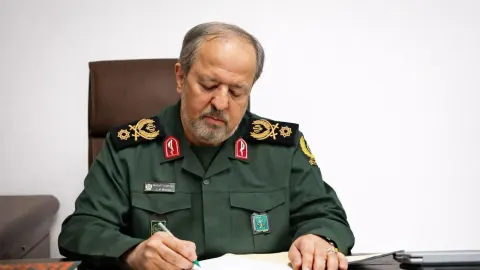
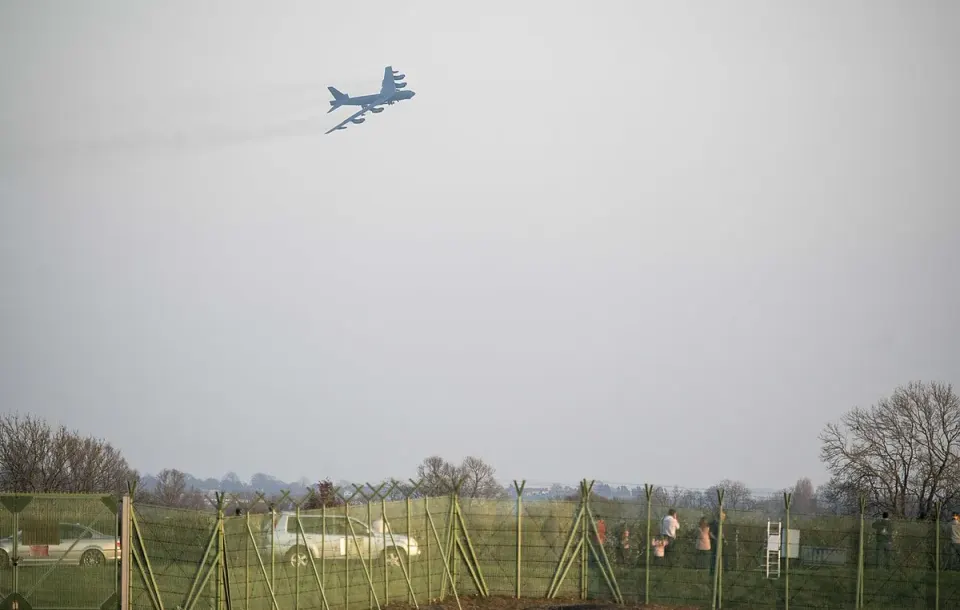
In a move that has sent ripples through diplomatic circles, UK Prime Minister Burnham has publicly stated that Iran is 'likely behind' a recent incident at an RAF base. While the specifics of the evidence remain classified, the rhetoric from London, supported by officials in Washington and Israel, suggests a significant escalation in 'gray zone' warfare. This refers to actions that fall below the threshold of open conflict but are designed to destabilize or signal intent. The lack of public evidence has led to a heated debate regarding the transparency of such accusations and their potential to trigger new rounds of sanctions.
For the Iranian public, this development is a familiar harbinger of economic volatility. Historically, whenever diplomatic tensions with the UK or the US intensify, the domestic currency market reacts with heightened sensitivity. The mere suggestion of Iranian involvement in a military-adjacent incident can lead to a 'risk premium' being added to the price of the US Dollar in Tehran. As long as these allegations remain unresolved, they provide a floor for currency prices, preventing the Toman from regaining lost ground despite the government's efforts to promote economic diplomacy.
Market Pulse: USD and Gold Climb Amid Global Uncertainty
The Tehran markets are reflecting the broader geopolitical anxiety this Thursday. The US Dollar (USD) moved from 256,200 to 258,300 Toman, marking a 0.8% increase over the last 24 hours. This steady climb suggests that traders are pricing in the risk of further international friction. Gold has seen an even more pronounced move, with 18k gold rising from 25,393,600 to 25,693,707 Toman (+1.2%). This surge is driven by a combination of a weaker Toman and a robust global gold price, which currently stands at $4,167.40 per ounce.
Investors are increasingly turning to gold and hard currency as a hedge against both domestic inflation and regional instability. The Emami coin also saw a 0.8% rise, moving from 259,000,000 to 261,000,000 Toman. These numbers indicate that despite President Pezeshkian's recent calls for national unity and economic dialogue, the market remains skeptical of a quick fix. For the average Iranian, these price shifts mean a continued erosion of purchasing power, especially for imported goods and high-value assets.
Crypto Sentiment: The 'Never Selling' Philosophy vs. Institutional Exits
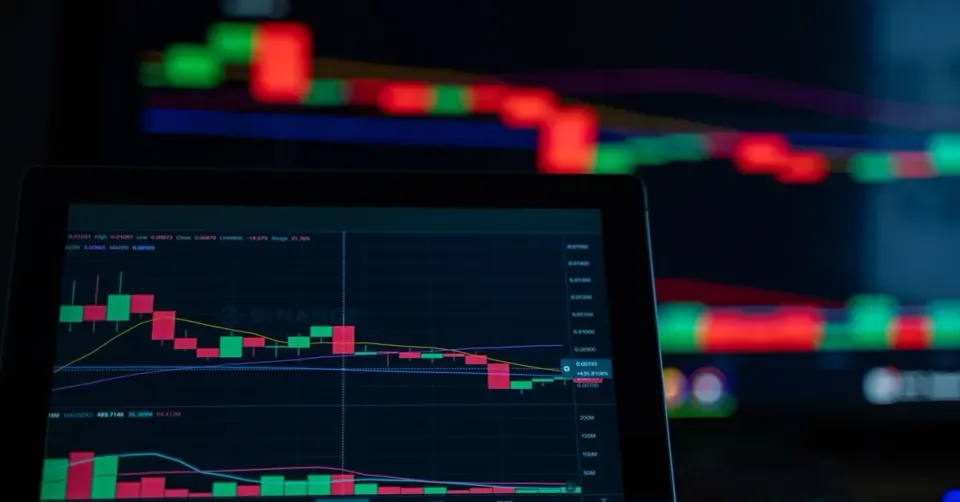
In the world of digital assets, Bitcoin (BTC) continues to hover around the $84,068 mark, showcasing a remarkable resilience despite significant outflows from US spot ETFs. Recent data shows that approximately $149 million exited Bitcoin ETFs, ending a nine-day streak of massive inflows. However, this institutional profit-taking is being met with a wall of retail conviction. A growing demographic of 'hard money' believers, such as the 47-year-old investor recently featured for buying Bitcoin with every spare dollar, exemplifies the shift toward viewing crypto as a long-term savings account rather than a speculative gamble.
This 'HODL' mentality is particularly relevant in Iran, where Bitcoin serves as a vital tool for capital preservation. When the Toman devalues, the relative value of Bitcoin in local terms skyrockets, providing a dual benefit: exposure to a global asset and protection against local currency collapse. While institutional players in the West might move in and out of the market based on quarterly targets, Iranian users often view their digital wallets as a 'final frontier' of financial sovereignty that is immune to local banking restrictions and geopolitical posturing.
US Media Wars: The White House and the CNN Ban
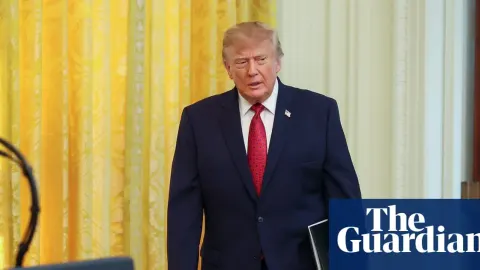
Domestic politics in the United States continues to be a source of global headlines as the White House again blocked CNN from the rotating press pool. This move comes despite a federal judge's temporary block on such bans, highlighting a deepening rift between the executive branch and the media. President Trump’s ongoing 'war' with certain news outlets creates an atmosphere of unpredictability that often translates into market volatility. When the leader of the world’s largest economy challenges established democratic norms like press freedom, it raises questions about the long-term stability of the US regulatory and political environment.
For international observers, this isn't just a story about media access; it’s about the reliability of information coming out of Washington. In an era where policy is often announced via social media or exclusive interviews, the exclusion of major outlets like CNN limits the diversity of reporting. This information vacuum can lead to sudden market swings as investors struggle to discern fact from political theater. For those tracking the US Dollar's global strength, these internal frictions are a reminder that even the world's reserve currency is not entirely immune to the consequences of political polarization.
Watch
Pink October: Raising awareness about breast cancer • FRANCE 24 English
FRANCE 24 English
Frequently Asked Questions
Why is the UK accusing Iran of the RAF base incident now?
How does 'Pink October' science impact the Iranian medical market?
Why is Bitcoin holding steady at $84k despite ETF outflows?
What is the significance of the 258,300 Toman level for USD?
Understanding Economic Diplomacy
Economic diplomacy is a critical concept in international relations, referring to the practice of using economic tools and relationships to achieve foreign policy objectives. It involves a nation's efforts to advance its national interests through economic means, whether by promoting trade, attracting investment, negotiating international agreements, or even imposing sanctions. In an increasingly interconnected world, where geopolitical events like the UK-Iran incident can quickly ripple through global markets, economic diplomacy serves as a crucial mechanism for states to manage complex relationships and navigate potential conflicts.
This approach recognizes that economic prosperity and political stability are often intertwined. For instance, a country might use favorable trade deals to strengthen alliances, or conversely, impose economic restrictions to pressure another state into altering its behavior. The goal is to leverage economic power – be it access to markets, resources, or financial capital – to influence the political landscape and secure strategic advantages. This can manifest in various forms, from high-level negotiations over energy supplies to the subtle cultivation of business ties that foster mutual dependence and reduce the likelihood of overt hostility.
When geopolitical friction escalates, as suggested by the UK's accusation against Iran, economic diplomacy becomes particularly vital. Nations might engage in back-channel discussions about economic concerns, seek to de-escalate tensions through shared economic projects, or weigh the economic consequences of their political actions. The reactions of markets, such as shifts in currency exchange rates (e.g., USD to IRR) or the price of safe-haven assets like gold, are often direct reflections of investor confidence in the stability of these diplomatic efforts. Leaders like Pezeshkian, mentioned in the keywords, would be keenly aware of how economic tools can be deployed to both protect national interests and foster international cooperation amidst political challenges.
This concept highlights that international relations are not solely defined by military might or political rhetoric. Instead, a significant portion of statecraft involves sophisticated economic strategies designed to build bridges, exert influence, or mitigate the fallout from political disputes. Understanding economic diplomacy provides a clearer lens through which to view global events, revealing how nations subtly and overtly use their economic leverage to shape the world order and manage the delicate balance between cooperation and competition.
Topics
Related Articles