Trump Dismisses 'Fake' Polls as Iran War Rhetoric Shifts; Toman and Gold Edge Higher in Tehran
ترامپ نظرسنجیها را «جعلی» خواند؛ افزایش قیمت دلار و طلا در سایه ابهامات جنگ
Donald Trump labels low poll ratings as 'fake numbers' while backtracking on his previous claims regarding the duration of the Iran conflict. Meanwhile, Tehran's markets see a modest rise in USD and gold prices despite reports of oil exports returning to pre-war levels in the Strait of Hormuz.
At time of publishing
USD
258,300
Toman
Gold 18K
25.81M
Toman / gram
Bitcoin
$84,370
US Dollar
Tether
258,218.119
Toman
Trump’s Revisionist History and the 'Fake' Numbers Strategy
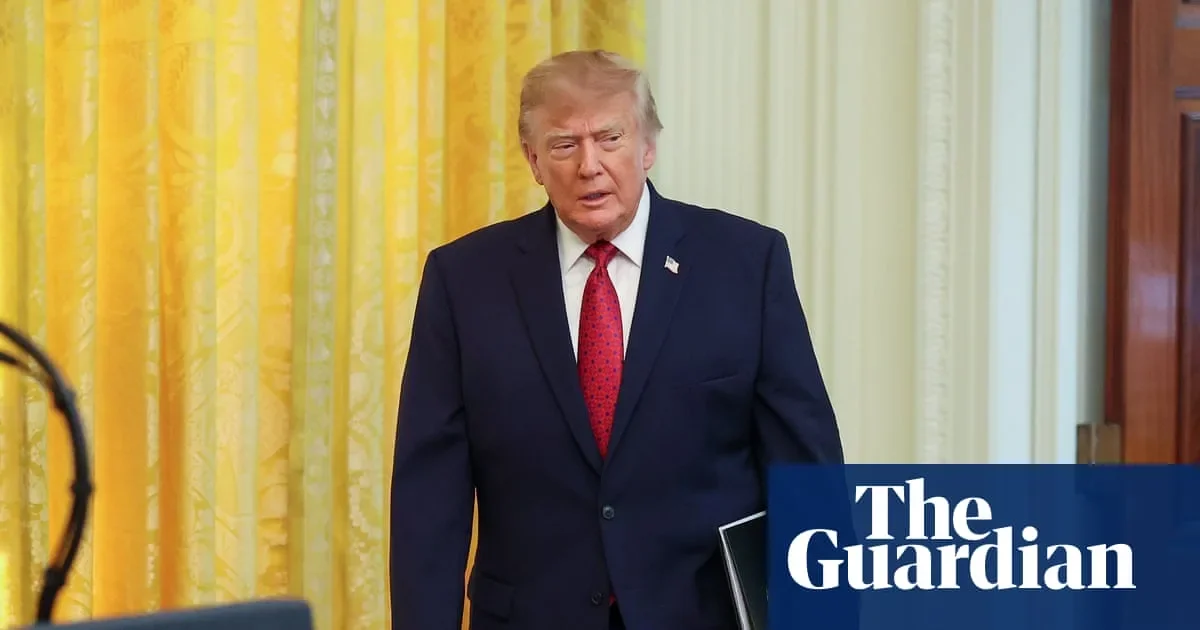
In a wide-ranging and contentious interview with Time magazine, Donald Trump has once again deployed his signature tactic of dismissing unfavorable data as "fake numbers." This time, the targets were his own plummeting poll ratings and the growing public skepticism over his administration's handling of the ongoing conflict with Iran. When confronted with his previous assertions in March that the military engagement would only last "four to five weeks," the President deflected responsibility, blaming the media for misinterpreting his remarks. This rhetorical shift suggests a White House that is now bracing for a much longer and more costly engagement than initially promised to the American electorate.
Beyond the polling data, Trump’s refusal to rule out declaring a state of emergency before the upcoming midterms has sent ripples through both political and financial circles. By framing the current geopolitical tension as a justification for expanded executive powers, the administration is signaling a move toward a more authoritarian domestic stance. For the markets, this uncertainty is a double-edged sword; while it highlights a potential for increased government spending and military contracts, it also introduces a level of domestic instability that typically drives investors toward safe-haven assets like gold and away from riskier equity positions.

Tehran Responds: Diplomatic Friction and the Nuclear Test Card
As the rhetoric in Washington intensifies, Tehran has launched its own diplomatic counter-offensive. Foreign Ministry spokesperson Esmaeil Baqaei formally criticized the U.S. President's recent remarks concerning the consequences of military aggression against Iran, labeling them as provocative and detached from reality. This exchange highlights a complete breakdown in direct communication, leaving the international community to decipher the intentions of both nations through public posturing. For the Iranian public, this translates to continued economic anxiety, as the prospect of a diplomatic off-ramp appears increasingly remote under the current U.S. leadership.
Adding another layer to the friction, Deputy Foreign Minister Kazem Gharibabadi has pivoted the conversation toward historical accountability. By stressing the United States' responsibility for the victims of past nuclear tests, Gharibabadi is attempting to shift the moral high ground on the international stage. This strategy serves two purposes: it appeals to the Global South by highlighting historical Western military excesses, and it provides a domestic narrative that frames current U.S. sanctions and military pressure as part of a long-standing pattern of "irresponsible" behavior. While this legalistic approach may not alter the immediate military reality, it complicates the U.S. effort to build a broad international coalition against Tehran.
Market Resilience and the Strait of Hormuz Paradox
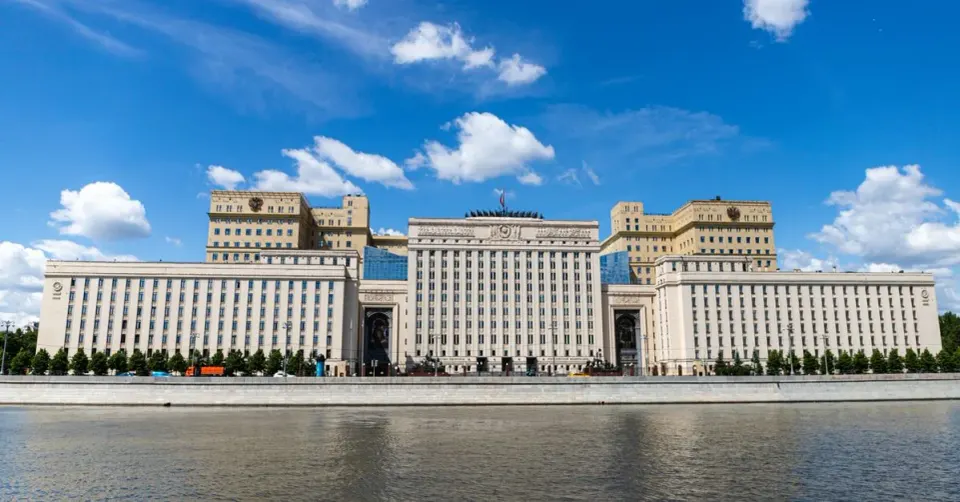
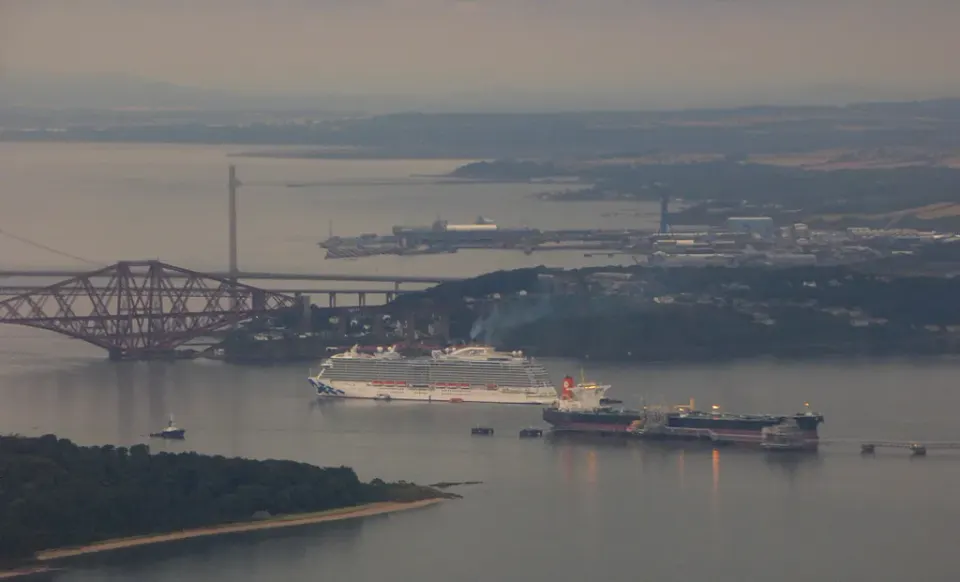
Despite the heated rhetoric, there are signs of physical resilience in the global energy supply chain. Reports indicate that crude oil exports from the Strait of Hormuz have largely returned to pre-war levels. Shipping companies and oil producers have adapted with remarkable speed, utilizing alternative pipelines and ship-to-ship transfers to bypass the most contested zones. However, a critical bottleneck remains: the flow of refined products like diesel continues to be constrained. This imbalance explains why global energy prices remain elevated even as crude supply stabilizes, directly impacting manufacturing costs and consumer inflation globally.
In the local Tehran market on Thursday, October 1, 2026, the reaction to these global shifts was one of cautious upward movement. The USD/IRR rate moved from 256,200 to 258,300, marking a 0.8% increase in the last 24 hours. Gold followed a similar trajectory, with 18k gold per gram rising from 25,393,600 to 25,809,132 Toman, a 1.6% jump. These movements suggest that while the physical flow of oil provides some fundamental support, the "fear premium" driven by Trump’s unpredictable rhetoric and the persistent diplomatic deadlock continues to weigh heavily on the Toman’s value. Investors are clearly prioritizing liquidity and hard assets as the midterm elections in the U.S. approach, fearing further volatility.
Frequently Asked Questions
Why is the Toman falling if oil exports from Hormuz have recovered?
What did Trump say about the duration of the Iran war?
How did gold prices react in Tehran today?
What is the significance of Gharibabadi's remarks on nuclear victims?
Understanding Geopolitical Risk Premium
Geopolitical Risk Premium refers to the additional return investors demand for holding assets in regions or markets perceived to be at higher political or military risk. It's essentially the market's way of pricing in uncertainty and potential instability, acting as a buffer against unforeseen events. This premium manifests in various ways, including higher borrowing costs for governments, increased volatility in financial markets, and significant shifts in currency valuations.
In the context of the Middle East, particularly with tensions involving Iran and the critical Strait of Hormuz, geopolitical risk premium becomes highly relevant. Threats of conflict, sanctions, or disruptions to vital trade routes can lead investors to pull capital out of the affected region. This capital flight often causes the local currency, such as the Iranian Toman, to depreciate against more stable international currencies like the US dollar, reflecting a loss of confidence and a flight to perceived safety.
Conversely, certain assets are considered "safe havens" during times of elevated geopolitical risk. Gold, for instance, often sees its price rise as investors seek a store of value that historically retains its worth during crises and economic uncertainty. Similarly, oil prices can surge due to fears of supply disruptions, especially if critical shipping lanes like the Strait of Hormuz, a choke point for global oil trade, are perceived to be at risk.
While the headline mentions Toman "edging higher," it's crucial to understand that in times of heightened geopolitical risk, local currencies like the Toman typically depreciate against stable international currencies such as the US dollar. This means the numerical value of the USD to IRR exchange rate would increase, reflecting a loss of purchasing power for the Toman as investors seek safer alternatives. The rise in gold prices, however, is a classic manifestation of the geopolitical risk premium, as gold serves as a traditional safe-haven asset.
Understanding this premium is crucial for interpreting market movements in volatile regions. It highlights how political rhetoric, international relations, and perceived threats directly translate into tangible economic consequences, influencing everything from daily exchange rates and commodity prices to long-term investment decisions and inflation rates.
Topics
Related Articles