
Yemen Counter-Offensive Ignites Regional Tensions as 'October Effect' Rattles Global and Local Markets
ضدحمله در یمن و هراس اکتبر در بازارهای جهانی؛ فشار همزمان تنشهای منطقهای و نوسانات ارزی بر بازار تهران
A major military escalation in Yemen and Japan's new crypto sanctions on Garantex have pushed regional risk premiums higher, while the historical 'October volatility' begins to weigh on global stocks and local currency rates.
At time of publishing
USD
268,700
Toman
Gold 18K
26.28M
Toman / gram
Bitcoin
$85,239
US Dollar
Tether
268,666.681
Toman
Yemen Escalation: A New Front in Regional Instability
The geopolitical landscape in the Middle East shifted significantly this Sunday as the leader of Yemen's Saudi-backed government announced a major counter-offensive against the Iran-backed Houthi forces. This military push follows a strategic move by Houthi militants to cut off a vital supply route to the besieged city of Taiz, a development that security sources say has intensified the humanitarian and military crisis in the region. The escalation comes at a time when regional stability is already brittle, and any direct military confrontation involving proxies of regional powers is viewed by markets as a signal for increased volatility and potential disruptions to energy supply chains.
For Iranian observers, this development is more than just a distant conflict; it directly impacts the 'security premium' embedded in the price of the US Dollar and Gold in Tehran. Historically, whenever tensions rise in the Red Sea or involving the Houthi movement, the Rial faces downward pressure as local investors seek the safety of hard assets. While the Iranian Foreign Ministry has recently indicated it is assessing US proposals for ending regional conflicts, the ground reality in Yemen suggests that a diplomatic breakthrough remains elusive, keeping the risk-off sentiment firmly in place across Middle Eastern exchanges.

The 'October Effect' and Local Market Resilience
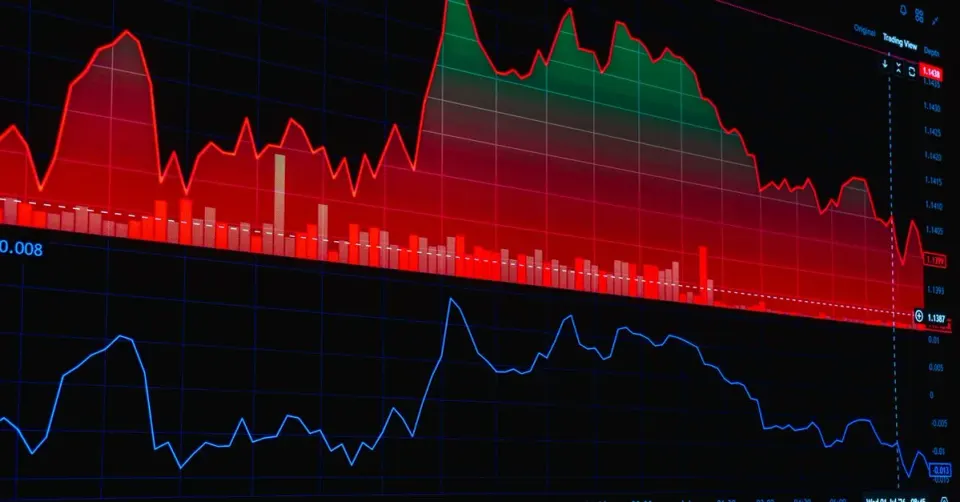
Global financial markets have entered October with a sense of trepidation, often referred to as the 'October Effect'—a month historically associated with some of the most significant market crashes and high volatility. This year is no exception, as investors navigate a complex web of high interest rates, geopolitical shocks, and shifting economic data. In Tehran, the local market has reflected this nervousness; the USD/IRR rate moved from 268,500 to 268,700, representing a modest but steady 0.1% increase. Meanwhile, Gold 18k per gram rose by 0.3%, climbing from 26,201,579 to 26,282,376 Toman, signaling that the flight to safety remains the dominant strategy for local capital.
However, the market is not moving in a single direction. Interestingly, the Emami coin saw a contraction, falling from 274,000,000 to 271,000,000 Toman, a decrease of 1.1%. This divergence suggests that while the base price of gold and currency remains high due to global and regional factors, the local 'bubble' or premium on specific minted coins may be deflating as liquidity tightens or profit-taking occurs. Investors are advised to watch the 268k level for the Dollar closely; a sustained break above this could signal a new leg up in the inflationary cycle for the fourth quarter of 2026.
Crypto Sanctions and the Narrowing Gray Market
In the world of digital assets, Japan has officially added the exchange Garantex to its list of sanctioned entities due to its alleged role in helping Russian organizations evade financial restrictions during the ongoing Ukraine war. Garantex had already been targeted by the US and EU, but Japan's inclusion marks a tightening of the global regulatory net around 'gray market' crypto platforms. This move is particularly relevant for users in sanctioned jurisdictions, including Iran, who often rely on similar over-the-counter (OTC) and high-liquidity platforms to move capital across borders. As G7 nations harmonize their sanction lists, the avenues for non-compliant crypto transactions are becoming increasingly restricted and risky.
Despite these regulatory headwinds, the broader crypto market remains buoyant with Bitcoin (BTC) trading at $85,239. The resilience of Bitcoin suggests that institutional demand and its perception as 'digital gold' are currently outweighing the specific regulatory crackdowns on individual exchanges. For Iranian traders, the stability of Tether (USDT) at 268,667 Toman—closely tracking the free market dollar—remains the primary gateway for preserving value. However, the Garantex news serves as a reminder that the infrastructure of the crypto world is under intense scrutiny, and the cost of anonymity is rising as global compliance standards become the norm.
Consumer Tech: Apple’s Strategic Discounting
On a lighter note, the tech sector is seeing a rare moment of aggressive pricing from Apple during the October Prime Day events. The AirPods Pro 3, one of the most popular consumer audio products, has hit a price point of $179, a significant discount from its launch price. This move comes alongside price cuts for the latest iPad Mini and the M5-powered MacBook Airs. Apple’s decision to offer these discounts suggests a strategic push to capture market share and stimulate consumer spending in an economy where discretionary income is being squeezed by inflation and high living costs.

For tech enthusiasts and businesses in Iran, these price shifts in the US and global markets eventually trickle down to local markets, though often with a lag and a premium added for logistics and currency risk. The release of the M5 chip series represents a significant leap in computing efficiency, which is becoming increasingly vital for developers and creative professionals. As the global tech giant prepares for its next fiscal cycle, these 'Prime Day' signals suggest that even the most premium brands are recognizing the need for more competitive pricing to maintain momentum in a volatile global economy.
Frequently Asked Questions
چرا قیمت سکه امامی برخلاف دلار و طلا کاهش یافته است؟
تحریم صرافی گارانتکس توسط ژاپن چه اهمیتی برای کاربران ایرانی دارد؟
اثر اکتبر (October Effect) چیست و چگونه بر بازار ایران اثر میگذارد؟
Understanding Geopolitical Risk: How Global Tensions Impact Your Wallet
The news headline about a Yemen counter-offensive igniting regional tensions and rattling markets points to a crucial economic concept: Geopolitical Risk. This term refers to the potential for political events, conflicts, or instability in one region to significantly impact global and local economies, financial markets, and business operations. Unlike purely economic risks, geopolitical risks stem from non-economic factors like wars, civil unrest, diplomatic crises, or major policy shifts by governments, but their consequences are profoundly economic.
Geopolitical risk manifests in various ways across financial markets. It often leads to increased volatility as investors react to uncertainty. For instance, conflicts in key shipping lanes, such as those near Yemen's coast, can disrupt global supply chains and drive up commodity prices, particularly oil. During periods of heightened geopolitical tension, there's typically a "flight to safety," where investors move capital from riskier assets (like stocks in emerging markets) into perceived safe havens such as gold, certain stable currencies (like the US dollar), or government bonds of stable nations.
The keywords provided clearly illustrate this concept. A "Yemen counter-offensive" and subsequent "regional tensions" are classic examples of geopolitical events. These events directly influence market indicators like the "USD IRR price" and "Gold price Iran," as local and international investors adjust their portfolios in response to perceived instability. A weaker local currency (IRR) and higher demand for gold often reflect a population's attempt to hedge against inflation and economic uncertainty fueled by such regional conflicts, contributing to the broader "October market volatility" mentioned.
Understanding geopolitical risk is vital for anyone tracking global events and their economic repercussions. It highlights how seemingly distant political developments can have tangible, immediate effects on everything from the price of everyday goods to the value of national currencies and international investment flows. It underscores the interconnectedness of our world, where political stability is a prerequisite for economic prosperity.
Topics
Related Articles