Hormuz De-escalation? Iran Reviews US Response to 7-Day Plan as Global Unrest Shakes France and UK
بازگشایی احتمالی تنگه هرمز؛ ایران در حال بررسی پاسخ آمریکا به پیشنهاد آتشبس ۷ روزه
Iran is officially reviewing a US response to its proposal for a 7-day de-escalation in the Strait of Hormuz, potentially easing a global energy crisis. Meanwhile, mass school closures in France and a diplomatic row between Israel and the UK Green Party highlight a world on edge.
At time of publishing
USD
268,300
Toman
Gold 18K
26.28M
Toman / gram
Bitcoin
$85,373
US Dollar
Tether
268,269.682
Toman
Hormuz Stalemate: Iran Reviews US Response to De-escalation Plan
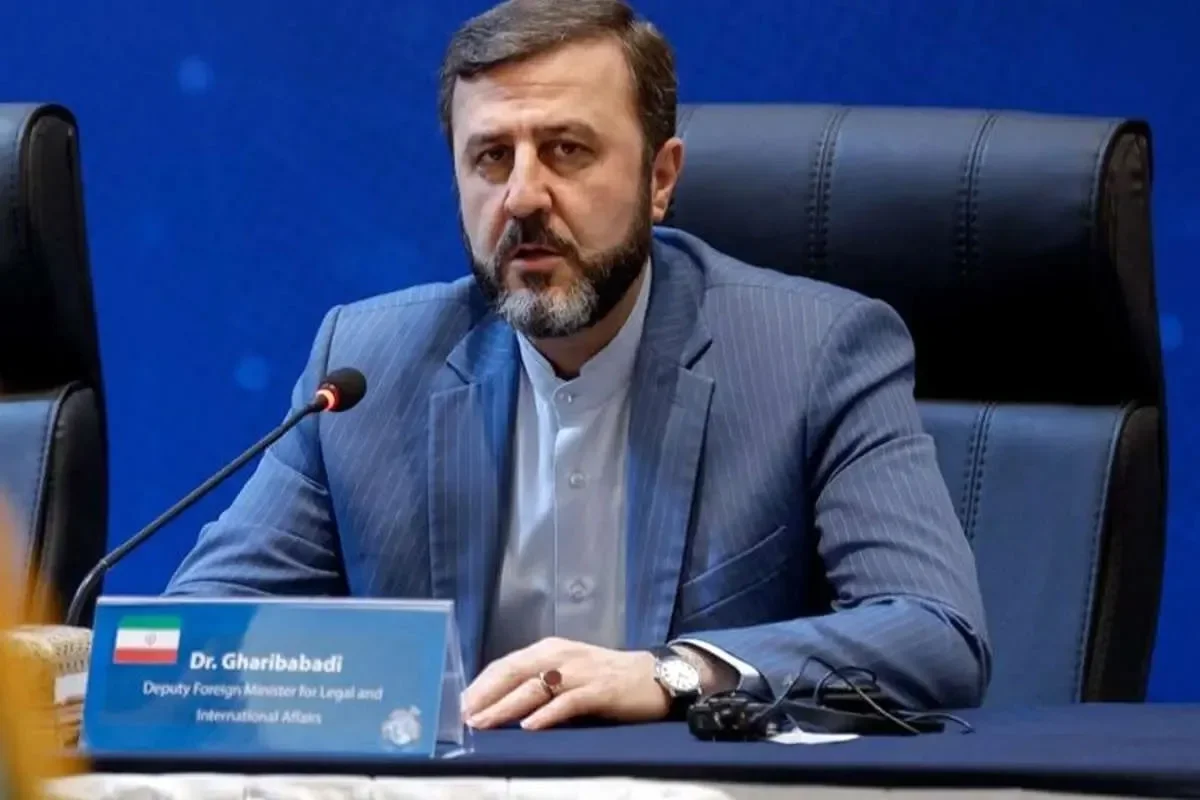
The diplomatic deadlock in the Persian Gulf may be showing its first signs of cracking. On Sunday, October 4, 2026, Kazem Gharibabadi, Iran’s Deputy Foreign Minister for Legal and International Affairs, confirmed that Tehran is currently reviewing the United States' formal response to Iran’s proposed 7-day plan. This proposal, aimed at ending hostilities and reopening the Strait of Hormuz, represents a significant tactical shift by the Iranian government, which has faced mounting economic pressure and a tightening naval blockade. While the details of the US response remain classified, the mere fact that a counter-proposal is being vetted in Tehran has injected a cautious sense of optimism into international shipping and energy markets.
The stakes for this de-escalation cannot be overstated. The blockade of the Strait of Hormuz has not only driven global oil prices to volatile highs but has also severely impacted the Iranian Rial. In the last 24 hours, the USD in Tehran moved from 268,500 to 268,300 Toman, a marginal 0.1% decrease that suggests traders are waiting for a concrete breakthrough before committing to a larger rally. If the 7-day plan is accepted, it could provide a much-needed "cooling-off" period, allowing for humanitarian aid and commercial traffic to resume, though skeptics warn that the underlying geopolitical tensions between Tehran and Washington remain as deep as ever.
Diplomatic Fallout: Israel Condemns UK Green Party Policy Shift
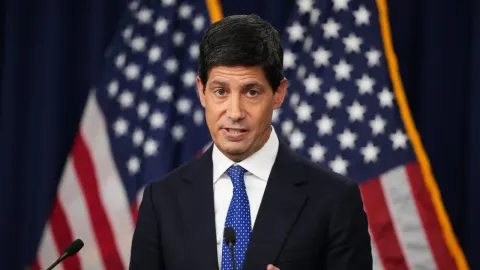
A new diplomatic firestorm has erupted in Europe as Israel formally condemned the UK Green Party’s latest policy adoption. The party recently passed a resolution equating Zionism with racism, a move that the Israeli government described as a "stain on the history of the UK." This development comes at a time of heightened sensitivity in British politics, where the Green Party has been gaining ground among younger voters by taking increasingly hardline stances on Middle Eastern conflicts. The condemnation from Tel Aviv was swift, framing the move as an endorsement of antisemitism and a departure from mainstream Western diplomatic norms.
The fallout from this decision is expected to ripple through the UK’s domestic political landscape. While the Green Party remains a minority force in Parliament, its influence on the broader left-wing discourse is significant. Critics argue that such policies further polarize the British public and complicate the UK's role as a potential mediator in regional conflicts. For Israel, the adoption of this policy by a recognized European political entity is seen as a dangerous precedent that could embolden similar movements across the continent, potentially affecting future trade agreements and security cooperation between the UK and Israel.
Domestic Crises: France Shuts Schools as US Gun Violence Peaks
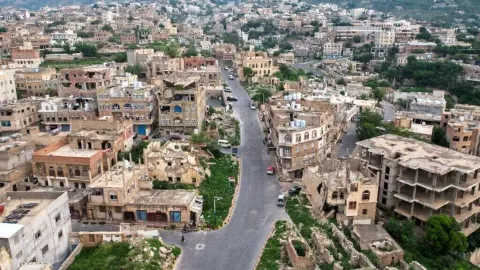
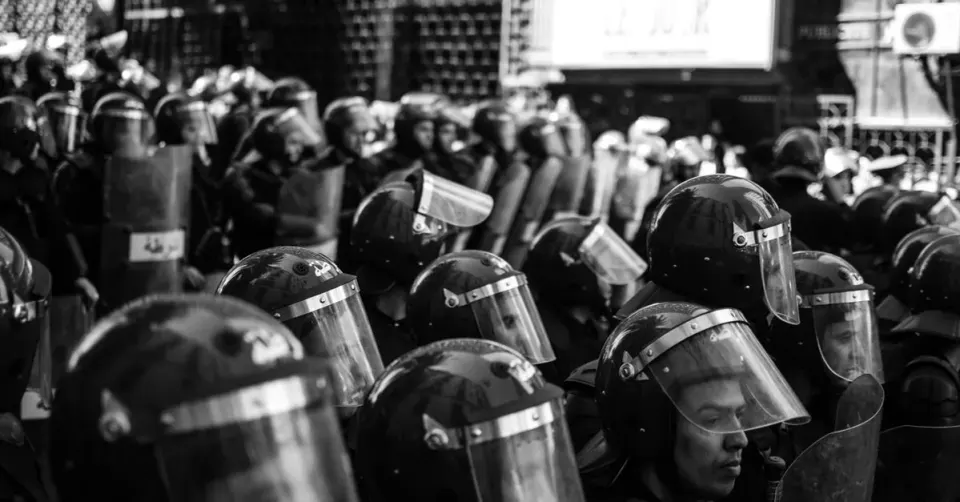
Internal stability is being tested across the Atlantic and in the heart of Europe. In France, Education Minister Édouard Geffray announced that more than 400 schools will be closed or partially closed on Monday due to escalating student unrest. The protests, which began last week, have seen 24 schools burnt or ransacked and dozens of staff members injured. The French government is struggling to contain the violence, which has evolved from specific education-related grievances into a broader expression of societal discontent. The closure of schools is a drastic measure, reflecting the state's inability to guarantee security in its own educational institutions.
Simultaneously, the United States is grappling with another weekend of devastating gun violence. Mass shootings in Georgia and Baltimore have left three people dead, including a 12-year-old girl, and dozens more injured. In Georgia, a homecoming block party turned into a scene of chaos with at least 25 people wounded, while the Baltimore shooting reportedly stemmed from a dispute over a parking spot. These incidents highlight the ongoing domestic instability in the US, which continues to dominate the social and political discourse despite the administration's focus on foreign policy and the upcoming electoral cycles.
Scientific Soft Power: IRGC Celebrates Astronomy Win Amid Hardship
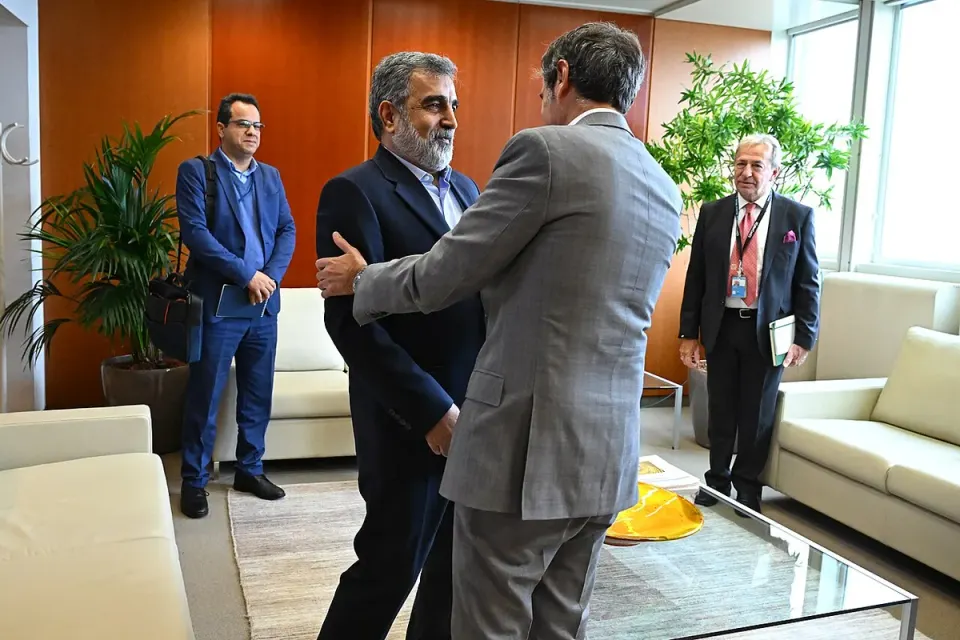
In a rare departure from military rhetoric, the Chief Commander of the Islamic Revolution Guards Corps (IRGC), Major General Ahmad Vahidi, publicly congratulated Iran’s national astronomy and astrophysics Olympiad team. The team secured five gold medals and the world title in Hanoi, Vietnam, a feat that state media is heavily promoting as proof of the country’s resilience under sanctions. By highlighting scientific achievements, the Iranian leadership seeks to project an image of internal strength and technological progress, even as the country faces a dire economic crisis admitted by other top security officials.
This emphasis on "scientific soft power" serves a dual purpose. Domestically, it aims to boost morale among a population weary of inflation and international isolation. Internationally, it is used to argue that the Iranian state’s development cannot be halted by Western pressure. However, these academic victories stand in stark contrast to the reality of the Rial's volatility and the high cost of living. While the astronomy team triumphs abroad, the domestic economy remains tethered to the outcome of the Hormuz negotiations and the stability of the global energy market.
Market Sentiment: Rial Stabilizes as Traders Eye Diplomatic Off-Ramps
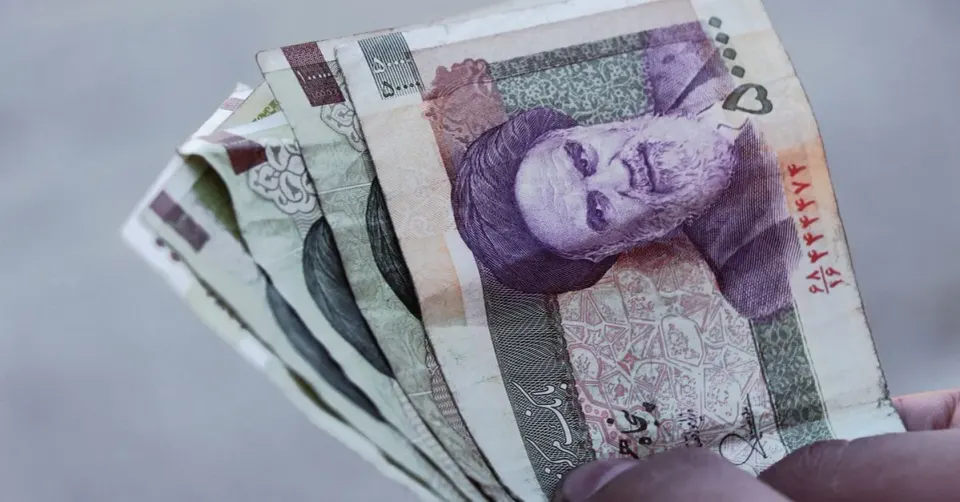
The Iranian markets on Sunday, October 4, 2026, reflected a period of watchful waiting. While the USD saw a minor dip, the gold market showed mixed signals. The price of 18k gold per gram rose slightly from 26,201,579 to 26,282,376 Toman (+0.3%), tracking a strong international gold ounce price of $4,141.80. Conversely, the Emami coin dropped significantly, falling from 274,000,000 to 271,000,000 Toman (-1.1%). This divergence suggests that while the physical gold market remains a hedge against inflation, the premium on specific coins is deflating as liquidity tightens and investors look for more stable assets.
In the cryptocurrency sector, Bitcoin (BTC) is trading at $85,373, maintaining its position as a preferred alternative for those looking to bypass traditional banking restrictions. The Tether (USDT) price in Toman sits at 268,270, almost perfectly aligned with the free-market USD rate. As the week progresses, the market's direction will be almost entirely dictated by the progress of the Hormuz de-escalation talks. Any sign of a formal agreement between Tehran and Washington could lead to a rapid appreciation of the Rial, whereas a breakdown in talks would likely send gold and USD prices to new record territory.
Frequently Asked Questions
What is the 7-day proposal for the Strait of Hormuz?
Why are schools closing in France?
How did the Iranian market react to the diplomatic news?
Understanding Geopolitical Risk: The Strait of Hormuz and its Economic Ripples
Geopolitical risk refers to the potential for political instability, conflicts, or international tensions to disrupt markets and economies. It's a critical concept for understanding global affairs, as events far from a nation's borders can have profound local impacts. Such risks can stem from various sources, including interstate conflicts, civil unrest, trade wars, or even significant policy shifts by major global powers. For investors, businesses, and policymakers, assessing and mitigating geopolitical risk is crucial for navigating an interconnected world economy.
The Strait of Hormuz serves as a prime example of a geopolitical flashpoint with immense economic significance. This narrow waterway, connecting the Persian Gulf to the open ocean, is one of the world's most critical choke points for oil transit. A substantial portion of the world's seaborne oil passes through it daily, making it indispensable for global energy security. Any escalation or de-escalation of tensions in this region, particularly involving major players like Iran and the United States, directly influences global oil prices, shipping costs, and the overall stability of international trade routes.
The economic ripples of geopolitical risk in areas like the Strait of Hormuz are far-reaching. When tensions rise, the uncertainty often leads to a surge in crude oil prices due to supply concerns. This, in turn, can fuel inflation globally and impact energy-dependent economies. Locally, in countries directly involved or highly sensitive to these dynamics, such as Iran, geopolitical instability can severely affect the national currency (e.g., the USD/IRR exchange rate). Investors often seek safe-haven assets like gold during times of heightened risk, driving up its price. Conversely, de-escalation, as hinted in the headline, can signal greater stability, potentially leading to a moderation of oil prices and a strengthening of local currencies, though the underlying risks often persist.
Topics
Related Articles