JD Vance Flexes MAHA Ties Amid Regional Conflict as Brazil Heads to a High-Stakes Election
خیز جیدی ونس برای ۲۰۲۸ در میانه تنشهای منطقهای و انتخابات سرنوشتساز برزیل
US Vice President JD Vance is strategically aligning with the MAHA movement to secure his 2028 presidential ambitions as the administration faces domestic pressure over the war in Iran. Simultaneously, Brazil's presidential race remains deadlocked between Lula and Bolsonaro, signaling a potential regional shift that could reshape global trade alliances.
At time of publishing
USD
267,600
Toman
Gold 18K
26.22M
Toman / gram
Bitcoin
$85,170
US Dollar
Tether
267,571.634
Toman
The 2028 Horizon: JD Vance and the MAHA Pivot
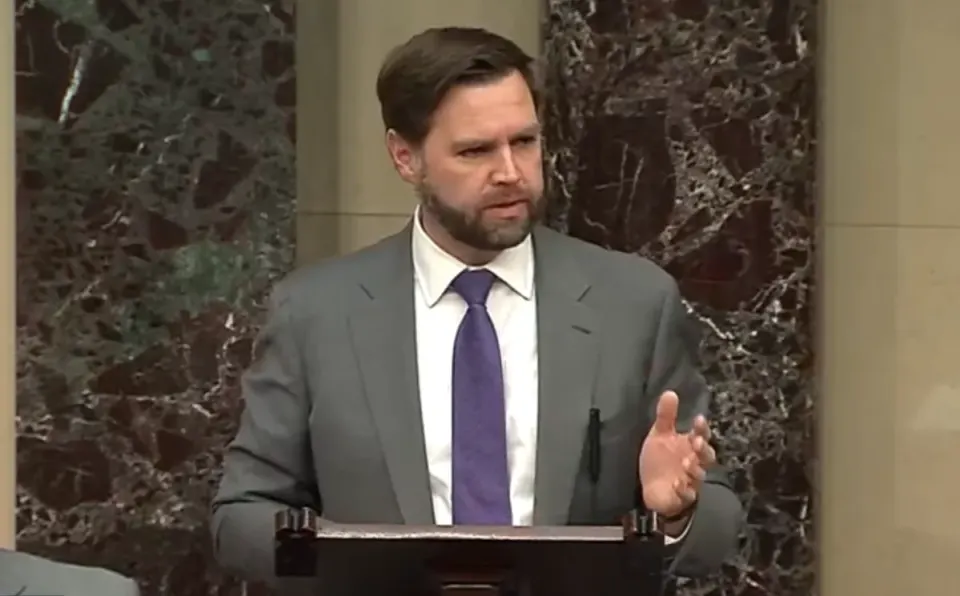
US Vice President JD Vance is increasingly positioning himself as the primary heir to the MAGA movement, but with a strategic twist. By aligning himself with the 'Make America Healthy Again' (MAHA) movement, Vance is attempting to broaden his appeal beyond traditional populist rhetoric. This maneuvering comes at a critical juncture as the current administration’s approval ratings face significant headwinds due to the ongoing conflict with Iran and persistently high domestic prices. Analysts suggest that Vance is trying to capture a segment of the electorate that is disillusioned with corporate influence over public health, even as the movement itself faces internal splits over its proximity to political power.
For the Iranian observer, this political maneuvering in Washington is more than just an internal American affair. It signals the long-term trajectory of US foreign policy. If Vance successfully consolidates his position for the 2028 election, it suggests that the hardline stance toward Tehran—characterized by naval blockades and maximum pressure—is likely to remain a cornerstone of Republican strategy for years to come. The overlap between the MAGA and MAHA bases creates a formidable political bloc that prioritizes national sovereignty and domestic economic stability over international interventionism, yet paradoxically finds itself deeply mired in Middle Eastern geopolitical struggles.
Brazil at a Crossroads: The Lula-Bolsonaro Deadlock
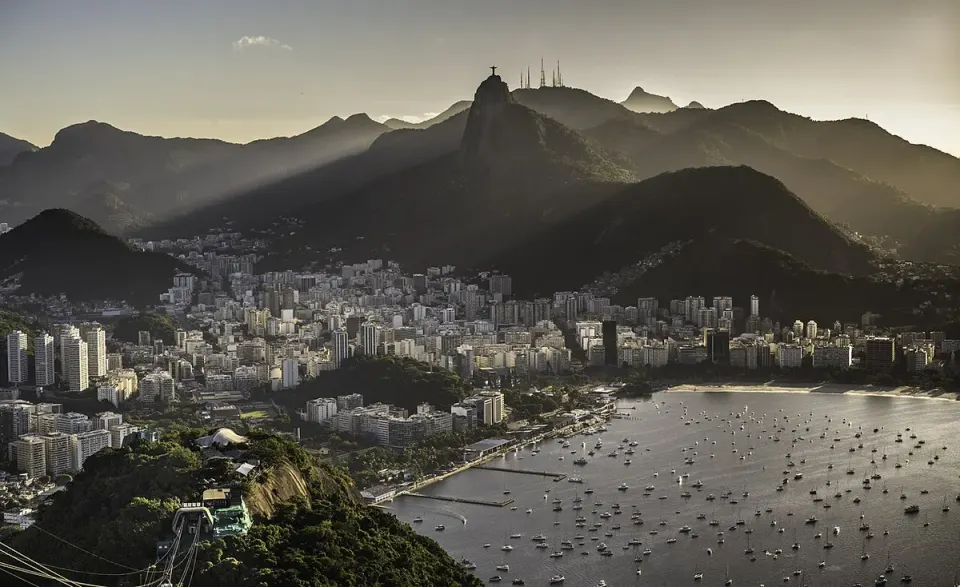
In South America, the world’s attention is fixed on Brazil as nearly 160 million voters head to the polls. The presidential race between incumbent Luiz Inacio Lula da Silva and Senator Flavio Bolsonaro, the son of former president Jair Bolsonaro, is currently a statistical tie. This election is being viewed as a referendum on the global swing toward right-wing populism, a movement championed by Donald Trump. The race is defined by deep polarization, where many citizens are voting not out of loyalty to a candidate, but out of fear of the opposition. Key factors such as the rising cost of living, religious influence, and social media echo chambers have eclipsed a major banking scandal that many expected would damage the Bolsonaro campaign.
The outcome of this election will have profound implications for global trade and geopolitical alignments. A victory for Flavio Bolsonaro would likely strengthen the axis of right-wing leaders across the Americas, potentially leading to more synchronized policies on energy and sanctions. Conversely, a fourth term for the 80-year-old Lula would maintain Brazil's role as a leader of the Global South, often acting as a bridge between Western powers and emerging economies. For global markets, the uncertainty surrounding the result is already contributing to volatility in emerging market currencies and commodity prices.
Regional Escalation and the Cost of Conflict
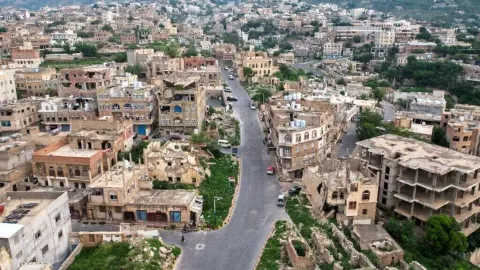
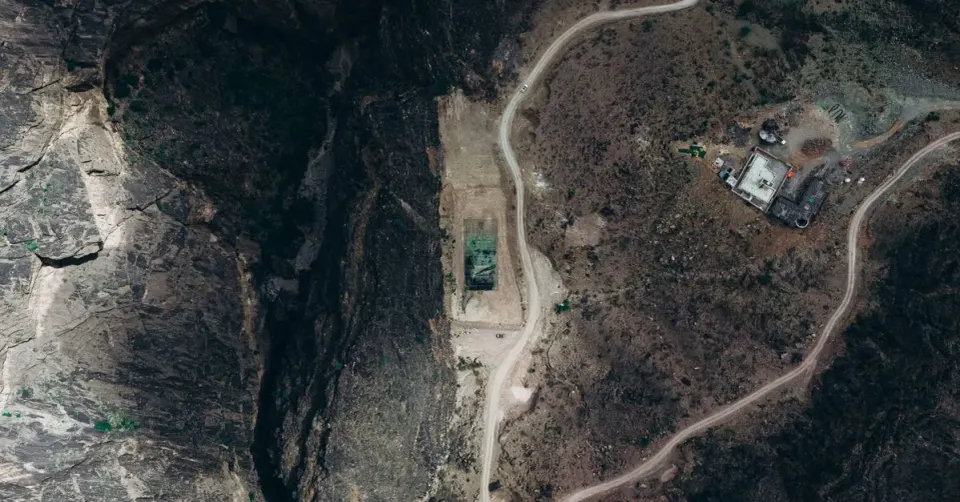
In the Middle East, the conflict continues to simmer with significant developments in Yemen and renewed rhetoric from Tehran. Yemeni forces recently reported repelling a Saudi-backed advance in the al-Jawf province, a move that underscores the persistent instability of the region's proxy battlegrounds. According to claims by the Yemeni armed forces spokesperson, dozens of mercenaries were killed or wounded, and military equipment was destroyed. This military activity remains a primary driver of risk premiums in the energy markets, as any escalation in Yemen is seen as a direct threat to shipping lanes and regional oil infrastructure.
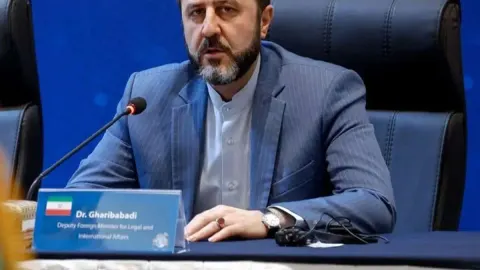
Meanwhile, the IRGC spokesperson in Tehran has shifted the narrative toward the economic cost of US military involvement. By questioning whether the US government is waging war on Iran or its own people, the spokesperson is tapping into the growing domestic American debate over military spending. This comes as Iran’s own security chief, Mohsen Rezaei, issued a rare warning regarding a 'dire economic crisis' within Iran, following tightened US sanctions and a naval blockade. The dual pressure of military tension and economic hardship is creating a volatile environment where both sides are using rhetoric to manage domestic expectations while preparing for potential escalation.
Market Realities: USD Softens as Gold Holds Ground
On the financial front, the Iranian market is showing signs of a cautious correction. The US Dollar (USD) sell rate moved from 268,500 to 267,600 Toman, marking a 0.3% decrease over the last 24 hours. This slight cooling of the greenback has not, however, translated into a broad market rally. The Emami gold coin saw a sharper decline, falling from 274,000,000 to 271,000,000 Toman (-1.1%), as investors likely liquidated positions to cover losses in other sectors or in anticipation of further currency stabilization. Despite this, 18k gold per gram managed a marginal gain of 0.1%, rising to 26,224,664 Toman, reflecting the enduring demand for gold as a hedge against geopolitical risk.
Global commodities and crypto markets are also navigating through the 'October effect' of historical volatility. Bitcoin remains resilient at $85,170, while the global gold ounce is trading at a staggering $4,141.80. The criticism directed at Australia and Turkey for their continued embrace of coal while hosting UN climate conferences (COP31) highlights the ongoing tension between environmental goals and economic reality. As these nations struggle to balance fossil fuel reliance with global climate commitments, the energy sector remains a focal point for long-term investors who are weighing the transition to green energy against the immediate profitability of traditional fuels.
Frequently Asked Questions
تاثیر انتخابات برزیل بر اقتصاد ایران چیست؟
چرا قیمت سکه امامی بیش از دلار کاهش یافت؟
جنبش MAHA چیست و چه ارتباطی به جیدی ونس دارد؟
Understanding Populism: Its Appeal and Far-Reaching Consequences
Populism is a political approach that appeals to ordinary people who feel that their concerns are disregarded by established elite groups. Characterized by a sharp distinction between "the pure people" and "the corrupt elite," populist movements often propose straightforward, sometimes radical, solutions to complex societal problems. While populism can emerge from various points on the political spectrum, its core appeal lies in its promise to restore power to the common citizen and challenge the status quo.
The rise of populist leaders and movements is a significant global phenomenon, as evidenced by figures like Lula and Bolsonaro in Brazil, who, despite their ideological differences, both employ populist rhetoric to mobilize their bases. Similarly, the "MAHA movement" mentioned in the keywords suggests a domestic political current in the United States that resonates with populist sentiments. These movements often thrive on public dissatisfaction with economic inequality, perceived political corruption, or a sense of national identity under threat.
Economically, populist policies can have profound and often volatile effects. Governments led by populist figures may implement protectionist trade measures, impose capital controls, or pursue expansionary fiscal policies without sufficient regard for long-term sustainability. Such actions can lead to currency depreciation, as seen in fluctuating exchange rates like the USD/IRR, and drive up inflation. In times of economic uncertainty fueled by populist policies, assets like gold often become attractive safe havens, influencing their price dynamics globally, including in places like Iran amidst its economic challenges.
Geopolitically, populism frequently translates into a more nationalistic and isolationist foreign policy. This can strain international alliances, lead to unilateral actions, and even exacerbate regional conflicts, such as the one in Yemen's Al-Jawf. By prioritizing national interests above multilateral cooperation, populist governments can disrupt global trade agreements, impose sanctions, and contribute to a more fragmented international order, making global challenges harder to address collaboratively. Understanding populism is crucial for comprehending contemporary political and economic shifts worldwide.
Topics
Related Articles