Olympiad Gold vs. Sanctions: Ghalibaf’s Defiance as Brazil’s Election and BTC’s $85k Pivot Shake Markets
پیروزی المپیاد نجوم در سایه تحریمها؛ رقابت داغ برزیل و نوسان بیتکوین در مرز ۸۵ هزار دلار
Iran celebrates a third consecutive world title in Astronomy as officials claim academic success proves sanctions are failing, while global markets eye Brazil's high-stakes election and Bitcoin's $85,000 threshold.
At time of publishing
USD
269,300
Toman
Gold 18K
26.44M
Toman / gram
Bitcoin
$85,489
US Dollar
Tether
268,872
Toman
Scientific Triumph as a Political Shield
Parliament Speaker Mohammad Bagher Ghalibaf and the head of the Judiciary have both seized upon Iran’s latest academic triumph to deliver a message of political defiance. The Iranian national Astronomy and Astrophysics Olympiad team secured five gold medals, clinching the overall championship for the third consecutive year at the 19th International Olympiad held in Vietnam. For the leadership in Tehran, this isn't just a win for science; it is a rhetorical weapon against Western economic pressure. Ghalibaf explicitly stated that this victory proves the nation's youth can "overcome sanctions and blockades," suggesting that intellectual capital is the ultimate bypass for the financial restrictions currently strangling the Rial.
This narrative of "scientific resistance" is crucial as the domestic economy continues to face headwinds. While the government celebrates the gold medals, the Iranian Rial has seen a slight depreciation today, with the USD moving from 268,500 to 269,300 Toman (+0.3%). By highlighting the success of the youth on the international stage, the authorities aim to bolster national morale and project an image of a country that is thriving despite its isolation. For the average citizen, however, the pride of the Olympiad win exists in a separate reality from the daily struggle with inflation and the rising cost of gold, which jumped 0.9% to over 26.4 million Toman per gram.

Brazil’s 2026 Election: A High-Stakes Shift for BRICS
Across the globe, the first-round results of Brazil’s 2026 presidential election are beginning to trickle in, pitting incumbent Luiz Inácio Lula da Silva against Flávio Bolsonaro. This election is far more than a local political contest; it is a pivotal moment for the BRICS alliance and global commodity markets. With Jair Bolsonaro currently imprisoned, his son Flávio represents a populist resurgence that could radically alter Brazil’s trade alignment with the East. For Iran, which has increasingly looked toward BRICS as a financial lifeline, the stability and political direction of Brazil are of paramount importance.
Market analysts are watching the results closely, as a shift in Brazilian leadership could impact everything from global oil prices to agricultural exports. The Brazilian Real and local stocks often act as a barometer for risk appetite in emerging markets. If the election leads to prolonged civil unrest or a sharp rightward turn, we could see a ripple effect that strengthens the US Dollar globally, further complicating the exchange rate for currencies like the Toman. The outcome will determine whether Brazil remains a steady pillar of the "Global South" or returns to the volatile isolationism seen in previous years.
Bitcoin’s $85k Pivot and the FlyDubai Security Crisis
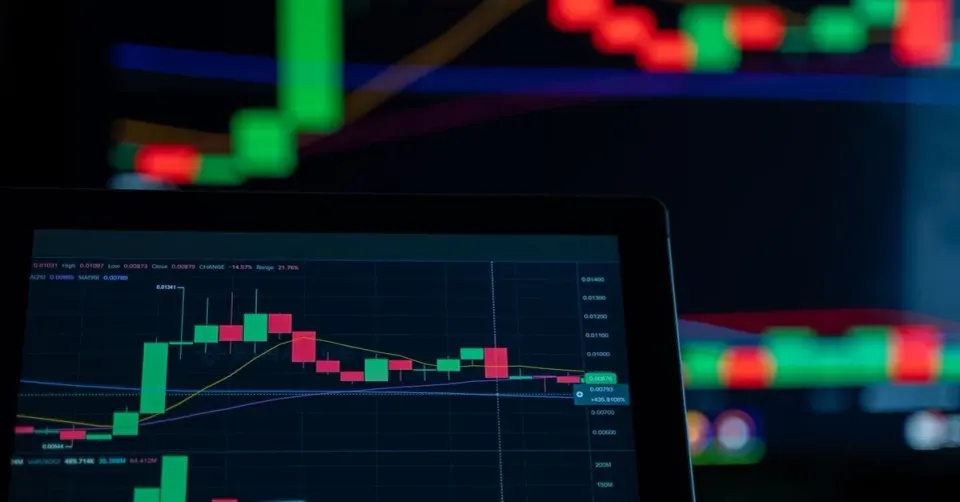
In the financial world, Bitcoin is currently coiling around the $85,489 mark, leaving traders divided on whether this is a "bull trap" or a setup for a massive breakout toward six figures. The cryptocurrency market has seen intense volatility as the final pre-election recess in the US Congress begins, leaving a regulatory vacuum that often invites speculative swings. For Iranian crypto holders, the stability of Bitcoin is being offset by the rising cost of Tether (USDT), which has tracked the USD's rise to 268,872 Toman, making entry into the market increasingly expensive for local retail investors.
Simultaneously, a geopolitical security crisis is brewing in the regional aviation sector. Israeli authorities are reportedly trading blame over a failure to flag an Omani co-pilot for FlyDubai who allegedly embraced extremist views and attempted to crash a flight. This incident has sent shockwaves through the Middle Eastern travel hub of Dubai. For Iran, which relies heavily on Dubai as a transit point for both passengers and light freight, any disruption or tightening of security protocols at FlyDubai could lead to increased travel costs and delays in the movement of goods, adding another layer of friction to an already stressed regional economy.

Frequently Asked Questions
چرا مقامات ایران قهرمانی المپیاد را به تحریمها گره میزنند؟
انتخابات برزیل چه تاثیری بر اقتصاد ایران دارد؟
وضعیت فعلی بیتکوین برای خریداران ایرانی چگونه است؟
How Economic Sanctions Shape Iran’s Currency and Gold Markets
Economic sanctions are tools used by countries or international bodies to pressure a target nation into changing policies, often by restricting trade, finance, and access to foreign assets. When the United States imposes sanctions on Iran, it blocks Iranian banks from the global SWIFT system, limits oil exports, and freezes overseas Iranian assets. These measures cut off the flow of foreign currency, especially US dollars, which Iran needs to import essential goods and services. The immediate market reaction is a sharp rise in the demand for the domestic currency – the Iranian rial (IRR) – relative to the restricted supply of dollars, causing the official exchange rate to diverge dramatically from the black‑market rate.
The divergence creates a dual‑exchange system: an official rate set by the Central Bank and a parallel market where Iranians and businesses trade dollars at a much higher price. For example, in October 2026 the official rate might be quoted at around 50,000 IRR per USD, while the market rate could exceed 300,000 IRR per USD. This gap erodes confidence in the rial, fuels inflation, and pushes citizens to seek assets that preserve value. Gold, priced in dollars, becomes a popular hedge because it can be bought abroad or stored locally, and its price in rials can surge as the currency weakens.
Gold’s role as a safe‑haven asset is amplified under sanctions. When the rial loses value, the amount of rials needed to purchase an ounce of gold can rise dramatically, turning gold into a de‑facto store of wealth for Iranians. The government may even intervene by setting a “Mehr” (a traditional Persian calendar month) price for gold to control speculation, but such controls are often bypassed by the informal market. Understanding this dynamic helps explain why headlines link Ghalibaf’s defiance of sanctions to spikes in both the USD/IRR rate and gold prices in Iran.
For investors and analysts, the key takeaway is that sanctions create structural currency risk that cannot be fully mitigated by monetary policy alone. Instead, they reshape the entire financial ecosystem, driving parallel markets, capital flight, and a heightened reliance on tangible assets like gold. Monitoring the gap between official and market exchange rates, as well as gold price movements in local currency, provides a clearer picture of the economic pressure points in sanction‑hit economies.
Topics
Related Articles