Pezeshkian Hails Asian Games Success Amid Oil Ministry Shakeup and Bitcoin's Surge to $85,000
تجلیل پزشکیان از قهرمانان آسیا همزمان با استعفای ناگهانی وزیر نفت و عبور بیتکوین از ۸۵ هزار دلار
President Pezeshkian celebrates Iran's 52-medal haul at the Nagoya Asian Games, while the resignation of the Oil Minister and a dire economic warning from security officials signal internal pressure. Meanwhile, Bitcoin hits a historic $85,000 milestone as Donald Trump names a new AI Czar.
At time of publishing
USD
269,300
Toman
Gold 18K
26.44M
Toman / gram
Bitcoin
$85,305
US Dollar
Tether
269,268.761
Toman
National Pride in Nagoya Amidst Economic Shadows
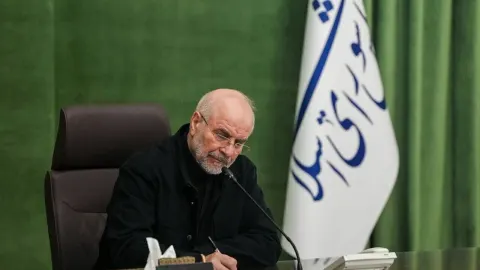
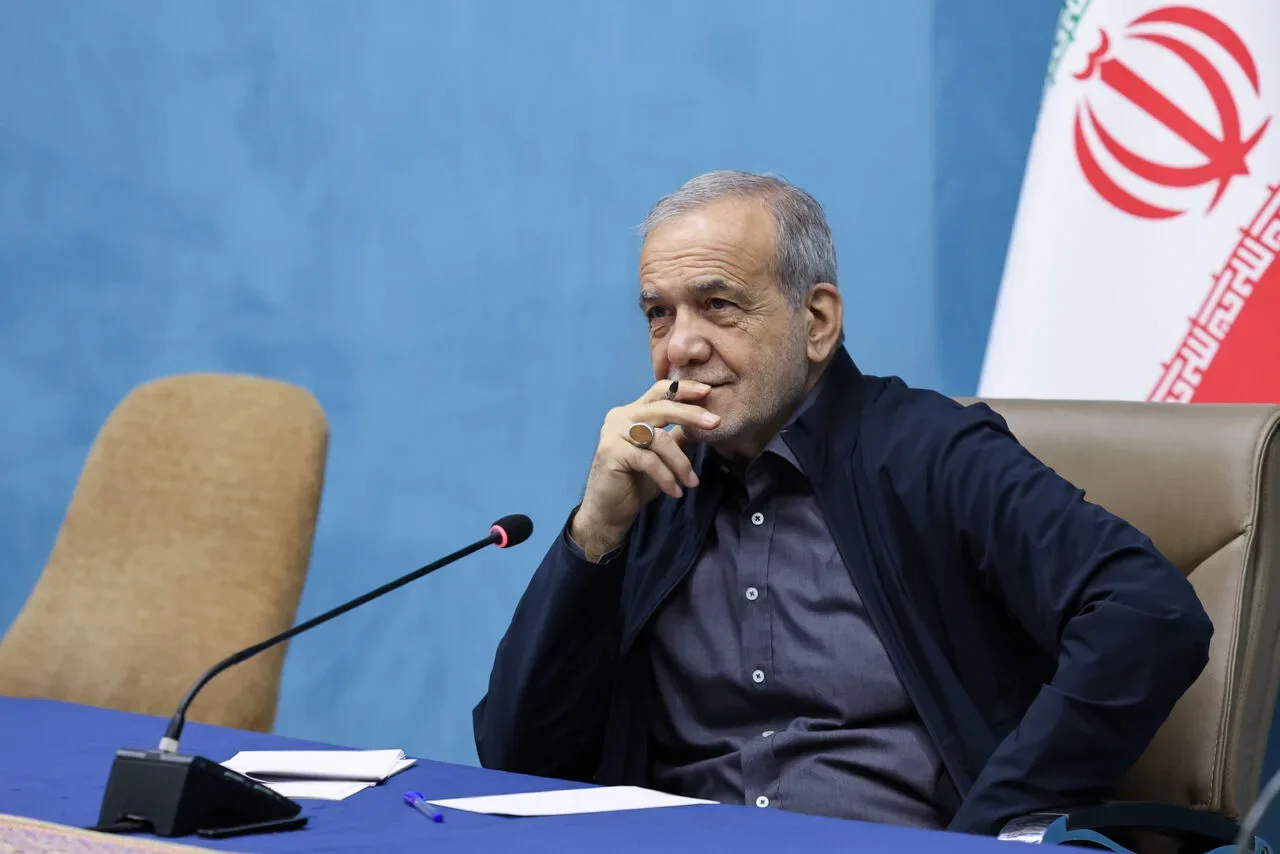
President Masoud Pezeshkian has officially congratulated the Iranian sports delegation for their impressive performance at the Asian Games in Nagoya, Japan. The delegation secured a total of 52 medals, a feat the President described as a "valuable display of the will, hope, and capability of Iranian youth." This celebration of athletic prowess comes at a critical time for the administration, providing a much-needed morale boost as the country continues to grapple with severe international isolation and internal economic challenges. In a separate statement, Pezeshkian also lauded the national astronomy and astrophysics team for securing their third consecutive world championship title, reinforcing a narrative of Iranian intellectual and physical excellence on the global stage.
However, these symbolic victories are being viewed against a backdrop of deep systemic stress. While the government highlights these achievements to project a sense of normalcy and progress, the domestic reality remains fraught with tension. For many Iranians, the success in sports and science serves as a bittersweet reminder of the potential of a generation that is currently stifled by censorship, limited opportunities, and a currency that continues to lose value. The administration’s focus on these headlines is seen by critics as an attempt to divert public attention from more pressing governance failures and the tightening grip of sanctions that have left the middle class struggling to maintain their standard of living.

Shaking the Pillars: Resignation at the Oil Ministry
In a move that has sent ripples through the energy sector, Mohsen Paknejad has resigned from his position as the Minister of Petroleum. President Pezeshkian wasted no time in appointing Hamid Bovard as the caretaker head of the Ministry. Bovard, a veteran of the National Iranian South Oil Company, steps into the role at a moment of extreme volatility. This leadership change occurs just as Mohsen Rezaei, the country’s top security official, issued a rare and sobering warning regarding a "dire economic crisis." Rezaei’s admission follows months of a tightened U.S. naval blockade and intensified sanctions that have severely hampered Iran’s ability to export crude oil, the lifeblood of its economy.
What this means for the Iranian public is a period of heightened uncertainty regarding energy subsidies and the stability of the national budget. The resignation of a key minister during a self-admitted economic crisis suggests deep-seated disagreements within the cabinet over how to navigate the current blockade. Bovard’s primary challenge will be to find clandestine routes for oil sales to maintain the thin flow of hard currency into the country. If the new leadership fails to stabilize oil revenues, the pressure on the Iranian Rial is expected to intensify, potentially leading to further inflationary spikes in the prices of basic goods and services.

Trump’s AI Czar and the $85,000 Bitcoin Milestone
On the global stage, the intersection of technology and finance has reached a new fever pitch. Donald Trump has officially named Jay Clayton, the former SEC Chairman and current Director of National Intelligence, as the new White House "AI Czar." Clayton, known in the crypto world for his aggressive regulatory stance against firms like Ripple, will now lead a "Super Intelligence Force" aimed at coordinating federal AI policy. This appointment signals that the U.S. intends to treat artificial intelligence not just as a commercial sector, but as a primary pillar of national security and geopolitical dominance. The move suggests a future of stricter oversight but also a more unified federal strategy to outpace competitors like China in the AI arms race.
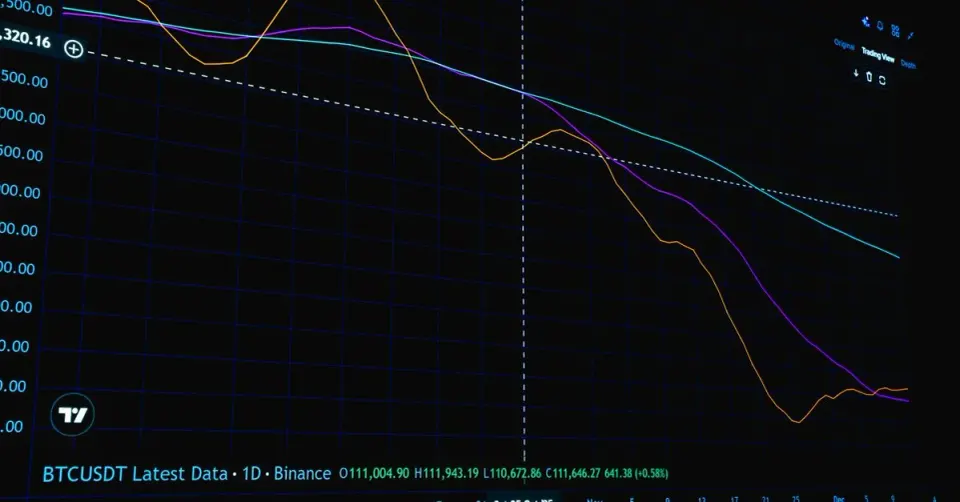
Simultaneously, the cryptocurrency market is witnessing historic volatility as Bitcoin (BTC) surged past the $85,000 mark. This rally comes as traders react to new developments regarding leveraged crypto products in the United States and the broader "Trump trade" sentiment. For Iranian investors, the rise of Bitcoin provides a double-edged sword; while it offers a potential hedge against the devaluing Toman, the increasing global regulatory scrutiny led by figures like Clayton could make cross-border transfers more difficult. In the local market, the USD/IRR exchange rate moved from 268,500 to 269,300 (+0.3%), while 18k gold rose 0.9% to 26,443,972 Toman per gram. Conversely, the Emami coin saw a slight correction, dropping 1.1% to 271,000,000 Toman, indicating a possible cooling of the speculative bubble in gold coins.
Frequently Asked Questions
Why did the Iranian Oil Minister resign?
What does Jay Clayton's appointment as AI Czar mean for crypto?
Why is the price of Emami coin falling while gold grams are rising?
Understanding Currency Devaluation and its Economic Impact
Currency devaluation occurs when a country's monetary authority (typically the central bank) deliberately lowers the official value of its currency relative to another currency, a group of currencies, or a currency standard. While often confused with depreciation, which is a market-driven fall in value, devaluation is a policy decision. Governments might choose to devalue their currency to make exports cheaper and more competitive globally, thereby boosting economic growth, or to reduce a trade deficit.
However, devaluation can also be an unintended consequence or a symptom of deeper economic woes. Factors like high inflation, political instability, significant government debt, or a persistent trade deficit can put immense pressure on a currency's value. In such scenarios, the central bank might be forced to devalue, or the market might drive a rapid depreciation. For citizens, a devalued currency means their purchasing power diminishes significantly, making imported goods more expensive and eroding the value of their savings.
This erosion of purchasing power often prompts individuals and institutions to seek alternative stores of value. Assets traditionally considered 'safe havens,' such as gold, tend to see increased demand during periods of currency instability. More recently, cryptocurrencies like Bitcoin have emerged as another option, attracting investors looking to protect their wealth from inflation and currency depreciation, especially in economies with high capital controls or volatile local currencies. A surge in the price of these alternative assets can thus be a strong indicator of underlying concerns about a national currency's stability and future value.
The resignation of a key minister, like an Oil Minister in an oil-dependent economy, can signal political uncertainty or potential shifts in economic policy, which in turn can impact investor confidence and currency stability. Similarly, mentions of an "economic crisis" or movements in the USD/local currency exchange rate directly point to concerns about the national currency's health. The concurrent rise in gold prices and a speculative surge in Bitcoin often reflect a flight from the national currency as people try to preserve their wealth against expected or ongoing devaluation.
Topics
Related Articles