Yemen Conflict Flares with 1,000 Strikes as AI Consolidation Hits $23 Billion
حمله گسترده ارتش یمن به مواضع حوثیها و زلزله ۲۳ میلیارد دلاری در بازار نرمافزارهای هوش مصنوعی
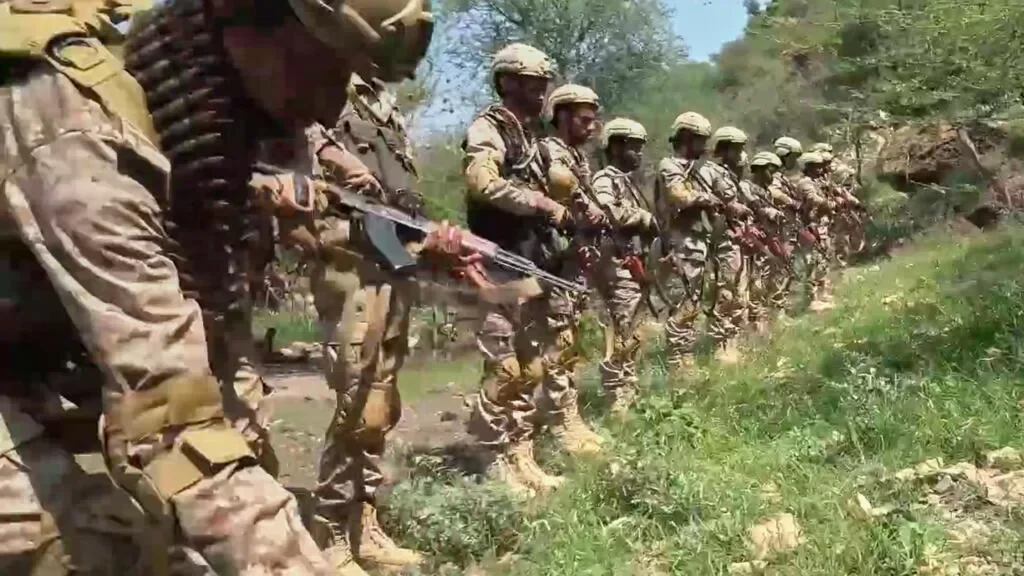
Yemen's military has launched a massive offensive against Houthi forces, marking a significant escalation in the regional conflict. Meanwhile, the global tech sector sees a major shift as Schneider Electric clinches a $23 billion deal, and Tehran's markets react with a 1.1% jump in gold coin prices.
At time of publishing
USD
270,400
Toman
Gold 18K
26.54M
Toman / gram
Bitcoin
$86,401
US Dollar
Tether
269,725
Toman
Yemen Escalation: 1,000 Strikes Target Houthi Strongholds
The Yemeni military announced on Monday, October 5, 2026, that it has launched a massive offensive involving more than 1,000 individual strikes against Iran-backed Houthi targets. This operation is a direct attempt to retake territories lost during a Houthi offensive that began in September, which has already resulted in hundreds of casualties on both sides according to United Nations figures. The intensity of this campaign suggests a significant shift in the conflict, which has now become the most active and volatile front in the broader Middle East proxy wars.
For regional observers, this escalation is particularly concerning as it threatens to further destabilize maritime security and energy supply chains. While the Houthis have maintained a grip on key northern territories, the scale of the Yemeni military's response indicates a renewed level of coordination and firepower, likely backed by regional allies. The conflict's intensification is already reflecting in market sentiment across the Middle East, as investors weigh the risks of a wider regional conflagration that could involve direct confrontations between state actors and non-state militias.

AI Consolidation: Schneider Electric’s $23 Billion Strategic Move
In the global technology and industrial sector, Schneider Electric has made headlines by striking a $23 billion deal to acquire a major industrial design software company. What makes this deal particularly noteworthy is that it was struck at a decade-low valuation, despite the target company being a significant player in the digital infrastructure space. Analysts are describing this as a classic case of an "AI winner" taking out a struggling competitor that failed to adapt quickly enough to the new technological landscape. Schneider, which has thrived due to the massive build-out of AI data centers, is effectively buying its way into a deeper software moat at a bargain price.
This acquisition highlights a growing trend in the global markets where the "AI divide" is becoming more pronounced. Companies that provide the physical and digital infrastructure for artificial intelligence are flush with cash and are now using their high valuations to consolidate the market. For the broader economy, this means that the era of cheap software startups might be giving way to a period of massive industrial-tech conglomerates that control the entire stack, from electrical hardware to the software that designs the factories of the future.

European Political Instability: Spain Calls Snap Elections
Adding to the global sense of uncertainty, Spanish Prime Minister Pedro Sánchez has officially called for a snap election to be held on November 29, 2026. The decision comes after the Spanish parliament rejected critical emergency relief measures aimed at addressing a national housing crisis that has sparked widespread protests across the country. Sánchez framed the upcoming vote as a choice between his progressive administration and a potential "far-right coalition" that he claims would lead the country into a period of regression.
This political move in Spain is a symptom of a larger trend across Europe, where housing affordability and the cost of living have become the primary drivers of political volatility. As governments struggle to manage inflation and supply shortages, the resulting social unrest is toppling established administrations and forcing early votes. For international markets, the Spanish election introduces another layer of risk, as one of the Eurozone's largest economies enters a period of high-stakes political campaigning during an already unstable global economic climate.
Tehran Market Watch: Gold and Currency Trends
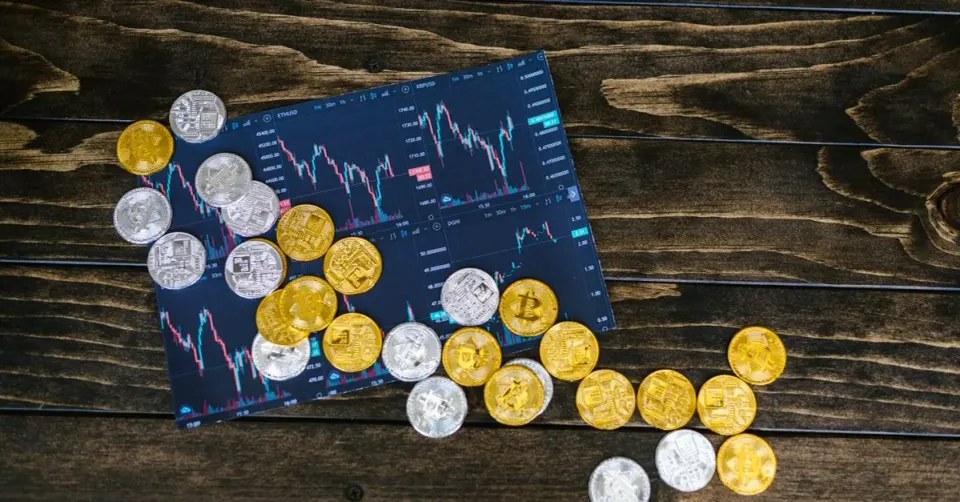
In Tehran, the local markets have responded to the mix of regional military escalation and global economic shifts. On Monday, October 5, 2026, the USD sell rate edged up from 269,300 to 270,400 Toman, marking a 0.4% increase over the last 24 hours. However, the more significant movement was seen in the gold sector, where the Emami coin jumped by 1.1%, rising from 271,000,000 to 274,000,000 Toman. This surge reflects a typical "flight to safety" among Iranian investors who often turn to gold as a hedge against regional instability and currency devaluation.
Simultaneously, Iranian diplomacy remains active as Foreign Minister Abbas Araghchi met with his Armenian counterpart, Ararat Mirzoyan, in Tehran. While the Deputy Foreign Minister Kazem Gharibabadi emphasized Iran's commitment to pursuing international legal action regarding regional war crimes, the market remains more focused on the immediate physical risks in Yemen and the potential for new sanctions. The combination of rising gold prices and a steady climb in the dollar suggests that the public remains cautious about the short-term economic outlook, despite ongoing diplomatic engagements in the Caucasus region.
Watch
Yemen announces military action against Iran-backed Houthis
CNN
Frequently Asked Questions
چرا قیمت سکه امامی بیش از دلار رشد کرده است؟
معامله ۲۳ میلیارد دلاری اشنایدر الکتریک چه تاثیری بر بازار تکنولوژی دارد؟
علت برگزاری انتخابات زودهنگام در اسپانیا چیست؟
Understanding Economic Sanctions and Their Global Impact
Economic sanctions are powerful foreign policy tools used by countries or international organizations to pressure states, entities, or individuals to change their behavior. Far from mere diplomatic scolding, these measures impose restrictions on trade, finance, travel, or other economic activities, aiming to inflict economic pain sufficient to achieve specific political objectives. They are often deployed as an alternative to military intervention, seeking to deter aggression, combat terrorism, promote human rights, or prevent nuclear proliferation.
Sanctions manifest in various forms, from comprehensive embargoes that ban nearly all commercial activity with a target country to more targeted "smart sanctions" that focus on specific sectors, individuals, or entities. Common mechanisms include asset freezes, preventing access to international financial systems (like SWIFT), restrictions on imports and exports of certain goods (e.g., oil, technology), and travel bans. The goal is often to isolate the target from the global economy, limiting their ability to generate revenue, acquire critical resources, or engage in international transactions.
For a country like Iran, which has faced extensive international sanctions, the impact can be profound and directly reflected in key economic indicators. Sanctions severely restrict access to foreign currency reserves and limit oil exports, which are crucial for government revenue. This often leads to a significant depreciation of the national currency, such as the Iranian Rial against the US Dollar (USD/IRR exchange rate), as the supply of foreign currency dwindles and demand remains high for imports.
Furthermore, with limited access to international trade and finance, domestic inflation tends to surge as goods become scarcer and more expensive. In such an environment, citizens often seek safe havens for their wealth, turning to tangible assets like gold. The price of gold in local currency can skyrocket, not just due to global market trends but also as a reflection of domestic economic uncertainty and a hedge against currency devaluation. Thus, fluctuations in the Iran gold price and the USD/IRR exchange rate are often direct barometers of the effectiveness and severity of sanctions and the resulting economic stress.
This economic pressure is intended to compel policy changes, but it also carries significant humanitarian risks and can destabilize regional dynamics, sometimes inadvertently fueling illicit trade or strengthening hardline factions. Understanding economic sanctions is crucial for grasping how geopolitical tensions, like those surrounding the Yemen conflict or regional rivalries, can translate into tangible economic realities for millions of people.