Middle East Oil Flows Surge, Boosting Iran's Wartime Leverage Amidst Sanctions
جریان نفت خاورمیانه افزایش یافت؛ اهرم جنگی ایران در سایه تحریمها
Overnight, reports indicated a significant increase in oil flowing through the Strait of Hormuz, potentially bolstering Iran's economic leverage despite ongoing sanctions. This development coincides with a mixed performance in global markets and a slight uptick in gold and Bitcoin prices.
At time of publishing
USD
269,300
Toman
Gold 18K
26.56M
Toman / gram
Bitcoin
$85,782
US Dollar
Tether
269,241.831
Toman
Market Open — A Cautious Start to the Day
As Tehran opens its markets this Monday, دوشنبه ۱۳ مهر ۱۴۰۵, the USD/IRR pair remains stubbornly stable, showing no change at 269,300 Toman. This flatlining suggests a temporary pause in the currency's usual fluctuations, perhaps reflecting a wait-and-see approach from traders. The gold gram, however, has seen a modest increase of 0.5% over the last 24 hours, nudging up to 26,564,014 Toman. This uptick, while small, could signal a slight preference for safe-haven assets amidst prevailing global uncertainties.
Bitcoin, the flagship cryptocurrency, also experienced a mild rally, trading at $85,782. While no 24h delta is provided for BTC in this snapshot, recent global crypto trends suggest a cautious optimism in the digital asset space. The broader market sentiment appears to be one of watchful waiting, with investors digesting geopolitical developments and their potential economic ramifications. The stability in the Rial, juxtaposed with the slight gains in gold and crypto, paints a complex picture of risk appetite and hedging strategies at play in the Iranian market.
---
East / Hormuz: The Return of Middle East Oil
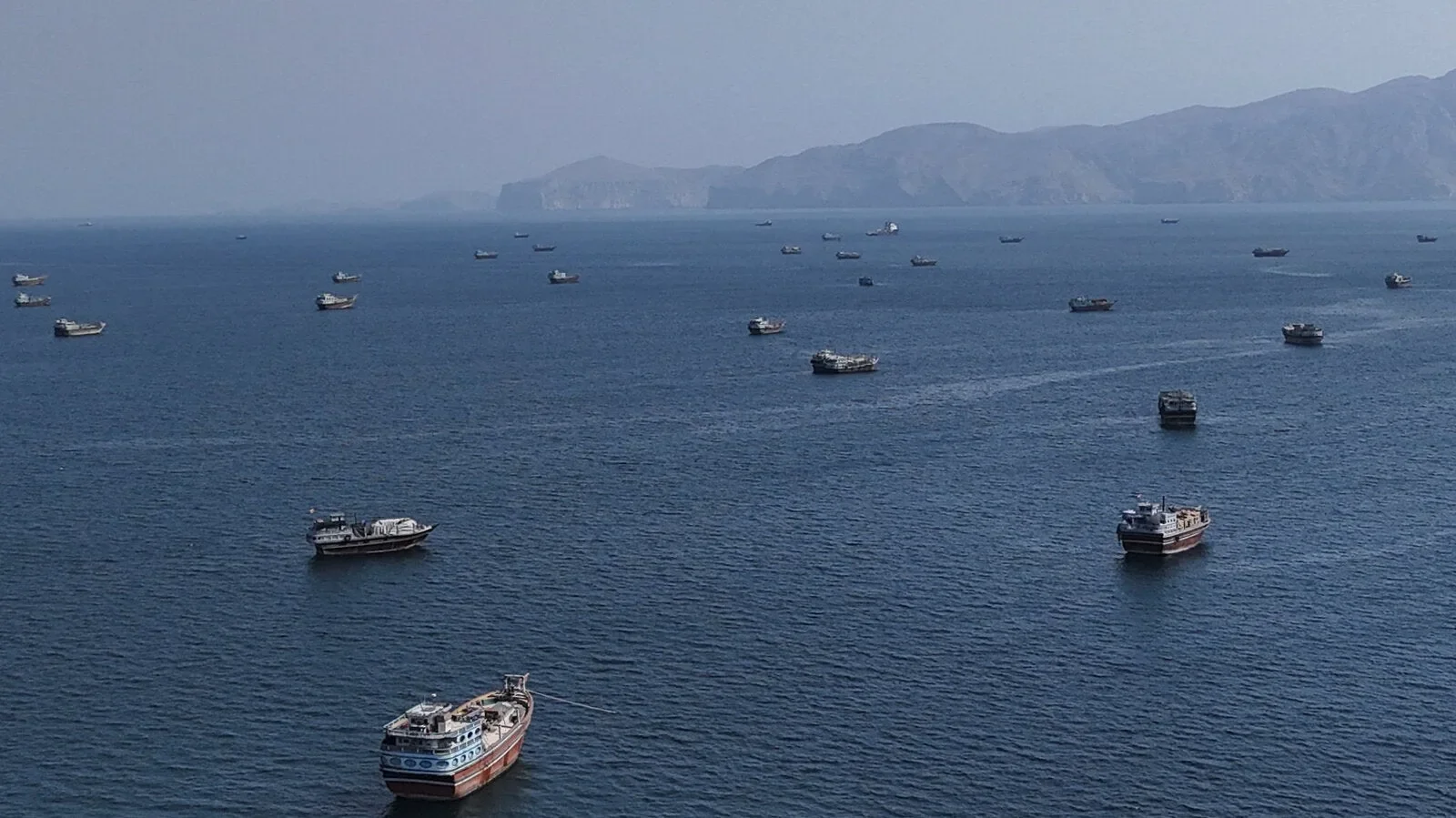
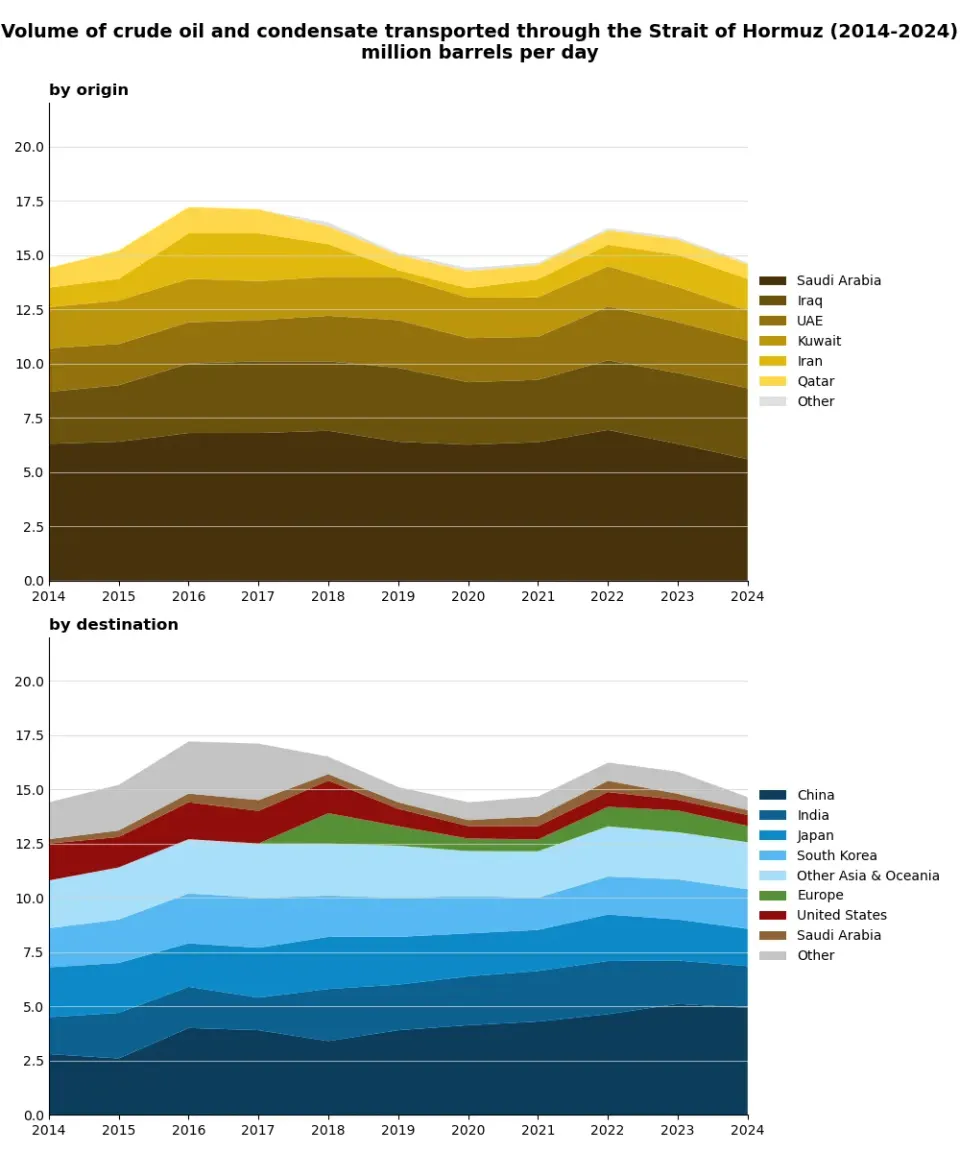
In a development that could significantly reshape regional dynamics and impact global energy markets, reports indicate a substantial increase in oil flowing through the Strait of Hormuz. This surge in crude shipments, detailed by sources like Kpler, suggests that despite geopolitical tensions and earlier concerns about disruptions, the vital waterway is operating at near or even above pre-conflict levels. This increased flow is particularly noteworthy as it occurs while Iran faces persistent international sanctions, raising questions about its ability to capitalize on this renewed transit activity.
The implications of this heightened oil traffic are multifaceted. For Iran, a greater volume of oil passing through its territorial waters could translate into increased revenue or at least a stronger negotiating position, potentially mitigating the effects of sanctions. However, the extent to which Iran directly benefits remains unclear, as the specific origins and destinations of these increased flows are subject to interpretation and ongoing geopolitical maneuvering. The situation also puts pressure on global oil prices, which have shown a tendency to fall when supply concerns ease, potentially impacting energy producers worldwide.
---
U.S. Sanctions Aim to ‘Shut Down’ Iran’s Airlines, but This Boeing Plane Is Still Flying
Despite the Trump administration's stated objective to "shut down" all Iranian airlines through stringent sanctions, reports highlight a curious exception: a specific Boeing aircraft continues to operate flights from Tehran to Southeast Asia. This apparent contradiction underscores the complex and often imperfect nature of international sanctions regimes. While the broad strokes of sanctions aim to cripple a nation's economic and logistical capabilities, the reality on the ground can involve loopholes, continued operations by specific entities, or differing interpretations of enforcement.
The continued operation of this particular flight route raises questions about the effectiveness and reach of U.S. sanctions against Iran's aviation sector. It suggests that either the targeted airlines have found ways to circumvent restrictions, or that certain international partners may be less rigorous in their enforcement. For the Iranian economy, the ability of even a single airline to maintain international routes provides a crucial, albeit limited, channel for trade, connectivity, and potentially, the movement of goods or individuals that might otherwise be restricted. This resilience, however small, can have a psychological impact on domestic confidence and international perceptions of Iran's ability to withstand external economic pressure.
---
Supporters of jailed ex-PM Imran Khan March to Pakistan Capital
Thousands of supporters of Pakistan's jailed former Prime Minister Imran Khan have taken to the streets, marching towards the capital in a significant display of political mobilization. This protest action follows a breakdown in talks between authorities and Khan's party, signaling a deepening political impasse. The ongoing political instability in Pakistan, a key regional player, can have ripple effects across South Asia and beyond, influencing trade routes, regional security dynamics, and investor confidence.
The reasons behind Khan's jailing and the subsequent public outcry are rooted in complex political and legal battles within Pakistan. The scale of these demonstrations suggests a considerable segment of the population remains loyal to Khan and his political movement, posing a challenge to the current government. For international markets and geopolitical observers, this situation warrants close attention. Political instability in Pakistan can impact regional trade, potentially affect the security of energy transit routes, and influence broader geopolitical strategies in a volatile region. The outcome of these protests and the government's response will be critical in determining the short-to-medium term political and economic trajectory of the country.
Frequently Asked Questions
How is increased oil flow through the Strait of Hormuz benefiting Iran despite sanctions?
Why are US sanctions on Iranian airlines not fully effective?
What is the potential market impact of the political situation in Pakistan?
What is the current trend for USD/IRR and gold in the Iranian market?
Understanding Secondary Sanctions and Ship‑to‑Ship Oil Transfers
Secondary sanctions are punitive measures imposed by a powerful country—most often the United States—against non‑American firms or individuals that facilitate prohibited activities, such as the sale of sanctioned Iranian oil. Unlike primary sanctions, which directly target the sanctioned entity, secondary sanctions extend the reach of the embargo by threatening to cut off any foreign party that does business with the target, often by denying access to the U.S. financial system or prohibiting entry into U.S. markets. This tool has become a cornerstone of U.S. policy toward Iran’s energy sector, aiming to choke revenue streams that could fund Tehran’s regional ambitions or military procurement.
One of the most common evasion techniques is the ship‑to‑ship (STS) transfer, where oil is moved from a sanctioned tanker to a non‑sanctioned vessel in international waters, frequently in the narrow and strategically vital Strait of Hormuz. By offloading cargo in the congested strait, traders can obscure the oil’s origin, change its flag, and create a paper trail that appears legitimate. However, the U.S. Treasury’s Office of Foreign Assets Control (OFAC) monitors vessel movements via AIS data and satellite imagery, and it can retroactively sanction vessels and companies involved in illicit STS deals, effectively turning the risk into a costly compliance nightmare.
The economic impact of these mechanisms is twofold. First, they depress the price premium that Iranian crude can command, because buyers must factor in the risk of losing access to the global financial system. Second, they force Iran to rely on a smaller pool of willing partners—often state‑aligned actors like Russia, China, or regional intermediaries—who can absorb the higher transaction costs. This dynamic can amplify Tehran’s leverage in geopolitical negotiations, as any disruption to oil flows through Hormuz instantly reverberates through global energy markets, tightening supply and nudging up benchmark prices.
For policymakers and market observers, grasping the interplay between secondary sanctions and STS transfers is essential to interpreting sudden spikes in oil flows, shifts in price differentials, and the broader strategic calculus of countries that sit on the margins of the sanctions regime. It also highlights why sanctions‑evasion networks are a focal point for intelligence agencies and why compliance programs have become a critical component of any firm operating in the high‑risk energy sector.