
Brazil Election Echoes, French Debt Fears, and Iran's Youth Talent Shine
پیشتازی پسر بولسونارو در برزیل، نگرانی از بدهی فرانسه و درخشش استعداد جوانان ایران
Brazil's presidential race heads to a runoff with Jair Bolsonaro's son leading, while the Euro plummets to a 17-month low against the dollar amid French debt concerns. Meanwhile, Iran celebrates its youth's astronomical achievements, highlighting a different facet of national potential.
At time of publishing
USD
270,100
Toman
Gold 18K
26.50M
Toman / gram
Bitcoin
$86,168
US Dollar
Tether
269,102
Toman
Bolsonaro's Son Leads Brazil Election Amidst Political Uncertainty
Brazil's presidential election is heading to a decisive second round, with Flávio Bolsonaro, son of the disgraced former president Jair Bolsonaro, emerging as the frontrunner. He is poised to face incumbent left-wing President Luiz Inácio Lula da Silva in a runoff scheduled for October 25th. The strong performance of Bolsonarista politicians in congressional and gubernatorial races indicates a significant grip of the far-right on Brazilian politics, suggesting a highly contested and potentially volatile electoral landscape ahead.
This political shift in Latin America's largest economy could have ripple effects beyond its borders. For Iran, such developments in major global economies can influence currency expectations and trade relationships. While direct links might be tenuous, shifts in major emerging markets can affect global risk appetite, potentially impacting international commodity prices and investment flows that indirectly touch the Iranian economy. The outcome of this election will be closely watched for its implications on Brazil's domestic policies and its role in international affairs.
---
Euro Sinks as French Debt Fears Grip Markets
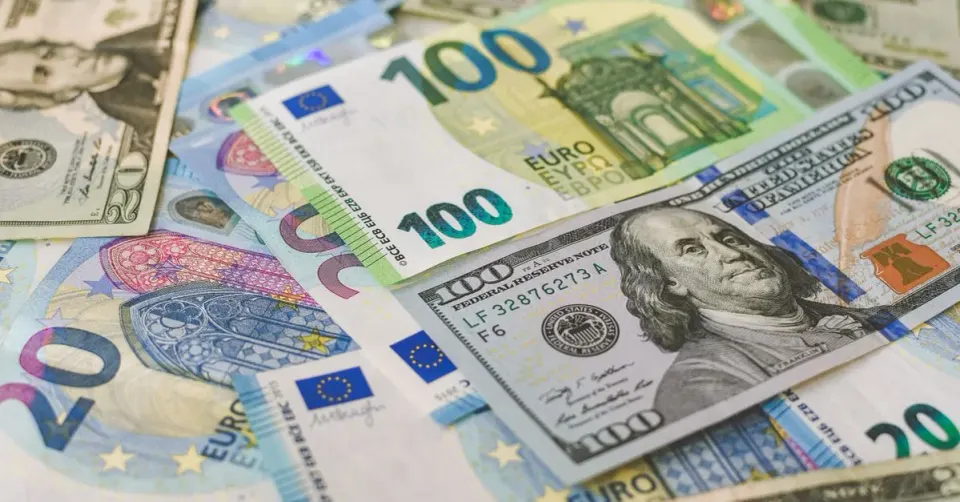
The Euro has fallen to its lowest point against the U.S. dollar in 17 months, driven by mounting anxieties over France's fiscal stability. The single currency's sharp decline, dropping below $1.12, signals a growing lack of confidence among investors regarding the impact of potential French debt issues on the broader Eurozone economy. This downturn is exacerbated by political uncertainty stemming from a snap election announcement in Spain, further fueling volatility across European markets.
This economic turbulence in Europe has direct implications for global financial markets and, by extension, for Iran. A stronger U.S. dollar, which often accompanies such Eurozone weakness, can make dollar-denominated imports more expensive for Iran. Furthermore, increased global economic uncertainty can lead to reduced foreign investment and a more cautious approach from international traders, potentially affecting commodity prices and Iran's own limited access to foreign exchange. The situation underscores the interconnectedness of global economies, where localized fiscal worries can quickly translate into widespread market jitters.
---
Iran Celebrates Astronomical Olympiad Success, Showcasing Youth Talent
Iran's scientific prowess is being highlighted following its students' remarkable achievement in the International Astronomy and Astrophysics Olympiad. Securing their third consecutive world title with five gold medals, the young Iranian scholars have demonstrated exceptional talent and potential. An aide to the Leader of the Islamic Revolution, Mohammad Mokhber, extended congratulations, emphasizing the nation's capacity among its youth and framing the success as a demonstration of scientific capability.
This significant academic victory offers a counter-narrative to the prevailing geopolitical and economic pressures Iran faces. While international focus often remains on sanctions and regional tensions, such achievements underscore the enduring potential within the country's younger generation. For Iranians, this success can serve as a source of national pride and a reminder of the country's intellectual capital, potentially boosting domestic confidence. It also subtly highlights a segment of Iranian society that is engaged with global scientific communities, operating in a sphere distinct from political conflicts, and showcasing a different dimension of Iran's engagement with the world.

Frequently Asked Questions
What is the current political situation in Brazil?
Why has the Euro fallen against the US Dollar?
What was Iran's achievement in the Astronomy Olympiad?
How did the gold price perform today?
What is the current exchange rate for USD in Iran?
Understanding Sovereign Debt: Why France's Fiscal Health Matters
Sovereign debt refers to the money a national government owes to its creditors, which can include individuals, institutions, and other countries. Governments issue bonds and other debt instruments to finance public spending that exceeds tax revenues. This borrowing is crucial for funding essential services like healthcare, education, and infrastructure, as well as for stimulating the economy during downturns or responding to crises. However, the accumulation of high levels of sovereign debt can pose significant risks to a nation's economic stability and its ability to meet future obligations.
When a country's debt-to-GDP ratio becomes excessively high, or if investors lose confidence in its ability to repay, several negative consequences can unfold. Interest rates on new government borrowing may rise, making it more expensive to service existing debt and fund future projects. Credit rating agencies might downgrade the country's debt, signaling increased risk to investors and potentially leading to further increases in borrowing costs. In extreme cases, a nation could face a sovereign debt crisis, where it struggles or even defaults on its payments, leading to severe economic contraction, austerity measures, and potentially social unrest.
The recent 'French Debt Fears' highlighted in the news underscore these concerns. As a major economy within the Eurozone, France's fiscal health has broader implications for the stability of the entire European economy and the strength of the Euro. High debt levels in a key member state can trigger worries about contagion, where financial distress spreads to other countries, as was seen during the Eurozone sovereign debt crisis in the early 2010s. Monitoring and managing sovereign debt is therefore a critical aspect of national and international economic policy, influencing investor confidence and global financial markets.