Yemen Launches Major Offensive Against Houthis as US Bombers Exit UK Amid Iran-Linked Terror Threats
آغاز عملیات گسترده دولت یمن علیه حوثیها؛ خروج بمبافکنهای آمریکا از انگلیس در پی تهدیدات امنیتی
Yemen's government has declared a full-scale military operation to reclaim territory from Iran-backed Houthi rebels, marking a sharp escalation in the regional conflict. Meanwhile, the US has withdrawn strategic bombers from a UK base following a foiled terror plot linked to Tehran.
At time of publishing
USD
269,900
Toman
Gold 18K
26.47M
Toman / gram
Bitcoin
$86,095
US Dollar
Tether
268,549
Toman
Yemen's "Final Push" and the Iranian Link
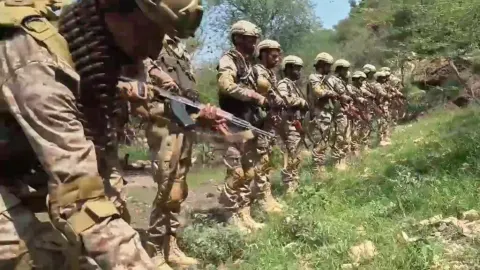
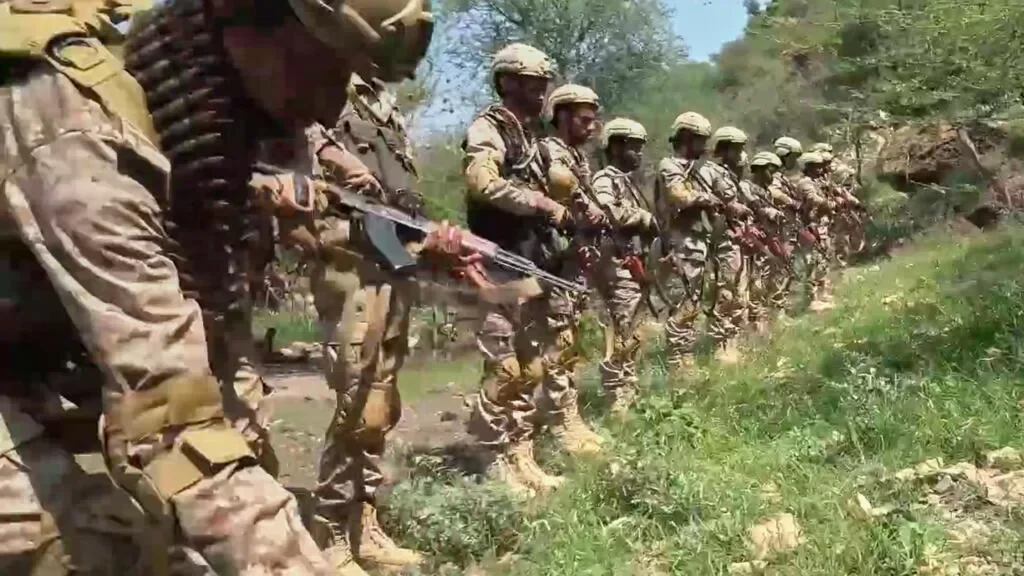
The Yemeni military announced a broad set of strikes against Houthi targets on Monday, following a government declaration of a new campaign to retake all territory. This move comes after the Iran-backed group made fresh gains on the ground throughout September, killing hundreds in a renewed offensive that has become the most active front in the wider Middle East war. The escalation is being viewed as a pivotal moment in the decade-long civil war, as the internationally recognized government attempts to break a long-standing deadlock and capitalize on shifting regional dynamics.
For Iranian observers, this development is critical. The Houthis are Tehran's most active regional partner, and any significant loss of territory or military capability for the group would be a blow to Iran's regional influence. Moreover, the intensification of fighting near the Bab al-Mandab strait continues to rattle global energy markets. Although the government claims this is a domestic push for sovereignty, the timing suggests a coordinated effort to pressure the Houthi-Iran axis at a moment of heightened global tension.
Strategic Withdrawals and Tehran's Warnings
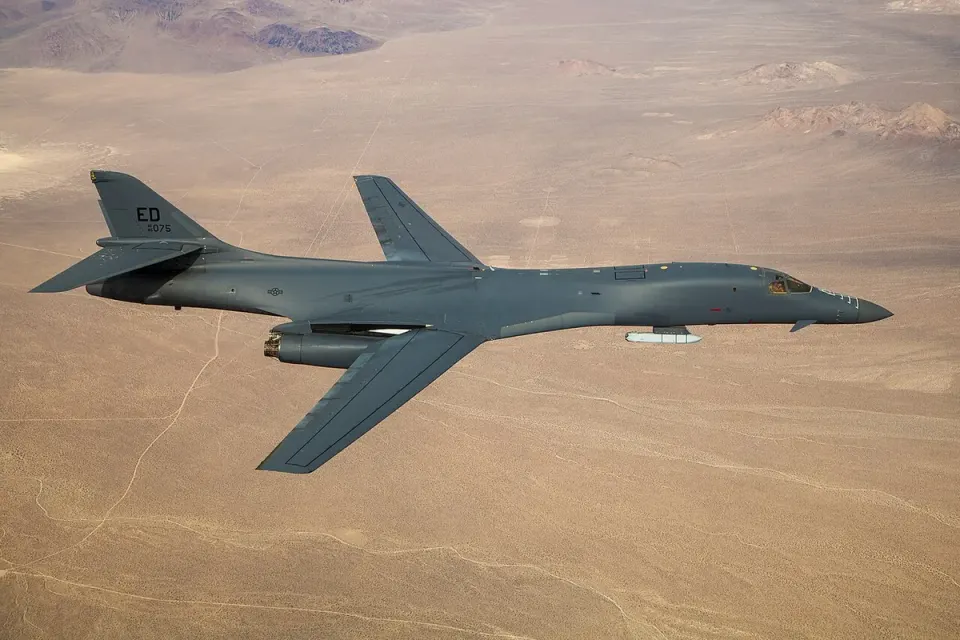
In a move that underscores the high-stakes intelligence war, the United States has removed its B-1 bombers from RAF Fairford in the United Kingdom. This withdrawal follows the arrest of five men suspected of preparing terrorist acts, a plot that British Prime Minister Andy Burnham stated was likely backed by Iran. These bombers had recently been used for strikes against Iranian interests, making the base a high-value target and highlighting the global reach of the current shadow war between Western powers and Tehran's proxies.
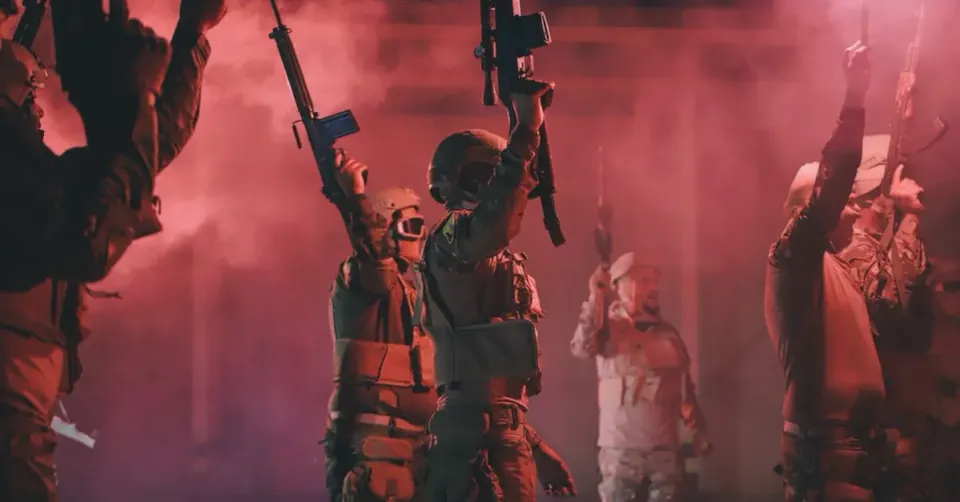
Simultaneously, Major General Ali Abdollahi, Chief of Staff of Iran's Armed Forces, issued a stark warning from Tehran. He claimed that any new act of aggression against Iran would result in severe consequences for any country hosting US forces in the West Asia region. He characterized the American military presence as the primary source of insecurity and economic hardship, effectively warning regional neighbors against aligning too closely with Washington's military maneuvers. This rhetoric suggests that the Iranian military leadership is bracing for further escalation as its regional partners face renewed pressure on multiple fronts.
Energy Chokeholds and Market Realities
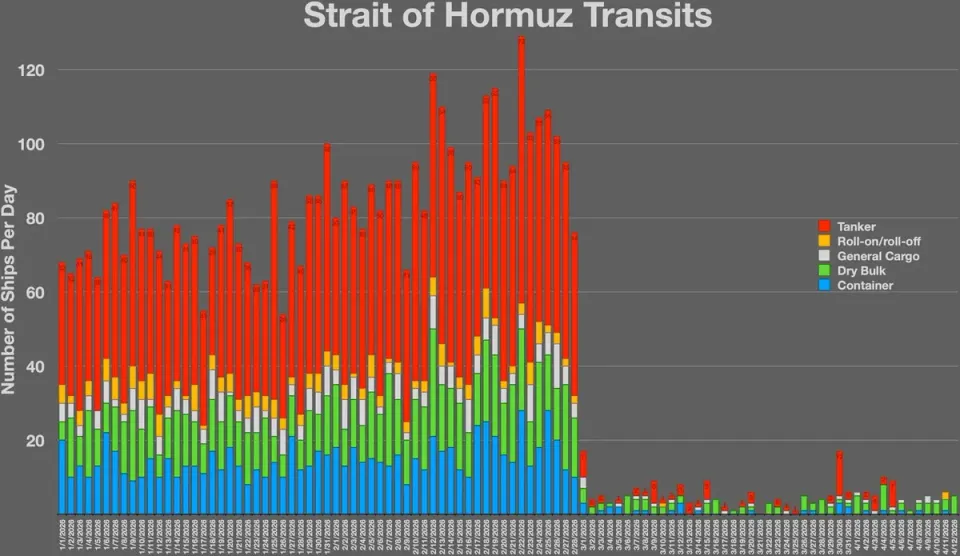
The Strait of Hormuz remains a focal point of global economic anxiety. While tanker traffic data shows a slight rebound in outbound LNG shipments since the end of last week, total flows remain a staggering 75% below the levels seen before the current conflict began. The persistent threat to shipping in the chokepoint has fundamentally altered global energy logistics, forcing long-term shifts in how liquefied natural gas is moved across the globe. The market is currently pricing in a "permanent risk premium" for any vessel transiting the Persian Gulf.
In the Iranian domestic market today, دوشنبه ۱۳ مهر ۱۴۰۵, prices are reacting to these geopolitical tremors with cautious movements. The US Dollar (USD/IRR) sell rate moved slightly from 269,300 to 269,900 Toman (+0.2%), while Emami gold coins saw a more pronounced rise of 0.7%, reaching 273,000,000 Toman. These shifts reflect a "wait-and-see" approach from local traders who are balancing the risk of regional war against the current stability of the local currency. Meanwhile, Bitcoin has climbed above $86,000, currently trading at $86,095, as softer US jobs data offsets the pressure from high bond yields.
US Politics and Global Shifts
Across the Atlantic, Donald Trump is heading to Nebraska to shore up support for the GOP’s midterm campaign. His visit comes at a sensitive time as his proposals for foreign beef imports have faced backlash in agriculture-rich states. Additionally, the appointment of Jay Clayton as a dual-role Director of National Intelligence and White House AI Czar signals a shift toward integrating national security with advanced technology sectors. This move is expected to have long-term implications for how the US manages technological competition with rivals like China and Russia.
In the UK, the corporate landscape is also shifting as BT has agreed to a rescue deal to buy the broadband operator TalkTalk. While the takeover still requires regulatory approval, it provides much-needed certainty for millions of customers. These domestic developments in the West, while seemingly distant, continue to influence global risk appetite and investor sentiment, which eventually trickles down to the volatility seen in emerging markets and commodity prices worldwide.
Watch
Yemen's government declares major operation against Houthis • FRANCE 24 English
FRANCE 24 English
Frequently Asked Questions
چرا خروج بمبافکنهای B-1 از انگلیس اهمیت دارد؟
تاثیر عملیات جدید دولت یمن بر اقتصاد ایران چیست؟
چرا با وجود بازگشت برخی تانکرها، عبور LNG از هرمز همچنان ۷۵٪ کمتر از حد معمول است؟
The Geopolitical Significance of Strategic Maritime Chokepoints
In a world increasingly interconnected by trade, certain narrow sea lanes hold disproportionate importance: these are known as strategic maritime chokepoints. These passages, often just miles wide, are critical conduits for global commerce, particularly for energy resources like oil and liquefied natural gas (LNG). Their strategic value stems from the immense volume of goods that must pass through them daily, coupled with the limited viable alternative routes. Any disruption to these chokepoints can send ripples of instability across global markets, affecting economies far from their geographical location.
Among the most vital of these chokepoints is the Strait of Hormuz. Situated between the Persian Gulf and the Arabian Sea, it is the sole maritime passage from the oil-rich Gulf to the open ocean. An estimated one-fifth of the world's total petroleum consumption and a significant portion of global LNG shipments transit through this strait daily. Its strategic importance is unparalleled, making it a focal point for international energy security and a barometer of geopolitical tensions in the Middle East.
The ongoing conflicts and regional rivalries, such as the Yemen conflict involving Houthi forces and the broader geopolitical maneuvers by powers like Iran, directly threaten the security of such critical passages. When these chokepoints are perceived to be at risk, the potential for supply disruptions can trigger sharp spikes in global oil and gas prices, disrupt international shipping lanes, and lead to widespread economic uncertainty. This vulnerability underscores why events in seemingly distant conflict zones can have immediate and profound impacts on global energy markets and consumer prices worldwide.
Consequently, safeguarding these strategic maritime chokepoints is a paramount concern for major international powers. Their foreign policies, naval deployments (like the US bombers mentioned in the headline), and diplomatic efforts are often heavily influenced by the imperative to maintain stability and ensure the free flow of trade through these vital arteries. Understanding the role of chokepoints like the Strait of Hormuz is key to comprehending the complex interplay between regional conflicts, global energy security, and international relations.