Asian Shadow Fleet Sustains Iranian Oil Exports as Regional Tensions Flare on October 7 Anniversary
ناوگان سایه در آسیا؛ شریان حیاتی نفت ایران در سالگرد ۷ اکتبر و اوجگیری تنشهای منطقهای
A sophisticated shadow economy in Southeast Asia continues to facilitate Iranian oil exports despite heightened US sanctions, providing a critical buffer for Tehran. Meanwhile, regional instability surges as the Houthis attack Aden airport and Israel marks the third anniversary of the October 7 attacks amidst a domestic market correction.
At time of publishing
USD
264,800
Toman
Gold 18K
26.24M
Toman / gram
Bitcoin
$83,442
US Dollar
Tether
265,501
Toman
The Asian Shadow Economy: A Lifeline for Iranian Crude
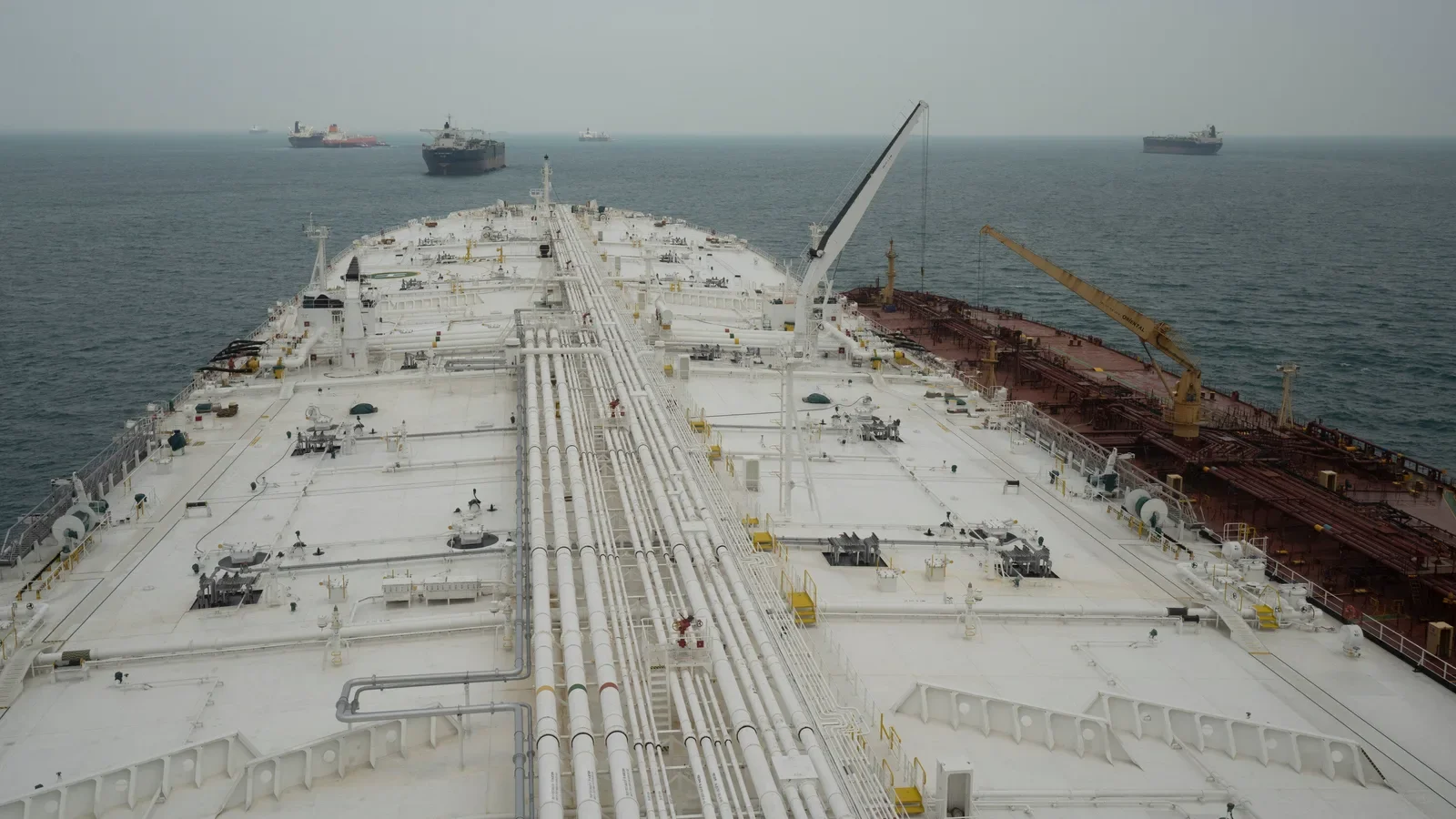
As the clock strikes 16:00 in Tehran on Wednesday, October 7, 2026, new reports from Southeast Asia highlight the resilience of Iran's oil export infrastructure. Despite years of 'maximum pressure' and a series of escalating sanctions from Washington, a sophisticated 'dark fleet' of tankers continues to operate in the waters off Malaysia. These vessels, often aging and operating with disabled transponders, engage in complex ship-to-ship transfers to obscure the origin of their cargo. This shadow economy has become a cornerstone of Iran's fiscal survival, allowing the government to maintain a steady flow of hard currency even as traditional banking channels remain blocked.
The persistence of this fleet suggests a significant limit to the efficacy of Western maritime enforcement. Local service providers in Malaysia and surrounding regions continue to provide logistics, refueling, and maintenance to these tankers, often ignoring the threat of secondary sanctions. For the average Iranian citizen, this flow of oil translates directly into the availability of essential goods and the relative stability of the national budget. While it does not fully insulate the economy from inflation, it prevents the total collapse that many analysts predicted years ago. This ongoing trade is a testament to the geopolitical reality that as long as there is demand for energy in Asia, 'dark' logistics will find a way to meet it.
Regional Escalation: From Yemen to the Mediterranean
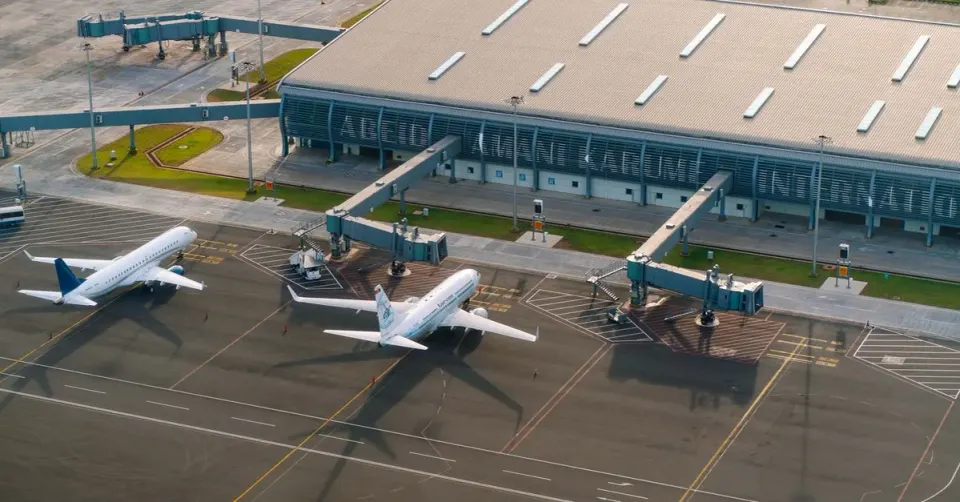
Geopolitical tensions have spiked today as the Middle East marks the third anniversary of the October 7 attacks. In Yemen, the Iran-aligned Houthi movement launched a significant assault on Aden's international airport using a combination of ballistic missiles and explosive-laden drones. The Yemeni Transport Ministry confirmed the strikes, which come as fighting intensifies near the Bab el-Mandeb Strait. This strategic waterway has grown in importance as a primary route for energy exports, particularly as the Strait of Hormuz faces its own set of logistical and security challenges. The attack on Aden serves as a reminder of the Houthis' ability to project power far beyond their immediate strongholds, threatening the stability of the Saudi-backed government.
In Israel, the atmosphere is somber as the nation observes a day of memorial for the events of 2023. This anniversary is not merely a look back at history but a focal point for current political and military strategy, especially with an upcoming election on the horizon. The ongoing conflict in Gaza and the broader regional 'shadow war' between Israel and Iran-backed groups continue to dictate market sentiment across the globe. For Iranian readers, these developments are a double-edged sword; while regional influence remains a key pillar of Tehran's strategy, the resulting 'risk premium' often drives up the cost of imports and maintains pressure on the local currency.
Market Correction: USD and Gold Retract Amid Global Volatility
On the domestic front, the Tehran market has seen a notable correction today, Wednesday, October 15, 1405. The US Dollar (USD) sell rate moved from 269,100 to 264,800 Toman, representing a 1.6% decrease over the last 24 hours. Similarly, Gold 18k per gram dropped from 26,716,376 to 26,236,206 Toman, a decrease of 1.8%. This pullback follows a period of intense speculation and appears to be a 'sell the news' reaction as the feared escalation surrounding the October 7 anniversary did not immediately manifest in a way that disrupted local supply chains. The Emami coin also mirrored this trend, falling 1.8% to 268,500,000 Toman.
In the cryptocurrency sector, Bitcoin has faced significant pressure, falling below the $84,000 mark to trade at approximately $83,442. This dip was accompanied by a massive wave of liquidations, totaling over $547 million across the crypto market. Analysts point to the rising price of oil—driven by the aforementioned tanker attacks—as a primary catalyst for the crypto sell-off. As investors move capital toward 'hard' energy assets during times of maritime conflict, 'soft' digital assets often face short-term outflows. For Iranian crypto traders, this volatility highlights the complex correlation between regional military actions and digital portfolio values.
European Social Unrest and Political Shifts
While the Middle East remains the primary focus, Europe is grappling with its own internal instabilities. In France, the government has been forced to halt the use of stun grenades by police after a student's hand was severed during protests. This move is part of a broader attempt by the Macron administration to de-escalate nationwide student unrest that has seen teenagers clashing with security forces over educational reforms. The ban on specific crowd-control measures reflects a growing sensitivity to accusations of disproportionate force, which could further inflame the protests if not managed carefully.
Across the channel, the UK political landscape is shifting as Conservative leader Kemi Badenoch proposed a major change to inheritance tax. Under the new Tory plan, couples would be able to leave up to £1 million and their family home exempt from inheritance tax, a move designed to halve the number of families subject to the levy. These domestic policy shifts in Europe might seem distant, but they signal a broader trend of governments attempting to shore up internal support amidst global economic uncertainty. As Western nations focus inward on social and fiscal issues, their appetite for sustained foreign intervention or new sanction regimes may face increasing domestic scrutiny.

Frequently Asked Questions
چرا قیمت دلار و طلا در تهران با وجود تنشهای سالگرد ۷ اکتبر کاهش یافت؟
ناوگان سایه چگونه به اقتصاد ایران کمک میکند؟
رابطه بین افزایش قیمت نفت و سقوط بیتکوین چیست؟
The Shadow Fleet: How Sanctions‑Evasive Tanker Networks Keep Iranian Oil Flowing
The term shadow fleet refers to a loosely coordinated network of oil tankers that operate under the radar of international sanctions regimes. Rather than being owned by a single, easily identifiable company, these vessels are often registered in offshore jurisdictions, use flags of convenience, and frequently change ownership on paper. By doing so, they can obscure the true origin and destination of the cargo, allowing sanctioned countries like Iran to continue exporting crude and refined products despite strict financial and shipping restrictions.
A key mechanism behind the shadow fleet is the practice of ship‑to‑ship (STS) transfers in international waters. A sanctioned Iranian tanker will offload its cargo to a non‑sanctioned vessel, which then transports the oil to a buyer or a port that would otherwise refuse to accept Iranian shipments. This “middle‑man” role is further hidden by frequent re‑flagging and the use of shell companies based in places such as Malaysia, the United Arab Emirates, or Panama. The result is a fluid, hard‑to‑track supply chain that can quickly adapt to enforcement actions.
The existence of a shadow fleet has broader market implications. Because the oil can still reach global markets, supply disruptions are muted, which can keep benchmark prices like Brent and WTI more stable than they would be under a full embargo. At the same time, the uncertainty surrounding the fleet’s size and routes adds a premium to risk‑adjusted pricing, influencing related assets such as the USD/IRR exchange rate, gold prices in Tehran, and even crypto markets that react to geopolitical risk spikes.
Understanding the shadow fleet is essential for analysts monitoring sanctions effectiveness, investors tracking commodity flows, and policymakers designing counter‑measures. Tools such as satellite AIS (Automatic Identification System) data, open‑source vessel tracking, and financial forensic analysis are increasingly used to shine a light on these opaque networks, though the cat‑and‑mouse game between regulators and evasive operators shows few signs of ending.
Topics
Related Articles