Regional Storm: Houthi Strikes and $1.4M Supertanker Rates Push Toman to 268k as Gold Hits $4,124
طوفان منطقهای: حملات حوثیها و رکورد ۱.۴ میلیون دلاری نفتکشها؛ دلار به ۲۶۸ هزار تومان رسید
A dramatic escalation in Yemen-led attacks on Saudi airports has sent supertanker shipping rates to a record $1.4 million per day, while the Iranian Toman weakens further against the dollar. Meanwhile, a diplomatic rift between Seoul and Kyiv deepens as South Korea recalls its envoy over North Korean POW disputes.
At time of publishing
USD
268,000
Toman
Gold 18K
26.31M
Toman / gram
Bitcoin
$82,393
US Dollar
Tether
267,792
Toman
The $1.4 Million Bottleneck: Shipping Rates Explode
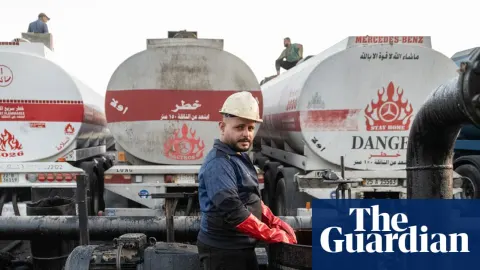
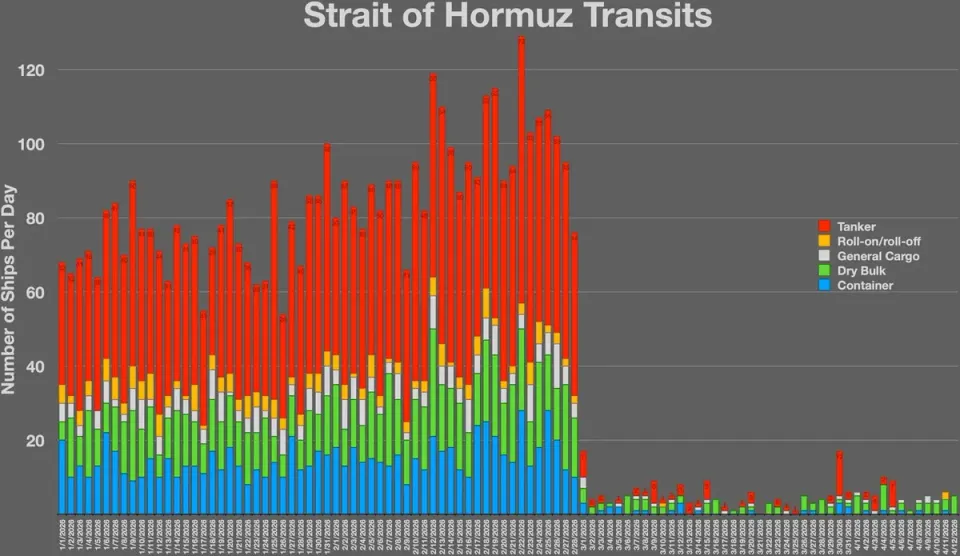
The global energy supply chain is facing a localized heart attack as supertanker rates for the Gulf-to-East Asia route have skyrocketed to an unprecedented $1.4 million per day. This surge is not merely a reflection of high demand but a direct consequence of extreme congestion and security risks surrounding the Strait of Hormuz. Currently, a massive fleet of Very Large Crude Carriers (VLCCs) is tied up in complex ship-to-ship transfers outside the Strait, effectively removing a significant portion of global vessel availability from the market.
This logistics nightmare is being fueled by regional volatility, forcing insurers to hike premiums and ship owners to demand astronomical fees for entering high-risk zones. For the global economy, this means the 'energy inflation' dragon is waking up again. When it costs over a million dollars just to move oil for twenty-four hours, the final price at the pump in Europe and North America is guaranteed to rise, creating a feedback loop that strengthens the US Dollar and puts immense pressure on emerging market currencies like the Iranian Toman.
Houthi Strikes on Riyadh and the Regional Fallout
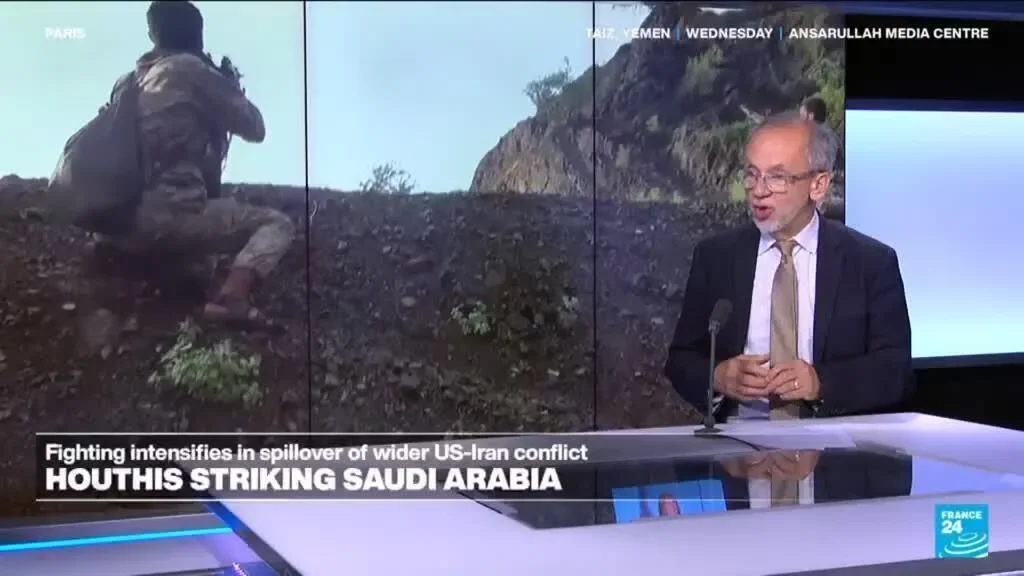
The security situation took a dark turn on Thursday, October 8, 2026, as Houthi forces claimed responsibility for attacks on two international airports in Saudi Arabia, including the capital, Riyadh. Saudi authorities confirmed that three people were killed in these strikes, marking one of the deadliest escalations in recent months. The timing of these attacks is critical; they come as Riyadh-backed forces were attempting a counter-offensive in Yemen. By targeting civilian transport hubs, the Houthis are signaling that no infrastructure in the Kingdom is safe, a move designed to shatter investor confidence in the region's stability.
For Iran, this escalation is a double-edged sword. While the regional influence of allied groups remains a point of leverage, the immediate economic blowback is felt in the Tehran markets. As news of the Riyadh blasts filtered through trading floors at 17:00 Tehran time, the USD rose from 265,900 to 268,000 Toman, a 0.8% jump in a single day. The market is pricing in the risk of a wider regional conflagration that could lead to further sanctions or direct military friction involving Western powers.

Rhetoric vs. Reality: Pezeshkian’s Economic War
Amidst this chaos, President Masoud Pezeshkian addressed the nation, claiming that Iranians are "not afraid of threats" and will ultimately defeat the "economic war" being waged by external enemies. According to state media reports from IRNA, the administration is leaning heavily on the narrative of popular resilience to calm the public. However, the disconnect between official optimism and the street reality is widening. With Emami coins rising 0.6% to reach 270,000,000 Toman, the Iranian public is clearly seeking refuge in hard assets rather than government promises.
The government’s strategy appears to be one of management through rhetoric, but without concrete shifts in foreign policy or a de-escalation of regional tensions, the Toman remains in a freefall. The "economic war" the President refers to is increasingly being fought at the currency exchange counters, where the average citizen sees their purchasing power evaporate as gold prices hit a staggering $4,124 per ounce globally, further driving up local 18k gold prices to over 26.3 million Toman per gram.
Diplomatic Rupture: Seoul Recalls Envoy from Kyiv
In a surprising geopolitical twist, South Korea has announced it will recall its envoy from Ukraine, marking a significant low point in relations between the two nations. The row stems from a dispute over North Korean prisoners of war (POWs). Kyiv recently claimed that several North Korean soldiers had defected to the South after being captured on the Ukrainian front, but Seoul has accused President Volodymyr Zelensky’s administration of breaking a strict confidentiality agreement regarding the handling of these defectors.
This diplomatic fallout illustrates the growing complexity of the Ukraine conflict as it merges with East Asian security concerns. For global markets, this friction suggests that the anti-Russia coalition is not as monolithic as it once seemed. As South Korea—a major arms manufacturer—pulls back its diplomatic presence in Kyiv, questions arise about the future of military aid and the potential for North Korea to further embolden its activities in both Europe and the Middle East. The spillover effect of this instability is contributing to the 'risk-off' sentiment that is currently propelling Bitcoin toward the $83,000 mark.

Watch
Conflict in Yemen: What are the Houthis’ aims? • FRANCE 24 English
FRANCE 24 English
Frequently Asked Questions
چرا نرخ اجاره نفتکشها به ۱.۴ میلیون دلار رسیده است؟
علت اصلی جهش قیمت دلار در ۱۶ مهر ۱۴۰۵ چه بود؟
چرا کره جنوبی سفیر خود را از اوکراین فراخواند؟
Geopolitical Risk and its Economic Repercussions
Geopolitical risk refers to the possibility of political events, conflicts, or instability between countries or regions influencing global economic and financial markets. The recent headline, with its mention of Houthi strikes, rising supertanker rates, a depreciating Toman, and soaring gold prices, vividly illustrates how regional tensions can ripple through the global economy. Such events introduce significant uncertainty, compelling investors and businesses to re-evaluate their strategies and exposures.
One of the most immediate impacts of geopolitical risk is on global supply chains, particularly those reliant on critical maritime chokepoints like the Strait of Hormuz or the Red Sea. Attacks on shipping vessels, or even the credible threat of them, force shipping companies to reroute vessels, leading to longer transit times, increased fuel consumption, and significantly higher insurance premiums. This directly translates into soaring freight costs, as evidenced by the mention of $1.4 million supertanker rates. These elevated transportation costs are ultimately passed on to consumers, contributing to inflationary pressures worldwide.
Financial markets react swiftly to heightened geopolitical tensions. Investors often seek refuge in assets perceived as 'safe havens' during times of uncertainty, with gold being a prime example. The surge in gold prices to $4,124 reflects a widespread flight to safety, as investors divest from riskier assets in favor of a tangible store of value. Conversely, currencies of economies directly impacted or perceived as vulnerable to the conflict, such as the Iranian Toman, tend to depreciate sharply as capital flows out and confidence erodes, exacerbating domestic inflation and economic instability.
Ultimately, the interconnectedness of the global economy means that a seemingly localized conflict can have far-reaching consequences. From the price of oil and consumer goods to the stability of national currencies and the profitability of international trade, geopolitical risks are a powerful and often unpredictable force shaping economic outcomes. Understanding these intricate links is crucial for deciphering market movements and anticipating future economic challenges.