Ex-Councillor Convicted in Sham Covid Lab Fraud as Iran Targets $20B Russia Export Pivot
محکومیت کلاهبرداری آزمایشگاه صوری کرونا در بریتانیا و خیز ۲۰ میلیارد دلاری ایران برای بازار روسیه
A former UK councillor has been found guilty of running a fraudulent Covid-19 laboratory, highlighting the lingering legal fallout of pandemic-era corruption. Meanwhile, Iranian officials are signaling a massive strategic shift toward Russian markets, aiming to increase annual exports tenfold to $20 billion.
At time of publishing
USD
267,400
Toman
Gold 18K
26.36M
Toman / gram
Bitcoin
$82,602
US Dollar
Tether
267,690
Toman
The Legacy of Pandemic Fraud: Ex-Councillor Convicted
Faisal Shoukat, a former councillor in the United Kingdom, has been found guilty of fraudulent trading and money laundering in a case that has shocked the public. The conviction stems from the operation of a sham Covid-19 laboratory during the height of the global pandemic. Prosecutors demonstrated that Shoukat exploited the public health crisis to funnel money through a business that failed to provide the essential services it claimed to offer. This case serves as a stark reminder of the massive scale of white-collar crime that proliferated when oversight was thin and urgency was high. For the public, it reinforces a deep-seated cynicism regarding the integrity of officials who were entrusted with managing the crisis.
The trial revealed a complex web of financial transactions designed to obscure the origins of the illicit funds. Shoukat’s conviction is part of a broader crackdown by UK authorities on pandemic-related fraud, which is estimated to have cost taxpayers billions of pounds. What makes this case particularly egregious is the abuse of political office to facilitate private gain under the guise of public service. As the legal system catches up with these actors, it highlights the necessity of robust auditing and the long arm of the law in pursuing those who profited from collective misfortune. For global observers, it underscores that the 'long tail' of the pandemic is as much about legal accountability as it is about health recovery.

Iran’s Ambitious $20 Billion Export Pivot to Russia
In a significant move to counter the effects of Western sanctions, Mohammad-Ali Dehghan Dehnavi, the head of Iran’s Trade Promotion Organization (TPO), announced that Iran is eyeing up to $20 billion in annual exports to Russia. Currently, the export volume sits between a modest $1 billion and $2 billion. The official claimed that by tapping into more than $50 billion of Russia's total import opportunities, Iran could fundamentally reshape its trade balance. This announcement, made in Bandar Anzali, signals a strategic deepening of the 'Look to the East' policy as the Iranian government seeks to replace lost European and Western markets with regional partners who are also under international pressure.
However, achieving a tenfold increase in exports is fraught with logistical and economic hurdles. The current infrastructure, particularly the North-South Transport Corridor, remains underdeveloped and struggles with capacity issues. Critics point out that while the political will for a Russo-Iranian economic alliance is strong, the reality of market competition and Russian consumer preferences may hinder such rapid growth. Furthermore, the reliance on a single major partner like Russia creates a new form of economic vulnerability. For the Iranian public, these grand claims are often met with skepticism, as previous promises of economic breakthroughs have frequently failed to translate into lower inflation or a stronger Toman at the local exchange shop.

Global Energy Shifts: Russian Oil Flows to India Plunge
Recent data shows a dramatic shift in global energy dynamics as Russian oil flows to India have plunged to approximately 310,000 barrels per day (bpd). This decline is not primarily driven by the threat of U.S. sanctions or tariff warnings, but rather by the cold reality of market economics. The price of Russia’s flagship Urals grade, loaded at Baltic ports, has risen significantly, reaching parity with Middle Eastern crudes. Indian refiners, who are notoriously price-sensitive, have begun pivoting back to traditional suppliers in the Middle East as the 'Russian discount' that characterized the early years of the Ukraine conflict continues to evaporate.
This shift has profound implications for regional oil producers, including Iran. As Russian oil becomes less attractive to Indian buyers, competition for market share in Asia intensifies. The rebound of shipping flows through the Strait of Hormuz has also increased the availability of Middle Eastern oil, further squeezing Russia’s position. For global markets, this stabilization of supply routes and the normalization of prices suggest a period of relative calm in energy costs, provided regional geopolitical tensions do not escalate further. Nevertheless, the volatility of these trade routes remains a constant shadow over global inflation forecasts and currency valuations.
Market Update: Toman Weakens as Bitcoin Stalls
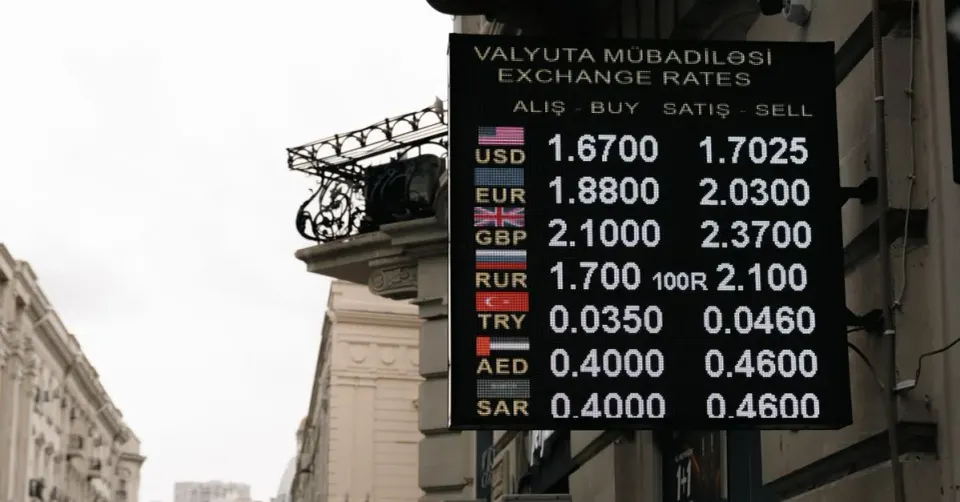
In the Tehran markets today, Thursday, October 8, 2026 (۱۶ مهر ۱۴۰۵), the US Dollar continued its upward trend. The USD sell rate moved from 265,900 to 267,400 Toman, marking a 0.6% increase over the last 24 hours. This creeping depreciation of the Toman is mirrored in the gold market, where the Emami coin rose by 0.6% to reach 270,000,000 Toman. These movements reflect a persistent anxiety within the domestic market regarding regional security and the long-term efficacy of the government's trade pivots. Investors are increasingly seeking refuge in hard assets as the cost of living continues to climb.
In the cryptocurrency space, Bitcoin has seen a slight pullback, trading at $82,602. The cooling of the crypto rally is attributed to rising Treasury yields and ongoing geopolitical uncertainty in the Middle East, which has dented the appetite for high-risk assets. While the $80,000 support level remains firm, the lack of immediate catalysts has led to a sideways movement in the broader market. For Iranian traders, the high price of USDT, currently at 267,690 Toman, remains a significant barrier to entry, further complicating the use of digital assets as a hedge against local currency volatility.
Frequently Asked Questions
Why is Iran targeting $20 billion in exports to Russia?
Why did Russian oil exports to India decrease?
What was the Faisal Shoukat fraud case about?
Understanding Economic Sanctions and Trade Diversion
The news headline touches upon several complex economic and geopolitical themes, but the most unifying and crucial concept to understand is Economic Sanctions. These are punitive measures imposed by one or more countries (or international bodies) against another nation, individuals, or entities, typically to achieve specific political or economic objectives. Sanctions can take various forms, including trade embargoes, asset freezes, travel bans, restrictions on financial transactions, and limitations on access to international markets or technologies. Their primary goal is often to compel a target country to change its policies, deter aggression, or prevent the proliferation of certain capabilities, such as nuclear weapons.
However, economic sanctions often lead to significant unintended consequences, one of the most prominent being trade diversion. When a country faces severe restrictions on its traditional trade routes and partners, it is compelled to seek alternative markets for its exports and new sources for its imports. This shift can lead to the formation of new economic alliances and trade relationships, often with countries that are less aligned with the sanctioning powers or are themselves under sanctions. For instance, the keywords mention Iran targeting a $20 billion export pivot to Russia and Russian oil plunging into the Indian market, both clear examples of trade diversion driven by Western sanctions on both nations.
This redirection of trade can have profound impacts on global supply chains, energy markets, and the economies of the sanctioned countries. For the target nation, sanctions often result in economic isolation, inflation, currency devaluation (like the USD to Toman price fluctuations mentioned), and reduced access to essential goods or advanced technologies. While intended to exert pressure, sanctions can also foster resilience and self-sufficiency in the sanctioned state, or push it closer to other nations willing to circumvent the restrictions, thereby creating parallel economic systems and challenging the dominance of traditional financial infrastructures. Understanding economic sanctions is key to comprehending many contemporary geopolitical and economic shifts.
Topics
Related Articles