Pezeshkian Bets on 15 Neighbors to Break Blockade as Toman Hits 268k Amid Global Energy Crunch
قمار پزشکیان روی ۱۵ همسایه برای شکست حصر؛ دلار ۲۶۸ هزار تومانی در میانه بحران انرژی
President Pezeshkian claims Iran’s 15 borders make isolation impossible, yet the Toman has climbed to 268,400 as regional tensions and energy supply fears persist. Meanwhile, global markets face fresh volatility as UK bond yields hit 19-year highs and French protests intensify.
At time of publishing
USD
268,400
Toman
Gold 18K
26.32M
Toman / gram
Bitcoin
$81,316
US Dollar
Tether
267,934
Toman
The '15 Neighbors' Strategy and the Toman's Reality
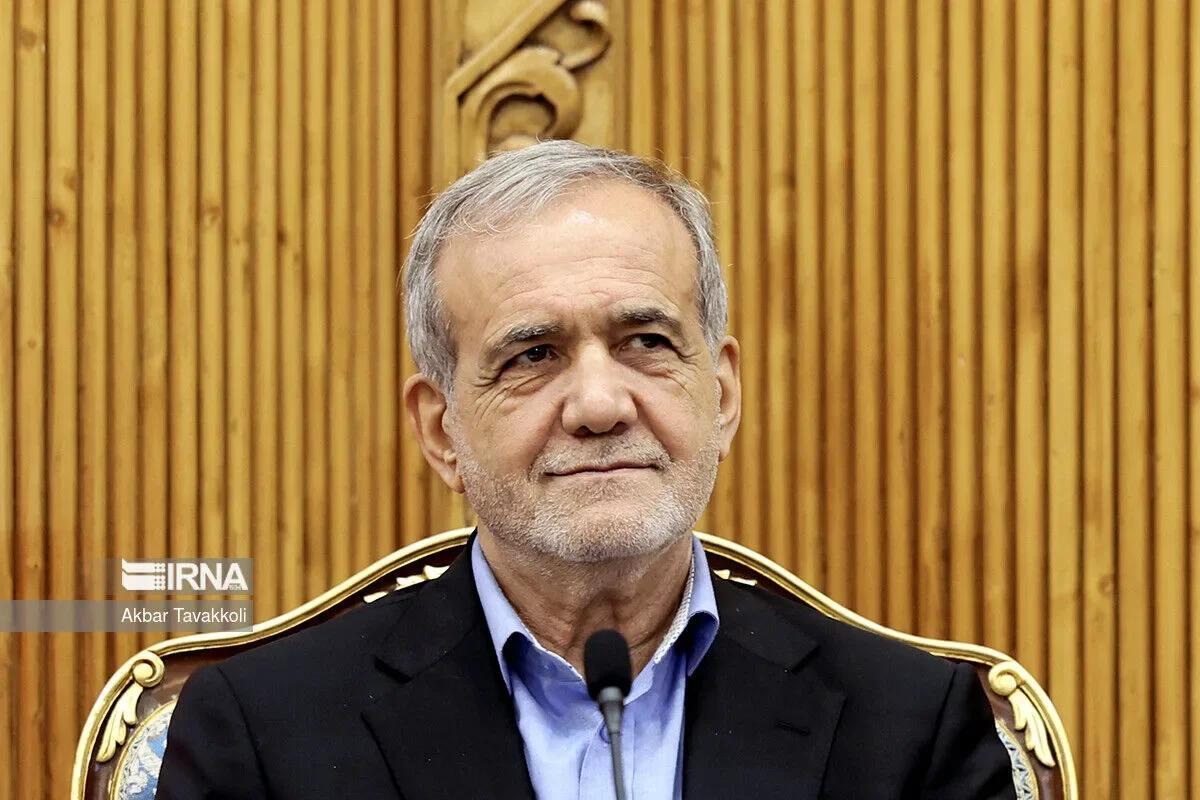
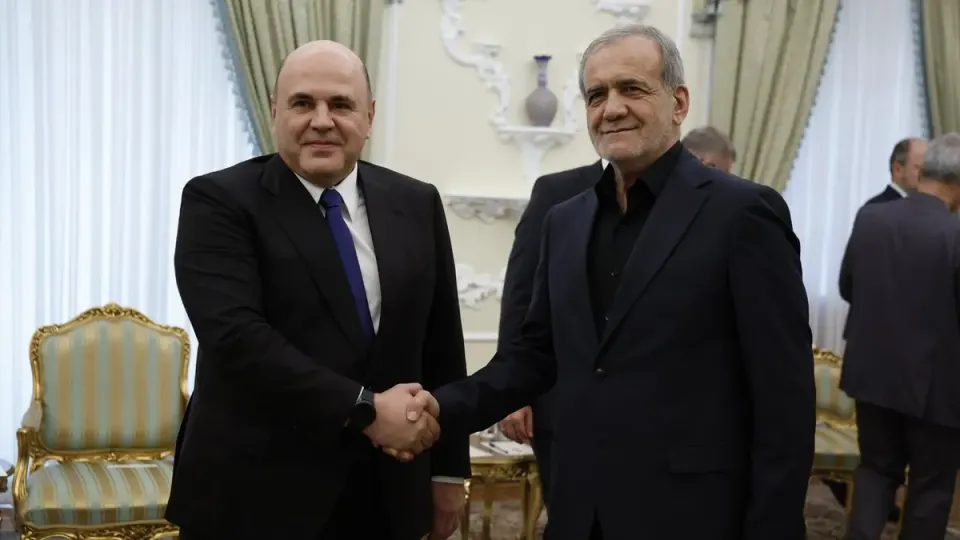
President Masoud Pezeshkian, speaking before his departure for Turkmenistan on Thursday, October 8, 2026, asserted that the Islamic Republic cannot be effectively blockaded or isolated due to its shared borders with 15 different nations. This rhetorical pivot aims to signal resilience in the face of what he described as an "economic war" led by the United States. By emphasizing trade, security, and political exchanges through these various land and sea routes, the administration is attempting to project a sense of stability to a domestic audience increasingly anxious about the currency's freefall. However, these claims remain largely unverified in terms of actual economic relief, as banking restrictions and FATF-related hurdles continue to choke the very trade channels the President touted.
The market’s reaction to this rhetoric has been decidedly skeptical. In the last 24 hours, the USD in Tehran's open market moved from 265,900 to 268,400 Toman, marking a 0.9% increase. This depreciation suggests that traders are prioritizing the immediate risks of regional escalation and the lack of concrete structural reforms over optimistic official statements. While Pezeshkian travels to Ashgabat for the CIS and Caspian Sea summits to bolster these regional ties, the reality on the ground remains one of high inflation and a currency that is struggling to find a floor despite the government's insistence on its strategic depth.
Global Bond Turmoil and the Energy Crunch
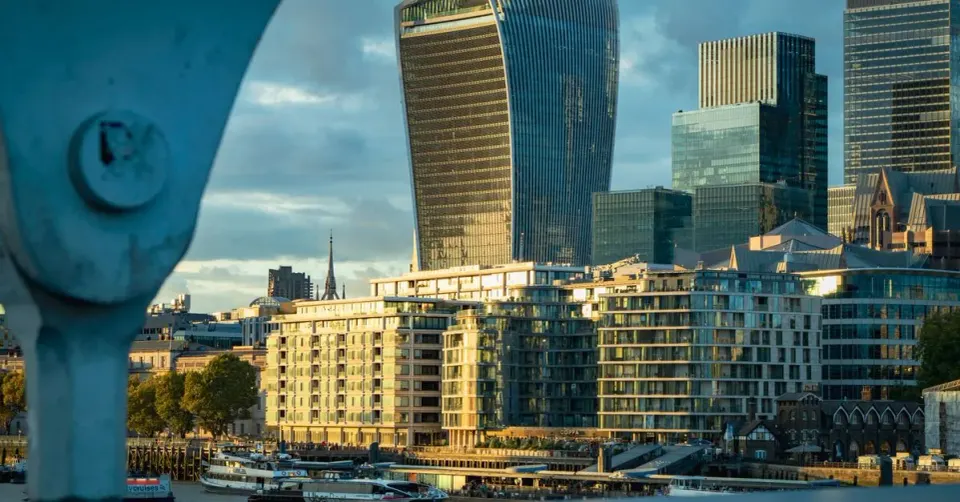
While Tehran grapples with its local currency crisis, the global financial system is facing its own set of tremors. Bank of England Governor Andrew Bailey has issued a stern warning to the UK government, urging that any upcoming fiscal policy must be "credible" to avoid further market panic. This comes as the UK’s medium-term borrowing costs have surged to a 19-year high, reflecting a broader investor flight from government bonds. Investors are increasingly wary of persistent inflation and the fiscal sustainability of major economies, leading to a sell-off in assets previously considered safe havens. This spike in yields exerts upward pressure on the US Dollar globally, which indirectly complicates the Central Bank of Iran’s efforts to stabilize the Toman.
Simultaneously, the world is navigating a prolonged energy crunch that continues to fuel global inflation. Although more crude oil is reportedly flowing through the Strait of Hormuz, the market remains on edge due to the fragile security situation in the region. High energy prices have become a primary driver of voter discontent worldwide, forcing governments to release emergency fuel stockpiles. For the Iranian reader, this global energy volatility is a double-edged sword: while higher oil prices theoretically increase the value of Iran's exports, the associated regional risks and the strengthening of the global USD often negate these gains, resulting in higher prices for imported goods and a more expensive dollar at home.
French Unrest and the Shift in Risk Appetite
Geopolitical instability is not limited to the Middle East; Europe is currently witnessing a significant surge in social unrest. In France, high school students and teachers have renewed their blockades of schools across the country, demanding better conditions and more investment. These protests, which have now lasted ten days and resulted in hundreds of injuries, are being cheered on by a resurgent far-left movement. The French government, meanwhile, accuses political opportunists of stirring up the crowds. This internal friction in one of Europe’s core economies adds another layer of uncertainty to global markets, as political instability in the West often leads to a decrease in risk appetite among institutional investors.
For the broader markets, including gold and cryptocurrencies, this atmosphere of uncertainty has created a complex trading environment. Gold remains highly elevated, with the international ounce trading at $4,115.80, as it continues to serve as the ultimate hedge against both inflation and geopolitical chaos. In the crypto space, Bitcoin has seen a slight pullback to the $81,316 level, as soaring bond yields and Middle East tensions dent the appetite for more volatile assets. As we move into the final quarter of 2026, the intersection of street protests in Europe, currency devaluation in Iran, and a high-interest-rate environment in the UK suggests that the period of extreme volatility is far from over.
Frequently Asked Questions
چرا با وجود ادعای رئیسجمهور درباره ۱۵ همسایه، قیمت دلار افزایش یافت؟
بحران اوراق قرضه در بریتانیا چه ارتباطی به بازار ایران دارد؟
آیا اعتراضات فرانسه بر قیمت طلا تاثیرگذار است؟
Understanding Economic Blockades and Sanctions
Economic blockades—often called economic sanctions—are tools that countries or international bodies use to pressure a target state without resorting to armed conflict. A blockade can be unilateral (imposed by one country) or multilateral (imposed by a coalition such as the United Nations or the European Union). Legally, sanctions are justified under international law when a state is deemed to be violating norms such as human‑rights standards, nuclear non‑proliferation, or aggressive behavior, but they are also employed for broader geopolitical aims, as seen in the long‑standing sanctions on Iran.
The mechanics of a blockade are multifaceted. Trade restrictions may ban the export of critical technologies, oil, or luxury goods, while financial sanctions freeze assets and cut the target off from the global banking system (e.g., SWIFT). Secondary sanctions threaten third‑party firms that continue doing business with the sanctioned country, creating a chilling effect that can shut down shipping lanes like the Strait of Hormuz. For Iran, these measures have driven the rial‑to‑toman exchange rate to tumble, forcing the government to seek alternative currencies and barter arrangements with neighboring states.
The economic fallout is severe. With imports curtailed, domestic supply gaps spur inflation, and the national currency can lose hundreds of percent of its value, as the headline‑making 268,000 toman per USD illustrates. Citizens and businesses often turn to safe‑haven assets—gold, for instance, which recently traded above $4,115 per ounce—to preserve wealth. At the same time, reduced oil exports tighten global supply, contributing to the broader energy crunch that pushes oil prices higher and fuels geopolitical tension.
Politically, blockades aim to compel policy change, but they can also foster new alliances. Iran’s outreach to fifteen neighboring countries to create a “regional trade corridor” reflects a classic response: bypass the sanctioning powers by deepening economic ties with sympathetic states. Such cooperation can mitigate some immediate hardships but may also entrench a parallel economic system that challenges the effectiveness of the sanctions over the long term.
Countries under blockade adopt various mitigation strategies: they diversify export partners, increase domestic production, use barter trade, and sometimes resort to alternative payment methods like cryptocurrencies or gold swaps. Understanding how blockades operate helps observers gauge the likely trajectory of a sanctioned economy, the resilience of its currency, and the ripple effects on global markets such as energy and precious metals.
Topics
Related Articles