Tehran Security Hardening as Maduro Indictment Shakes Sanctioned Allies and Toman Hits 267k
تشدید تدابیر امنیتی در تهران همزمان با کیفرخواست علیه مادورو و صعود دلار به ۲۶۷ هزار تومان
Ayatollah Sayyid Mojtaba Khamenei emphasizes the police force's role in recent conflicts as the Toman slides 0.7% against the USD. Meanwhile, a major legal escalation in New York sees Nicolás Maduro indicted for torture, signaling a shift in US strategy toward sanctioned leaders.
At time of publishing
USD
267,700
Toman
Gold 18K
26.31M
Toman / gram
Bitcoin
$81,345
US Dollar
Tether
266,902
Toman
Security Apparatus Takes Center Stage in Tehran
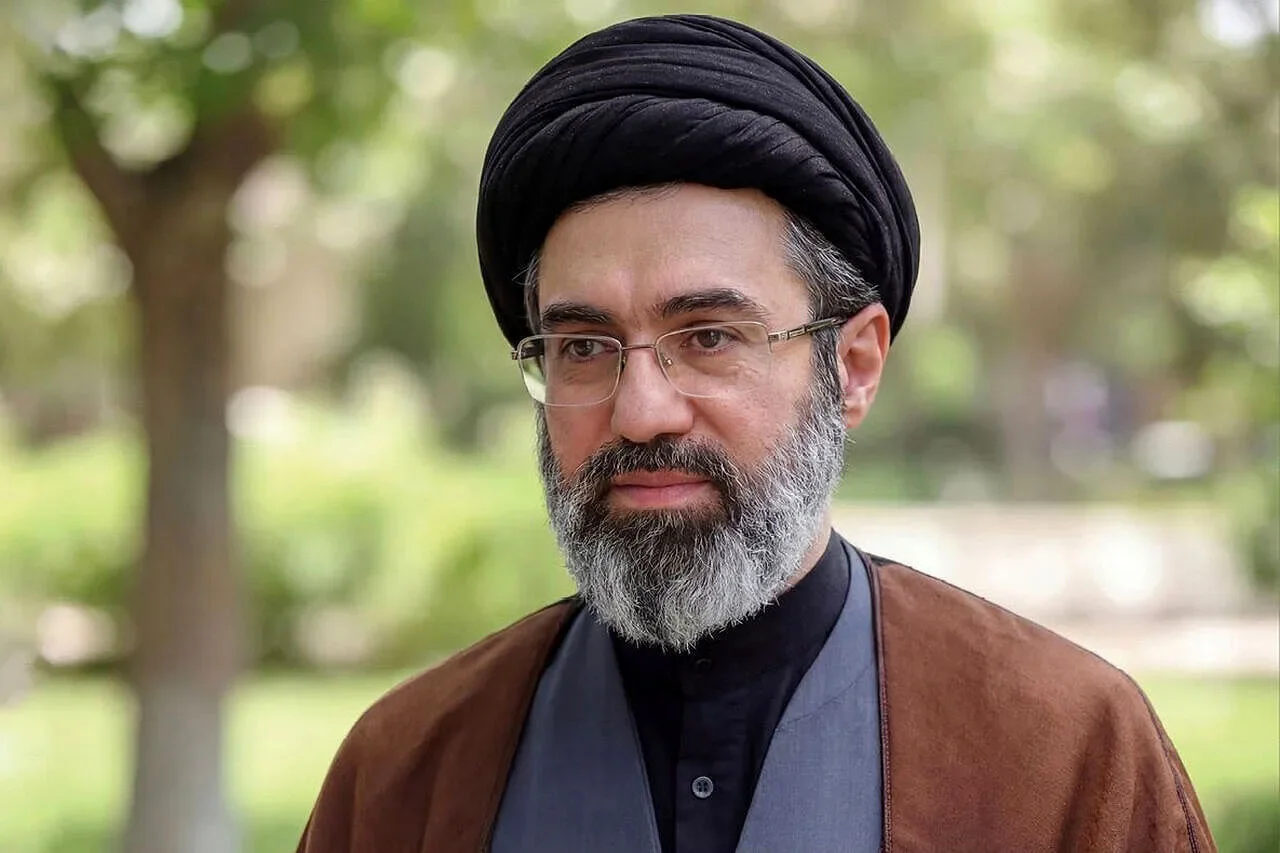
In a significant address on Thursday, October 8, 2026, Ayatollah Sayyid Mojtaba Khamenei, the Leader of the Islamic Revolution, emphasized the "prominent" and "significant" role of the police force in managing what he described as recent conflicts. Speaking to command and staff echelons, he noted that the impact of the security forces has become increasingly evident during the "second and third imposed wars," a likely reference to the multifaceted domestic and economic pressures facing the country. This official recognition of the police's role in "ensuring security" comes at a time of heightened regional tension and domestic economic strain, signaling a continued focus on internal stability as a priority for the establishment.
For the average Iranian citizen and market participant, such high-level focus on security often serves as a barometer for the state's perception of risk. Historically, when the leadership reinforces the necessity of the security apparatus, it reflects an anticipation of further external or internal friction. This rhetoric often translates into a cautious sentiment in the Tehran Bazaar, where traders keep a close eye on how security narratives might precede new waves of sanctions or shifts in regional military posturing. The mention of "imposed wars" suggests that the leadership views current economic and social challenges through a strictly defensive and adversarial lens.

The New York Indictment of Nicolás Maduro
In a move that has sent shockwaves through the diplomatic circles of sanctioned nations, a Manhattan federal court on Thursday unsealed a superseding indictment against the deposed Venezuelan president Nicolás Maduro and his wife, Cilia Flores. The pair, who have been in custody in New York City since early January, are now facing charges of conspiracy to commit torture against US citizens. Judge Alvin Hellerstein denied a request for pre-trial release for Flores, underscoring the severity with which the US judicial system is treating the case. This development is unprecedented, marking one of the few times a former head of state has been held and indicted on such specific human rights charges within the United States.
This legal escalation carries heavy implications for other nations currently under US sanctions or in adversarial relationships with Washington. It demonstrates a shift from purely economic pressure to direct legal accountability for foreign leaders, a precedent that the Iranian government is likely watching with extreme caution. The indictment suggests that the "sovereign immunity" typically associated with national leadership is increasingly fragile in the face of US federal prosecution. For global markets, this adds a layer of geopolitical risk, as such legal actions often provoke retaliatory measures or further isolate the targeted regimes from the international financial system.

Media Bans and Legal Friction in the Trump Administration
On the domestic US front, the legal battle over media access to the White House reached a new milestone on Thursday. A federal judge, Timothy Kelly, extended a temporary restraining order that forces the Trump administration to allow journalists from CNN, MS Now, and Politico back into the building. The core of the dispute lies in the administration's admission, via their own legal counsel, that the ban was directly tied to the "critical coverage" these outlets provided. This admission has significantly weakened the government's defense, as it suggests a violation of First Amendment rights based on viewpoint discrimination rather than security or administrative concerns.
While this might seem like a localized American political story, its impact on global markets is tied to policy transparency. When the primary conduits of information from the world’s largest economy are restricted, the resulting "information vacuum" leads to increased volatility. Investors rely on consistent and open reporting to gauge the direction of US foreign and economic policy. The fact that a Trump-appointed judge is the one extending the order highlights a growing tension between the executive branch and the judiciary, a dynamic that could lead to further unpredictability in how major policies—including those affecting Iran and global trade—are communicated and implemented.
Market Realities: Goldman Bonuses and Toman Depreciation
While Wall Street celebrates, the Iranian market continues to grapple with the reality of a weakening currency. Reports emerged Thursday that top bosses at Goldman Sachs are set to share a bonus pool worth nearly $500 million, with CEO David Solomon potentially taking home $100 million in stock. This surge in executive compensation comes despite a broader global environment of "inflation-weary consumers," as evidenced by Starbucks' potential takeover of Chipotle to find new growth avenues. The contrast between the staggering wealth accumulation in global financial hubs and the daily struggle against inflation in emerging markets has never been more stark.
In Tehran, the Toman has felt the pressure, with the USD sell rate rising from 265,900 to 267,700, a 0.7% increase in just 24 hours. Gold prices are also holding their ground at historic highs, with the Emami coin rising 0.6% to 270,000,000 Toman. These movements are not happening in a vacuum; they are the direct result of the security concerns and geopolitical shifts discussed above. As gasoline prices in the US hit October records of $4.36 per gallon, the global energy crunch continues to feed into the inflationary cycle, making it increasingly difficult for the Iranian economy to find a stable floor without significant diplomatic or structural changes.
Frequently Asked Questions
Why did the Leader mention 'second and third imposed wars'?
What does the Maduro indictment mean for Iran?
How is the US gas price affecting the Toman?
Understanding Exchange Rate Regimes and Currency Devaluation
Exchange rates are the price of one currency expressed in terms of another. Countries can adopt a fixed, floating, or managed‑float regime, each dictating how much the market or the government influences the price. In a fixed system, the central bank commits to a set parity (e.g., 1 USD = 42,000 Toman) and must buy or sell foreign currency to defend that level. In a floating system, market forces—supply and demand for the currency—determine the rate, leading to frequent fluctuations.
When a nation faces extensive economic sanctions, the normal flow of foreign currency can be severely disrupted. Sanctions often block access to international banking channels, limit oil export revenues, and deter foreign investors. As a result, the supply of hard currency (USD, EUR) shrinks while domestic demand for foreign goods remains, creating upward pressure on the local currency’s price. Governments may respond by devaluing the official rate, allowing a parallel market to emerge where the currency trades at a much weaker level.
Iran provides a vivid case study. Over the past decade the official rial (often quoted as the toman for convenience) has been repeatedly re‑rated—from roughly 30,000 IRR per USD in 2015 to over 260,000 IRR per USD in late 2026—largely because sanctions on oil exports and financial institutions have choked hard‑currency inflows. The Central Bank of Iran has alternated between pegging the rial to the dollar, using a managed float, and simply announcing a new “official” rate, while a black‑market rate co‑exists, sometimes diverging by a factor of three or more.
Devaluation has tangible effects on everyday life. Imported goods become dramatically more expensive, fueling inflation; wages often lag behind price rises, eroding real purchasing power. At the same time, a weaker currency can make a country’s exports more competitive, but only if the country can still ship goods abroad—something sanctions can block. Understanding the mechanics of exchange‑rate policy helps investors, policymakers, and ordinary citizens anticipate how geopolitical shocks translate into price changes on the street.
For anyone tracking the USD‑to‑Toman rate in October 2026, the key takeaway is that the headline number is not just a market statistic; it reflects a complex interplay of monetary policy choices, sanction‑induced capital shortages, and government interventions aimed at stabilising an economy under pressure.
Topics
Related Articles