Security Breach at US-UK Air Base and Trump’s ‘No-Strike’ Vow Shake Global Markets
نفوذ امنیتی به پایگاه هوایی آمریکا در انگلیس و عقبنشینی ترامپ از حمله به ایران؛ تلاطم در بازارهای جهانی
Two Latvian nationals were arrested at a critical US-operated air base in the UK, sparking espionage fears. Meanwhile, Donald Trump’s pledge to avoid strikes on Iran before the midterms has sent oil prices into a tailspin, even as the Toman continues its climb to 267,700.
At time of publishing
USD
267,700
Toman
Gold 18K
26.31M
Toman / gram
Bitcoin
$81,645
US Dollar
Tether
266,902
Toman
Espionage Fears as RAF Molesworth Perimeter Breached
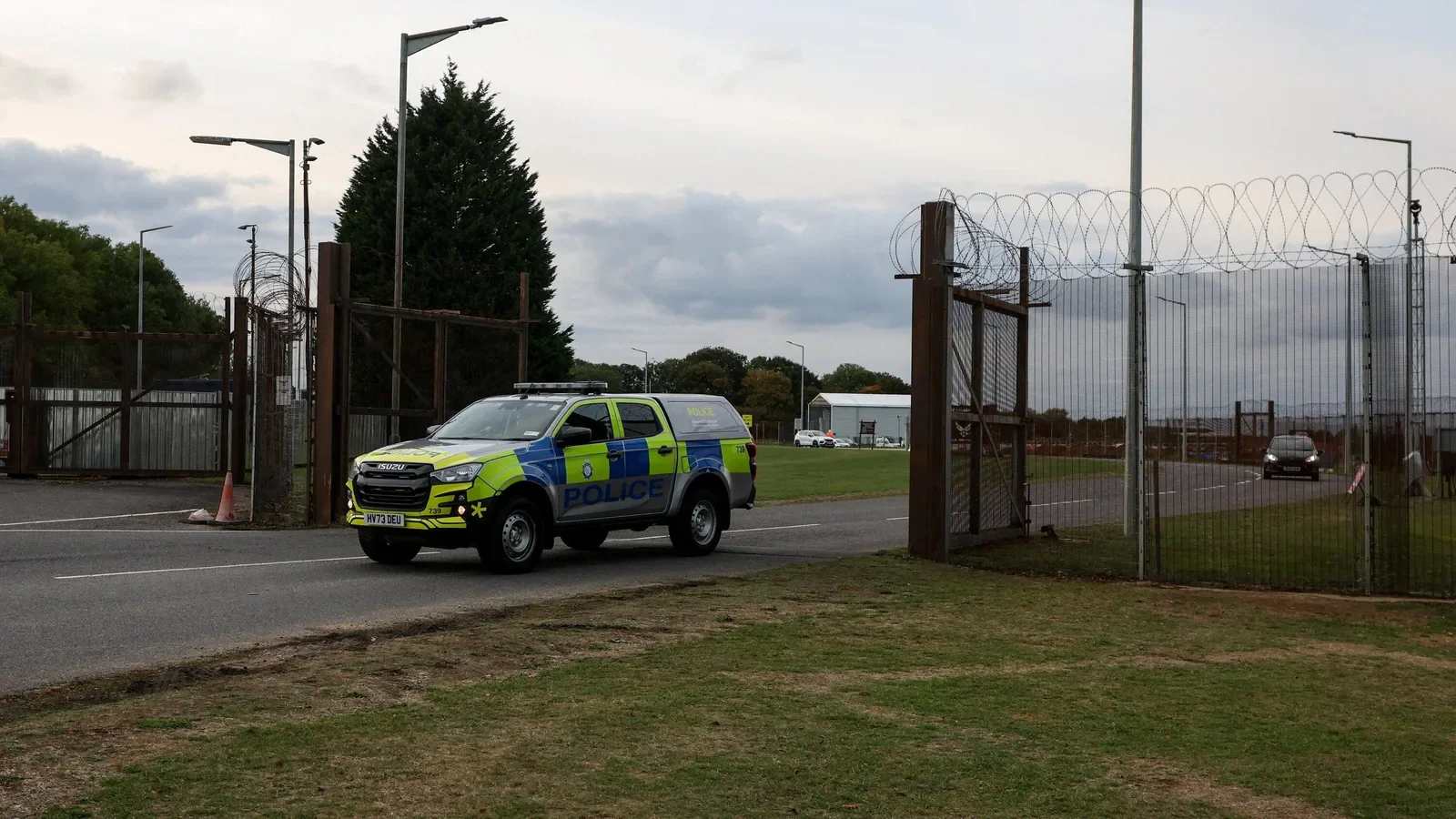
In a development that has sent shockwaves through the Western intelligence community, counterterrorism police in the United Kingdom have arrested two Latvian nationals who successfully breached the perimeter of RAF Molesworth. This installation is far from a standard landing strip; it is a critical hub for the United States Air Force, housing the Joint Analysis Center, which processes massive amounts of intelligence data for European and African commands. The fact that two foreign nationals could penetrate the security of such a sensitive site during a period of heightened global tension has raised immediate red flags regarding potential state-sponsored espionage or sabotage attempts.
While the specific motives of the individuals remain under investigation, the timing is particularly sensitive given the ongoing friction between NATO and Russia-aligned states. Security experts suggest that such breaches are rarely the work of curious wanderers; they often serve as 'stress tests' for base security or active surveillance operations. For global markets, this incident adds a layer of 'geopolitical noise' that often precedes larger shifts in risk appetite. Investors typically view security failures at major military-intelligence nodes as a signal of deteriorating stability, which can lead to localized volatility in the British Pound and broader European indices.

Trump’s Midterm Strategy Sends Oil Prices Into a Tailspin
Oil markets experienced a sudden and dramatic correction today following a social media post from Donald Trump. In a direct attempt to stabilize energy costs and secure voter sentiment ahead of the November midterm elections, Trump declared that the United States would not be launching any strikes against Iran prior to the vote. He further claimed that active discussions with Tehran are ongoing and that oil is flowing in 'record numbers.' This 'no-strike' pledge immediately deflated the war premium that had been propping up Brent and WTI prices, causing a sharp plunge in crude futures as traders recalibrated the immediate risk of a regional conflagration.
However, the market’s relief may be short-lived. Reports indicate that both U.S. and Israeli officials view the Iranian leadership’s reaction to these statements with deep suspicion. The Iranian government, historically wary of Trump’s transactional diplomacy, appears to be treating the announcement as a tactical maneuver rather than a genuine shift in policy. This skepticism is reflected in the domestic Iranian market, where the Toman has not mirrored the drop in oil prices. Instead, the USD/IRR rate rose from 265,900 to 267,700 (+0.7%), suggesting that local participants are more concerned with long-term structural instability than temporary rhetorical de-escalation.
European Civil Unrest: From Madrid’s Housing Crisis to Paris’s Classrooms
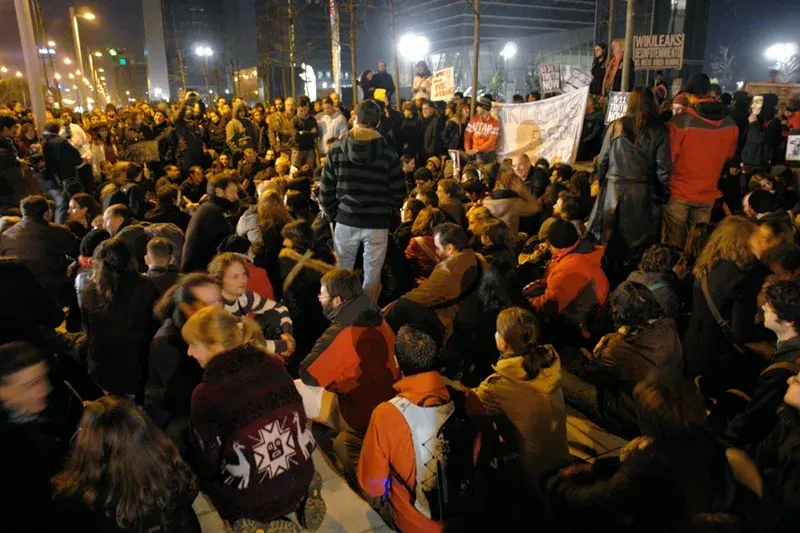
While military bases and oil fields dominate the headlines, a different kind of pressure is building in the streets of Europe. In Madrid, hundreds of protesters have set up camp in the city center, blaming 'vulture funds' and corporate landlords for a housing crisis that has made living in the capital nearly impossible for average citizens. The situation has become so politically toxic that the Spanish Prime Minister has been forced to call a snap election, illustrating how economic grievances can rapidly transform into systemic political instability. This trend of populist anger is a growing concern for Eurozone stability, as it threatens the continuity of economic policy in the continent's fourth-largest economy.
Parallel to the events in Spain, France is grappling with its own wave of mass protests. Students and teachers have taken to the streets for a third consecutive week, citing decrepit school infrastructure and a chronic shortage of educators. The French government’s inability to quell the movement, which is now drawing significant support from the broader adult population, points to a widening gap between the elite leadership and the working class. For the Iranian reader, these developments are a reminder that even the world’s most developed economies are not immune to the social friction caused by inflation and perceived government neglect. As these crises unfold, they weigh on the Euro (EUR sell: 299,750), making the safe-haven appeal of the US Dollar and Gold even more pronounced.
Crypto Flows and the Tehran Market Reality
Despite the geopolitical and social turmoil, the digital asset market continues to show remarkable resilience. According to a new report from JPMorgan, an estimated $50 billion has flowed into the crypto ecosystem this year alone. This institutional momentum has kept Bitcoin clinging to the $81,000 level, even as other risk assets face headwinds. The report highlights that the 'demand-side' factors for crypto are shifting from pure speculation to a genuine hedge against fiat currency volatility. In Iran, this is evident in the Tether (USDT) price, which remains tightly coupled with the rising free-market dollar rate, currently sitting at 266,902 Toman.
In the local Tehran market, the trend remains decidedly bullish for hard assets. The Emami coin rose from 268,500,000 to 270,000,000 Toman (+0.6%), reflecting a flight to safety as regional tensions persist despite Trump’s rhetoric. Gold 18k followed suit, moving from 26,286,993 to 26,305,461 Toman (+0.1%). The meeting between President Pezeshkian and Vladimir Putin in Turkmenistan today further cements the 'pivot to the East' strategy, but for the average Iranian, the immediate concern remains the eroding purchasing power of the Toman. As global energy prices dip but local currency costs rise, the disconnect between global trends and Iranian reality continues to widen.
Frequently Asked Questions
چرا نفوذ به پایگاه مولزورث برای بازارهای جهانی اهمیت دارد؟
دلیل سقوط قیمت نفت پس از پست ترامپ چه بود؟
چرا با وجود کاهش قیمت نفت، قیمت دلار و سکه در ایران گران شد؟
Understanding Geopolitical Risk and its Market Impact
Geopolitical risk refers to the potential for political decisions, events, or instabilities to disrupt the normal course of international relations, and consequently, global economies and financial markets. These events can range widely, from large-scale conflicts and terrorism to trade disputes, diplomatic tensions, and even significant leadership changes. The core characteristic of geopolitical risk is the introduction of uncertainty and the potential for widespread disruption to the existing global order, directly impacting economic stability and investor confidence.
Such risks often lead to increased market volatility, as investors react to perceived threats to global or regional stability. This frequently results in a "flight to safety," where capital rapidly moves from riskier assets, such as emerging market stocks or certain currencies, to perceived safe havens like gold, the Japanese Yen, or U.S. Treasury bonds. Furthermore, geopolitical events can cause sharp and unpredictable movements in commodity prices, particularly oil, due to concerns about supply disruptions in conflict-prone regions or shifts in global demand.
Connecting this to the provided keywords, a security breach at a major air base, like RAF Molesworth, signals potential instability, which can raise anxieties in defense sectors and broader security concerns. A leader's "no-strike" vow concerning a volatile region, such as Trump's potential stance on Iran, can temporarily calm markets or, conversely, create uncertainty about future policy shifts and their implications. Financial indicators like the USD to Toman exchange rate, global oil prices, and even cryptocurrency flows can all serve as sensitive barometers of such global tensions, reflecting shifts in investor sentiment and capital allocation in response to evolving geopolitical developments. Understanding these dynamics is crucial for navigating the complexities of the global economy.
Topics
Related Articles