AI Reality Check: Firmus Scraps Record IPO as Global Markets Face Data Center Skepticism
شوک هوش مصنوعی به بازارهای جهانی؛ لغو بزرگترین عرضه اولیه استرالیا در پی تردید سرمایهگذاران
The largest Australian stock market debut in decades has been pulled as investors question AI infrastructure valuations. Meanwhile, Brent crude holds above $100 amid regional tensions and a major UK political policy error is revealed.
At time of publishing
USD
267,400
Toman
Gold 18K
26.50M
Toman / gram
Bitcoin
$82,425
US Dollar
Tether
267,721
Toman
The AI Infrastructure Bubble Faces a Price-Tag Reality Check
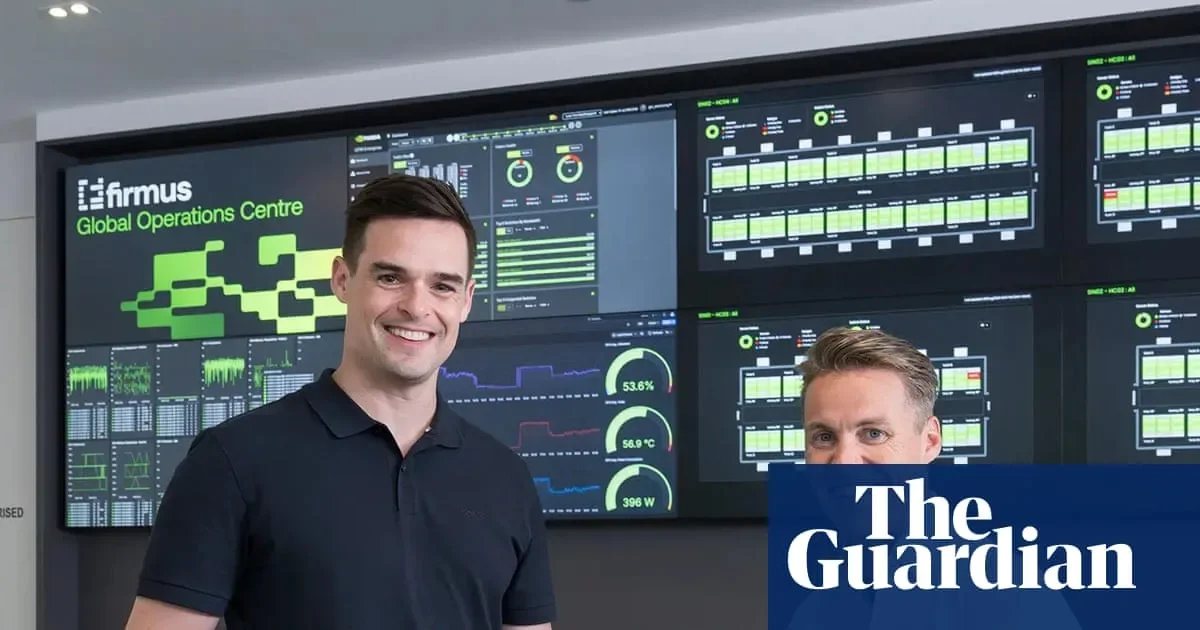
In a move that has sent ripples through the global technology sector, Firmus Technologies has officially scrapped its planned initial public offering (IPO) on the Australian Securities Exchange (ASX). The $11-a-share offer was positioned to be the largest debut on the Australian market since the telecommunications giant Telstra in 1997. However, the board decided to withdraw the float after investor demand for its much-hyped AI data center business failed to materialize in the final hours. This cancellation marks a significant cooling in the 'AI gold rush' that has dominated markets for the past year, suggesting that institutional investors are becoming increasingly wary of high-valuation infrastructure plays that lack immediate, proven profitability.
This development is not an isolated incident but part of a broader trend of caution. Recent reports indicating that OpenAI’s annualized revenue might be falling short of the most aggressive expectations have already put pressure on chipmakers like Nvidia and Micron. For the global economy, and particularly for tech-heavy portfolios, the Firmus withdrawal signals that the market is moving from a phase of blind enthusiasm to one of rigorous scrutiny. Investors are no longer willing to buy into the 'AI future' at any price, especially when the capital expenditure required for massive data centers remains astronomical while the path to sustainable returns remains opaque.

Geopolitical Tensions and Energy Market Volatility
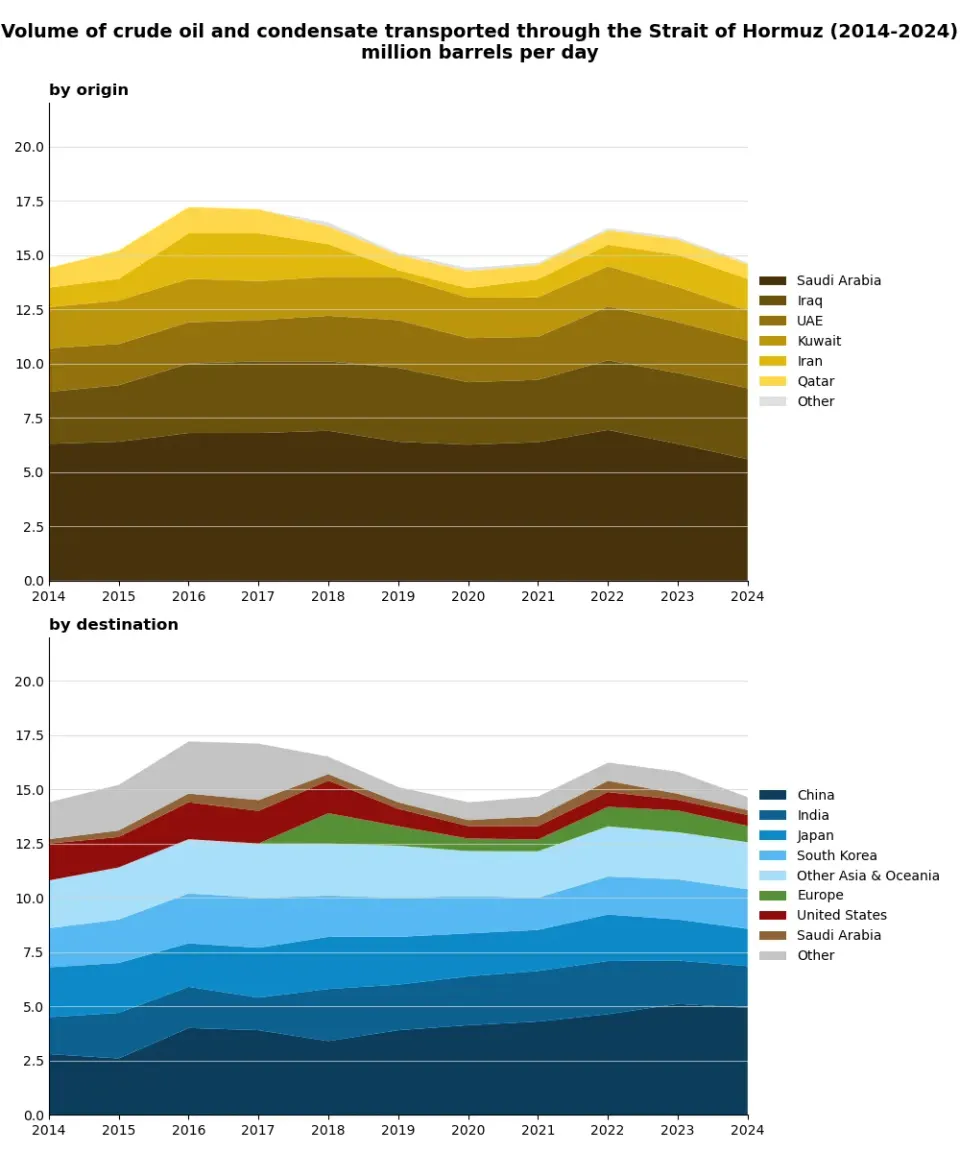
Energy markets remain on edge as Brent crude continues to hold steady above the $100 mark, currently trading at $102.83 per barrel. This price stability at a high level comes despite conflicting signals regarding diplomatic progress between the U.S. and Iran. While reports suggest that the Trump administration is engaged in 'productive talks' with Tehran, the physical reality on the water tells a different story. Tanker traffic through the Strait of Hormuz has reportedly hit a two-month low, driven by a series of recent attacks and heightened security risks. This bottleneck in one of the world's most critical maritime arteries is providing a solid floor for oil prices, counteracting any bearish sentiment from potential diplomatic breakthroughs.
For the Iranian economy, this high-price environment is a double-edged sword. While it theoretically increases potential revenue from energy exports, the continued pressure on shipping lanes and the threat of further sanctions-related disruptions keep the domestic market in a state of constant flux. The Iranian Toman has seen slight movement, with the USD sell rate at 267,400, a minor -0.1% decrease from 267,700. However, the 0.7% rise in 18k gold prices to 26,497,068 Toman per gram suggests that local investors are still seeking refuge in hard assets as a hedge against regional instability and global inflationary pressures.
Policy Blunders and the Changing Landscape of Global Labor
In the United Kingdom, a major political scandal has erupted following the revelation that the Conservative party significantly overstated the cost of 'Net Zero' policies. A flagship policy document released by Kemi Badenoch in Birmingham reportedly contained a spreadsheet error that double-counted figures, leading to an overestimation of nearly £500 billion. This massive discrepancy undermines the fiscal arguments used by the opposition to challenge current climate targets and highlights the precarious nature of economic data in high-stakes political debates. As the Labour party secures key byelection victories, such as the Holborn and St Pancras seat, the narrative around energy transition and public spending is likely to shift toward more aggressive green investment.
Meanwhile, a landmark legal ruling in Australia is redefining the boundaries of the modern workplace. A currency trader who was fired for working from Singapore and Bali without formal approval has won an unfair dismissal case against his employer. While he was not awarded financial compensation, the Fair Work Commission’s ruling that the dismissal was 'harsh' sets a precedent for how companies handle remote work violations. This case underscores the ongoing friction between traditional corporate oversight and the 'digital nomad' aspirations of high-value employees. It serves as a reminder that as global labor markets become more interconnected, the legal frameworks governing employment must evolve to address the complexities of a borderless workforce.

Frequently Asked Questions
چرا عرضه اولیه Firmus لغو شد؟
علت پایداری قیمت نفت بالای ۱۰۰ دلار چیست؟
تاثیر خطای محاسباتی ۵۰۰ میلیارد پوندی در بریتانیا چیست؟
Understanding the AI Market Bubble and the Hype Cycle
The term "AI market bubble" refers to a period when enthusiasm for artificial‑intelligence technologies drives valuations far above what the underlying fundamentals—such as revenue, profit, or realistic deployment timelines—can justify. Investors pour capital into startups, public offerings, and even mature firms based on the promise that AI will revolutionize every industry. When expectations outpace actual progress, the market can experience a sharp correction, as seen when Firmus Technologies withdrew its record IPO amid growing scepticism about data‑center demand.
A useful framework for visualising this phenomenon is the Gartner Hype Cycle. The model describes five stages: (1) Technology Trigger, where a breakthrough sparks interest; (2) Peak of Inflated Expectations, when media hype and speculative funding reach a zenith; (3) Trough of Disillusionment, where early failures become visible and confidence wanes; (4) Slope of Enlightenment, as realistic use‑cases emerge; and (5) Plateau of Productivity, when the technology matures and delivers steady value. AI has repeatedly cycled through these phases, most famously during the “AI winter” of the 1970s‑80s and again in the early 2020s.
Comparing the AI bubble to the dot‑com bubble of the late 1990s highlights common dynamics: exuberant valuations, a rush of IPOs, and a sudden market pull‑back when revenue growth fails to materialise. Both episodes taught investors the importance of scrutinising unit economics, customer adoption curves, and the time‑to‑profit of emerging technologies rather than relying solely on hype‑driven narratives.
For founders and investors, the lesson is to balance optimism with disciplined financial modelling. Companies that focus on clear, monetisable AI applications—such as predictive maintenance, fraud detection, or supply‑chain optimisation—are more likely to survive the trough and reach the plateau of productivity. Conversely, firms that chase headline‑grabbing buzz without a viable path to cash flow risk becoming casualties of the next correction.
Understanding the AI market bubble equips stakeholders to navigate the volatile landscape of tech finance, make smarter investment decisions, and ultimately contribute to a healthier, more sustainable AI ecosystem.