Siberian Plague Scare & Riyadh Airport Strike: Regional Tensions Fuel Gold's Climb
سایه طاعون در روسیه و حمله موشکی به ریاض؛ التهاب منطقهای قیمت طلا را بالا برد
A suspected plague outbreak in Siberia met with Kremlin secrecy and a deadly Houthi attack on Riyadh airport are rattling markets this Friday. While the Dollar remains steady, gold prices in Tehran have ticked upward as the 'Hormuz Crisis' threatens European energy security.
At time of publishing
USD
267,400
Toman
Gold 18K
26.43M
Toman / gram
Bitcoin
$82,581
US Dollar
Tether
267,752
Toman
The Kremlin’s Veil: Suspected Plague and the Culture of Secrecy
At 14:00 Tehran time on Friday, October 9, 2026, reports from Siberia have reignited global fears regarding Russia’s management of public health crises. The suspicious death of a researcher at a high-security laboratory in Siberia has fueled concerns of a potential pneumonic plague outbreak. Rather than providing transparency, the Kremlin appears to have reverted to its Soviet-era playbook of information control and denial. This culture of secrecy, as noted by international observers, often prioritizes the state's image over public safety, creating a dangerous information vacuum that leaves neighboring nations and strategic partners in the dark.
For Iranian observers and the broader regional market, this development is more than a distant health concern. Russia is a critical economic and military partner for the Islamic Republic, particularly within the North-South transport corridor. Any systemic instability or a major biological crisis within the Russian Federation could disrupt trade routes, delay infrastructure projects, and introduce a new layer of risk to the Toman’s valuation. When the Kremlin hides the truth about a potential epidemic, it forces markets to price in the 'unknown,' leading to heightened volatility in regional currencies and commodities that rely on Russian stability.

Deadly Escalation: Riyadh Airport Strike and the Hormuz Energy Bottleneck
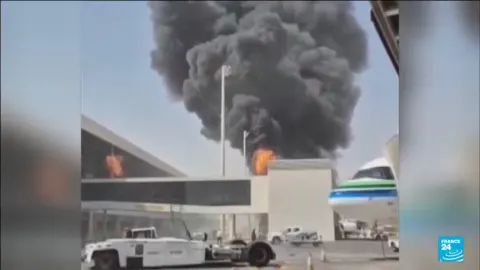
Geopolitical tensions reached a boiling point late Thursday as Houthi forces launched a missile attack on Riyadh’s international airport, resulting in the deaths of three Saudi nationals. This marks the deadliest strike within the Kingdom since the recent escalation of military operations in Yemen. The attack is a stark reminder of the fragile security environment surrounding the world’s most vital energy arteries. As the Iran-backed group demonstrates its ability to strike deep into Saudi territory, the risk premium on regional assets is surging, directly impacting the sentiment of traders in the Tehran bazaar.
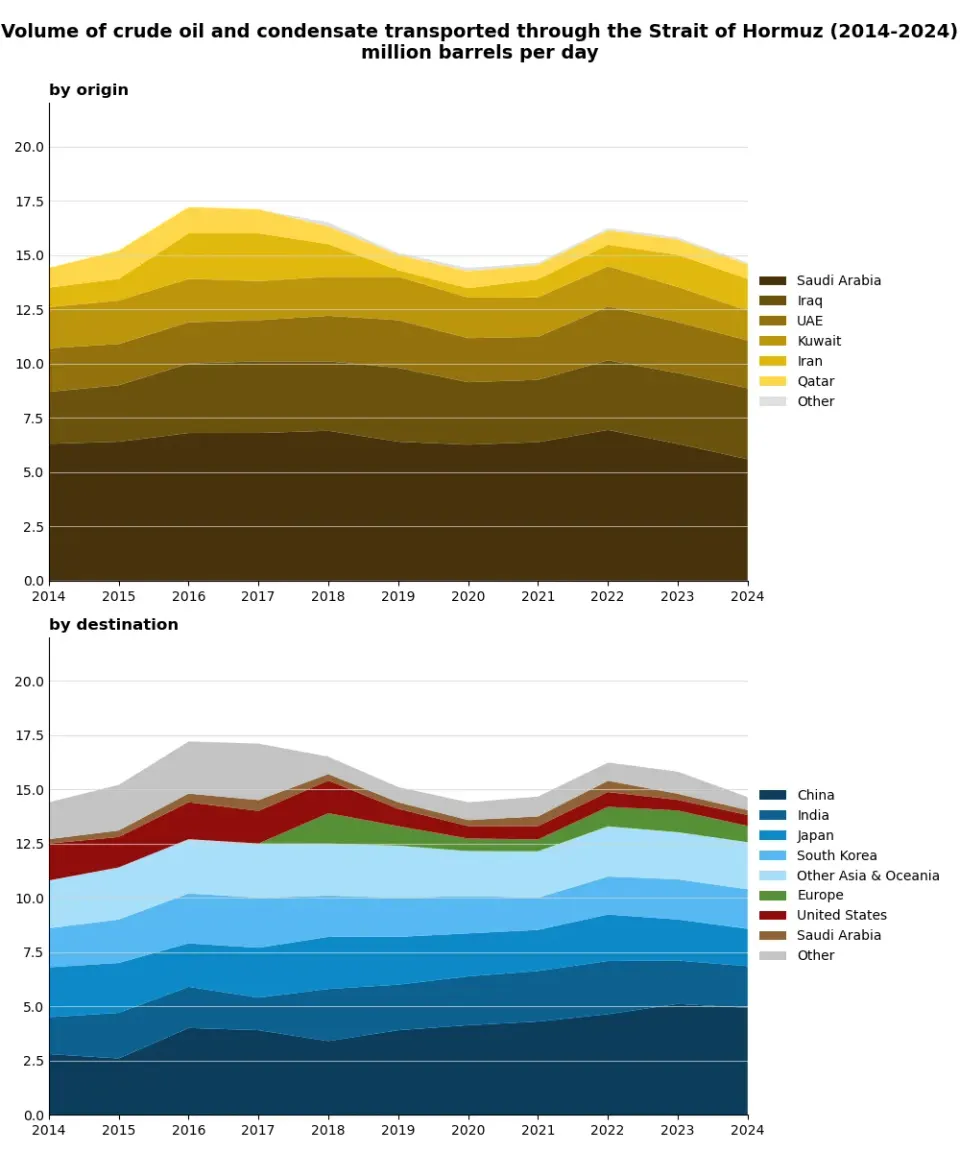
Simultaneously, the global energy market is grappling with what analysts are calling the 'Hormuz Crisis.' According to the Institute for Energy Economics and Financial Analysis, European gas storage levels are at historical lows heading into the winter months because a significant portion of the world’s liquefied natural gas (LNG) is currently trapped behind the Strait of Hormuz. This supply chain paralysis has sent European gas prices soaring. In Tehran, this geopolitical friction translated into a 0.5% rise in the price of 18k gold today, moving from 26,305,461 to 26,432,429 Toman per gram, as investors flee to safe-haven assets amid the threat of a wider regional conflict.
A Nobel for Gaza: Navi Pillay and the Moral Shift in Geopolitics
In a move that has significant implications for Middle Eastern diplomacy, human rights lawyer Navi Pillay has been awarded the Nobel Peace Prize. Pillay, who previously led a United Nations panel that accused Israel of committing genocide in Gaza, represents a hardening of international legal stances against the ongoing conflict. While the Israeli government has rejected the findings of her committees, the Nobel Committee's decision signals a shift in the global narrative, placing human rights and war crimes investigations at the forefront of the international agenda.
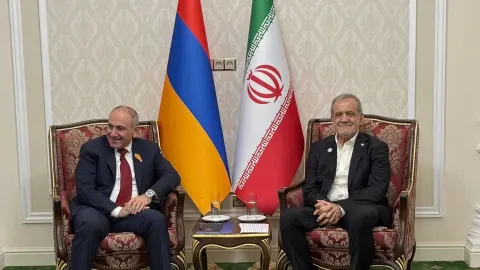
This award is likely to complicate the diplomatic maneuvers of major powers in the region. For Iran, the recognition of Pillay’s work provides a rhetorical boost on the international stage, even as the country faces its own scrutiny regarding domestic human rights. However, the broader impact lies in how this award might influence future sanctions regimes or international court rulings. As the legal pressure on Israel increases, the regional power balance may tilt, potentially affecting the risk appetite of foreign investors who are wary of being caught in the crossfire of international legal disputes and escalating sanctions.
Market Pulse: Dollar Stability Amidst Crypto and Tech Turmoil
Despite the surrounding chaos, the Iranian currency market has shown remarkable resilience today. The USD/IRR rate saw a marginal decrease of 0.1%, moving from 267,700 to 267,400 Toman. This relative stability in the face of the Riyadh attack suggests that the Central Bank may be intervening to prevent a panic-driven spike, or that the market had already priced in a high degree of regional risk. Meanwhile, the gold market remained the primary outlet for anxiety, with the Emami coin holding steady at 270,000,000 Toman, reflecting a cautious 'wait-and-see' approach from major wholesalers.
In the digital asset space, Bitcoin (BTC) has dipped to $82,581, as speculators moved over 55,000 BTC to exchanges following a wave of liquidations. This volatility in the crypto market is mirrored by internal strife at OpenAI, where the company has doubled down on its decision to fire safety researchers. These tech and crypto fluctuations are increasingly seen by Wall Street analysts as parallels to the high-inflation era of the late 1970s. For the Iranian investor, these global trends underscore the importance of diversification; as traditional tech and crypto assets face 'reality checks,' the intrinsic value of gold in the local market remains the dominant hedge against both local and global instability.
Watch
Suspected plague case highlights Russia’s inherited Soviet-era culture of secrecy • FRANCE 24
FRANCE 24 English
Frequently Asked Questions
چرا قیمت طلا در بازار تهران امروز صعودی شد؟
بحران هرمز چه تأثیری بر بازار گاز اروپا گذاشته است؟
علت نگرانیها درباره شیوع طاعون در روسیه چیست؟
وضعیت بیتکوین در بازارهای جهانی چگونه است؟
Gold as a Safe-Haven Asset
In times of global uncertainty, whether stemming from geopolitical conflicts, economic instability, or even public health crises, investors often seek refuge in assets perceived as stable and reliable. This phenomenon is known as the "flight to safety," and among the most prominent beneficiaries is gold, often referred to as a safe-haven asset. A safe-haven asset is one that is expected to retain or even increase in value during periods of market turbulence, offering protection against losses in other investment classes. Gold's status as a safe haven is deeply rooted in human history, having served as a store of value and a medium of exchange for millennia.
The appeal of gold as a safe haven stems from several key characteristics. Unlike fiat currencies, which can be devalued by government policy or inflation, gold possesses intrinsic value and is not subject to counterparty risk – meaning its value doesn't depend on the solvency of a particular government or corporation. Its supply is finite, and it is universally recognized and accepted, making it a liquid asset even in distressed markets. When events like regional conflicts, currency devaluations, or widespread economic fears emerge, investors tend to divest from riskier assets like stocks and bonds, reallocating capital into gold, thereby driving up its price.
Recent events, such as heightened regional tensions in the Middle East, potential disruptions to global energy supplies (like the Hormuz Crisis), or even the specter of widespread health outbreaks, exemplify the kind of instability that typically boosts gold's appeal. These scenarios create an environment of fear and unpredictability, prompting investors to seek out assets that offer a perceived shield against volatility. While gold does not generate income like dividends or interest, its ability to preserve capital during market downturns makes it a crucial component of a diversified investment portfolio, particularly for those looking to hedge against systemic risks.