Riyadh Airport Strike Heightens Regional Risk as Trump Signals Pre-Election Pause on Iran War
حمله به فرودگاه ریاض و سیگنالهای متناقض واشینگتن؛ تنش در منطقه و نوسان در بازارهای جهانی
A Houthi strike on Riyadh's main airport has killed three people, sending shockwaves through regional markets just as Donald Trump signals a temporary pause in military escalations. Meanwhile, record-high freight costs are forcing Asian refiners to abandon US oil in favor of Middle Eastern supplies.
At time of publishing
USD
267,100
Toman
Gold 18K
26.44M
Toman / gram
Bitcoin
$82,454
US Dollar
Tether
267,699
Toman
Escalation in the Skies: Houthi Strike on Riyadh Airport
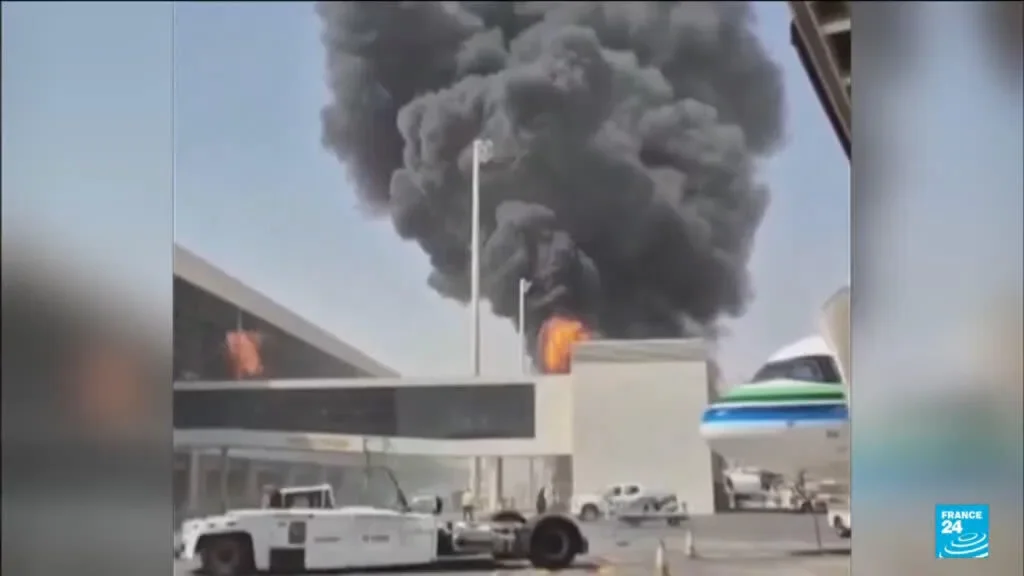
A significant escalation in regional hostilities occurred early Friday as Houthi forces launched a missile strike targeting the Riyadh international airport. Saudi authorities confirmed that the attack resulted in the deaths of three individuals and caused substantial damage to a Saudia Airlines aircraft. Smoke was seen billowing over the facility, leading to a wave of flight cancellations by international carriers just days before the city was set to host a major gathering of global energy leaders. This strike is widely viewed as a direct consequence of the simmering conflict between the United States and Iran-aligned groups, marking a shift from localized skirmishes to attacks on high-value civilian and economic infrastructure within the Kingdom.
For the Iranian market, this escalation provides a double-edged sword. While regional instability typically drives up the 'war premium' on the US dollar in Tehran, the immediate reaction in the currency market remained muted, with the USD sell rate moving slightly from 267,700 to 267,100 Toman, a minor decrease of 0.2%. However, the psychological impact on traders is palpable; gold prices in Iran saw a modest uptick of 0.5%, with 18k gold reaching 26,443,972 Toman per gram. Investors are closely watching whether this strike signals a prolonged campaign against Saudi infrastructure, which could eventually disrupt oil flows and spark a more aggressive rally in both precious metals and hard currency.
Trump’s Midterm Strategy: A Temporary 'Pause' on Iran War
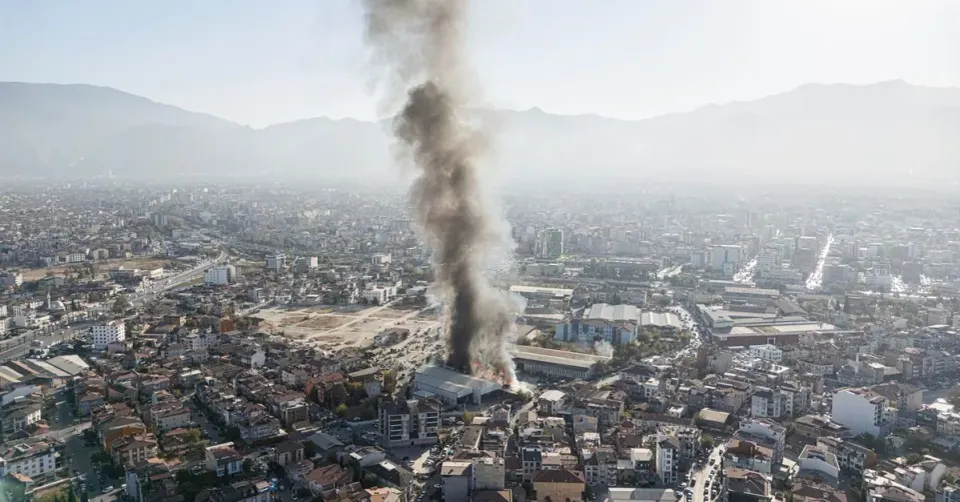
In a move that has temporarily calmed fears of an imminent all-out war, Donald Trump has reportedly ruled out any major military strikes against Iran before the upcoming US midterm elections. This strategic 'pause' is seen by analysts as an attempt to prevent a massive spike in global energy prices that could alienate American voters at the polls. Despite the aggressive rhetoric coming from his administration—including Defense Secretary Pete Hegseth’s controversial plans to livestream military executions—the White House appears to be prioritizing domestic political stability over immediate geopolitical confrontation. This news provided a floor for Bitcoin, which steadied at approximately $82,454 after facing downward pressure earlier in the week.
What this means for the global economy is a period of 'tense waiting.' While the threat of a direct strike is off the table for the next few weeks, the underlying sanctions regime and the proxy conflicts in Yemen and Lebanon continue unabated. The crypto market, often used as a hedge against geopolitical volatility by Iranian investors, has seen Ethereum lose nearly 9% of its value over the week, while Bitcoin remains 4% lower than its recent highs. The lack of a clear 'peace' signal means that while the immediate panic has subsided, the long-term trend for risk assets remains clouded by the uncertainty of what a post-election Trump policy might look like.
The Great Pivot: Asian Refiners Ditch US Oil for Middle East Barrels
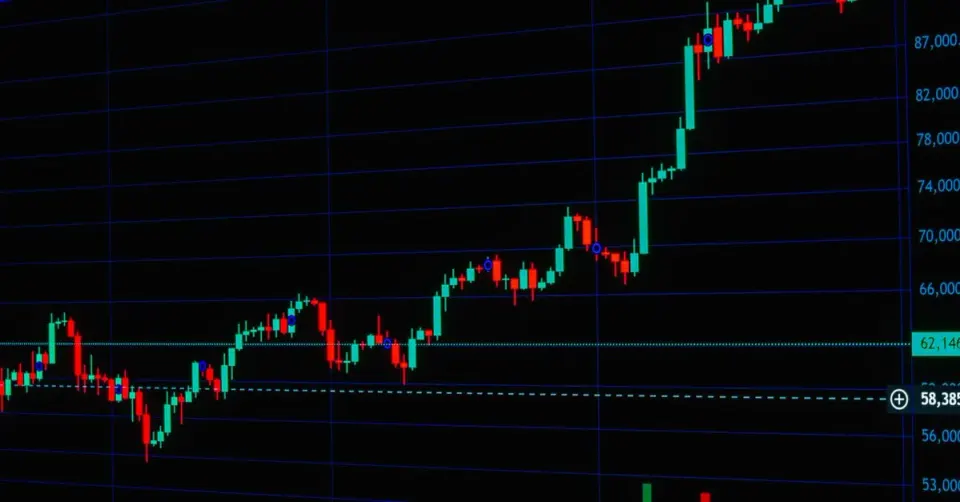
A structural shift is occurring in the global energy market as Asian refiners begin to turn away from American crude oil. The primary driver is a staggering increase in freight costs, with supertanker rates hitting a record $82 million for a single voyage from the US Gulf Coast to Asia. This massive overhead has effectively closed the 'arbitrage' window, making US oil prohibitively expensive compared to Middle Eastern and South American alternatives. As a result, the dominant crude importers in Asia are re-establishing their reliance on regional suppliers, a move that could inadvertently benefit the broader Middle Eastern economy despite the ongoing military tensions.
This shift is particularly relevant to the Iranian context as it highlights the limitations of the US energy export machine when faced with logistical bottlenecks. While the US had previously stepped in to fill the gap left by sanctioned Iranian barrels, the current shipping crisis is forcing a rethink. If Middle Eastern barrels become the only viable option for Asian giants like China and India, the geopolitical leverage of the region increases. This energy dynamic, combined with the rising cost of gold—which currently sits at $4,185.70 per ounce—suggests that the global financial system is bracing for a sustained period of high inflation and supply chain fragmentation.
Tehran’s Eastern Diplomacy: Pezeshkian at the CIS Summit
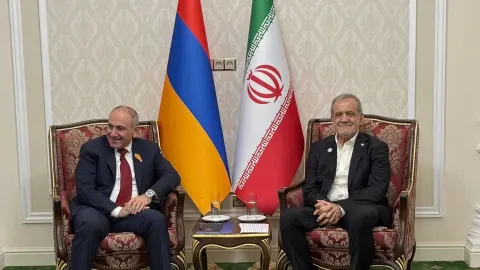
On the diplomatic front, President Masoud Pezeshkian has been active in Turkmenistan, attending the Commonwealth of Independent States (CIS) summit as a special guest. According to reports from Iranian state media, Pezeshkian has been emphasizing Iran’s 'strategic role' in connecting the landlocked nations of Central Asia and Eurasia to open waters. During his meetings with the Secretary-General of the Shanghai Cooperation Organization (SCO), the Iranian president framed the country as a vital transit hub, seeking to strengthen economic ties that could bypass Western-led sanctions.
While the government portrays these diplomatic efforts as a breakthrough in 'neutralizing' sanctions, the reality on the ground remains challenging. The Iranian economy continues to struggle with high domestic inflation, and while regional integration through the SCO and CIS offers a theoretical lifeline, the actual trade volumes remain insufficient to offset the loss of Western markets. For the average Iranian citizen, these high-level meetings are often viewed with skepticism until they translate into a more stable exchange rate or lower prices for essential goods. For now, the Toman remains under pressure, and the gap between official diplomatic optimism and market reality persists.

Watch
Houthis claim responsibility for airport attacks in Saudi Arabia
CNN
Frequently Asked Questions
چرا حمله به فرودگاه ریاض بر قیمت دلار در ایران تاثیر گذاشت؟
علت رویگردانی آسیاییها از نفت آمریکا چیست؟
آیا بیتکوین تحت تاثیر اخبار جنگ ایران و آمریکا قرار دارد؟
Understanding the Geopolitical Risk Premium
The news of a Riyadh airport strike and shifts in U.S. policy towards Iran, alongside their potential impact on oil refiners and freight rates, highlights a crucial economic concept: the Geopolitical Risk Premium. This premium refers to the extra return investors demand, or the added cost placed on commodities and assets, due to political instability, conflict, or uncertainty in a specific region. It's not just about actual disruptions, but crucially, the perception and fear of potential future disruptions.
In commodity markets, particularly oil, this premium is highly visible. For instance, a Houthi missile strike near a major oil-producing or transit hub, even if it causes no direct damage, immediately injects uncertainty into the global supply chain. Traders and refiners, fearing potential future supply disruptions, higher insurance costs, or blockades, will factor this risk into their pricing. This increased demand for a risk premium translates into higher oil prices, which then ripple through the economy, affecting everything from gasoline prices to the operational costs for Asian oil refiners and the freight rates for shipping oil globally.
The geopolitical risk premium extends beyond just oil. It influences currency markets, where heightened regional tensions can lead to capital flight or increased demand for stable foreign currencies, impacting exchange rates like the USD/IRR. Similarly, safe-haven assets such as gold often see increased demand during periods of elevated geopolitical risk, as investors seek to protect their wealth from potential economic fallout. The gold price in Iran, for example, would be sensitive to both local and regional geopolitical developments.
Political rhetoric and policy shifts, such as a U.S. presidential candidate signaling a 'pause' on a potential conflict, can also significantly alter the geopolitical risk premium. Such statements can either reduce the perceived risk, leading to a temporary easing of prices, or, if interpreted as merely delaying an inevitable confrontation, might sustain or even increase the premium. It's a complex interplay of current events, market psychology, and future expectations.
Understanding the geopolitical risk premium is essential for anyone trying to make sense of market volatility in politically sensitive regions. It explains why seemingly isolated incidents can have far-reaching economic consequences, and why the price of a barrel of oil or an ounce of gold can react dramatically to headlines about regional security or international relations.