Royal Repair Bills and Tech Bans: Meta Blocks TikTok Ads as Prince Andrew Faces £1.5m Restoration Tab
بحران هزینههای سلطنتی و جنگ تبلیغاتی متا؛ از قبض ۱.۵ میلیون پوندی پرنس اندرو تا ممنوعیت تیکتاک
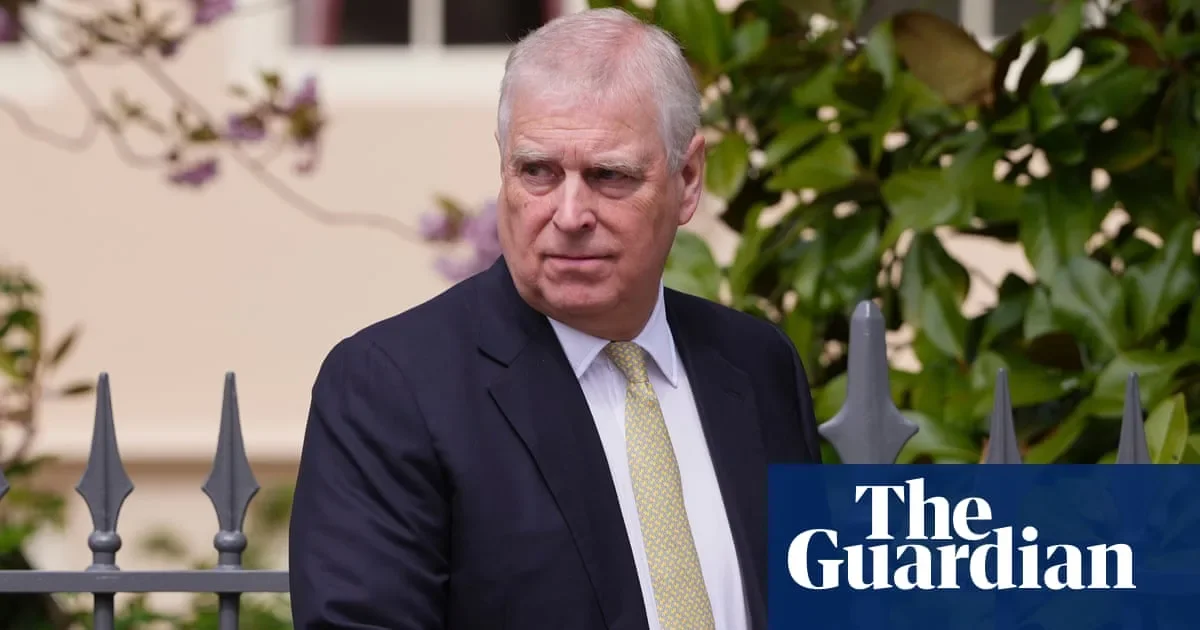
Prince Andrew faces a staggering £1.5 million repair bill for his former residence as King Charles steps in to cover the costs. Meanwhile, the tech world is shaken by Meta's decision to ban TikTok ads, signaling a massive escalation in the social media rivalry.
At time of publishing
USD
266,900
Toman
Gold 18K
26.46M
Toman / gram
Bitcoin
$82,961
US Dollar
Tether
266,920
Toman
The Royal Bill: Prince Andrew’s £1.5 Million Restoration Crisis
In a development that highlights the ongoing financial reshuffling within the British monarchy, Prince Andrew, the Duke of York, has been hit with a substantial £1.8 million bill for the repair and restoration of Royal Lodge. The costs emerged following the official surrender of the lease on the 98-acre property in Windsor. While the total bill was initially higher, the former prince was granted £302,000 in compensation for ending the lease early, leaving a net liability of £1.5 million. Reports indicate that King Charles III has stepped in to contribute toward these costs, a move that is likely to stir further public debate regarding the private financing of royal family members who no longer perform official duties. This financial settlement is not merely a private family matter; it represents the logistical challenges of maintaining the Crown's vast estate during a period of increased transparency. Royal Lodge, a 30-room mansion, requires significant upkeep to meet historical preservation standards. The fact that the King is reportedly footing the bill suggests a desire to settle the Duke's housing situation permanently, potentially moving him to a more modest residence like Frogmore Cottage. For observers, this signifies a 'slimming down' of the monarchy’s physical footprint, even if the immediate costs remain eye-watering for the general public.

Meta Strikes at TikTok: A New Front in the Social Media Cold War
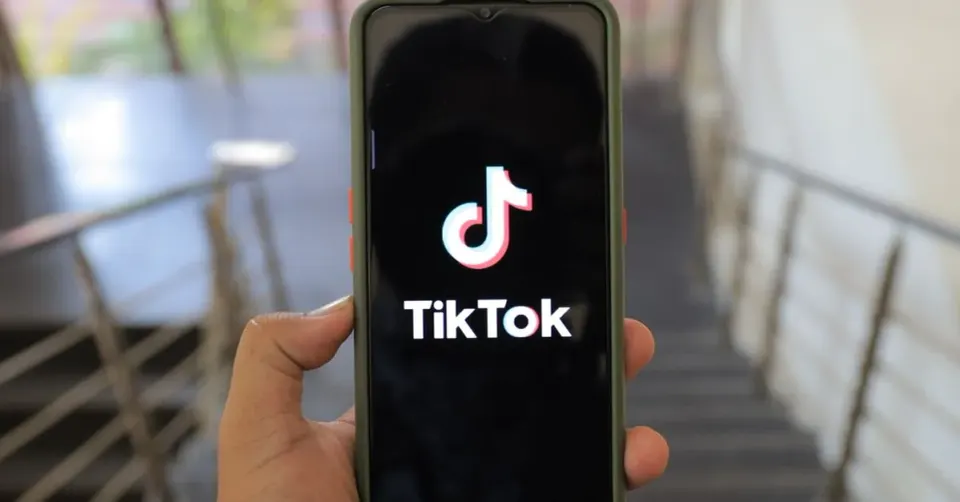
In a move that has sent shockwaves through the digital marketing industry, Meta—the parent company of Facebook and Instagram—has officially banned advertisements from TikTok’s parent company, ByteDance, across its global platforms. The ban, which took effect this Thursday, restricts not only direct ads from ByteDance but also third-party marketing that links back to the TikTok app. This escalation comes as the rivalry between the two giants reaches a fever pitch, with Meta struggling to reclaim the short-form video dominance that TikTok currently enjoys through its algorithmic prowess. Why does this matter? For years, ByteDance has been one of Meta’s largest advertising clients, spending millions to acquire users from Facebook and Instagram. By cutting off this revenue stream, Meta is signaling that market share is now more valuable than immediate ad revenue. It is a defensive maneuver designed to starve TikTok of user growth in Western markets where Meta is fighting to keep its younger demographic engaged. This policy shift also aligns with broader geopolitical pressures in the US and Europe, where regulators are increasingly skeptical of ByteDance’s data practices and Chinese origins.
Shadow Wars and Economic Strains: London Surveillance and UK Bank Taxes
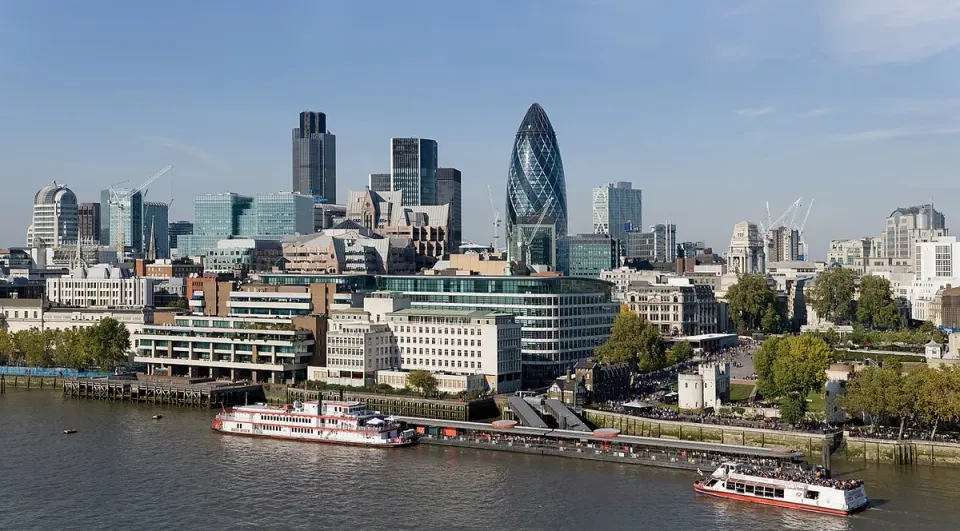
On the geopolitical front, tension between London and Tehran has spiked as two men appeared in court to deny charges of conducting Iranian-backed surveillance on Jewish and Israeli sites in London. The targets reportedly included the Israeli embassy, a synagogue, and specific individuals of interest to the Iranian state. This case underscores the 'shadow war' tactics that European intelligence agencies have been warning about—where state actors use proxies to conduct intimidation and intelligence gathering on foreign soil. For the Iranian community and the wider diaspora, such reports often lead to increased security scrutiny and a hardening of diplomatic stances in Westminster. Meanwhile, the UK’s domestic economic policy is under fire. The Trades Union Congress (TUC) has released calculations suggesting that tax breaks for major banks, introduced under former Chancellor Rishi Sunak, have cost the public purse roughly £6 billion in lost revenue. As the current Chancellor, John Healey, prepares for the upcoming budget, there is mounting pressure to reverse these surcharge cuts to fund public services. This internal fiscal debate mirrors the external market volatility; in the last 24 hours, the Iranian Toman saw the USD sell rate move from 267,700 to 266,900 (-0.3%), while gold prices in Tehran edged up by 0.6% to 26,460,132 Toman per gram, reflecting a global flight to safety amidst these layered geopolitical and economic uncertainties.
Frequently Asked Questions
Why did Meta ban TikTok ads?
Who is paying for Prince Andrew's house repairs?
What is the latest USD price in Tehran?
Understanding Digital Advertising Ecosystems and Platform Control
The modern digital landscape is dominated by a handful of powerful platforms that serve as gatekeepers to vast audiences. These platforms, such as Meta (owner of Facebook, Instagram, WhatsApp) and ByteDance (owner of TikTok), have built sophisticated "digital advertising ecosystems." At its core, this ecosystem is a complex network where advertisers pay platforms to display their messages to specific user segments. The platforms leverage vast amounts of user data – from demographics and interests to browsing habits – to offer highly targeted advertising, making them incredibly attractive to businesses seeking to reach potential customers efficiently.
The rivalry between these tech giants is fierce, often extending beyond product features to control over advertising revenue and user attention. When Meta blocks TikTok ads, as the headline suggests, it's a strategic move within this competitive arena. Such bans can be motivated by various factors: protecting proprietary data, preventing competitors from leveraging one's audience, or even regulatory compliance. For advertisers, these bans mean navigating a fragmented landscape, potentially increasing costs or limiting reach if they can no longer cross-promote on rival platforms.
This control exerted by dominant platforms has significant implications. It highlights their immense power to shape market dynamics, influence consumer behavior, and even dictate the success or failure of smaller businesses reliant on digital advertising. While platforms argue these measures protect users or maintain platform integrity, critics often point to anti-competitive practices, stifling innovation, and creating walled gardens where data and audience access are tightly controlled. Understanding this ecosystem is crucial for anyone engaging with the digital economy, whether as a consumer, advertiser, or policymaker.