EU Mobilizes Minerals Projects to Avert China Trade War as SpaceX Pressure Hits Telecom Giants
تدارک گسترده اتحادیه اروپا برای جنگ تجاری با چین؛ ۴۶ پروژه استراتژیک مواد معدنی کلید خورد
The European Union has launched 46 strategic projects to secure critical minerals and reduce reliance on China. Meanwhile, traditional telecom shares are falling as Wall Street reassesses the growing threat from SpaceX's satellite network.
At time of publishing
USD
267,000
Toman
Gold 18K
26.50M
Toman / gram
Bitcoin
$83,087
US Dollar
Tether
267,634
Toman
The Great Mineral Race: EU’s Shield Against China
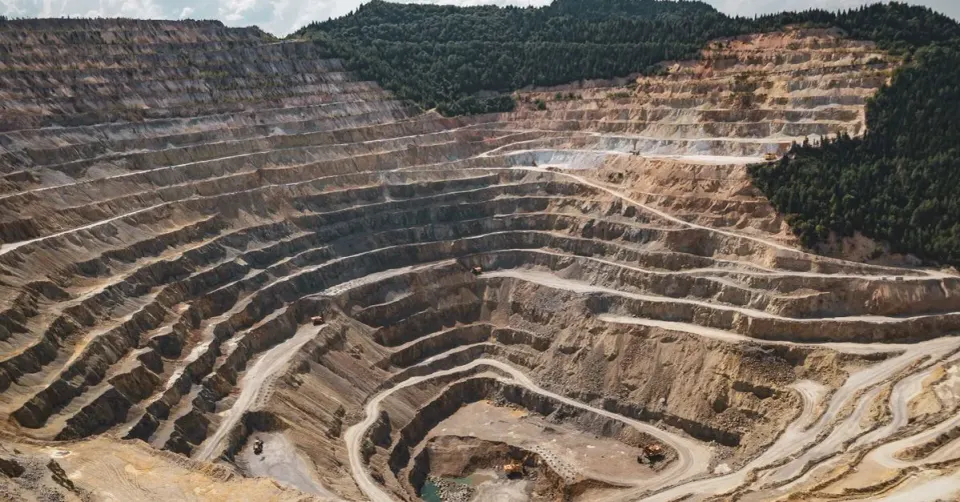
The European Union has officially signaled a massive shift in its industrial strategy, announcing support for 46 strategic projects aimed at securing critical raw materials like lithium and rare earths. Industry Commissioner Stéphane Séjourné emphasized that the bloc is "pulling out all the stops" to prevent a full-scale trade war with China, which currently dominates the global supply of minerals essential for the green transition. By targeting a 2030 deadline for self-sufficiency milestones, the EU hopes to insulate its automotive and tech sectors from potential Beijing-imposed export restrictions that could paralyze European manufacturing.
This move is more than just industrial policy; it is a geopolitical survival tactic. As trade tensions between Brussels and Beijing simmer over electric vehicle subsidies and market access, the EU's push for mineral independence reflects a broader Western trend of "de-risking." For global markets, this means a massive influx of capital into mining and processing infrastructure outside of China. However, analysts warn that scaling these projects to meet the high demand of the next decade remains a monumental logistical challenge, as mining permits and environmental regulations often delay progress for years.
SpaceX Casts a Shadow Over Telecom Giants
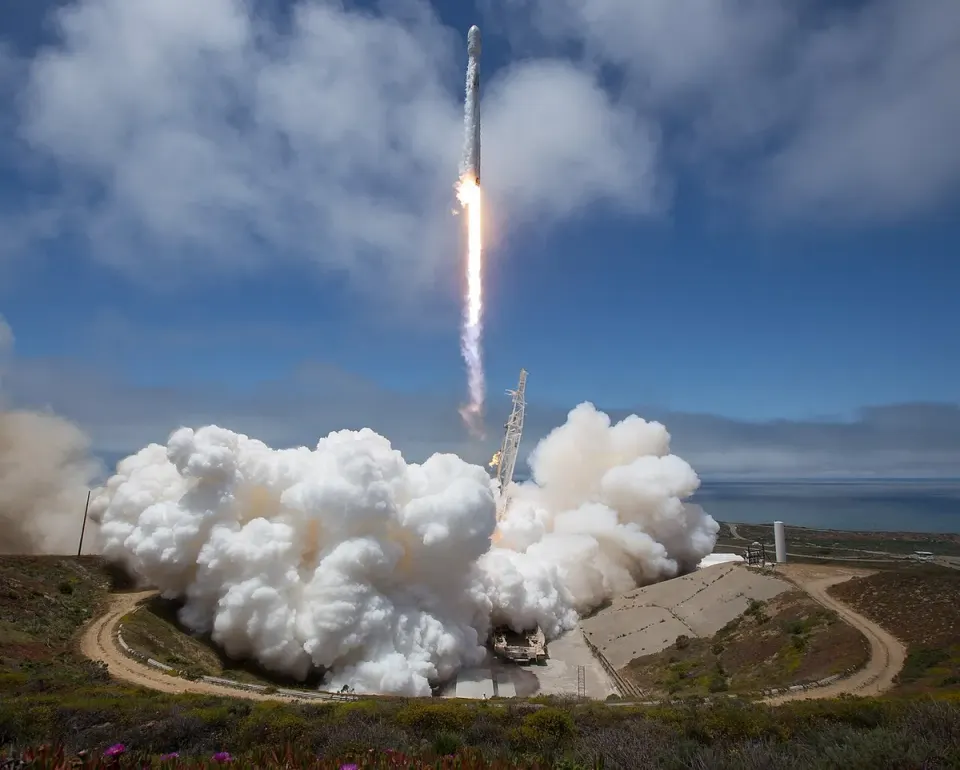
Wall Street is currently recalibrating its outlook on the telecommunications sector as Elon Musk’s SpaceX continues to expand its satellite capabilities. Shares of industry stalwarts like AT&T, Verizon, and T-Mobile have felt the pressure this week as investors assess the long-term threat posed by direct-to-cell satellite technology. While these companies have long enjoyed a near-monopoly on high-speed connectivity through terrestrial infrastructure, the prospect of a space-based network that bypasses traditional cell towers is no longer a distant sci-fi fantasy but a pressing commercial reality that could erode their subscriber bases.
The implications for the broader market are significant. If SpaceX successfully scales its satellite-to-phone services, the massive capital expenditures traditional carriers have poured into 5G infrastructure could see diminishing returns. This disruption is forcing a strategic pivot among "Big Telecom," which must now decide whether to compete directly with satellite constellations or form expensive partnerships to maintain their relevance. For the average consumer, this competition could eventually lead to more robust global coverage, but for investors, it signals a period of heightened volatility in once-stable dividend stocks.
Economic Pressures and the Iranian Market Landscape
Domestically, the Iranian market remains in a state of cautious consolidation. As of Friday, October 9, 2026 (جمعه ۱۷ مهر ۱۴۰۵), the US Dollar in the open market saw a slight decline, moving from 267,700 to 267,000 Toman, a marginal decrease of 0.3%. In contrast, the gold market showed more resilience; 18-karat gold rose from 26,305,461 to 26,501,685 Toman per gram, marking a 0.7% increase. This divergence highlights a persistent demand for "safe-haven" assets like gold and coins, as residents look to preserve wealth amidst broader regional uncertainty and global inflationary trends.
On the global stage, a new report has highlighted a staggering 60% jump in the cost of raising children over the last eight years, primarily driven by an affordability crisis in housing and essential services. This macro trend mirrors the inflationary pressures felt by Iranian households, where the rising cost of living continues to outpace wage growth. Whether in Europe or in Tehran, the "affordability crisis" is becoming the primary driver of demographic shifts and consumer behavior. As families prioritize immediate survival over long-term savings, the demand for liquid assets and gold remains the dominant strategy for financial preservation.

Cultural Recovery Amidst Geopolitical Tension
The recovery of two stolen Renoir paintings from the French Riviera serves as a rare piece of positive news in a week dominated by trade wars and economic anxiety. The works, which were brazenly snatched after thieves cut through security fences and smashed windows at the Renoir Museum, were recovered by French authorities this week. While seemingly unrelated to the high-stakes world of mineral trade and satellite launches, the protection of cultural heritage remains a key indicator of institutional stability and the rule of law in Western Europe during times of stress.
For the global art market, the return of these masterpieces reinforces the value of high-end physical assets. In times of extreme currency volatility and digital disruption, ultra-wealthy investors often pivot toward tangible, historically significant assets that maintain value regardless of market swings. The recovery also underscores the increasing sophistication of international law enforcement in tracking stolen assets, a skill set that is being increasingly applied to the digital realm as authorities tighten the noose around illicit cryptocurrency transactions and international sanctions evasion.
Frequently Asked Questions
Why is the EU investing in 46 mineral projects simultaneously?
How does SpaceX's satellite network threaten traditional telecom companies?
Why is gold rising in Iran while the US dollar shows a slight decline?
Understanding Critical Raw Materials and Supply Chain Security
In an increasingly interconnected yet volatile global economy, the concept of Critical Raw Materials (CRMs) has risen to paramount importance. CRMs are natural resources—such as lithium, cobalt, rare earth elements, and gallium—that are essential for a wide range of modern technologies, from electric vehicles and renewable energy systems to electronics, defense applications, and medical devices. What makes them "critical" is not just their indispensability but also the high risk associated with their supply, often due to geographic concentration of extraction and processing, geopolitical instability, or lack of viable substitutes.
The strategic significance of CRMs cannot be overstated, especially in the context of the global green and digital transitions. For instance, lithium is crucial for EV batteries, and rare earth elements are vital for wind turbines and smartphones. The concentration of their supply chains, with a few countries dominating production and processing, creates significant vulnerabilities. This dependency can expose nations and economic blocs, like the European Union, to supply disruptions, price volatility, and geopolitical leverage, potentially hindering their industrial development and national security objectives.
To mitigate these risks, countries and regions are increasingly focusing on Supply Chain Security. This involves a multi-pronged approach: diversifying sources of raw materials, investing in domestic mining and processing capabilities (as seen with Europe's push for lithium mining), fostering recycling and circular economy initiatives, and forming strategic partnerships with reliable suppliers. The EU's Critical Raw Materials Act is a prime example of such a policy, aiming to strengthen the EU's resilience by setting targets for domestic extraction, processing, and recycling, thereby reducing reliance on single external suppliers and averting potential "trade wars" over these vital resources.
Understanding CRMs and supply chain security is crucial for grasping contemporary geopolitical and economic dynamics. It highlights how access to specific mineral resources can shape international relations, drive industrial policy, and determine the pace of technological advancement and environmental transition.
Topics
Related Articles