Trump Sanctions ICC Amid Nobel Controversy as $86M Ledger Drain Shakes Crypto Security
تحریمهای سنگین ترامپ علیه دادگاه لاهه و شوک ۸۶ میلیون دلاری هک لجر به بازار کریپتو
The Trump administration has launched severe sanctions against the International Criminal Court, sparking a geopolitical firestorm just hours after a former ICC judge received the Nobel Peace Prize. Meanwhile, a massive $86 million exploit involving Ledger hardware wallets has sent ripples through the crypto market as Bitcoin consolidates near $83,000.
At time of publishing
USD
267,500
Toman
Gold 18K
26.48M
Toman / gram
Bitcoin
$82,953
US Dollar
Tether
267,160
Toman
Trump Administration Challenges International Legal Order with ICC Sanctions
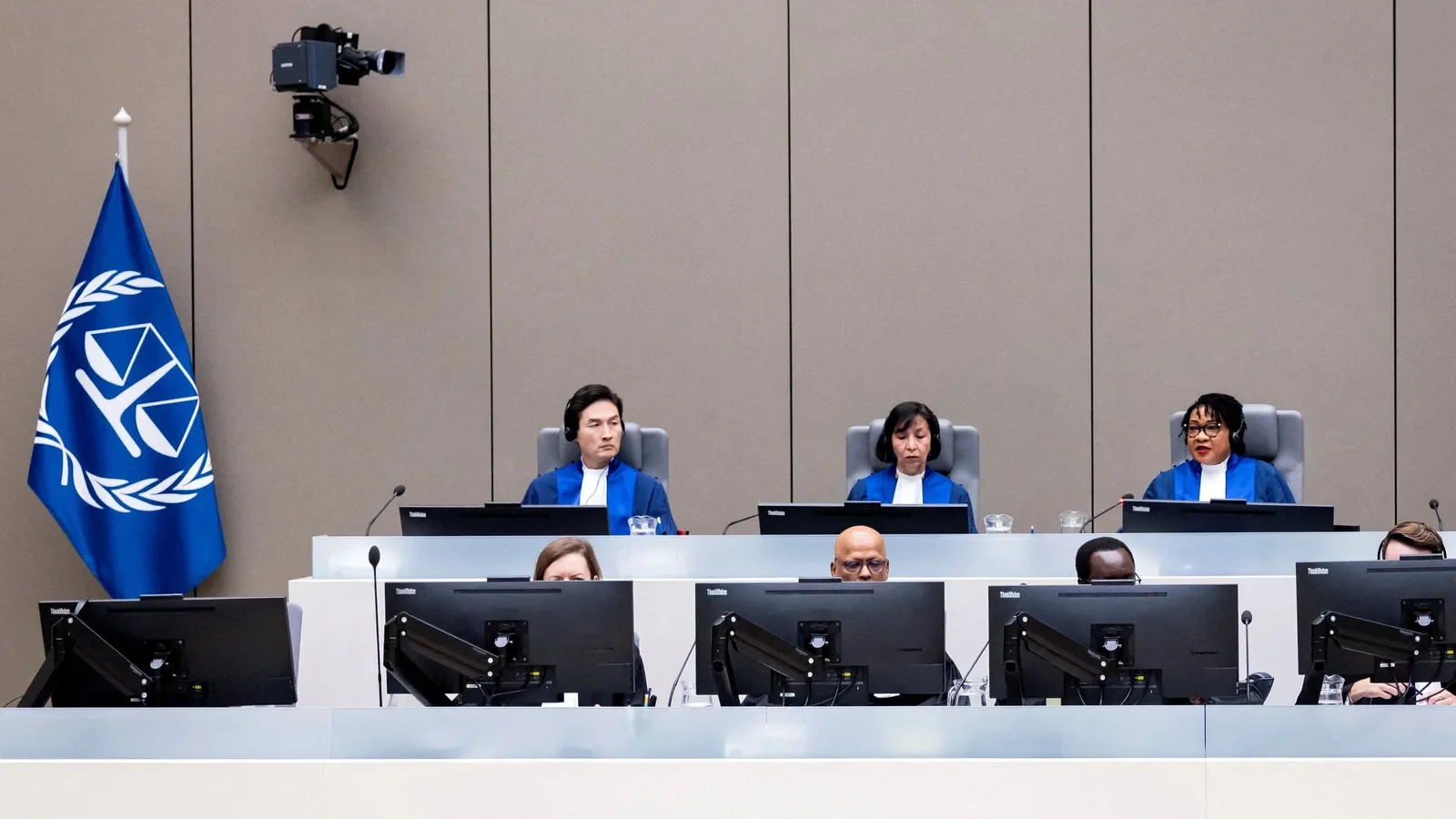
In a move that has sent shockwaves through the international diplomatic community, the Trump administration has officially imposed severe sanctions on the International Criminal Court (ICC) in The Hague. The timing of this executive action is particularly pointed, occurring just hours after the Nobel Peace Prize committee awarded its annual honor to Navi Pillay, a former judge at the ICC. This decision is widely viewed by analysts as an implicit rebuke of the current U.S. administration's aggressive 'America First' stance toward international institutions. The sanctions aim to freeze assets and restrict travel for court officials involved in investigations that the U.S. deems a violation of its national sovereignty.
This escalation represents a significant deepening of the rift between Washington and the global legal framework. By targeting the ICC, the administration is effectively signaling that it will not tolerate external judicial oversight of its military or political actions. For global markets, this move introduces a fresh layer of geopolitical risk, as it suggests a further retreat from multilateralism. Investors are closely watching how European allies, many of whom are staunch supporters of the ICC, will respond to these measures, which could potentially strain transatlantic trade and security cooperation during an already volatile election season.

Ledger Security Breach and the $86 Million Crypto Drain
The cryptocurrency sector is currently grappling with a major security crisis following reports of a massive exploit involving Ledger hardware wallets. Investigations indicate that approximately $86 million in assets, including Bitcoin, Ethereum, and Tron, have been drained from users who purchased their devices through a Southeast Asian reseller known as CryptoBilis. Ledger has confirmed it is looking into potential hardware tampering or a supply chain compromise. This incident has struck a nerve in the community, as hardware wallets are traditionally marketed as the 'gold standard' for secure, offline storage of digital assets.
Despite the severity of the theft, the broader market has shown surprising resilience. Bitcoin (BTC) is currently trading at $82,953, consolidating after a brief dip. However, the psychological impact of a hardware wallet compromise cannot be understated; it challenges the fundamental premise of 'self-custody' that many investors rely on. Analysts suggest that if the investigation confirms a widespread supply chain vulnerability, it could lead to a significant shift in how institutional and retail investors manage their private keys, potentially driving demand toward regulated custodial services in the short term.
Regional Escalation: Houthi Attacks and Maritime Tensions Drive Gold Higher
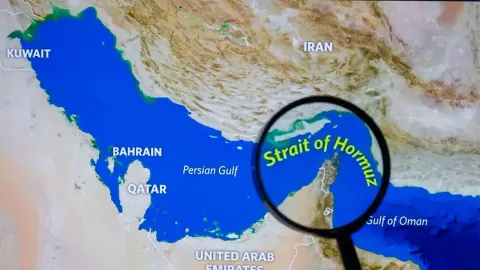
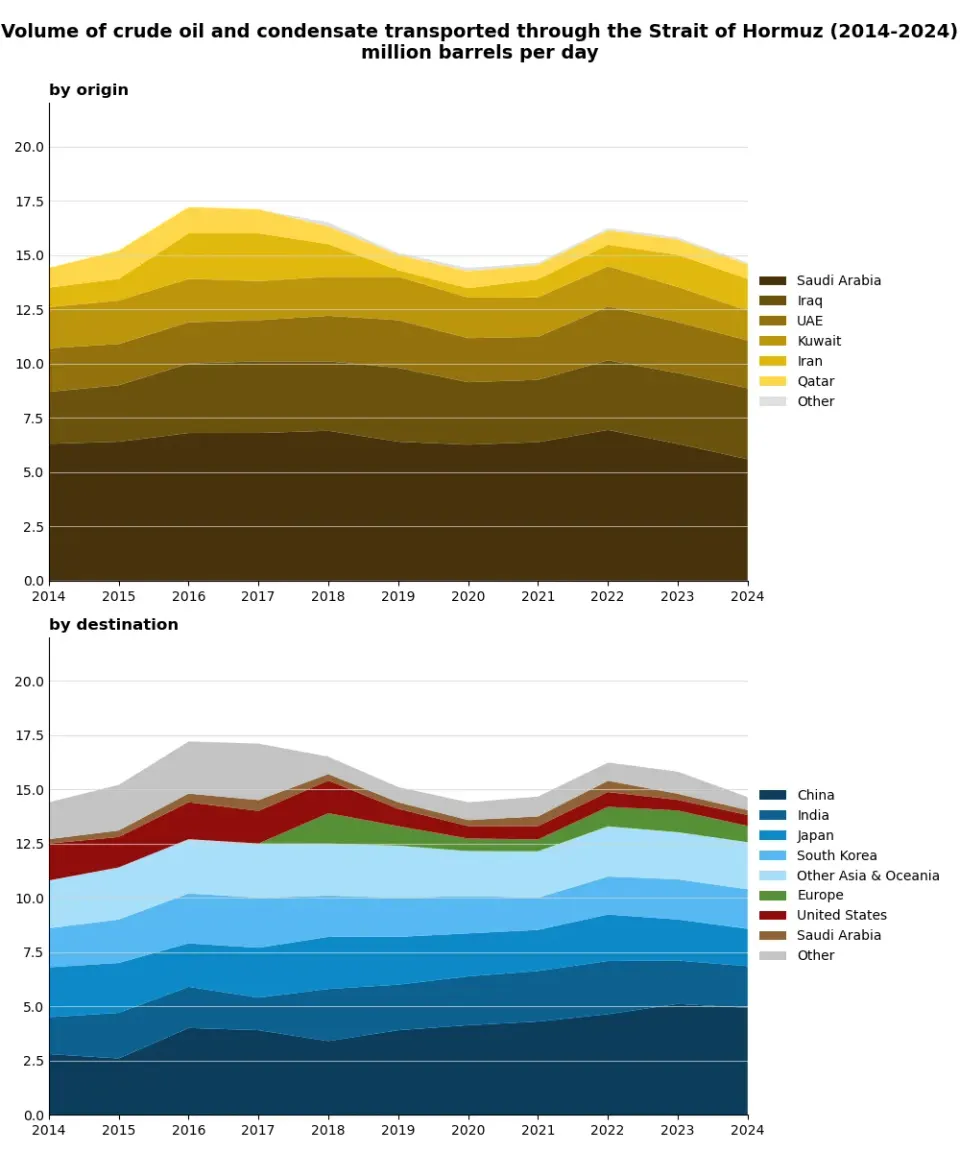
In the Middle East, regional stability remains precarious as a series of deadly Houthi attacks have targeted key infrastructure in Saudi Arabia, exposing significant vulnerabilities in the Kingdom’s defense systems. Simultaneously, the Islamic Revolution Guards Corps (IRGC) Navy has publicly blamed the U.S. military for escalating tensions in regional shipping routes. The IRGC reported a new fire incident on a tanker south of the Strait of Hormuz, claiming the vessel was attempting to use an 'illegal route.' While these claims are frequently used as a rhetorical tool against the U.S. naval presence, the persistent friction in the world's most vital oil artery continues to keep energy and precious metal markets on edge.
These geopolitical tremors are directly manifesting in the Iranian market. In Tehran, the price of 18k gold rose from 26,305,461 to 26,478,600 Toman, a 0.7% increase over the last 24 hours. The USD/IRR exchange rate remained relatively stable with a minor 0.1% decrease, moving from 267,700 to 267,500 Toman. The lack of a major currency spike suggests that while investors are moving into gold as a safe haven, the Central Bank may be intervening to prevent a broader Toman collapse. However, the combination of Houthi strikes and maritime incidents ensures that the 'risk premium' remains baked into local prices for the foreseeable future.
Wall Street Braces for Potential Democratic Sweep
As the U.S. midterm elections approach, Bank of America (BofA) has issued a stern warning regarding the potential for a 'meaningful' stock market correction. According to Michael Hartnett, BofA’s chief equity strategist, a Democratic sweep of both houses of Congress could pose a significant threat to current risk appetite. The concern among institutional investors centers on the likelihood of higher corporate taxes and increased regulatory scrutiny, which could dampen earnings growth for major tech and industrial firms.
Currently, many investors are in a 'wait-and-see' mode, as evidenced by the choppy trading in major ETFs. If the political landscape shifts toward a unified Democratic government, BofA predicts a tactical retreat from equities into more defensive assets like Treasury bonds or cash. For Iranian observers, this volatility in U.S. markets is more than just a foreign news story; it dictates the global strength of the US Dollar and, by extension, the global pricing of commodities like oil and gold, which are the lifelines of the Iranian economy.
Frequently Asked Questions
Why did Trump sanction the ICC now?
Is my Ledger wallet safe after the $86 million drain?
Why is gold rising in Iran while the USD is stable?
Understanding Geopolitical Risk and Its Global Impact
In an increasingly interconnected world, events far from home can have immediate and profound effects on global markets and daily lives. This phenomenon is best understood through the lens of Geopolitical Risk, which refers to the possibility of political events—such as conflicts, wars, terrorism, sanctions, or shifts in government policy—impacting international relations and, consequently, economic stability and financial markets worldwide. It's a complex interplay where political instability in one region can send ripples across continents, affecting everything from commodity prices to investment decisions.
Several elements from the news headline and keywords illustrate this concept vividly. Tensions in critical maritime passages like the Strait of Hormuz, for instance, immediately raise concerns about global oil supplies, driving up prices and creating uncertainty. Similarly, international sanctions, whether against an organization like the ICC or a specific nation, are tools of geopolitical pressure that can disrupt trade, alter currency exchange rates (such as the USD/IRR), and reshape economic alliances. Regional conflicts, like the Houthi attacks, further destabilize supply chains and increase the perceived risk of doing business in affected areas.
These geopolitical events have tangible economic ramifications. Investors often seek "safe haven" assets like gold during times of heightened geopolitical uncertainty, causing its price to rise, as indicated by the mention of gold prices in Iran. Currency markets react swiftly to perceived risks, leading to volatility and shifts in exchange rates as capital flows in and out of regions. Beyond immediate market movements, sustained geopolitical risk can deter foreign investment, disrupt global supply chains, and even influence inflation rates, making it a critical factor for policymakers, businesses, and individuals to monitor.
Understanding geopolitical risk is essential for anyone seeking to make sense of global news and its economic implications. It highlights how political decisions and conflicts are not isolated incidents but integral components of a complex global system, capable of influencing everything from the cost of everyday goods to the stability of entire economies. By grasping this concept, one can better anticipate and interpret the broader impacts of international events.
Topics
Related Articles