Hormuz Tensions Flare with IRGC Warning as Trump Escalates Sanctions Against the International Criminal Court
هشدار معنادار سپاه در تنگه هرمز و اعلان جنگ تمامعیار ترامپ علیه دیوان کیفری بینالمللی
The IRGC Navy has issued a fresh warning to vessels in the Strait of Hormuz, heightening maritime risks in the world's most critical oil chokepoint. Simultaneously, the Trump administration has imposed aggressive sanctions on the ICC, signaling a major shift in the global legal order.
At time of publishing
USD
267,200
Toman
Gold 18K
26.47M
Toman / gram
Bitcoin
$82,670
US Dollar
Tether
267,003
Toman
Maritime Tensions: IRGC Issues Warning in the Strait of Hormuz
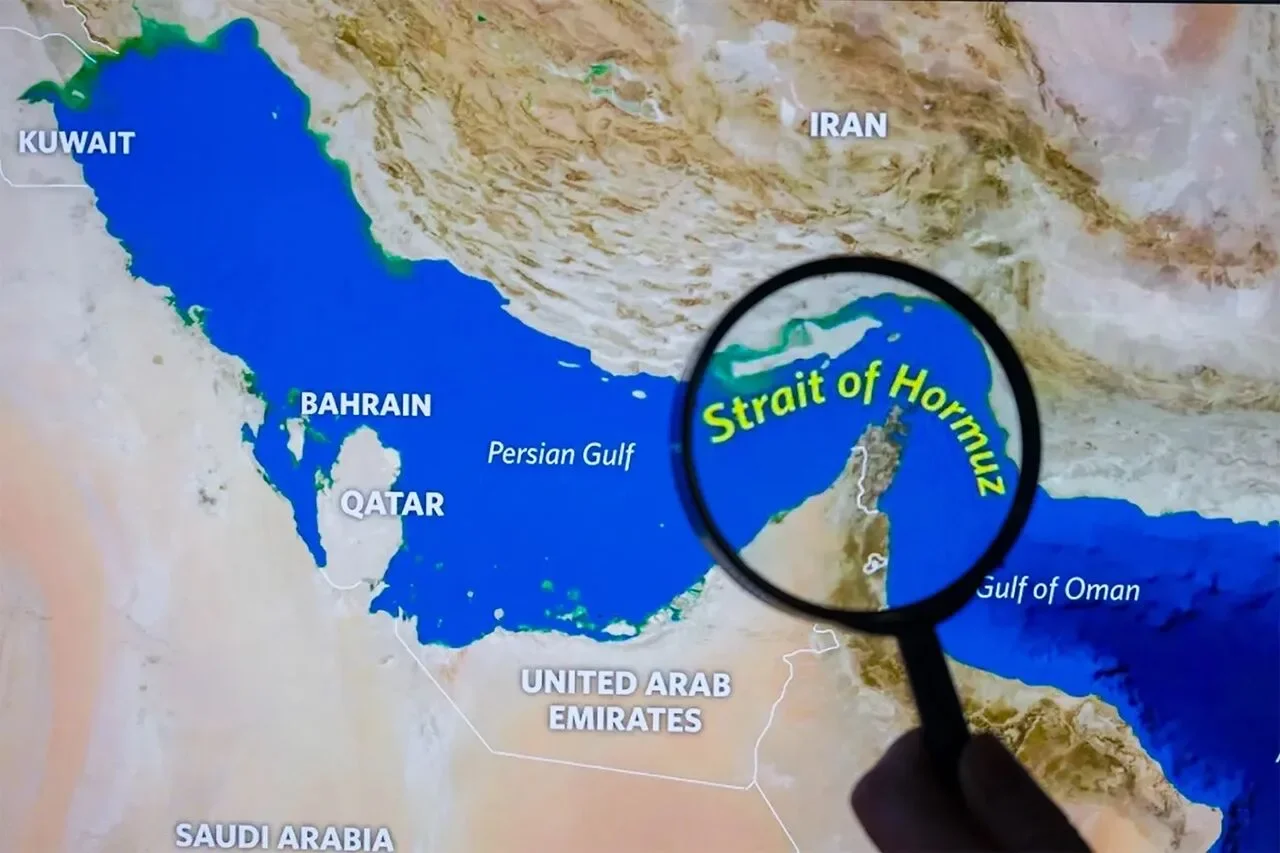
In a move that has immediately put global shipping markets on high alert, the Islamic Revolution Guards Corps (IRGC) Navy issued a stern warning today, Friday, October 9, 2026, to all vessels operating in the Strait of Hormuz. According to reports from Iranian state media, the warning specifically targets ships attempting to bypass established shipping guidelines or enter restricted zones south of the Strait. This escalation comes at a time of heightened regional sensitivity, as the maritime corridor remains the single most important chokepoint for global energy supplies.
For the average reader, this geopolitical friction translates directly into market volatility. While the USD/IRR exchange rate in Tehran saw a marginal decrease today—moving from 267,700 to 267,200 Toman (-0.2%)—such warnings typically act as a floor for currency prices, preventing further drops due to the 'risk premium' associated with potential conflict. If these warnings lead to actual maritime disruptions, we can expect a rapid spike in insurance premiums for tankers, which would inevitably push global oil prices higher and put renewed upward pressure on the Toman in the coming days.
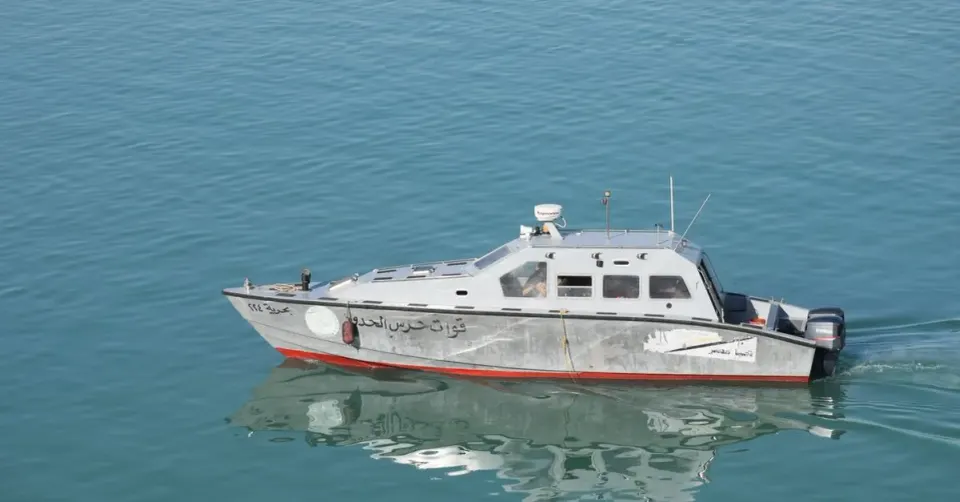
The War on International Law: US Sanctions the ICC
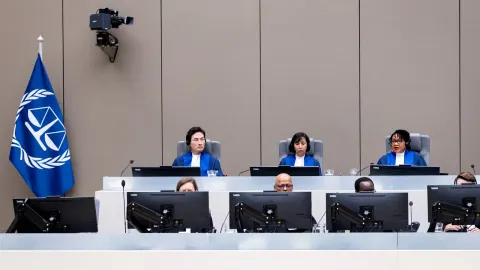
The Trump administration has launched what critics are calling a frontal assault on the international legal order. Secretary of State Marco Rubio announced a new wave of sanctions against the International Criminal Court (ICC), following the court's attempts to investigate American personnel for alleged war crimes. Rubio’s rhetoric was uncompromising, stating, "Either the ICC will end its threats, or we will end the ICC." This move effectively isolates the United States from the primary global body responsible for prosecuting genocide and crimes against humanity, signaling a return to a strictly transactional and unilateral foreign policy.
What this means for the global landscape is a further fracturing of the post-WWII institutional framework. By sanctioning the court, the US is not only protecting its own personnel but also undermining the legitimacy of international warrants. This creates a vacuum where other regional powers may feel emboldened to ignore international law, citing the US precedent. For investors, this adds a layer of 'institutional risk'—when the rules of the game are being rewritten or discarded by the world’s largest economy, long-term stability becomes much harder to predict.

Economic Interference: Trump Targets the Fed While Europe Reflects on Recovery
Domestically, the US economic landscape is facing its own tremors as Donald Trump has officially launched a probe into Federal Reserve Governor Lisa Cook. The move is widely seen as an attempt to undermine the independence of the central bank and install more politically aligned figures before the next interest rate cycle. Trump’s long-standing grievance with the Fed’s autonomy is no secret, but this formal investigation represents a significant escalation that could shake investor confidence in the US dollar’s long-term stability. If the Fed's independence is compromised, the risk of politically motivated inflation increases significantly.
Meanwhile, across the Atlantic, the European Court of Auditors (ECA) has offered a starkly different narrative. Pierre Moscovici, a senior member of the ECA, declared the EU’s €450 billion Covid recovery fund an "absolute success." This contrast is vital: while the US is embroiled in internal battles over its financial institutions, Europe is moving toward a more integrated and solidified fiscal policy. For those holding gold or diversified assets, these developments suggest that the 'safety' of the US dollar may no longer be a given, explaining why gold prices in Iran rose by 0.6% today to reach 26,467,057 Toman per gram despite the slight dip in the dollar.
A New Face in British Politics: From Refugee to Parliament
In a historic turn for British politics, Sagal Abdi-Wali has been elected as the Labour MP for Holborn and St Pancras, the seat formerly held by the Prime Minister. Abdi-Wali’s journey is remarkable; she arrived in Britain as a seven-year-old refugee fleeing the civil war in Somalia. Her victory over Green Party leader Zack Polanski is being hailed as a testament to the resilience of the immigrant experience in the UK, standing in sharp contrast to the anti-immigrant sentiment rising in other parts of Europe and the United States.
This story is more than just a political milestone; it represents a shift in the demographic and social fabric of one of the world's most influential capitals. Abdi-Wali’s election suggests that despite the global trend toward isolationism, local politics in major Western hubs can still produce outcomes rooted in diversity and integration. For the global community, it serves as a reminder that the human element of geopolitics—migration, integration, and representation—remains a powerful force that can defy even the most aggressive political trends.
Frequently Asked Questions
چرا هشدار سپاه در تنگه هرمز بر قیمت طلا در ایران تاثیر گذاشته است؟
تحریم دیوان کیفری بینالمللی توسط آمریکا چه پیامدی دارد؟
علت تحقیق ترامپ از لیزا کوک، فرماندار فدرال رزرو چیست؟
Understanding Economic Sanctions: A Tool of Geopolitics
Economic sanctions are a powerful, non-military foreign policy tool used by countries and international bodies to pressure target states, entities, or individuals into changing their behavior. Rather than resorting to military force, sanctions aim to achieve specific political, security, or human rights objectives by imposing economic costs. These measures can range from comprehensive trade embargoes that restrict nearly all commercial activity with a target country to more targeted financial restrictions, such as asset freezes on specific individuals or entities, travel bans, or prohibitions on certain types of financial transactions.
The primary goal of economic sanctions is often to compel a target government to alter its policies, whether concerning nuclear proliferation, human rights abuses, or aggression against other nations. They can also be used to deter future undesirable actions or to punish past transgressions. Sanctions are typically imposed by powerful states like the United States or by international organizations such as the United Nations Security Council, and their effectiveness often depends on broad international cooperation and the economic vulnerability of the target.
However, the efficacy and ethical implications of economic sanctions are subjects of ongoing debate. While proponents argue they can be a crucial instrument for promoting peace and upholding international law without military intervention, critics highlight their potential for unintended consequences. These can include severe humanitarian impacts on ordinary citizens, the creation of black markets, and regional instability. Sanctions can also fail to achieve their stated objectives, sometimes even strengthening the resolve of the targeted regime or pushing it towards alternative alliances.
For instance, the tensions surrounding the Strait of Hormuz, a critical chokepoint for global oil shipments, are often intertwined with discussions of economic sanctions against Iran. Such sanctions aim to limit Iran's revenue and influence, but they also have significant effects on its domestic economy, influencing factors like the USD/IRR exchange rate and the price of gold as citizens seek to protect their savings from inflation and currency devaluation. Understanding economic sanctions is therefore key to grasping the complex interplay between geopolitics and global economics.
Topics
Related Articles