Iran-Turkmenistan Inks Transit Pact as US Disables Ships in Gulf of Oman and Phishing Scams Surge
توافق راهبردی ایران و ترکمنستان در سایه توقیف کشتیها در دریای عمان و موج جدید حملات سایبری
Iran and Turkmenistan have launched a major road project to bypass regional bottlenecks, while US forces actively disable ships attempting to run the blockade in the Gulf of Oman. Simultaneously, a global surge in 'calendar phishing' scams is targeting corporate credentials as markets face extreme volatility.
At time of publishing
USD
265,400
Toman
Gold 18K
26.28M
Toman / gram
Bitcoin
$82,966
US Dollar
Tether
264,237
Toman
Iran and Turkmenistan Pivot to Land Corridors Amid Maritime Risks
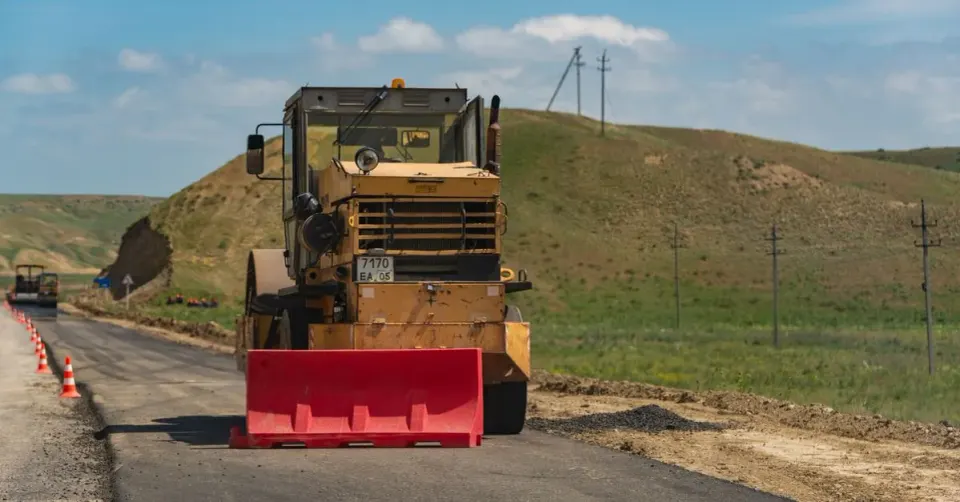
In a strategic move to bolster regional connectivity, Iran and Turkmenistan have reached a definitive agreement to begin the construction of the Gumdag-Atrak road. Minister of Roads and Urban Development Farzaneh Sadegh announced on Sunday, October 11, 2026, that this project is slated to commence within the next few months. The initiative is designed to facilitate smoother road transport and expand rail cooperation between the two neighbors, providing a critical alternative to traditional trade routes that have become increasingly precarious due to regional instability. By enhancing the infrastructure at the border, Tehran aims to solidify its role as a central transit hub for Central Asian goods, a move that could provide a much-needed boost to non-oil revenue streams.
This development comes at a time when Iran is facing intensified pressure on its maritime trade. The Gumdag-Atrak route is not merely a piece of infrastructure; it is a geopolitical statement of resilience. For the Iranian economy, which is currently grappling with a stagnant US Dollar rate of 265,400 Toman, these land-based corridors offer a hedge against the unpredictability of sea lanes. Expanding rail and road links with Turkmenistan allows for a more reliable flow of commodities and manufactured goods, potentially stabilizing domestic supply chains that have been rattled by international sanctions and the ongoing 'Hormuz squeeze.'
US Naval Action and the Fragile Recovery of Global Energy Flows
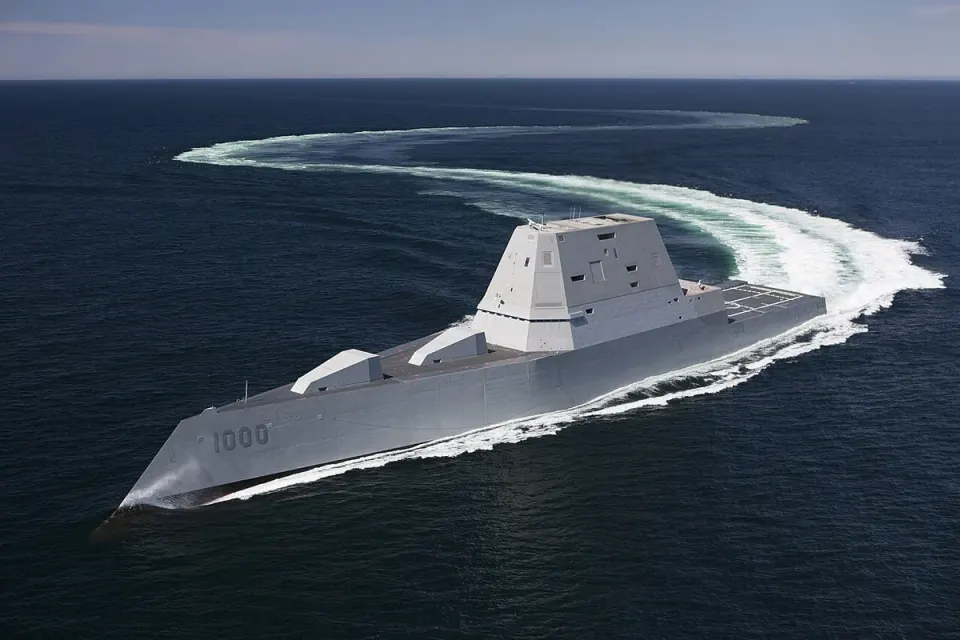
The security situation in the region remains highly volatile as US forces recently disabled a commercial cargo ship in the Gulf of Oman. According to CENTCOM reports, the vessel was 'attempting to run' the Iranian blockade when a US military jet struck its stern. While no crew members were harmed, the incident underscores the extreme measures being taken to enforce maritime restrictions. This escalation follows a deadly Houthi attack on Riyadh airport that claimed 12 lives, prompting the Saudi-led coalition to vow a massive response. The intersection of these events has kept global energy markets on a knife-edge, even as the International Energy Agency (IEA) attempts to cushion the blow by releasing another 100 million barrels of crude and fuel from strategic reserves.
For the average observer, the reopening of the Strait of Hormuz was supposed to signal a return to normalcy, but the reality is far more complex. The 'last supply cushion' of global oil reserves is being drained at an alarming rate, and the risk of direct military confrontation between Washington and regional actors is at its highest point in years. In the Iranian market, this tension is reflected in the gold prices, with 18k gold slipping slightly by 0.5% to 26,282,376 Toman per gram as investors navigate a landscape of high risk and low liquidity. The lack of movement in the USD/IRR exchange rate suggests a market that is 'frozen in anticipation,' waiting for the next geopolitical shoe to drop before committing to a new direction.
The Invisible Threat: Exponential Growth in Calendar Phishing
While physical borders and sea lanes are under siege, a different kind of warfare is being waged in the digital realm. Security experts are warning of an exponential rise in 'calendar phishing' scams that exploit the inherent trust users place in their scheduling tools. Victims receive an automated notification for a 'forgotten meeting' or a 'project review' on platforms like Google, Microsoft, or PayPal. When they click the link to investigate, they are directed to a highly convincing fake login page. This method has proven devastatingly effective, allowing fraudsters to harvest corporate credentials and personal data with unprecedented ease. Unlike traditional email spam, these invites bypass many standard filters because they originate from legitimate service notifications.
This surge in cybercrime adds another layer of uncertainty to an already stressed global economy. As businesses struggle with the fallout of the energy crisis and shifting trade alliances, the added burden of sophisticated cyberattacks can lead to significant financial losses and data breaches. For individuals, especially those in the crypto space where Bitcoin is currently hovering in a 'chop zone' around $82,966, the risk of credential theft is particularly acute. The convergence of geopolitical conflict and digital insecurity means that vigilance is no longer optional; it is a prerequisite for financial survival in 2026. Whether it is a physical blockade in the Gulf or a digital trap in a calendar, the message is clear: the era of predictable stability has been replaced by a permanent state of high-stakes maneuvering.
Frequently Asked Questions
What is the significance of the Gumdag-Atrak road for Iran?
Why did the US disable a cargo ship in the Gulf of Oman?
How does 'calendar phishing' work and how can I stay safe?
Why is the gold price falling in Iran while the dollar remains stable?
The Strategic Importance of the Strait of Hormuz
The Strait of Hormuz is a narrow waterway—about 21 nautical miles (39 km) wide at its narrowest point—linking the Persian Gulf with the open ocean of the Gulf of Oman and the Arabian Sea. Despite its modest dimensions, it serves as the primary conduit for the world’s oil trade: roughly 20% of global petroleum liquids, including crude oil and condensates, pass through this chokepoint every day. Because the surrounding coastline belongs to Iran and the United Arab Emirates, any disruption—whether from military tension, piracy, or a deliberate blockade—can instantly reverberate through international energy markets, driving up prices and prompting strategic stockpiling.
Historically, the Strait has been a flashpoint for geopolitical rivalry. During the 1980s Iran–Iraq War, Iran mined the waterway and attacked oil tankers, prompting the U.S. Navy’s “Operation Earnest Will” to escort merchant vessels. More recently, in 2019 and 2020, Iranian threats to close the Strait in response to sanctions sparked a surge in oil freight rates and forced many exporters to reroute shipments around the Cape of Good Hope, adding weeks to transit times and billions of dollars in extra fuel costs. These episodes illustrate how a single geographic bottleneck can amplify the leverage of regional powers over the global economy.
The economic implications extend beyond crude oil. The Strait also handles a significant share of liquefied natural gas (LNG), petrochemicals, and bulk commodities such as iron ore. Nations that rely heavily on energy imports—especially East Asian economies like Japan, South Korea, and China—monitor Hormuz‑related news closely, adjusting foreign exchange reserves and energy policies in response to any perceived threat. Moreover, the strategic importance of the waterway underpins the U.S. Navy’s continuous presence in the region, aimed at ensuring freedom of navigation and deterring unilateral closures.
Understanding the Strait of Hormuz is essential for grasping why incidents such as the Gulf of Oman blockade or the recent Iran‑Turkmenistan transit pact matter far beyond their immediate locales. Any shift in the security environment—whether a new pipeline project, a diplomatic agreement, or an escalation of hostilities—can reshape global oil supply routes, influence price volatility, and affect the economic stability of both producing and consuming nations.