Iran Warns Europe on ICC as Panama Declares Emergency & Bitcoin Stalls
هشدار ایران به اروپا درباره دیوان کیفری بینالمللی؛ پاناما وضعیت اضطراری اعلام کرد و بیتکوین درجا زد
Iran's Foreign Ministry criticizes Europe's silence on US threats to the International Criminal Court, warning against sacrificing international law. Meanwhile, Panama declares a state of emergency after powerful earthquakes cause widespread damage and aftershocks rattle communities. Bitcoin's price remains confined to a narrow trading range, signaling market indecision.
At time of publishing
USD
264,500
Toman
Gold 18K
26.25M
Toman / gram
Bitcoin
$82,996
US Dollar
Tether
263,387
Toman
Iran Warns Europe on International Criminal Court Amid US Pressure
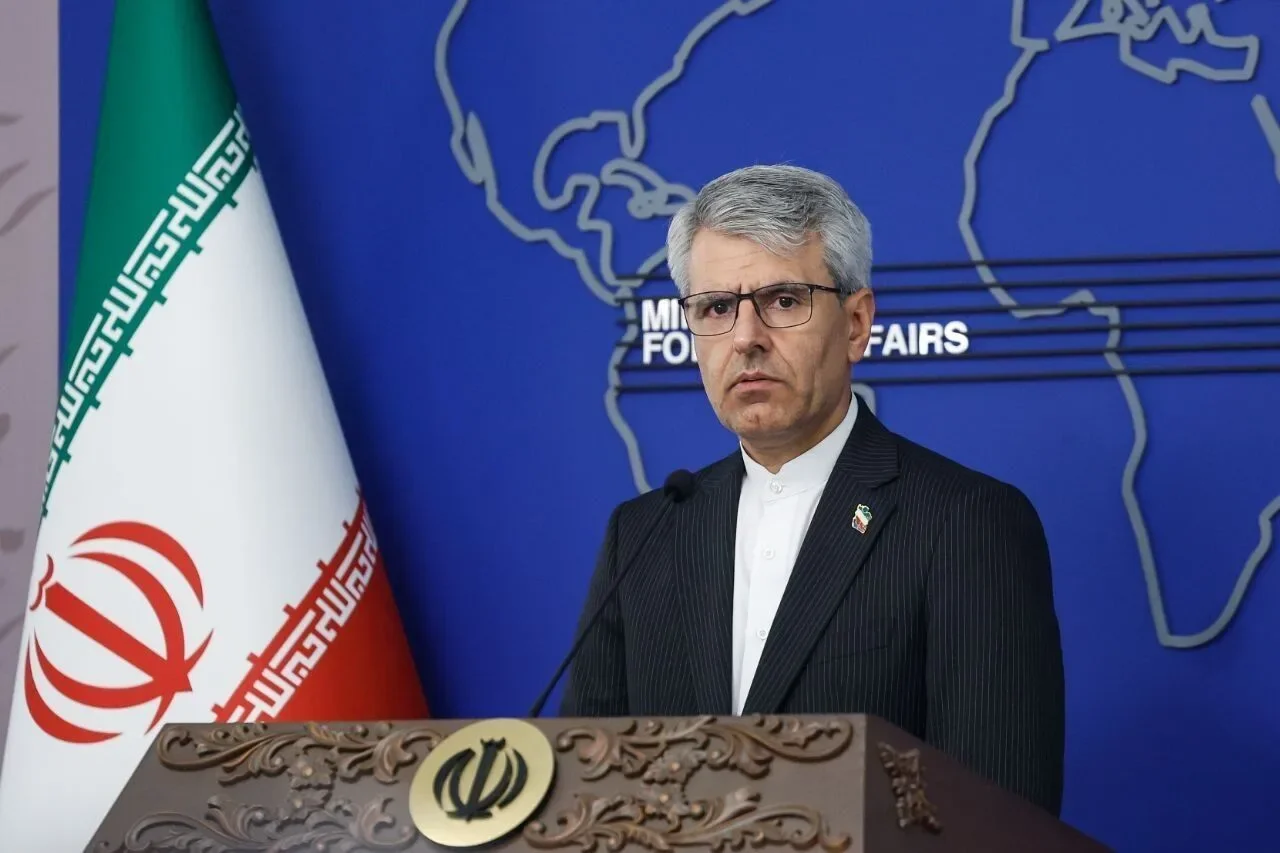
Iran's Foreign Ministry spokesperson, Esmaeil Baqaei, has issued a sharp rebuke to Europe, criticizing its perceived silence regarding persistent US threats against the International Criminal Court (ICC). Baqaei warned that any appeasement of the United States, which he termed an "aggressive ally," at the expense of established international legal frameworks would render the concept of a rules-based international order utterly meaningless. This diplomatic broadside comes at a time when the US has reportedly been urging its allies to "rein in" the ICC, particularly in light of potential investigations or actions targeting American or Israeli officials.
The thrust of Baqaei's statement, reported by IRNA, is that the integrity of global justice mechanisms should not be compromised by political expediency or the unilateral demands of powerful nations. Tehran, despite often facing its own criticisms regarding human rights and adherence to international norms, is leveraging this moment to position itself as a defender of multilateralism against what it portrays as American exceptionalism and disregard for international law. The ongoing tension highlights a deeper philosophical divide between nations that champion universal jurisdiction and those that prioritize national sovereignty, especially when their own citizens or interests might be subject to external legal scrutiny.
This development could further complicate the already intricate web of international relations, potentially deepening the chasm between blocs advocating for a robust international legal system and those prioritizing national interests above all else. For Iranian citizens, such geopolitical posturing, while ostensibly about international law, often translates into heightened regional tensions, affecting everything from trade dynamics to the broader sense of security and confidence in global stability. The perception of a weakened international legal body could empower states to act with greater impunity, leading to unpredictable consequences on the global stage.

Panama Declares State of Emergency Following Devastating Earthquakes
Panama's government has officially declared a state of emergency across the nation after being rocked by two powerful earthquakes, registering magnitudes of 7.7 and 6.6, followed by a relentless series of over 100 aftershocks, some as strong as magnitude 5.8. While officials have reported no fatalities directly attributable to Friday's seismic events, the widespread destruction and continuous tremors have caused significant damage to infrastructure, toppling buildings, and necessitating urgent evacuations across all ten of Panama’s provinces and its two Indigenous territories.
The declaration of a state of emergency is a critical measure, empowering the government to rapidly mobilize resources, expedite aid distribution, and streamline reconstruction efforts without bureaucratic delays. The extensive damage underscores the vulnerability of the region to seismic activity and highlights the pressing need for resilient infrastructure and comprehensive disaster preparedness strategies. Communities, particularly those in Indigenous territories, face immense challenges in the aftermath, including displacement and the loss of homes and livelihoods.
The long-term economic and social repercussions for Panama could be substantial, requiring significant national and international support for recovery and rebuilding. While immediate reports haven't indicated a direct impact on the crucial Panama Canal, a vital global trade artery, the broader disruption and resource diversion could indirectly affect regional economic stability and supply chains. The focus now shifts to humanitarian aid, damage assessment, and ensuring the safety and well-being of the affected populations as aftershocks continue to rattle the country.
India Braces for Renewed Protests as 'Cockroach' Leaders Released
New Delhi is bracing for a potential surge in public demonstrations after the leaders of the "Cockroach Janta Party," a prominent Indian youth movement, were released from police custody. Their detention on Saturday occurred just moments before they were slated to spearhead major protests advocating for voting rights and electoral reforms, signaling a preemptive move by authorities to quell dissent. The movement, known for its outspoken criticism of perceived voter suppression and the lack of youth representation, has garnered significant attention across the country.
The swift detention followed by the release of these leaders highlights the delicate balance the Indian government attempts to strike between maintaining public order and managing growing calls for political change. The incident itself is a clear indicator of the government's sensitivity to large-scale public gatherings, particularly those challenging the electoral system. Activist groups often face official scrutiny and legal challenges, making such detentions a recurring feature of India's political landscape, especially when movements gain significant popular traction.
With the "Cockroach Janta Party" leaders now free, expectations are high for renewed and potentially larger protests across the capital. This situation underscores deepening social and political divisions within India, where issues of democratic participation and civil liberties are becoming increasingly contentious. The manner in which the government handles these impending demonstrations will be crucial, not only for setting a precedent for future interactions with activist organizations but also for shaping international perceptions of India's democratic health and potentially influencing investor confidence amidst political uncertainty.

Bitcoin Stalls in a Tight Trading Range as Market Indecision Mounts
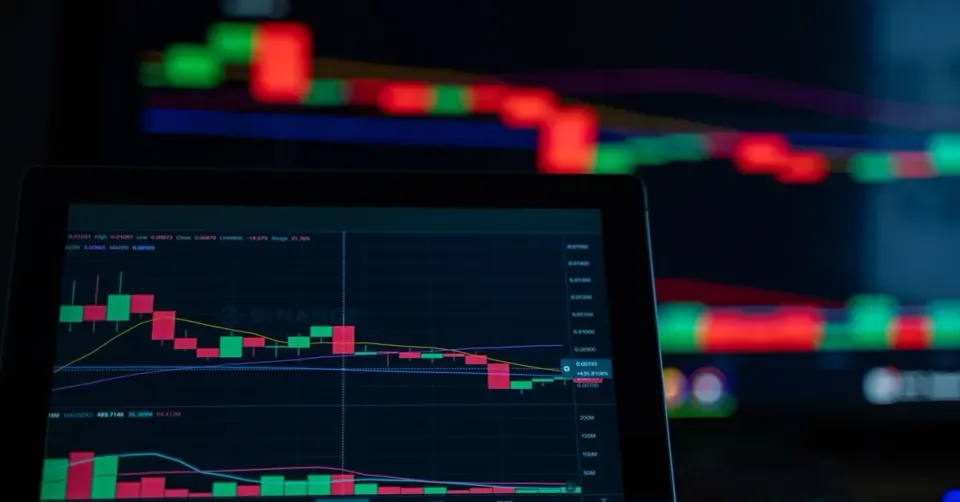
Bitcoin, the world's leading cryptocurrency, has found itself locked in a narrow trading range, fluctuating between $81,300 and $85,200 according to recent analyses from Investing.com. This period of consolidation follows what has been a dynamic few weeks for the digital asset, signaling a momentary pause as both buyers and sellers appear to be awaiting fresh catalysts before committing to a definitive directional move. The market is currently characterized by a lack of strong momentum, creating a holding pattern for many investors.
This "stuck in a range" phenomenon is a common occurrence in volatile markets, often reflecting a period of equilibrium where demand and supply are temporarily balanced. For traders, the key focus now shifts to identifying "breakout levels" – prices that, if decisively breached, would indicate the start of a new significant trend. A sustained move above $85,200 could signal renewed bullish sentiment, potentially attracting new capital and propelling Bitcoin towards higher valuations. Conversely, a fall below $81,300 might trigger a wave of selling, pushing prices lower.
For the broader cryptocurrency ecosystem and retail investors, this period of indecision warrants caution. While some may see it as an opportunity to accumulate at stable prices, others might prefer to wait for clearer market signals. The performance of Bitcoin often influences the entire crypto market, including altcoins and stablecoins like USDT, which saw a Toman-denominated price of 263,387 today. This current stability, however temporary, provides a moment for reflection before the market inevitably decides its next major trajectory, shaping future investor behavior and sentiment.
Frequently Asked Questions
Why is Iran criticizing Europe regarding the ICC?
What is the significance of Panama's state of emergency?
Who are the 'Cockroach Janta Party' leaders in India?
What does Bitcoin being 'stuck in a range' mean for investors?
Understanding the International Criminal Court (ICC)
The International Criminal Court (ICC) is a pivotal institution in global justice, often mentioned in headlines concerning international disputes and human rights. Established by the Rome Statute in 1998 and commencing operations in 2002, the ICC is the world's first permanent international court with jurisdiction to prosecute individuals for the most serious crimes of international concern: genocide, war crimes, crimes against humanity, and the crime of aggression. Its primary goal is to end impunity for these heinous acts and to contribute to the prevention of such crimes.
Unlike the International Court of Justice (ICJ), which settles disputes between states, the ICC prosecutes individuals. Its jurisdiction is based on the principle of complementarity, meaning it acts only when national courts are unwilling or unable genuinely to carry out investigations or prosecutions. This ensures that national judicial systems retain primary responsibility for prosecuting international crimes, with the ICC serving as a court of last resort. The Court's reach extends to crimes committed on the territory of a state party or by a national of a state party, or when a situation is referred by the UN Security Council.
However, the ICC faces significant challenges, particularly regarding its universal jurisdiction. Several major global powers, including the United States, China, Russia, and India, are not state parties to the Rome Statute, limiting the Court's ability to prosecute their nationals unless the crimes occur in a member state's territory or are referred by the UN Security Council. This non-membership often leads to political tensions, as seen when countries like Iran, which is not a state party, issue warnings or express concerns about the ICC's potential influence or actions related to their citizens or officials.
The reference to Iran warning Europe on the ICC underscores these complexities. While Iran is not a signatory to the Rome Statute, its officials or citizens could theoretically face ICC jurisdiction if they commit crimes within the territory of an ICC member state, or if the UN Security Council were to refer a situation involving Iran. This highlights the delicate balance between national sovereignty and the pursuit of international justice, making the ICC a constant focal point in discussions about accountability for grave international crimes and the evolving landscape of global governance.