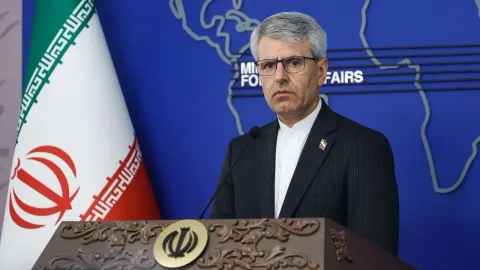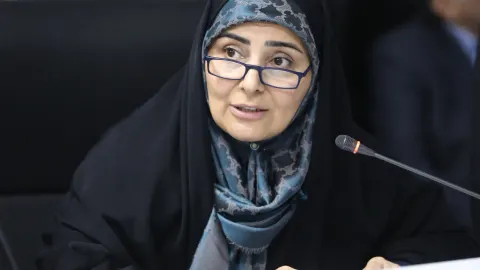
Nobel Tensions and Fraying Alliances: ElBaradei Mocks Trump as US-UK Ties Strained
تمسخر ادعای صلح ترامپ توسط البرادعی و شکاف در اتحاد استراتژیک واشینگتن و لندن
Former IAEA chief Mohamed ElBaradei mocks Donald Trump’s Nobel Peace Prize claims while analysts warn of a 'calamitous collapse' in the US-UK special relationship. Meanwhile, global unrest spreads from the streets of Madrid to Delhi as markets show a slight cooling trend.
At time of publishing
USD
265,000
Toman
Gold 18K
26.28M
Toman / gram
Bitcoin
$82,946
US Dollar
Tether
264,302
Toman
The Nobel Mockery and Diplomatic Friction
In a sharp rebuke to the current geopolitical narrative coming out of Washington, former International Atomic Energy Agency (IAEA) Director General Mohamed ElBaradei has publicly mocked U.S. President Donald Trump’s grievances regarding the 2026 Nobel Peace Prize. Trump has recently claimed that his administration’s efforts in settling what he describes as "10 different wars" should have guaranteed him the prestigious accolade. ElBaradei’s reaction highlights a growing disconnect between the White House's self-perception and the international diplomatic community's assessment of American foreign policy. For observers in Tehran, this friction is more than just a war of words; it signals a continued volatility in international oversight and the potential for erratic shifts in nuclear diplomacy.
The mockery from a figure as prominent as ElBaradei suggests that the institutional memory of the IAEA and other global bodies remains at odds with the "America First" transactional approach. While Trump insists his interventionist yet isolationist stance has prevented global catastrophe, critics argue that the erosion of multilateral agreements has actually increased regional instability. This rhetorical battle comes at a time when nuclear non-proliferation remains a cornerstone of global security, and any perceived lack of seriousness in the U.S. executive branch could lead to a vacuum in leadership that other powers, including those in the Middle East, may seek to exploit.
A Fraying Special Relationship
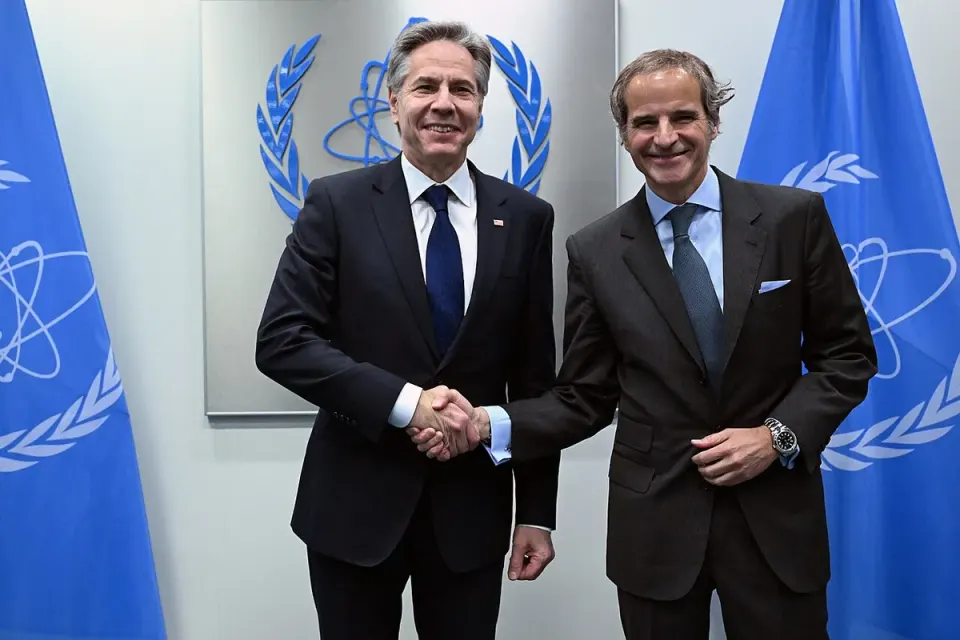
The traditional bedrock of Western security, the "special relationship" between the United States and Britain, is reportedly under tremendous strain. Former CIA analyst turned novelist David McCloskey has voiced concerns that the emotional and political ties that have bound London and Washington for generations are fraying beyond repair. Under the current administration, the sacrifice of diplomatic niceties for the sake of domestic political gains has left the UK in a precarious position. This collapse of trust is not merely symbolic; it affects intelligence sharing, joint military operations, and the unified front often presented against regional adversaries in the Middle East and Eastern Europe.
McCloskey’s analysis paints a dark picture of an alliance where traditional partners are treated as competitors or burdens. For the global economy, a fractured US-UK alliance means less predictability in sanctions regimes and trade corridors. If the two nations cannot agree on a cohesive strategy toward emerging threats or economic challenges, the resulting policy divergence could create loopholes in the global financial system. This uncertainty often manifests in market volatility, as investors struggle to price in the risk of a Western world no longer acting in concert on the global stage.
Global Unrest: From Madrid to Delhi
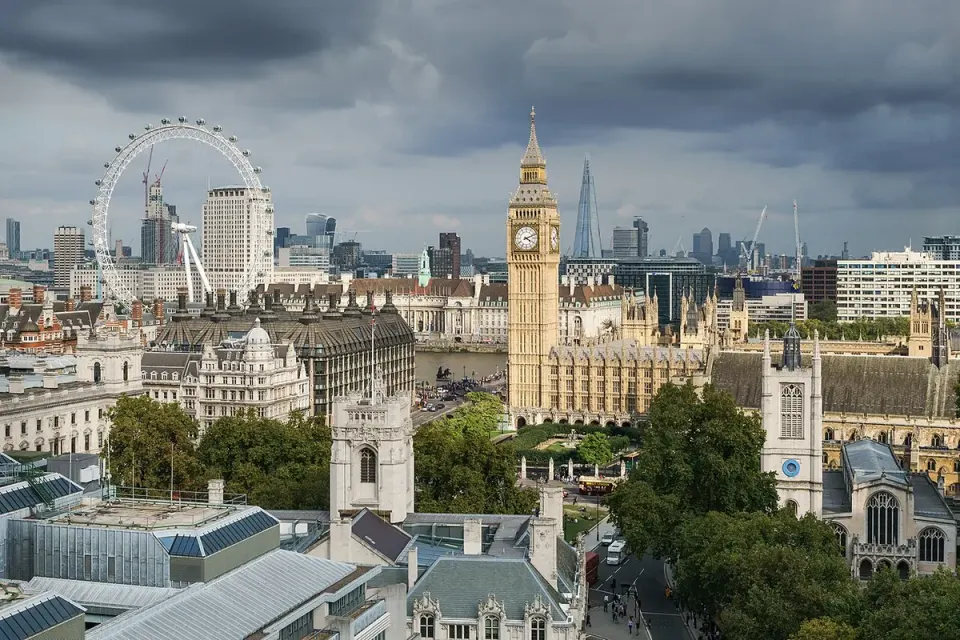
Civil unrest is currently sweeping through major global hubs, driven by economic pressures and political grievances. In Spain, Prime Minister Pedro Sanchez has officially kicked off an election campaign amidst massive protests over a deepening housing crisis. The protests reflect a broader European struggle with inflation and the rising cost of living, which has made urban centers nearly uninhabitable for the working class. Sanchez’s ability to navigate this crisis will be a bellwether for left-wing coalitions across the continent, as voters increasingly prioritize domestic stability over foreign policy commitments.
Simultaneously, the city of Delhi is bracing for renewed protests following the release of leaders from the so-called 'cockroach' group. After more than 7,000 people were detained in a massive police operation, the potential for escalation remains high as demonstrators demand systemic changes. These localized crises in Spain and India are significant indicators of a global trend where economic dissatisfaction is rapidly evolving into political instability. For international markets, these events underscore the fragility of the post-pandemic recovery and the persistent threat of supply chain disruptions caused by internal strife in key manufacturing and service hubs.
---
Market Pulse and Regional Escalations
In the Iranian market, today, Sunday, October 11, 2026 (19 Mehr 1405), the currency and gold sectors are experiencing a slight downward correction despite the heat in regional news. The USD sell rate moved from 265,400 to 265,000 Toman, marking a decrease of -0.2%. This cooling comes even as regional tensions spike, with reports of a US fighter jet bombing a commercial cargo vessel in the Gulf of Oman for allegedly attempting to run an Iranian blockade. Such military actions typically trigger a flight to safety, yet the local market seems to be pricing in a temporary plateau.
Gold and coin prices followed a similar downward trajectory. The price of 18k gold per gram fell from 26,420,887 to 26,275,451 Toman (-0.6%), while the Emami coin dropped from 269,500,000 to 268,500,000 Toman (-0.4%). This minor retreat in prices suggests that while geopolitical risks remain elevated—evidenced by the Houthi warnings against using Saudi airports—the immediate liquidity needs and local economic factors are currently outweighing the broader regional panic. However, with the Houthi military declaring a policy of "airport for airport," the risk of a sudden spike in energy and transportation costs remains a looming shadow over the coming week.
Frequently Asked Questions
Why is Mohamed ElBaradei mocking Donald Trump?
How is the US-UK 'Special Relationship' changing?
What happened in the Gulf of Oman today?
What is the current trend in the Iranian currency market?
Understanding Geopolitical Alliances: Pillars of International Order
Geopolitical alliances are formal or informal agreements between two or more states to cooperate on matters of mutual interest, most commonly security. These pacts are fundamental to the architecture of international relations, shaping global power dynamics, deterring aggression, and often serving as the bedrock for collective defense and economic collaboration. From historical examples like the Triple Entente and the Axis powers to modern-day structures such as NATO, alliances signify a commitment by member states to act in concert, pooling resources and influence to achieve shared strategic objectives.
The primary function of an alliance is often collective security, where an attack on one member is considered an attack on all, thereby creating a powerful deterrent against potential adversaries. Beyond military cooperation, alliances can foster economic integration, diplomatic coordination, and shared values, strengthening the bonds between nations. However, the stability of an alliance is not immutable; it can be tested by evolving geopolitical landscapes, shifts in national interests, changes in leadership, or economic disparities among members.
When alliances begin to "fray," as suggested by the headline regarding US-UK ties, it signals a potential divergence in strategic priorities or a weakening of the underlying trust that binds the members. Such strains can have significant repercussions, leading to increased regional instability, a re-evaluation of defense postures, and potentially the emergence of new alignments or power vacuums. Understanding the nature and dynamics of geopolitical alliances is crucial for comprehending the complex interplay of states on the world stage and the ripple effects of their evolving relationships.