Shopkeepers on the Brink: 90% Inflation and Naval Blockades Choke Iran's Domestic Economy
لبه پرتگاه ورشکستگی؛ تورم ۹۰ درصدی و محاصره دریایی نفس اقتصاد ایران را برید
Iranian retailers face a wave of bankruptcies as official inflation nears 90% and a US-led blockade halts port activity. Meanwhile, environmental crises in Assaluyeh and a major security breach at Ledger have markets on high alert this Sunday.
At time of publishing
USD
264,400
Toman
Gold 18K
26.30M
Toman / gram
Bitcoin
$82,933
US Dollar
Tether
265,400
Toman
The Retail Collapse: Why Iran's Shopkeepers are Closing Doors
Across Iran, the traditional backbone of the economy—the small shopkeeper—is facing an existential threat. Following the escalation of conflict in February and the subsequent US-Israeli naval blockade of Iranian ports, the flow of goods has slowed to a trickle, while the cost of what remains has skyrocketed. Official figures now place year-on-year inflation at a staggering 90%, a number that translates into the literal emptying of shelves and the disappearance of customers who can no longer afford basic staples. Food prices have more than doubled in just twelve months, leaving retailers caught between rising wholesale costs and a consumer base with zero purchasing power.
This is not merely a seasonal dip; it is a structural fracturing of the domestic market. Shopkeepers in Tehran and other major hubs report that the erratic fluctuations in currency exchange rates make it impossible to price goods for more than a few hours at a time. When a merchant sells an item today, they often find that the replacement cost from the wholesaler tomorrow is higher than the retail price they just charged. This 'negative margin' environment is forcing thousands of family-owned businesses into bankruptcy, ending generations of commercial heritage and deepening the sense of economic isolation felt by the middle class.

Environmental Warfare: The Hidden Cost of Assaluyeh Attacks
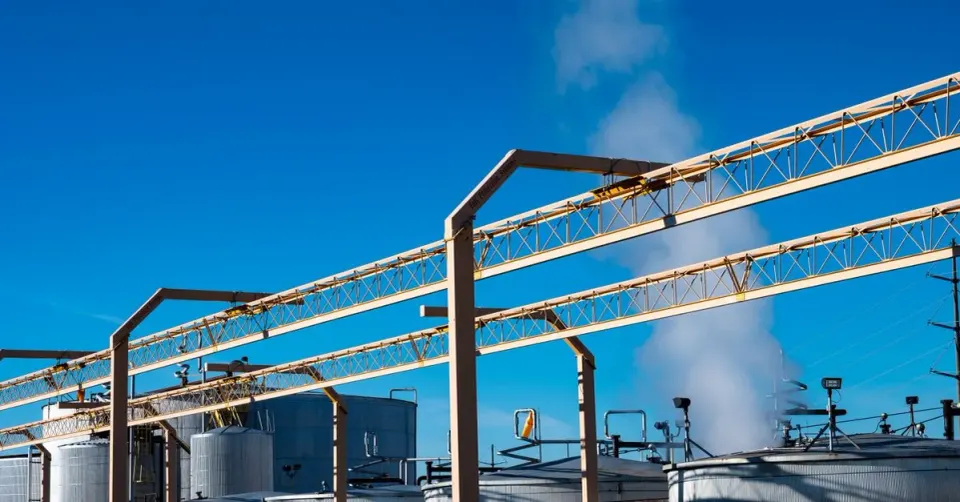
The economic pain is being compounded by a growing environmental catastrophe in southern Iran. Shina Ansari, head of Iran’s Department of Environment, recently highlighted the severe pollution resulting from attacks on fuel storage tanks and industrial facilities in Assaluyeh. These strikes, attributed to US and regional forces, have released massive quantities of greenhouse gases and toxic particulates into the atmosphere. Beyond the immediate destruction of infrastructure, the long-term impact on the health of the local population and the Persian Gulf's ecosystem is becoming a central point of grievance for the Iranian government.
Foreign Minister Abbas Araghchi has attempted to frame this as 'environmental warfare,' claiming that the West is using ecological destruction as a tool of political pressure. While state rhetoric often seeks to deflect domestic blame, the physical reality in Assaluyeh is undeniable: the region’s air quality has plummeted, and the localized climate effects of the burning fuel reserves are causing unprecedented smog in a region already struggling with extreme heat. This complicates any future recovery, as the cost of environmental remediation will eventually rival the cost of rebuilding the physical refineries themselves.
Global Energy Shifts: Ukraine’s Strategic Offer and Market Reactions
In a surprising turn of events on the global stage, Ukrainian President Volodymyr Zelensky has signaled a willingness to halt strikes on Russian oil refineries, provided Moscow stops its campaign against Ukrainian energy infrastructure. This move comes under significant pressure from the Trump administration, which is desperate to stabilize global energy prices ahead of the US midterm elections. The conflict has already reshaped global energy maps, with Middle Eastern fossil fuels now accounting for 81% of global supply according to recent data. Any de-escalation in the Black Sea could provide a temporary breather for global markets, though the fundamental instability in the Persian Gulf remains the primary driver of risk premiums.
For the Iranian reader, this global maneuvering is a double-edged sword. While a reduction in global oil volatility might theoretically stabilize some import costs, the continued blockade of Iranian exports means that Iran remains largely excluded from the benefits of high energy prices. The 'energy charts' of the current war show a world that is desperately trying to bypass traditional routes, yet still remains tethered to the geographic reality of the Middle East. As long as the US-led blockade persists, the global shifts in oil strategy will continue to leave Iran on the sidelines of the very market it once helped dominate.
Market Snapshot: Currency Dips and Crypto Security Alerts
On the local front, the Iranian Toman saw a minor recovery today, Sunday, October 11, 2026. The USD sell rate moved from 265,400 to 264,400 Toman, marking a slight decrease of 0.4%. Similarly, Gold 18k followed suit, dropping from 26,420,887 to 26,298,536 Toman per gram (-0.5%). While these movements are small, they reflect a cautious wait-and-see approach by local traders who are weighing the impact of President Pezeshkian’s calls for 'national unity' against the harsh reality of the ongoing naval blockade. Emami gold coins remained stagnant at 269,500,000 Toman, showing a total lack of momentum in the high-value asset sector.
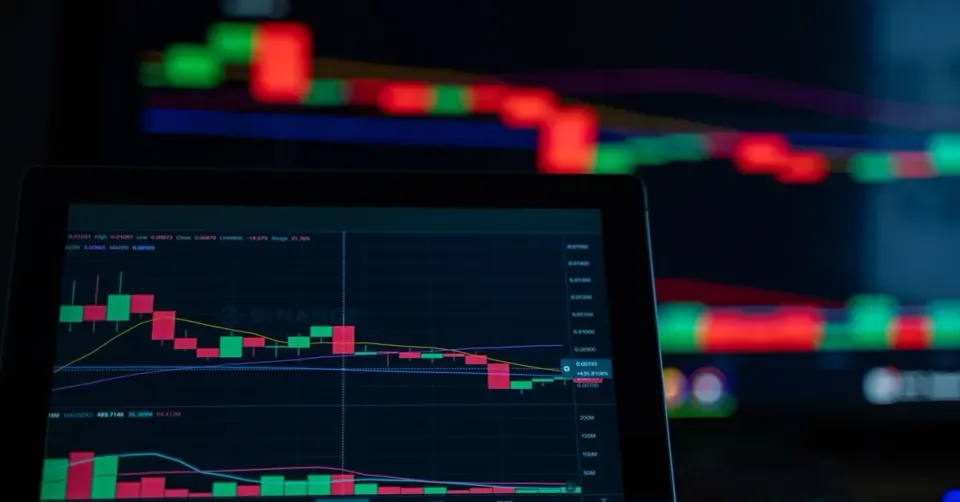
In the digital asset space, security concerns have taken center stage. Ledger, a major hardware wallet provider, confirmed an unauthorized hardware implant in its supply chain, with losses potentially exceeding $86 million. Although the company claims the incident is isolated to a single reseller in Southeast Asia, the news has sent shockwaves through the crypto community, reminding investors that even 'cold storage' is not immune to sophisticated physical attacks. Simultaneously, Coldcard is investigating a phishing link that appeared on its official social media account. With Bitcoin hovering at $82,933, the focus for investors this hour has shifted sharply from price action to asset preservation and security hygiene.
Watch
'Going bankrupt': Iran shopkeepers struggle as war dims demand • FRANCE 24 English
FRANCE 24 English
Frequently Asked Questions
Why is the inflation rate in Iran reaching 90% now?
What happened with the Ledger hardware wallet breach?
How are the attacks on Assaluyeh affecting the region?
Economic Sanctions: How Geopolitics Choke Domestic Economies
Economic sanctions are punitive measures imposed by one country or a group of countries on another, or on specific entities or individuals within it. Their primary goal is to compel a change in behavior, whether political, military, or human rights-related, by inflicting economic pain. These measures can range from targeted financial restrictions, like asset freezes and banking limitations, to comprehensive trade embargoes that severely restrict a nation's ability to import or export goods. A "naval blockade," as mentioned in the headline, is a direct and forceful application of trade sanctions, physically preventing goods from entering or leaving a country's ports.
The mechanisms through which sanctions exert pressure are multifaceted. Trade restrictions lead to supply shortages, particularly for essential goods such as food, medicine, and industrial components, which can no longer be easily imported. Financial sanctions isolate the targeted country from the global banking system, making international transactions difficult and deterring foreign investment. This isolation also often forces the targeted nation to rely on informal or illicit channels for trade, which are typically less efficient and more costly.
One of the most immediate and devastating consequences for the domestic economy is rampant inflation and currency devaluation. When imports become scarce due to blockades and trade restrictions, the prices of available goods skyrocket. Simultaneously, the inability to export goods reduces foreign currency earnings, leading to a depreciation of the local currency against major international currencies like the USD. This devaluation further exacerbates inflation by making any remaining imports exorbitantly expensive, creating a vicious cycle of rising costs, eroding purchasing power, and economic instability that disproportionately affects ordinary citizens.
Beyond inflation, sanctions can cripple a nation's productive capacity. Industries struggle to acquire necessary raw materials or spare parts, leading to factory closures and job losses. Foreign companies often withdraw to avoid secondary sanctions, further stifling investment and technological transfer. The cumulative effect is a decline in living standards, increased poverty, and social unrest, as the population grapples with diminished access to basic necessities and a bleak economic outlook. While intended to pressure governments, the human cost of broad economic sanctions is a subject of continuous international debate.