Democratic Candidate Slams ICE Actions in New York Amid Sanctuary City Tensions; India Protests Mount
نامزد دموکراتیک، اقدامات ICE در نیویورک را محکوم کرد؛ اعتراضات در هند اوج گرفت
A Democratic congressional candidate has strongly criticized ICE's actions and the NYPD's response in New York following an agent's shooting of an undocumented man, reigniting debates over sanctuary city policies. Meanwhile, India is grappling with escalating protests against controversial voter roll revisions, leading to widespread detentions. Iran's VP also invoked a historical incident, comparing it to Hiroshima, in a move to underscore past grievances against the US.
At time of publishing
USD
264,700
Toman
Gold 18K
26.40M
Toman / gram
Bitcoin
$82,972
US Dollar
Tether
264,568.83
Toman
US Immigration Policy Under Fire in New York
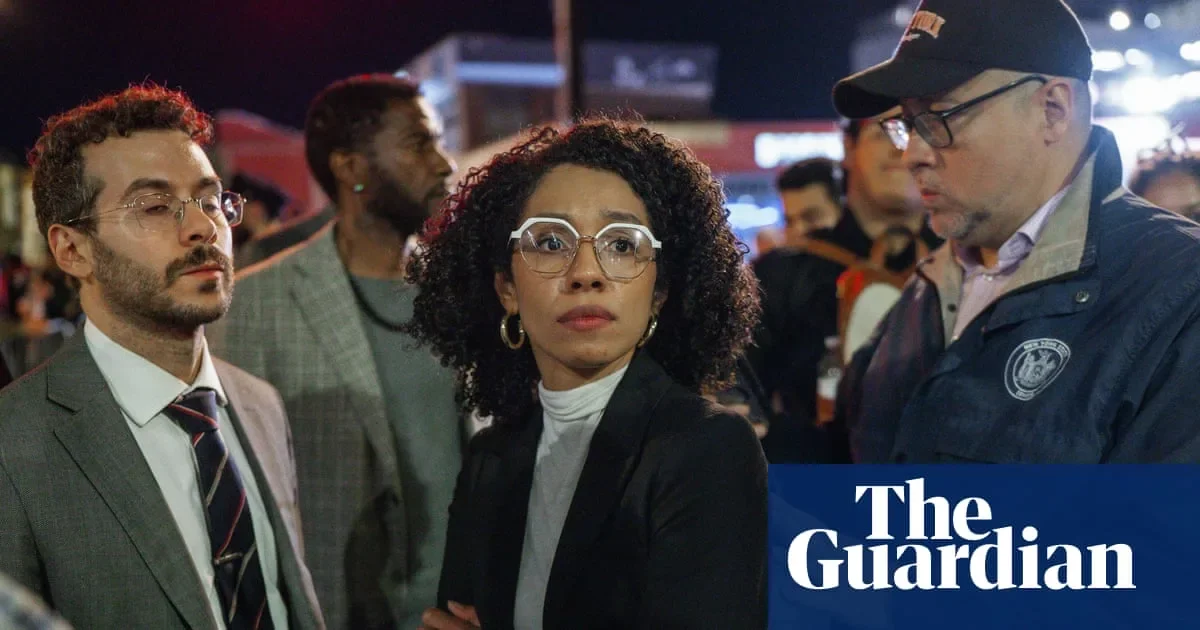
Democratic congressional candidate Darializa Avila Chevalier has voiced deep concern over the presence of federal Immigration and Customs Enforcement (ICE) agents in New York and the perceived "inaction" of the New York Police Department (NYPD) in protecting protesters. This condemnation follows an incident in Marble Hill where an ICE agent shot and wounded Oscar Belgal, a 28-year-old Dominican man, while he was in his car with a five-year-old child. Belgal, reportedly undocumented, was later taken into custody by ICE after being treated at a hospital, sparking significant public outcry and protests.
Chevalier argues that the NYPD's conduct violated the "spirit, if not the letter" of New York City's sanctuary laws, which prohibit local police from assisting federal immigration authorities in civil enforcement operations. This incident highlights the ongoing tension between federal immigration policy and local efforts to protect immigrant communities, especially in sanctuary cities. For Iranian readers, this situation underscores global debates about state authority, civil liberties, and the treatment of vulnerable populations, resonating with similar discussions about government power and individual rights in their own context.
India Rocked by Voter Roll Protests
Scattered protests against sweeping revisions to India's voter rolls erupted across New Delhi on Sunday, met by an extraordinary show of force from the police. Hundreds of individuals were detained as they took to the streets despite police restrictions, with leaders of a group dubbed the "cockroach group" vowing to continue their fight. These demonstrations signify deep-seated public discontent regarding electoral integrity and the democratic process in the world's largest democracy.

The protests underscore significant internal political tensions within India, revealing public skepticism and resistance to government policies affecting fundamental civic rights. The government's robust response to dissent, including widespread detentions, indicates a firm stance against challenges to its authority. Such widespread civil unrest in a major global power like India can signal underlying societal fractures, potentially impacting regional stability and economic outlook, and influencing international perceptions of democratic governance.
Iran Recalls 'Minab Incident' in Challenge to US
Iran's Vice President for Women and Family Affairs, Zahra Behrouz-Azar, has called on the world not to forget the "Minab incident," drawing a parallel to the atomic bombing of Hiroshima. Speaking to IRNA, Behrouz-Azar asserted that just as the global community remembers Hiroshima, the US attack on Minab must neither be forgotten nor obscured by distorted accounts. This statement aims to highlight historical grievances and perceived injustices by the United States against Iran.
This rhetoric is a consistent feature of Iranian foreign policy, designed to rally domestic support, assert a moral high ground in international forums, and challenge Western narratives, particularly those from the United States. By evoking such a powerful historical comparison, Iran seeks to underscore the perceived severity and lasting impact of past events. Such pronouncements reinforce the regime's long-standing grievances against the US, influencing regional dynamics and potentially impacting confidence in the broader Middle East, which can have indirect implications for trade and investment by shaping geopolitical risk perceptions.
UK Electoral Reforms Face Scrutiny Amid Election Speculation
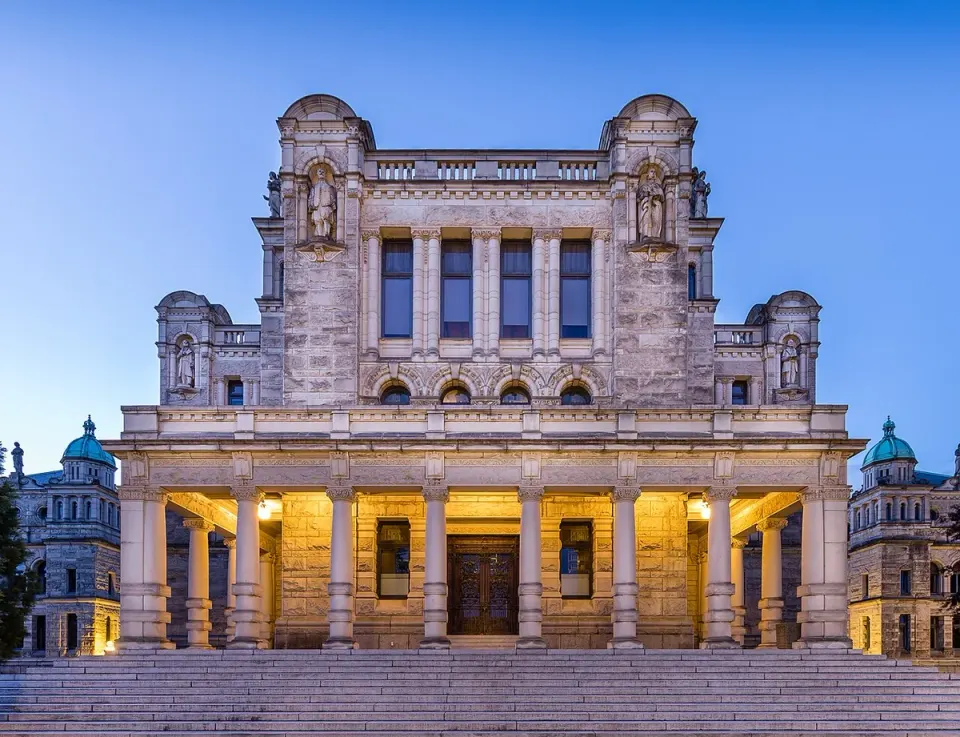
Andy Burnham, a prominent UK political figure, is facing questions over plans to fast-track sweeping changes to Britain's electoral system. Reports suggest that ministers are seeking to at least halve the time available for the House of Lords to scrutinize legislation that would make it possible to vote without photographic identification, lower the voting age to 16, and tighten restrictions on political donations. This push comes amid speculation of an early general election, raising concerns about the motivations behind such rapid reforms.
These proposed changes are significant, touching on fundamental aspects of democratic participation and electoral fairness. The attempt to accelerate their passage through Parliament has sparked debate about proper legislative scrutiny and potential partisan maneuvering, especially if an election is imminent. For international observers, this highlights the ongoing challenges to democratic norms even in established democracies, where electoral rules can become battlegrounds for political advantage, potentially influencing perceptions of political stability and governance quality.
Market Snapshot: Toman and Gold Show Minor Fluctuations
The Iranian market saw only minor movements in key indicators over the last 24 hours. The US Dollar against the Iranian Toman experienced a slight decrease, moving from 265,400 to 264,700, marking a -0.3% change. Similarly, Gold 18k/gram saw a marginal dip, from 26,420,887 to 26,397,802 Toman, representing a -0.1% change. Notably, the Emami coin remained entirely stable, holding at 269,500,000 Toman with a +0.0% change.
These minor fluctuations suggest a relatively calm period in the immediate market, indicating a lack of major new economic or political catalysts within the last day. The stability of the Emami coin, often a key psychological indicator for the Iranian public, reinforces this current absence of significant directional movement. For Iranian citizens and investors, such minor shifts might offer a brief respite from the more volatile periods, but they do not signal a fundamental change in the broader economic landscape, which remains subject to larger geopolitical and domestic policy influences.
Frequently Asked Questions
What are 'sanctuary city' laws and how do they relate to the ICE incident in New York?
What are the main causes and implications of the protests in India?
Why is Iran's Vice President comparing the 'Minab incident' to Hiroshima?
What electoral reforms are being debated in the UK, and why are they controversial?
Understanding Sanctuary Cities
A "sanctuary city" or "sanctuary jurisdiction" refers to a local government that adopts policies designed to limit its cooperation with federal immigration enforcement agencies, such as U.S. Immigration and Customs Enforcement (ICE). The core idea behind these policies is to create a sense of trust between immigrant communities and local law enforcement or public service providers. By limiting voluntary assistance to federal immigration efforts, these jurisdictions aim to encourage all residents, regardless of immigration status, to report crimes, seek medical attention, or utilize other essential services without fear of deportation.
Proponents argue that sanctuary policies enhance public safety for everyone. When undocumented immigrants feel secure interacting with local police, they are more likely to report crimes they witness or are victims of, thereby aiding law enforcement in solving cases and preventing future offenses. These policies typically involve local authorities refraining from inquiring about an individual's immigration status, refusing to hold individuals in jail solely at ICE's request without a judicial warrant, or limiting the sharing of information with federal immigration officials. The goal is to ensure that local resources are focused on local crimes, not federal immigration matters.
However, sanctuary policies are a subject of intense national debate and controversy. Critics argue that these jurisdictions obstruct federal law enforcement, undermine the rule of law, and potentially harbor individuals who have committed crimes. They contend that local governments should fully cooperate with federal agencies to enforce immigration laws, viewing sanctuary policies as a threat to national security and public safety. This ideological divide has led to numerous legal challenges, political clashes between federal and state/local governments, and varying interpretations of how much cooperation is legally required versus what is voluntarily offered.
Ultimately, the term "sanctuary city" encompasses a spectrum of policies, not a single, uniform legal definition. The specific measures adopted vary significantly from one jurisdiction to another, ranging from simple non-cooperation on certain administrative holds to broader policies that actively restrict local officials from assisting federal immigration agents. Understanding these nuances is crucial for grasping the complex interplay between local governance, federal law, and civil liberties in the context of immigration.