Houthi Strikes Threaten Saudi Ambitions as Trump Pressures Kyiv Over Energy War
حمله حوثیها به قلب پروژههای ریاض؛ فشار ترامپ بر کییف برای توقف جنگ پالایشگاهها
As Houthi drones target Riyadh's infrastructure, Saudi Arabia's 'Vision 2030' faces a critical security test. Meanwhile, Donald Trump's intervention in the Ukraine-Russia energy conflict adds new volatility to global oil markets.
At time of publishing
USD
264,700
Toman
Gold 18K
26.29M
Toman / gram
Bitcoin
$83,055
US Dollar
Tether
264,426
Toman
The Riyadh Vulnerability: Houthi Strikes and Saudi Arabia's Dilemma
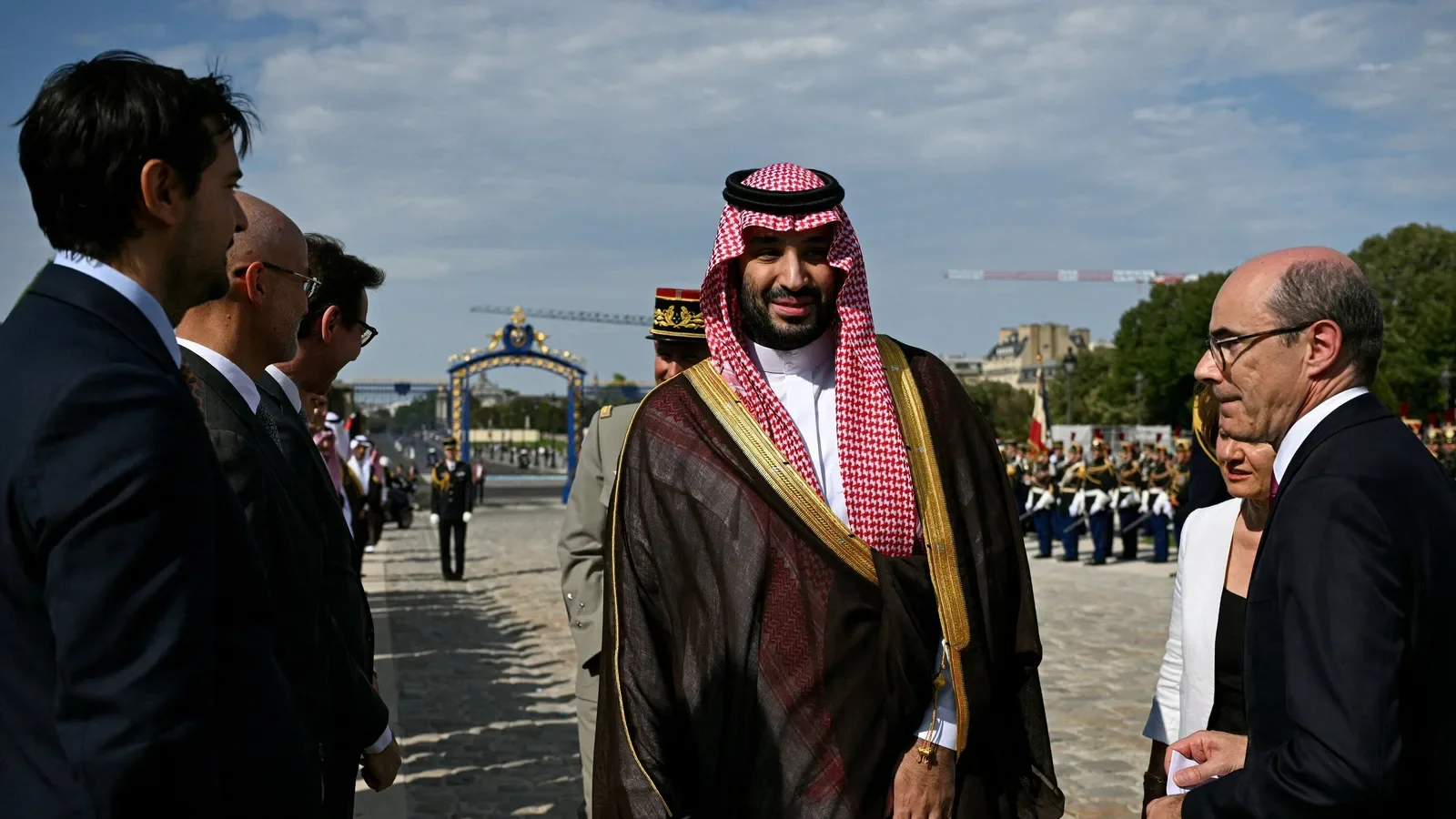
Recent reports from the New York Times highlight a significant escalation in regional tensions as Iran-backed Houthi forces in Yemen launched three deadly attacks on a major airport in the Saudi capital. These strikes are not merely military maneuvers; they are direct hits at the heart of Crown Prince Mohammed bin Salman’s 'Vision 2030.' For a kingdom attempting to pivot its economy toward tourism, international investment, and high-tech urban development, the image of a vulnerable capital city is a devastating blow. The asymmetrical nature of this conflict means that even limited drone capabilities can disrupt multi-billion dollar economic ambitions, forcing Riyadh to reconsider its regional security posture and its reliance on expensive, yet sometimes permeable, air defense systems.
For Iranian observers and the broader regional market, this escalation signals a potential return to high-risk premiums in shipping and insurance. While the USD/IRR exchange rate in Tehran has seen a slight dip of 0.3% today, settling at 264,700 Toman, the underlying geopolitical friction suggests that volatility is never far off. Saudi Arabia now finds itself with few good options: either escalate a costly war it has tried to exit or seek a diplomatic breakthrough that might require significant concessions to Houthi demands. This dilemma directly impacts the stability of the Persian Gulf, influencing everything from oil tanker routes to the psychological floor of the Toman in the local free market.
Geopolitical Pivot: Trump, Zelensky, and the Russian Oil Refineries
In a move that has sent ripples through diplomatic circles, Donald Trump has reportedly pressured Ukrainian President Volodymyr Zelensky to cease strikes on Russian oil refineries. Trump’s argument centers on the global inflationary pressure caused by rising energy prices, which he views as a liability for Western economies. Zelensky, however, has maintained a firm stance, stating that Kyiv will only stop targeting Russian energy infrastructure if Moscow reciprocates by halting its own systematic destruction of the Ukrainian power grid. This 'energy for energy' standoff highlights the increasingly central role that oil and gas infrastructure plays in modern warfare, moving beyond the front lines and into the global commodities market.
This development is particularly relevant to the Iranian economy, which remains highly sensitive to global oil price fluctuations and the shifting alliances between Washington, Moscow, and Kyiv. If Ukraine continues its refinery strikes, the resulting supply crunch could theoretically benefit other oil producers, but the threat of expanded secondary sanctions or a broader energy war keeps the market in a state of 'wait-and-see.' The fact that a major US political figure is now directly intervening in Kyiv's tactical decisions suggests that the next year of global geopolitics will be defined by a clash between military necessity and global economic stability.
Iran's Dual Track: Environmental Lawsuits and Nuclear Diplomacy
In Tehran, the government is pursuing a multi-pronged strategy to address both historical grievances and future interests. Shina Ansari, the Head of the Department of Environment, claimed that Iran has documented extensive environmental damage caused by past conflicts—including pollutants and habitat destruction—to pursue legal action at international summits. This move appears to be an attempt to use international law as a tool of 'soft power,' seeking compensation or at least formal recognition of the ecological toll of regional instability. While the success of such legal pursuits is often limited in international courts, it signals a shift toward a more institutionalized form of grievance-airing by the Iranian administration.
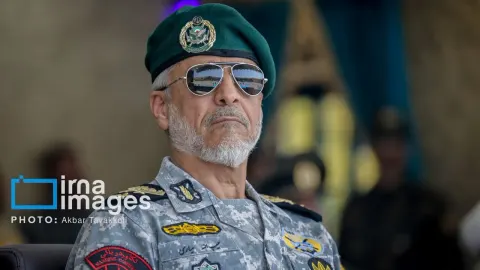
Simultaneously, the Atomic Energy Organization of Iran (AEOI) has signaled a dual-track approach to its nuclear program. Spokesperson Behrouz Kamalvandi stated that while Iran prefers diplomacy to secure its national interests, it remains prepared to use 'the battlefield' if necessary. This rhetoric is classic brinkmanship, designed to maintain leverage in ongoing or future negotiations with Western powers. Interestingly, the AEOI is also highlighting civilian applications of its technology, such as a new agreement with the Ministry of Health to use nuclear tech for controlling disease-carrying mosquitoes. By blending aggressive geopolitical posturing with humanitarian and environmental narratives, Tehran is attempting to project a complex image of a state that is both a military power and a victim of external aggression.
Market Brief: Toman Finds Stability Amidst Regional Tensions
Despite the heated rhetoric across the Middle East, the domestic Iranian market has shown a surprising degree of calm in the last 24 hours. The US Dollar (USD) moved from 265,400 to 264,700 Toman, a modest decrease of 0.3%. Similarly, 18k gold followed suit, dropping from 26,420,887 to 26,289,302 Toman per gram (-0.5%). This slight downward trend suggests that the market had already priced in much of the current regional tension, or that local traders are currently more focused on internal liquidity rather than the immediate threat of a wider conflict. The Emami coin also saw a fractional decrease of 0.4%, now trading at 268,500,000 Toman.
In the digital asset space, Bitcoin continues to hold a high ground at $83,055, providing a stark contrast to the stagnant or slightly declining domestic currency and gold prices. For many Iranian investors, the crypto market remains a vital hedge against the long-term inflationary pressures of the Toman, regardless of daily fluctuations. As President Pezeshkian continues consultations with regional leaders like the Sultan of Oman, the market is looking for concrete signs of de-escalation that could lead to more sustained currency stability. For now, the 'wait-and-see' approach dominates the trading floors of Ferdowsi Street.
Frequently Asked Questions
Why did the Toman strengthen slightly despite regional attacks?
What is the significance of Trump's request to Ukraine regarding oil refineries?
How do Houthi attacks on Riyadh affect Iranian investors?
The Challenge of Economic Diversification Amidst Geopolitical Instability: Saudi Arabia's Vision 2030
Saudi Arabia's Vision 2030 is an ambitious strategic framework launched in 2016 to reduce the kingdom's dependence on oil, diversify its economy, and develop public service sectors such as health, education, infrastructure, recreation, and tourism. At its core, Vision 2030 aims to transform Saudi Arabia into a global investment powerhouse and a hub connecting three continents. This plan involves massive investments in new cities like NEOM, renewable energy, and various non-oil industries, fundamentally reshaping the nation's economic landscape and creating millions of new jobs for its young population.
However, the realization of such a grand vision is inherently vulnerable to geopolitical risks, as highlighted by the Houthi strikes and the ongoing conflict in Yemen. These attacks, particularly those targeting critical infrastructure or population centers like Riyadh, directly undermine investor confidence and create a perception of instability. International investors are hesitant to commit long-term capital to projects in regions perceived as insecure, regardless of the intrinsic economic merits of the ventures. The cost of enhanced security measures also diverts resources that could otherwise be allocated to development projects, further slowing progress.
Moreover, regional tensions and conflicts can disrupt supply chains, impact energy markets, and escalate security expenditures, all of which pose significant headwinds for economic diversification efforts. For Saudi Arabia, maintaining a stable security environment is paramount for attracting foreign direct investment and fostering the domestic entrepreneurship necessary for Vision 2030's success. The interplay between geopolitical stability and economic transformation is a critical concept, demonstrating how external conflicts can directly impede internal development goals, forcing nations to balance national security with long-term economic aspirations.
Topics
Related Articles