Naval Threats and Riyadh Airport Strike: Regional Tensions Surge as USD Dips to 264k
تهدیدات دریایی ارتش و حمله به فرودگاه ریاض؛ تنشهای منطقهای و عقبنشینی جزئی دلار
Iran’s military issues a fresh warning to 'enemy vessels' while a Houthi missile strike on Riyadh forces a shift in US strategy. Despite the rising geopolitical heat, the Iranian Rial saw a slight 0.5% gain as the dollar settled at 264,200 Toman.
At time of publishing
USD
264,200
Toman
Gold 18K
26.28M
Toman / gram
Bitcoin
$83,014
US Dollar
Tether
263,590
Toman
Naval Escalation: Iran Warns of Strikes on 'Enemy Vessels'
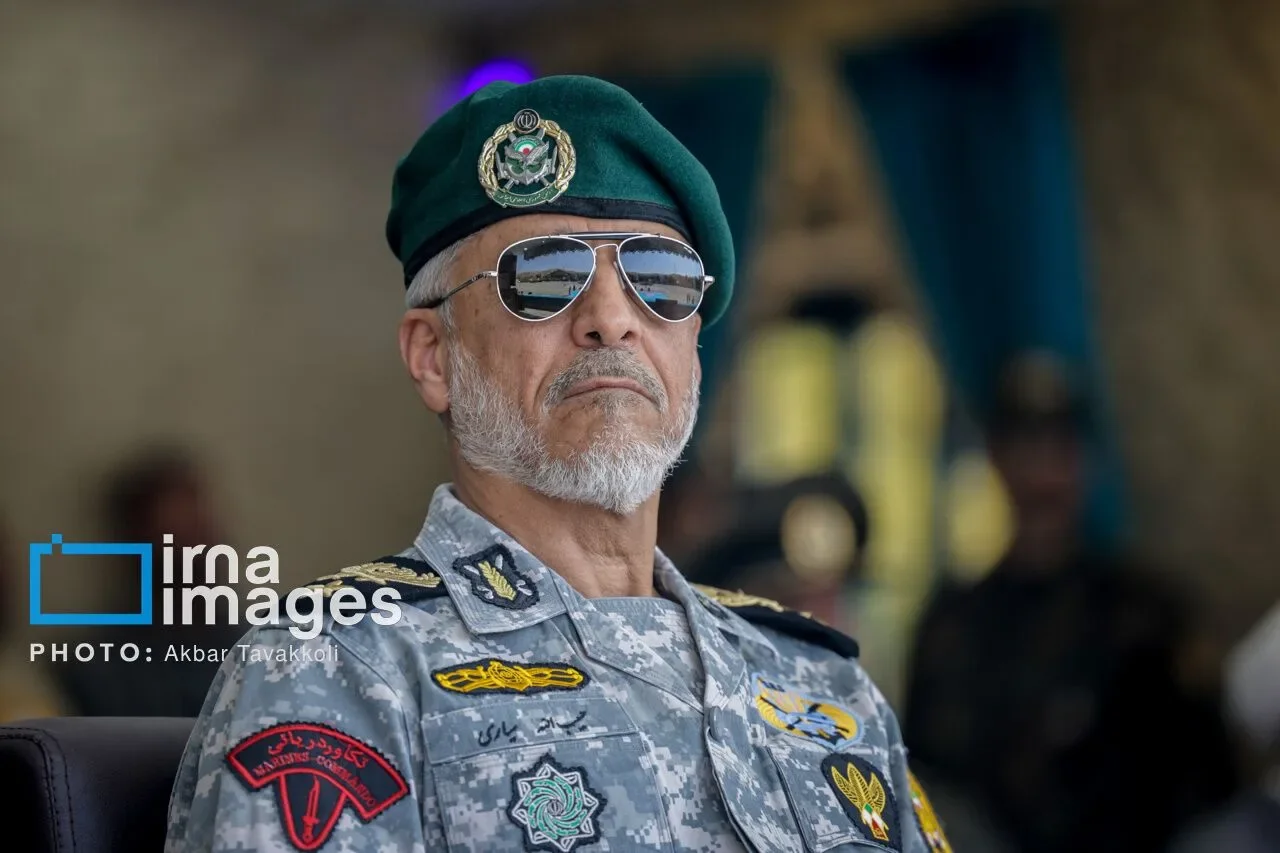
Rear Admiral Habibollah Sayyari, the deputy chief of the Iranian Army for Coordination, issued a stern warning on Sunday, stating that the Islamic Republic is fully prepared to strike enemy vessels again if any further aggressive actions are taken against the country. According to reports from the state-run IRNA news agency, Sayyari emphasized that the Iranian military has already demonstrated its capability by inflicting damage on foreign vessels in the past, framing these actions as a necessary deterrent against perceived threats to national sovereignty and maritime security. This rhetoric comes amid a period of heightened naval friction in the region, particularly in the Gulf of Oman and the Strait of Hormuz, where international shipping lanes remain under intense scrutiny.
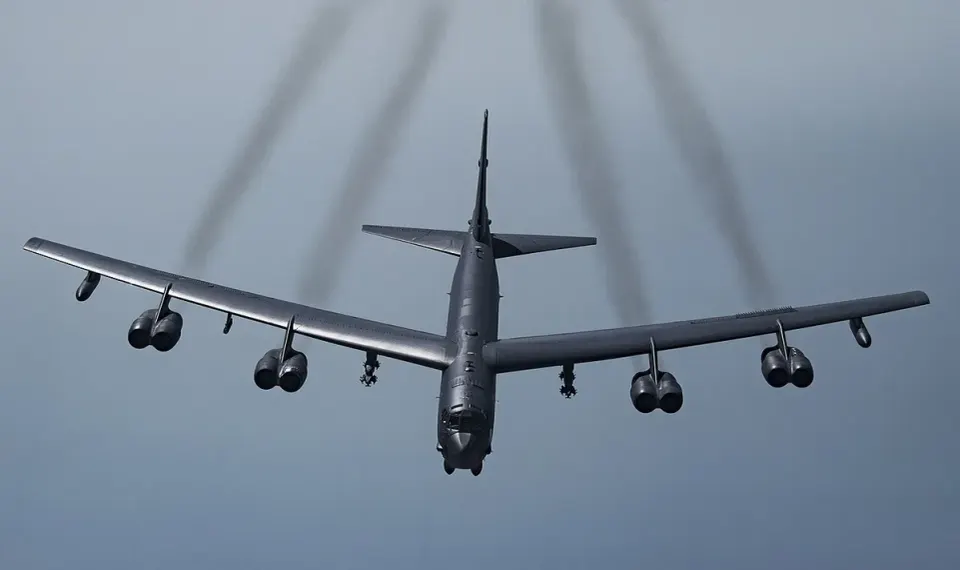
This escalation is not merely military posturing but a calculated signal to global energy markets and regional adversaries. For the average Iranian reader, such statements often trigger immediate volatility in the currency markets, as the threat of maritime conflict raises the risk of further sanctions or direct military engagement. While the USD/IRR rate showed a slight 0.5% decrease today, settling at 264,200 Toman, the underlying tension keeps the market on edge. The military’s focus on 'striking back' suggests that the current naval standoff is far from over, potentially leading to increased insurance premiums for tankers and higher global oil prices, which complicates international efforts to stabilize energy costs.
The Riyadh Airport Attack and Trump’s Shifting Strategy
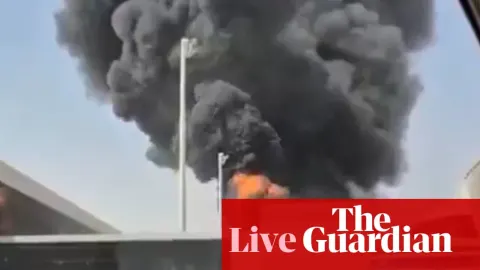
The geopolitical landscape shifted dramatically following a Houthi missile attack on King Khalid International Airport in Riyadh on Saturday. This event has forced a significant recalculation of US President Donald Trump’s regional strategy, which had previously attempted to sideline Middle Eastern conflicts to focus on the upcoming midterm elections. The attack, which resulted in four deaths and significant damage to civilian aircraft, prompted a rare show of solidarity from the United Arab Emirates toward Saudi Arabia. This is particularly notable given the recent diplomatic rifts between the two oil-rich nations, including the UAE's exit from OPEC earlier this year.
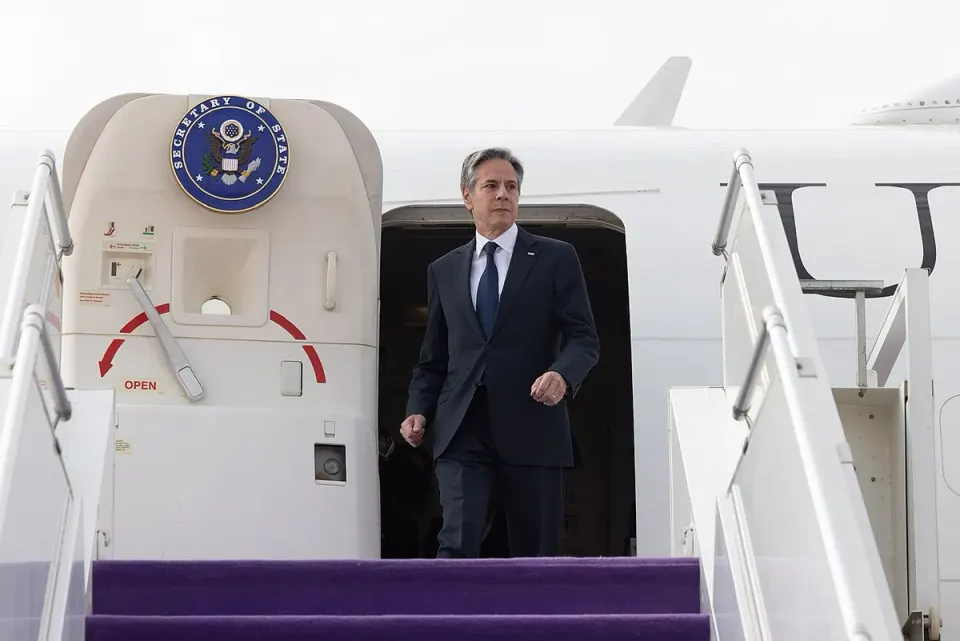
Trump had recently attempted to blame Ukrainian President Volodymyr Zelensky for high diesel prices, seeking to keep the focus away from his administration's policies in the Middle East. However, the audacity of the Riyadh strike—the second this week—has made it impossible for Washington to maintain this narrative. The Houthi foreign ministry has warned that 'worse is yet to come' if Saudi strikes continue, creating a feedback loop where regional military actions directly undermine the economic stability Trump hoped to project. For global investors, this escalation introduces a 'geopolitical premium' into the price of crude and impacts risk appetite in the crypto markets, where Bitcoin remains a focal point at $83,014.
High-Level Meetings in Tehran Amid Economic Pressure
In a move to project internal stability, the heads of Iran’s three branches of government convened a high-level meeting on Sunday, October 11, 2026. Hosted by President Masoud Pezeshkian, the session included Parliament Speaker Mohammad Bagher Ghalibaf and Judiciary Chief Gholam-Hossein Mohseni-Ejei. The official narrative coming out of the meeting emphasized 'national solidarity' as the primary tool for the country to overcome its current scientific and social challenges. Pezeshkian’s call to set aside internal divisions is a clear attempt to consolidate the domestic front as the threat of regional conflict and international pressure looms larger.

Despite the calls for unity, the Iranian public remains focused on the reality of economic survival. While the dollar saw a marginal decline today, moving from 265,400 to 264,200 Toman, the broader economic outlook remains clouded by high inflation and the threat of further isolation. The meeting’s focus on 'unity' suggests the government is bracing for more difficult times ahead, particularly as the US administration reconsidered its diplomatic strategy in light of the Houthi attacks. The coordination between the executive, legislative, and judicial branches is critical for managing the fallout of potential new sanctions, but whether this translates into tangible relief for the Rial or the price of basic goods remains to be seen.
Frequently Asked Questions
Why did the USD price drop despite the military tensions?
What is the significance of the UAE supporting Saudi Arabia after the Riyadh attack?
How is Trump's strategy affected by the Houthi strike?
Geopolitical Risk and Currency Valuation
Geopolitical risk refers to the potential for political events, conflicts, or instability to impact economic activity and financial markets. When headlines report "Iran naval threats" or a "Riyadh airport attack," they signal an escalation of such risks in a volatile region. These events create uncertainty, which is anathema to investors and businesses, leading to a reassessment of economic prospects and often a flight of capital from affected areas.
The most immediate and visible economic impact of heightened geopolitical risk is often seen in currency markets. Currencies, like any asset, reflect confidence in a country's economic stability and future. When political tensions rise, investors typically move their funds out of the local currency and into safer, more stable assets, often denominated in major global currencies like the US Dollar. This increased demand for foreign currency, coupled with reduced confidence in the local economy, puts downward pressure on the domestic currency's value. For instance, the "USD/IRR price" is highly sensitive to such shifts, reflecting not just current events but also future expectations of stability or further conflict.
In the context of Iran, the Iranian Rial (IRR) is particularly vulnerable to geopolitical developments. Years of international sanctions, coupled with regional conflicts involving actors like the Houthis and strategic military posturing, have created a climate of persistent economic uncertainty. Any perceived escalation, such as "naval threats" or proxy attacks, can trigger a rush among individuals and businesses to convert their rials into more stable foreign currencies, further depreciating the Rial's value against the Dollar. This dynamic is exacerbated by the country's reliance on oil exports, which can be disrupted by regional instability or sanctions.
Therefore, understanding geopolitical risk is crucial for anyone tracking the economic pulse of regions like the Middle East. It explains why events seemingly distant from daily commerce can have profound and immediate effects on everything from national currency values to the cost of goods. The interplay between political stability, international relations, and market confidence is a powerful force shaping global economies.