Regional Escalation: Houthi-Saudi Airport Strikes Shake Markets as Pope Leo Faces Surgery
تشدید تنشها در شبهجزیره؛ حملات متقابل به فرودگاهها و نوسان محتاطانه در بازار تهران
A cycle of retaliatory strikes between Houthi forces and Saudi-backed coalitions has targeted key airports in Sana'a and Riyadh, threatening regional energy stability. Meanwhile, the Iranian Rial shows surprising resilience with a 0.6% gain, even as the Vatican prepares for the Pope's emergency surgery.
At time of publishing
USD
263,900
Toman
Gold 18K
26.30M
Toman / gram
Bitcoin
$83,063
US Dollar
Tether
263,800
Toman
The Peninsula Ablaze: Sana’a and Riyadh Under Fire
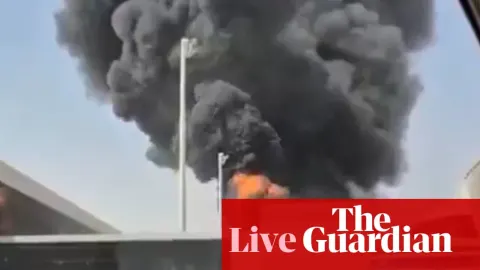
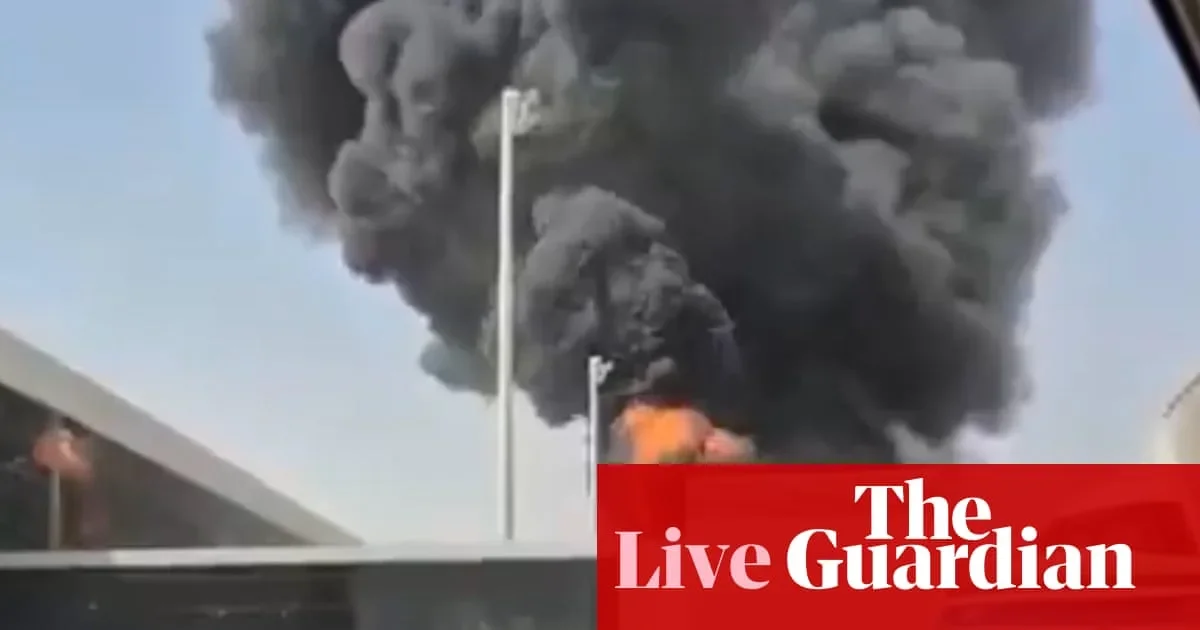
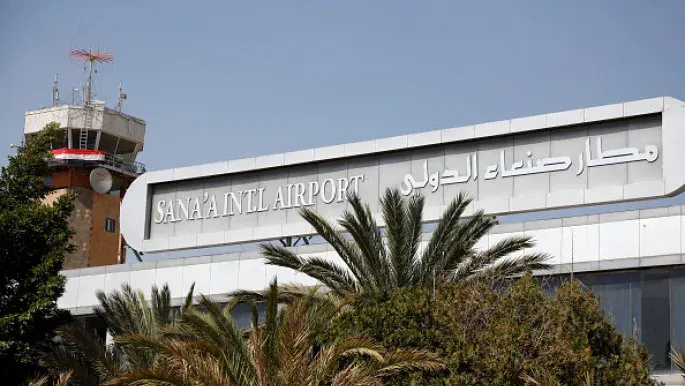
The geopolitical landscape of the Middle East has shifted into a dangerous new phase this Sunday, October 11, 2026. Following a deadly missile attack by Iran-aligned Houthi forces on King Khalid International Airport in Riyadh, retaliatory strikes have now been reported at the airport in Sana’a. This escalation marks a significant failure in the recent diplomatic 'parking' strategy attempted by the Trump administration, which sought to de-escalate regional conflicts ahead of the US midterm elections. The strikes have not only caused physical damage to aviation infrastructure but have also shattered the illusion of a stabilized energy corridor in the Persian Gulf.
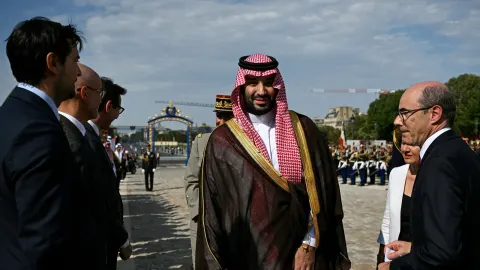
In a surprising turn of events, the United Arab Emirates has issued a strong statement of solidarity with Saudi Arabia, pledging support for all measures to safeguard the Kingdom's security. This is particularly noteworthy given the deep rift that developed between Abu Dhabi and Riyadh earlier this year over Yemen and oil production quotas—a dispute that famously led the UAE to exit OPEC after sixty years of membership. The current crisis appears to be forcing a realignment of Gulf powers as they face a shared security threat that transcends their previous economic disagreements. For the global energy market, this unity could signal a more aggressive stance against regional proxies, potentially impacting oil supply chains if the conflict spills further into maritime routes.
Market Resilience Amidst the Storm: Rial and Gold Trends
Despite the thunder of missiles in the region, the Iranian financial markets on Sunday, October 11, 2026, have reacted with a peculiar sense of caution rather than outright panic. The USD/IRR sell rate moved from 265,400 to 263,900, representing a modest decrease of 0.6%. This slight strengthening of the Rial suggests that local traders may have already priced in a high level of regional instability, or that the Central Bank is actively intervening to prevent a currency slide during this sensitive period. Gold markets followed a similar downward trajectory, with 18k gold falling 0.5% to 26,298,536 Toman per gram, while the Emami coin dipped 0.4% to 268,500,000 Toman.
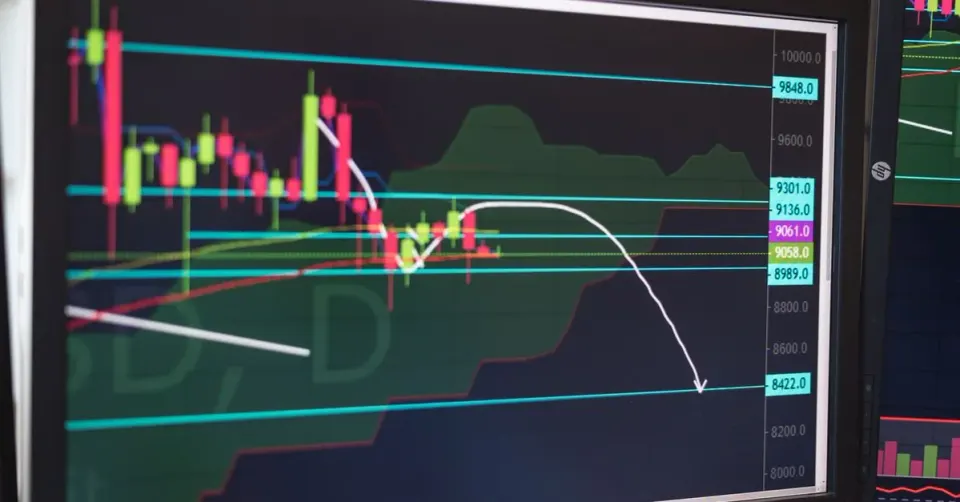
This cooling of prices, while counterintuitive during a military escalation, reflects a broader global trend of 'wait-and-see.' Investors are currently balancing regional war risks against upcoming global economic data. With Bitcoin holding steady at $83,063 and global gold prices hovering near record highs of $4,195 per ounce, the Iranian market's slight correction indicates a temporary exhaustion of the recent bullish run. However, analysts warn that any 'decisive response' from the Saudi-backed coalition could quickly reverse this trend, sending the dollar back toward the 270,000 Toman resistance level if shipping in the Strait of Hormuz is affected.
Global Stability Shaken: The Vatican and Wall Street
Beyond the immediate conflict in the Middle East, two major stories are developing that could redefine global sentiment in the coming weeks. At the Vatican, the 71-year-old Pope Leo is scheduled for surgery after a nodule was discovered on his lung. While the Holy See describes the identification as occurring at a 'very early stage,' the health of the Pontiff always introduces a layer of geopolitical uncertainty, particularly in Europe and Latin America where the Church maintains significant diplomatic influence. A leadership vacuum or a prolonged recovery could stall various Vatican-led peace initiatives currently active in global hotspots.
Simultaneously, the financial world is bracing for Tuesday’s bank earnings reports in the United States. These figures will provide the first clear evidence of how sustained high interest rates and rising yields are impacting the core of the global economy. Market experts are concerned that 'extreme complacency' has blinded investors to the risks of a potential credit crunch. As yields continue to exert pressure on the four-year-old bull market, the intersection of political instability in the Middle East and economic fragility in the West creates a volatile cocktail that could lead to a sharp re-pricing of risk assets before the month is out.

Natural Disasters and Tech Frontiers
While the world watches the wars, nature and technology continue their own relentless pace. Hurricane Isaias has left hundreds of thousands without power across Florida and Alabama as it moves toward the Appalachians, threatening to disrupt domestic energy logistics in the US. This environmental pressure adds another layer to the diesel price crisis that has become a central theme of the US political cycle. At the same time, the tech world is looking toward Apple’s 'Welcome Home' event, where the debut of 'homeOS' and new smart home hubs are expected to signal a major pivot toward integrated AI environments in the domestic sphere.
These seemingly disparate events—storms in the Atlantic and product launches in Cupertino—are fundamentally linked by the global supply chain. The disruption of power in the US South can affect data center operations, which are increasingly becoming a political battleground in the upcoming midterm races. As candidates debate the merits of hosting massive AI infrastructure, the intersection of energy consumption, environmental protection, and technological dominance remains the most critical long-term challenge for the global economy, regardless of the immediate headlines from the Middle East.
Frequently Asked Questions
Why did the UAE support Saudi Arabia despite their recent rift?
Why is the Iranian Rial strengthening while regional tensions are rising?
What is the significance of the US bank earnings reports on Tuesday?
Geopolitical Risk and its Ripple Effect on Global Markets
Geopolitical risk refers to the potential for political instability, conflicts, and international tensions to disrupt global affairs and, consequently, financial markets. Events like the Houthi-Saudi airport strikes, as mentioned in the headline, are prime examples. Such incidents create uncertainty, prompting investors to reassess risk and often leading to significant shifts in capital flows, commodity prices, and currency valuations. Understanding this concept is crucial for grasping why seemingly distant conflicts can have immediate and tangible economic consequences worldwide.
One of the most immediate impacts of escalating geopolitical risk is seen in currency markets. When regional conflicts intensify, investors typically seek safety, moving capital out of assets and economies perceived as vulnerable or unstable. This 'flight to safety' often strengthens major reserve currencies like the US Dollar (USD) as global capital flocks to what is considered a more secure haven. Conversely, currencies of nations directly or indirectly involved in the conflict, or those in the immediate vicinity, may weaken significantly due to capital outflows and diminished investor confidence, as indicated by concerns over currencies like the Iranian Rial (IRR) in times of regional tension.
Commodity markets are also highly sensitive to geopolitical developments, particularly oil and gold. The Middle East, being a crucial global energy hub, means that any disruption or threat to oil production and transit routes can cause crude oil prices to surge. This is because market participants anticipate supply shortages, even if actual production remains unaffected initially. Simultaneously, gold often acts as a traditional 'safe-haven asset' during periods of heightened uncertainty. As confidence in traditional financial assets wanes, investors often turn to gold as a store of value, driving up its demand and price.
Beyond immediate market fluctuations, sustained geopolitical risk can have broader, long-term economic consequences. It can deter foreign direct investment, disrupt trade routes and supply chains, and increase inflation through higher energy and commodity costs. For countries directly affected, it can lead to economic stagnation, currency depreciation, and a decline in living standards. Therefore, geopolitical stability is not merely a political concern but a fundamental prerequisite for global economic health and prosperity.