Riyadh Airport Hit Again Amid Escalating Regional Tensions; IRGC Advisor Issues Warning to Adversaries
فرودگاه ریاض بار دیگر هدف حمله قرار گرفت؛ هشدار مشاور سپاه پاسداران به دشمنان منطقه
Regional tensions in the Middle East have surged following another reported attack on Riyadh airport, just a day after a deadly strike killed 12. This escalation comes as a senior IRGC advisor warned that Iran would target enemy interests if attacked, further heightening concerns about stability in the Gulf. Meanwhile, currency and gold markets in Iran saw slight declines.
At time of publishing
USD
264,100
Toman
Gold 18K
26.32M
Toman / gram
Bitcoin
$83,076
US Dollar
Tether
264,000
Toman
Riyadh Airport Struck Again as Regional Tensions Flare
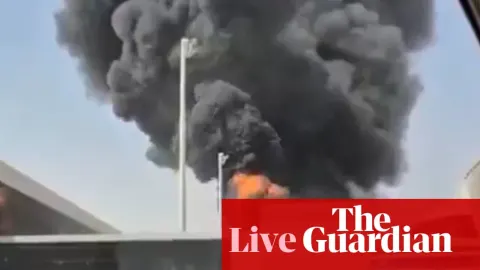
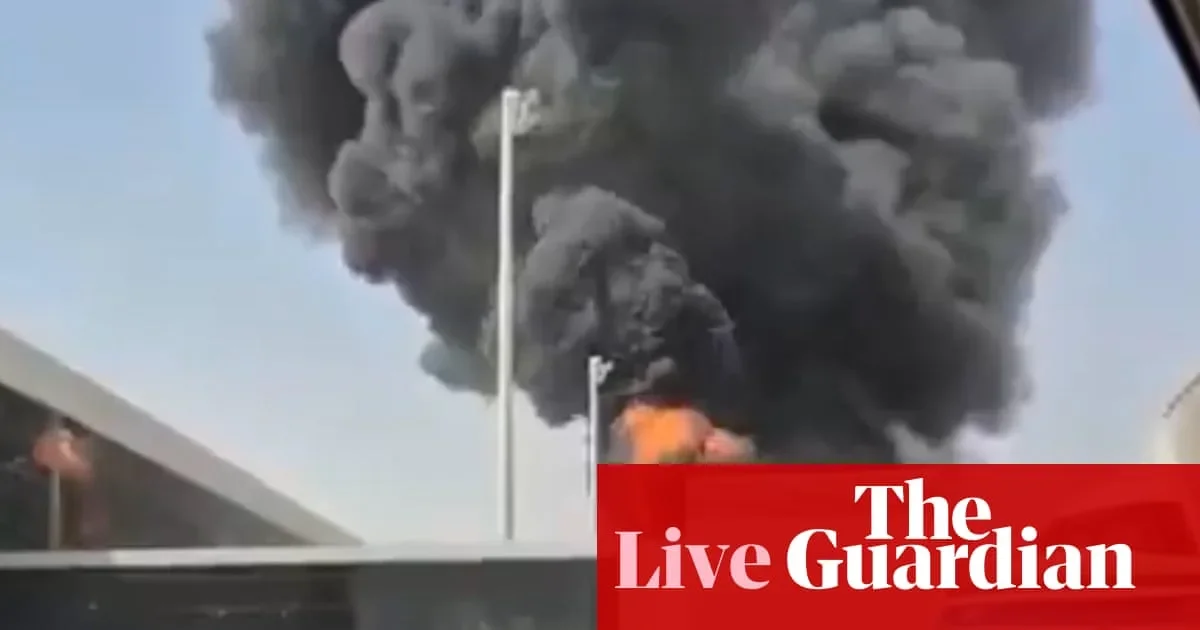
The Middle East is gripped by heightened instability after Riyadh airport was reportedly hit again, barely 24 hours after a deadly attack claimed 12 lives. A Saudi-led coalition spokesperson confirmed a projectile struck a passenger terminal, igniting a fire. This incident follows an escalation of missile strikes by Yemen's Iran-aligned Houthis, with the airport having been targeted twice earlier this week, resulting in casualties and significant damage to an aircraft. The persistent attacks underscore a dangerous shift in the ongoing regional conflict, threatening to destabilize the Gulf further.
The Saudi-led coalition has vowed firm retaliation, a stance reinforced by a significant statement of solidarity from the United Arab Emirates. This expression of support from the UAE is particularly noteworthy, given the major rupture in relations between the two oil-rich kingdoms earlier this year, driven by lingering divisions over Yemen, the Iran War, and disputes over oil prices that led to the UAE's exit from OPEC. The renewed attacks and subsequent reactions signal a deepening of the crisis, potentially drawing in more regional and international actors and impacting global energy security.

IRGC Advisor Issues Stern Warning Amid Regional Volatility
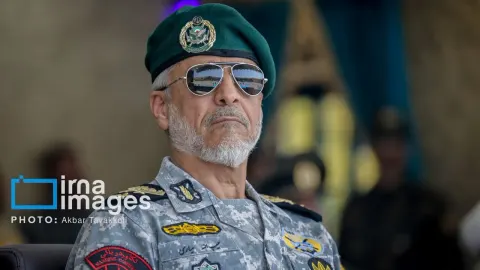
Against the backdrop of escalating regional hostilities, a senior advisor to the commander-in-chief of the Islamic Revolution Guards Corps (IRGC) has issued a direct warning: Iran will target the interests and infrastructure of its adversaries across the region if the country is attacked again. This statement, reported by Iranian state media IRNA, serves as a clear deterrent, emphasizing Iran's readiness to respond forcefully to any perceived aggression. Such declarations are not uncommon during periods of heightened tension, but their timing now adds a layer of urgency to the already volatile situation.
This warning from the IRGC advisor underscores a consistent theme in Iran's defense doctrine, signaling a robust stance against external threats. It aims to project strength and deter potential military actions against the country, particularly as regional conflicts intensify. For Iranian readers, these statements often translate into increased anxiety about the prospects of wider conflict, which can influence economic confidence and market expectations, even as the government spokesperson, Fatemeh Mohajerani, reiterates Iran's steadfastness against what she termed "bloodthirsty enemies" and calls for exposing US-Israeli crimes.
Tragic Migrant Boat Capsizing Near Djibouti Claims Over 100 Lives
A devastating humanitarian crisis unfolded near Djibouti, where a boat carrying over 100 migrants capsized, leading to the deaths of more than 100 individuals, including 15 children. Dozens more remain missing, making this one of the deadliest shipwrecks ever recorded on the treacherous route to Yemen. The International Organization for Migration has highlighted the immense perils faced by those attempting this journey, often fleeing conflict, poverty, and instability in the Horn of Africa in search of better lives or transit to wealthier Gulf nations.
This tragedy is a stark reminder of the desperate circumstances driving mass migration and the human cost of unresolved conflicts and economic disparities. While geographically distant from the immediate Gulf tensions, such events reflect broader regional instability and humanitarian challenges that can indirectly impact geopolitical dynamics and international aid efforts. The sheer scale of the loss of life underscores the urgent need for safer migration pathways and more robust international cooperation to address the root causes of displacement.

Ukraine Strikes Russian Tech Giant Yandex Data Centre
In a notable escalation of cyber and hybrid warfare, Ukraine has reportedly targeted a Yandex data center, marking the third such attack on the Russian tech giant this week. This series of strikes has forced Yandex to suspend some of its operations, indicating a deliberate and sustained effort to disrupt critical Russian civilian infrastructure. These actions represent a broadening of Ukraine's offensive strategy, moving beyond traditional military and energy targets to inflict economic and operational damage on key Russian enterprises.
The repeated targeting of Yandex, a company deeply embedded in Russia's digital economy, signifies Ukraine's intent to create significant domestic disruption and pressure. Such attacks highlight the evolving nature of modern conflict, where digital infrastructure becomes a legitimate target alongside physical assets. The implications include potential retaliatory cyberattacks, increased cybersecurity risks for all parties, and a further blurring of lines between military and civilian targets in the ongoing conflict.

Iranian Markets See Slight Declines Amid Regional Unease
Against a backdrop of heightened regional tensions, Iran's key markets experienced minor downturns. The US Dollar (USD) saw a slight depreciation against the Iranian Toman, moving from 265,400 to 264,100, representing a -0.5% change over the last 24 hours. Similarly, the domestic gold market reflected this cautious sentiment, with 18k gold per gram declining from 26,420,887 Toman to 26,317,004 Toman, a -0.4% decrease.
The Emami coin also followed suit, dropping from 269,500,000 Toman to 268,500,000 Toman, marking a -0.4% change. These modest declines suggest that while regional events are closely watched, the immediate impact on Iranian markets has been contained, indicating a degree of resilience or perhaps a wait-and-see approach from investors. However, persistent geopolitical instability could exert more significant pressure on currency and commodity prices in the longer term, as economic confidence remains sensitive to regional security developments.
Frequently Asked Questions
What is the latest development regarding the Riyadh airport attacks?
What was the significance of the UAE's statement on the Riyadh attack?
What warning did the IRGC advisor issue?
How did the markets in Iran react to the regional developments?
What happened with the migrant boat near Djibouti?
Understanding Proxy Warfare in the Middle East
Proxy warfare is a form of conflict where powerful states or non‑state actors support third‑party forces to achieve strategic goals without direct military engagement. In the Middle East, this dynamic has become a defining feature of regional rivalries, allowing countries like Iran, Saudi Arabia, and the United Arab Emirates to influence conflicts in Yemen, Iraq, Syria, and even Saudi territory itself. By supplying weapons, training, and financing to groups such as the Houthis in Yemen or various militia factions in Iraq, a patron can extend its geopolitical reach while preserving plausible deniability and limiting the political cost of open war.
The recent attack on Riyadh’s King Khalid International Airport illustrates how proxy tactics can spill over into civilian infrastructure. While the exact perpetrator remains contested, the involvement of Iran‑aligned militias or the Houthi movement—both of which receive material support from the Islamic Revolutionary Guard Corps (IRGC)—highlights how a regional power can project force far beyond its borders. The IRGC’s public warning to “adversaries” after the strike underscores the strategic messaging component of proxy warfare: the patron not only seeks tactical gains but also aims to deter rivals through intimidation and the demonstration of reach.
Economically, proxy wars impose heavy burdens on the targeted states. Repeated attacks on critical hubs like airports disrupt trade, tourism, and foreign investment, exacerbating already fragile economies. Moreover, the financing of proxy forces often relies on illicit channels—smuggling, sanctions‑evasion, and the sale of commodities such as oil or gold—creating a feedback loop between conflict and economic instability. Understanding this link helps explain why sanctions on Iran, for example, are frequently coupled with efforts to curb the flow of funds that sustain proxy networks.
For observers, recognizing the hallmarks of proxy warfare—use of non‑state actors, indirect attribution, and strategic signaling—provides a clearer lens through which to interpret news about sudden strikes, diplomatic warnings, or sudden shifts in regional alliances. It also underscores the importance of diplomatic engagement and conflict‑resolution mechanisms that address the underlying patron‑client relationships rather than merely the symptoms of violence.
In sum, proxy warfare is not just a military tactic but a complex political‑economic system that reshapes power balances across the Middle East. Grasping its mechanics equips policymakers, analysts, and the public with the tools to anticipate future flashpoints and to evaluate the broader implications of seemingly isolated attacks.